
 United Nations
96d ago
United Nations
96d ago
▶
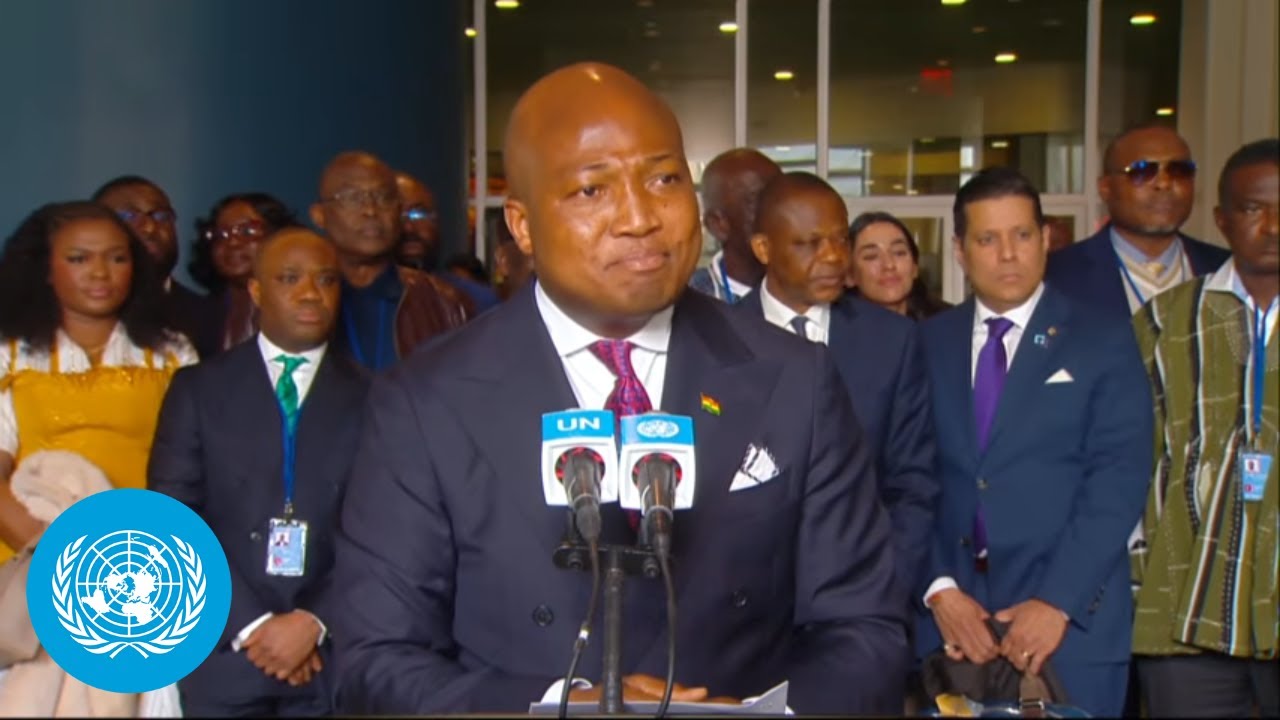
Ghana on Adoption of Resolution on Trafficking of Enslaved Africans - Media Stakeout |United Nations
After the vote, Ghana’s Foreign Minister Samuel Okudzeto Ablakwa said this was “an emphatic victory for justice, and our ancestors, Africans are all people of African descent are today honoured that our humanity and our dignity have been restored.”
Ablakwa acknowledged that “views differed during this process,” and said, “the adoption of this text is not an arrival at a destination, but rather a major step in our ongoing journey and collective conversation for reparatory justice.”
He said the resolution “does not ignore the many dimensions of historical experience. Rather, it recognises that even within complexity, there are moments in history that stand apart, moments defined by their scale, their systematisation, and their impact on humanity.”
For more than 400 years, millions of people were stolen from Africa and shipped to the New World to toil in cotton fields and sugar and coffee plantations. Denied their basic humanity and even their own names, they were forced to endure generations of exploitation with repercussions that reverberate today including persistent anti-Black racism and discrimination.
The resolution emphasised “the trafficking of enslaved Africans and racialised chattel enslavement of Africans as the gravest crime against humanity by reason of the definitive break in world history, scale, duration, systemic nature, brutality and enduring consequences that continue to structure the lives of all people through racialized regimes of labour, property and capital.”
It affirmed the importance of addressing historical wrongs affecting Africans and people of the diaspora in a manner that promotes justice, human rights, dignity and healing, while emphasising that claims for reparations represent a concrete step towards remedy.