
 Carnegie Endowment
33d ago
Carnegie Endowment
33d ago
▶
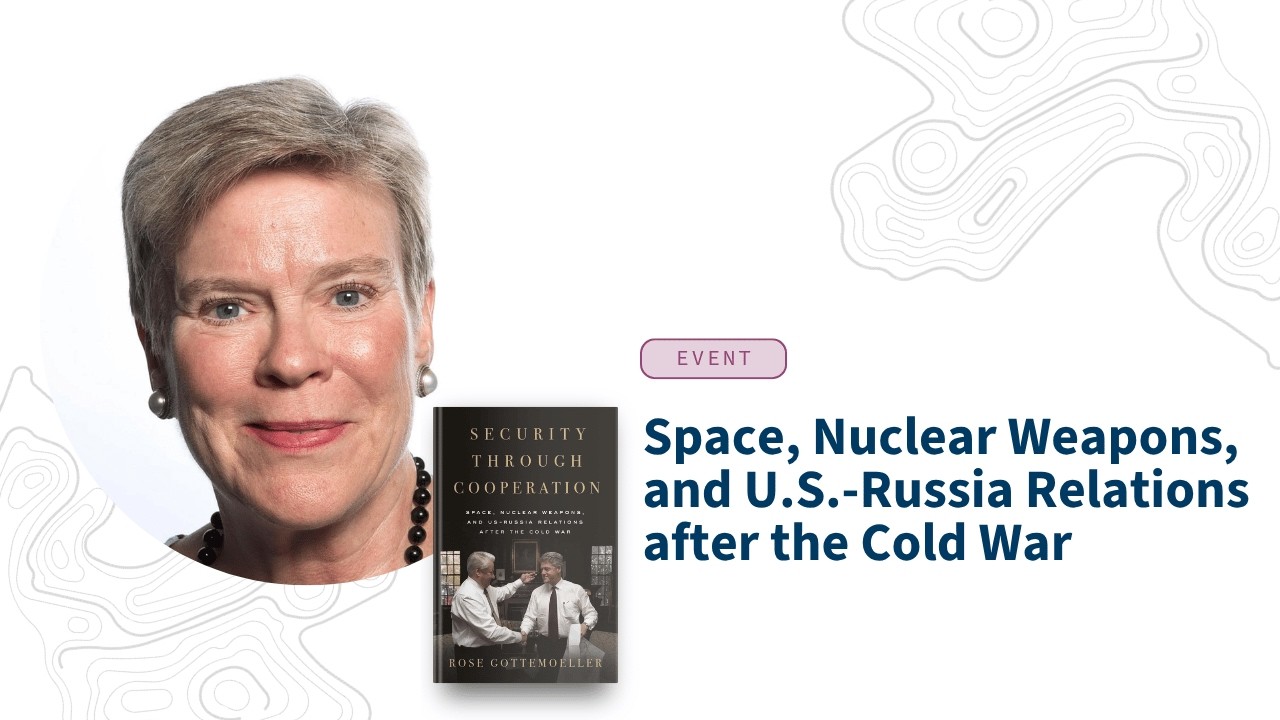
Space, Nuclear Weapons, and U.S.-Russia Relations After the Cold War
In Russia’s official narratives, the United States emerged from the Cold War determined to expand NATO to Russia’s borders, posing an existential threat to the Russian state. Historical records prove otherwise. Beginning with George H.W. Bush, successive American presidents, including Bill Clinton and George W. Bush, were convinced that cooperation with Russia was essential to international security and enacted policies to strengthen the U.S.-Russia relationship. For nearly two decades, this strategy produced meaningful cooperation as Russia and the United States cooperated in outer space, counterterrorism, and nuclear energy. This progress unraveled amid Vladimir Putin’s political evolution and the responses it provoked in Washington.
While today is starkly different from the 1990s, what lessons can be learned from this period of cooperation? Once there is a fair peace in Ukraine and Russia atones for the damage it has done, will it be worth resuming cooperation?
Join Rose Gottemoeller, a nonresident fellow in Carnegie’s Nuclear Policy Program and former deputy secretary general of NATO, for a conversation with Andrew S. Weiss, the James Family Chair and vice president for studies at the Carnegie Endowment, to explore how Gottemoeller tackles these questions in her new book Security Through Cooperation.
Like and subscribe to our channel: https://bit.ly/38sljlH
The Carnegie Endowment for International Peace generates strategic ideas and independent analysis, supports diplomacy, and trains the next generation of international scholar-practitioners to help countries and institutions take on the most difficult global problems and advance peace.
Visit our website: https://carnegieendowment.org/
Follow us on X: https://x.com/CarnegieEndow
Follow us on Instagram: https://www.instagram.com/carnegieendow/