
 hinrichfoundation
2h ago
hinrichfoundation
2h ago
▶
The collapse of 80 years of trade and economic integration | Hinrich Foundation
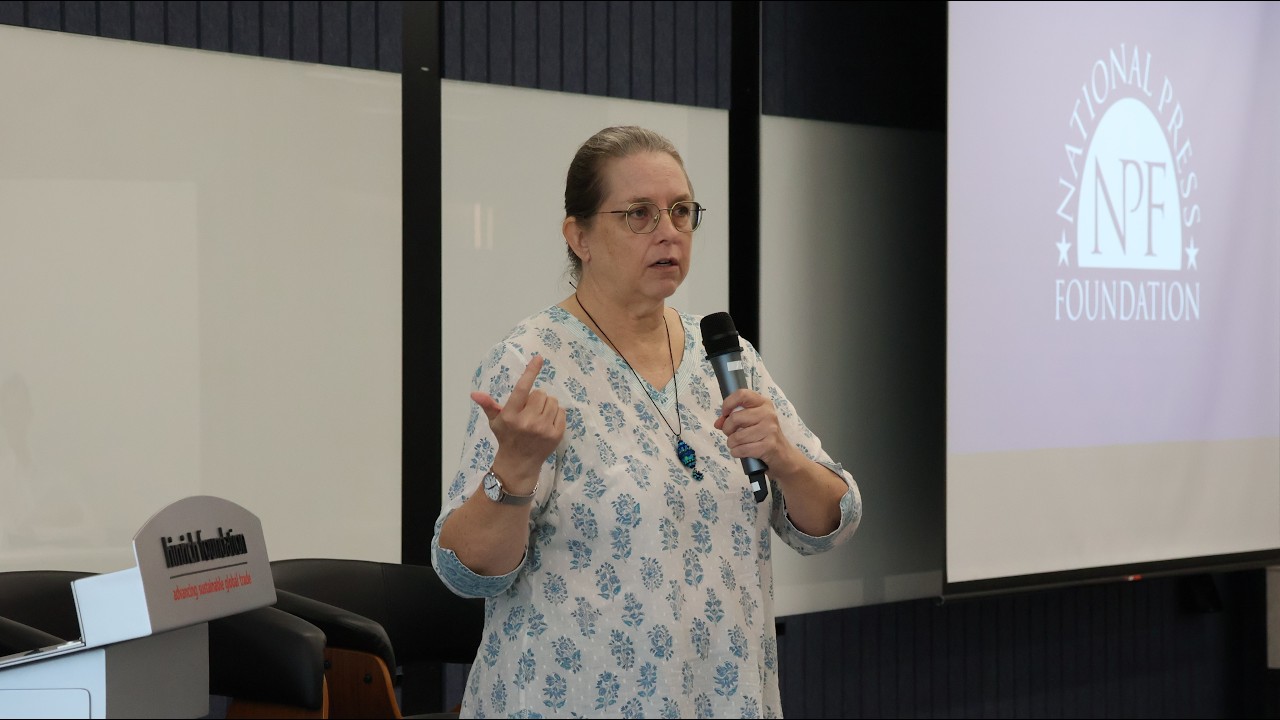
“It was already a contested environment, I would argue. And then, into that contested environment steps the current leader of the country that designed, nurtured, and supported this system for eight decades, with a wrecking ball in one hand,” says Deborah Elms, Head of Trade Policy at the Hinrich Foundation.
For decades, businesses and governments operated in a global trade system shaped by rules-based trade, increasingly integrated economies, and the ability of even small firms to operate internationally. Deborah Elms noted that this environment is now at risk. The World Trade Organization was already struggling to manage consensus among 166 members before the Trump administration added further disruption through tariffs, Section 301 investigations, and trade measures justified on national security grounds.
Elms highlighted how the nature of trade is changing, raising the question of how countries can cooperate to rebuild. Until a new equilibrium emerges, fragmentation will continue to increase costs and complexity for companies, especially small firms and those in open economies. Companies, particularly those in developing markets, must now reassess the markets, suppliers, investment flows, and technology systems needed to operate across borders. Governments are turning to bilateral and regional agreements to reduce risk and uncertainty, although businesses still prefer larger agreements that offer simpler, more consistent rules across markets. Across Southeast Asia, a more fractured trade landscape is creating new opportunities, especially in electronics, but redirected exports, rising protectionism, and diverging digital regulations could make the path ahead more difficult.