
 hinrichfoundation
2h ago
hinrichfoundation
2h ago
▶
Strategic pragmatism in a world of geopolitical minefields | Hinrich Foundation
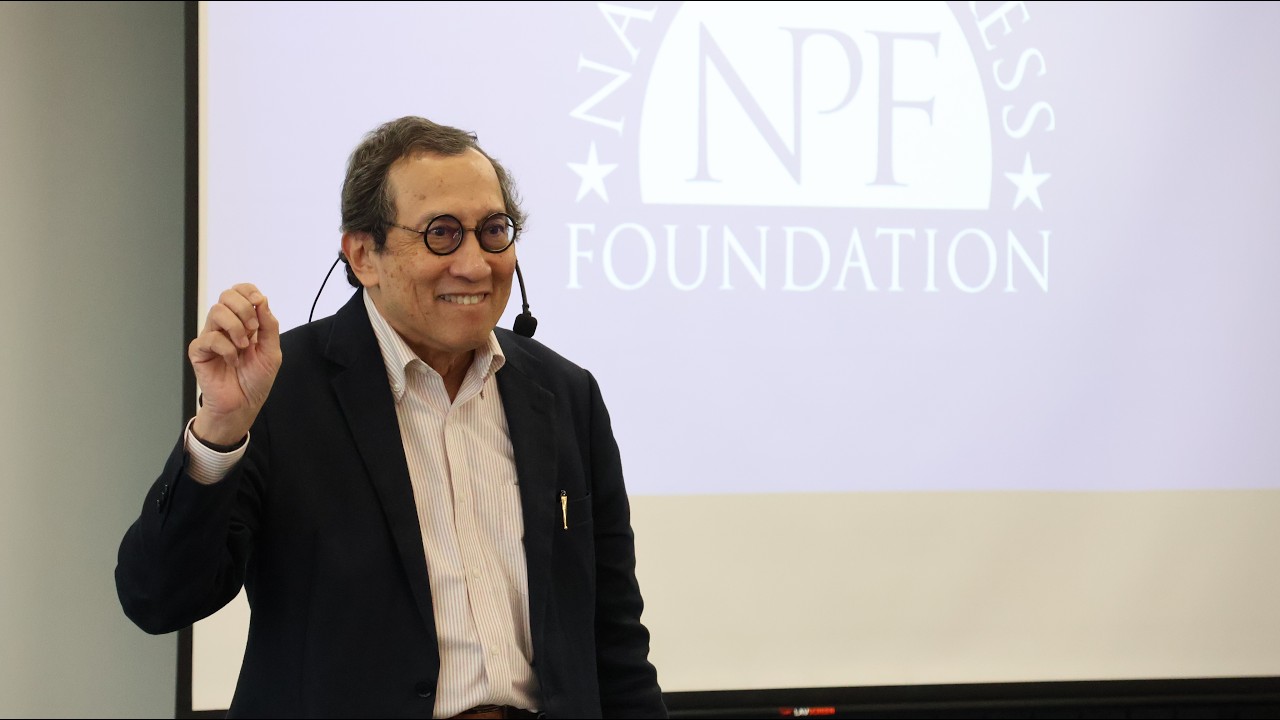
“Every country has two foreign policies and needs two foreign policies: the foreign policy of theology and the foreign policy of diplomacy. We need both, but to confuse them is suicidal,” says Bilahari Kausikan, former Ambassador-at-Large for Singapore.
Geopolitical events rarely emerge out of nowhere, Bilahari Kausikan argued. He warned that focusing too narrowly on the latest crisis, or reducing it to who won and who lost, can obscure the longer processes that produced it. That loss of perspective can lead to overreaction, underreaction, and further policy corrections that add to volatility. The instability seen today, he noted, is not new to the US or the world, but an enduring feature of international relations that must be understood through causes, constraints, and consequences.
Kausikan distinguished between the “theology” of foreign policy and practical diplomacy, arguing that countries need both but cannot afford to confuse them. Talk of a rules-based order may be necessary, but it cannot replace the practical realities of balance, leverage, and national interest. Whether discussing the US-China trade war, the Iran war, or the South China Sea, diplomatic outcomes should be understood as phases in longer contests, not as clean breakthroughs or defeats. That same caution, he stressed, should apply to how countries navigate great-power rivalry: not every decision is a binary choice between one side and the other. What looks like a refusal to choose sides may instead be strategic pragmatism, the ability to weigh each issue on its own terms and act according to national interest.