
 CALP Network
167d ago
CALP Network
167d ago
▶
CVA in the Caribbean: How Helen’s Daughters Safeguarded Choice and Dignity After Hurricane Beryl
Helen’s Daughters works with women farmers across St. Lucia and the Eastern Caribbean – small island states on the frontline of climate shocks. For Executive Director Keithlin Caroo-Afrifa, humanitarian response cannot be separated from local context, history and care. “We are a tiny dot in the global landscape,” she explains, “but agriculture has been the bedrock of our society – and women have always been the unsung heroes within it.”
Women farmers face intense pressure long before a disaster strikes. Alongside farming, many shoulder heavy unpaid care responsibilities, limited social safety nets, and the impacts of climate change. “The day-to-day unpaid care work is humongous,” Keithlin says. “Women are constantly juggling survival, family, and livelihoods.” Helen’s Daughters was built to respond to this reality – designing training, markets and support systems that fit women’s lives rather than forcing women to fit institutions.
That same philosophy shaped the organisation’s response to Hurricane Beryl. In a region where disaster response often means distributing food hampers, Keithlin saw clear limits. “When you look at those hampers, it’s always sugary, starchy foods. It’s not helping – it’s actually harming communities,” she says. More fundamentally, she adds, it removes dignity and choice. “Every household is different. Cash allows people to decide what is best for their household.”
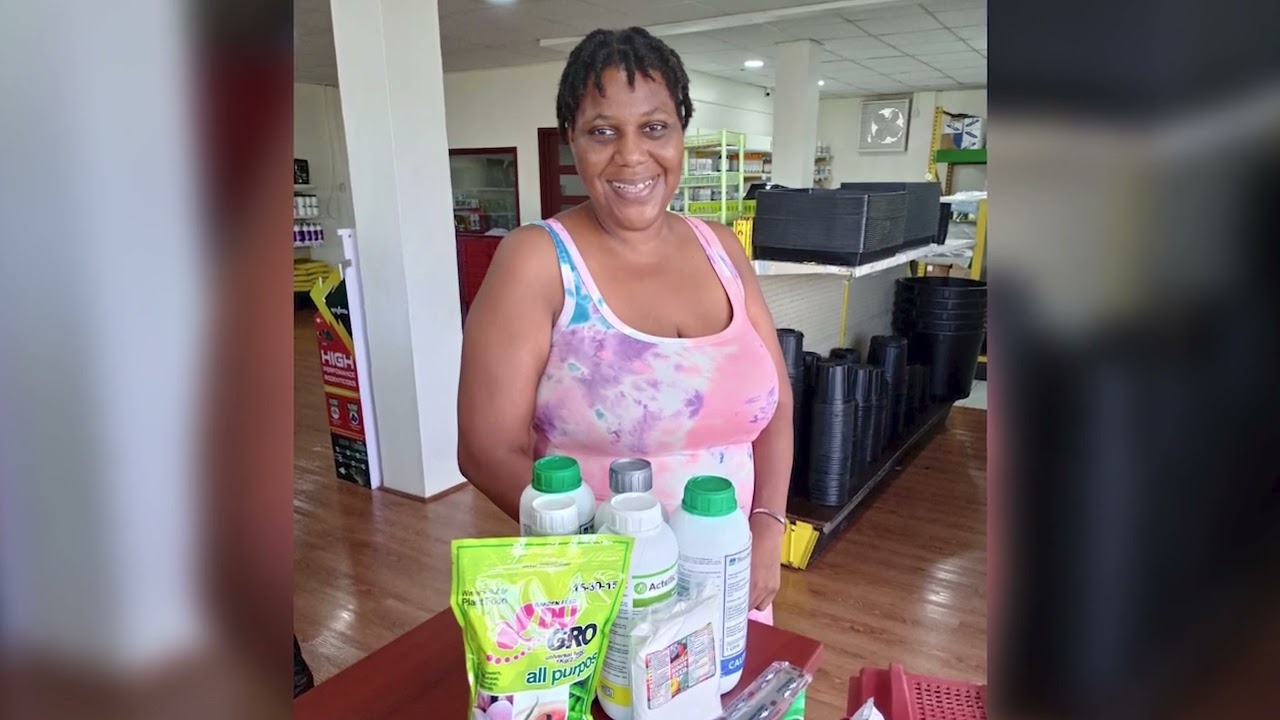
Inspired by CALP training and with donor support, Helen’s Daughters implemented its first major cash and voucher assistance (CVA) response. Over six months, 197 women received support:
49 women received USD 300 each in cash, and
148 women received USD 200 each in vouchers,
prioritising speed, dignity and keeping money within local markets.
The impact was immediate and often surprising. Some women rebuilt farms or bought agricultural inputs. Others used the money for urgent but less visible needs. “Many women used the funds for school materials that were destroyed by floods,” Keithlin explains. “Others had to replace medication that spoiled when power was out for days. These are things you don’t always think about – but cash made space for those choices.”
As a locally led organisation, Helen’s Daughters was able to move faster than national systems. “We know these women by name. We know their families,” says Keithlin. Simple check-ins – “Are you safe? Did you have to evacuate?”– allowed rapid targeting and trust. That trust mattered. “Women were shocked they could receive assistance without having to give anything back,” she reflects. “After a disaster, support should be a basic human right.”
For Keithlin, CVA is not just about recovery – it is about respect and resilience. It has also strengthened Helen’s Daughters’ long-term preparedness, enabling the organisation to plan for future disasters rather than react each time. “Cash and voucher assistance allowed us to be agile,” she says. “It allowed dignity. And it allowed trust.”
In a region facing increasingly frequent and severe climate shocks, Helen’s Daughters shows what locally led, cash-based response can look like when it is rooted in care, community knowledge and women’s leadership – not just helping people survive the next storm, but supporting them to recover on their own terms.