
 CALP Network
167d ago
CALP Network
167d ago
▶
Group Cash Transfers in Uganda: How ZOA is Putting Communities in the Driver’s Seat
Uganda is widely recognised for its open-door refugee policy, hosting people fleeing conflict from across the region. But in places like Kiryandongo Refugee Settlement, the pressure of sharing limited land, water and livelihoods is felt by everyone. “The host community members have become as vulnerable as the refugees themselves,” explains Okwir Joyce Patricia, Deputy Program Manager with ZOA.
ZOA’s response is deliberately inclusive, working with both refugees and host communities on livelihoods, land security, water access and mental health. As part of this overall approach, ZOA has employed the use of a form of cash assistance that Patricia believes is both empowering and practical: Group Cash Transfers (GCTs).
When it comes to Group Cash Transfers, it’s not just about what is funded, but how it’s funded: Groups identify their own priorities, develop simple proposals, and contribute something themselves – cash, labour or materials. “We put them at the driver’s seat,” Patricia says. “They decide what they want to do, and we support them to get there.”
Strong foundations matter. Before any money is transferred, ZOA invests time in clear standard operating procedures, shared openly with local leaders and adapted with their input. “That SOP speaks for you even when you are not there,” Patricia explains. Local authorities, refugee leaders and other organisations are involved in selecting projects, helping to build transparency and trust from the outset.
Cash is transferred into group bank accounts, not individual wallets. Funds are released in phases, linked to workplans, rather than all at once. “When we gave all the money at once, it was difficult,” Patricia reflects. “Breaking it into stages keeps groups motivated and accountable.” Community-based facilitators – people rooted in the settlement – support monitoring and problem-solving, acting as “ears to the ground” in a complex social environment.
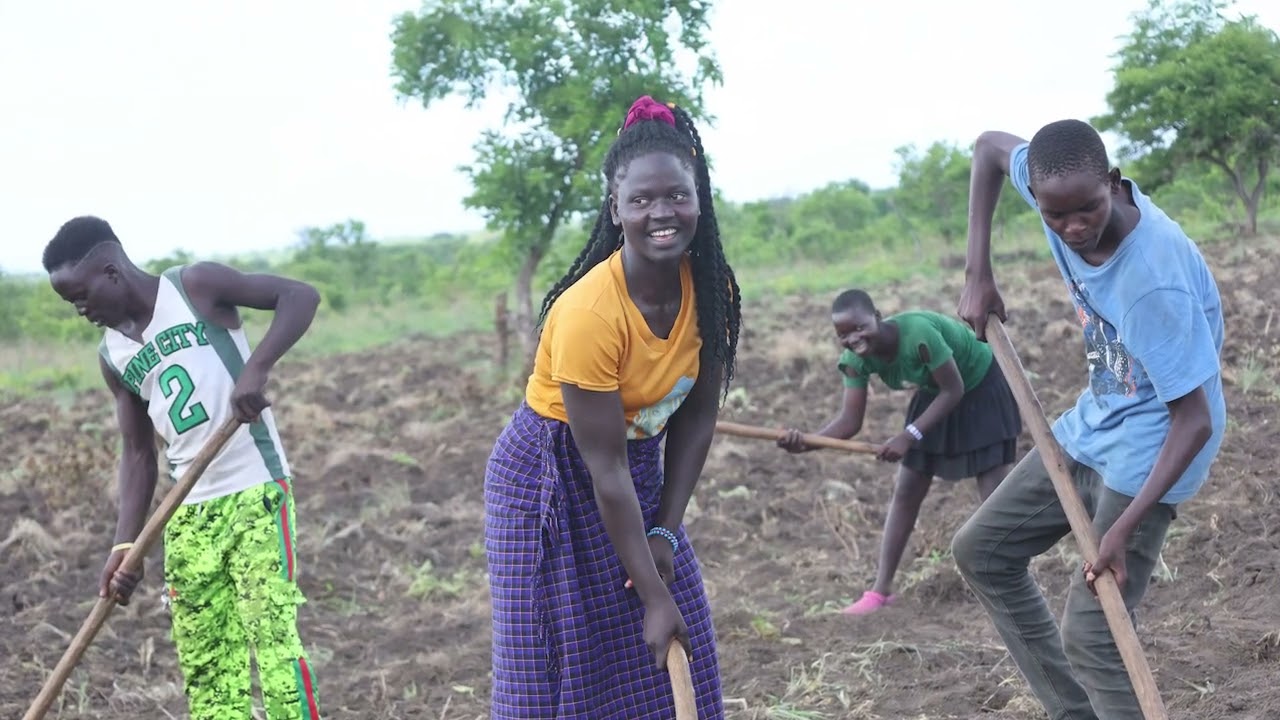
The results are striking. Youth groups have launched farming enterprises alongside music, dance and drama initiatives that actively reduce conflict between refugees and host communities. Women’s groups run catering businesses, soap-making enterprises and poultry projects. In one case, young refugee mothers who were once marginalised now supply food to NGOs working in the settlement. “They moved from being despised to being appreciated,” Patricia says. “Now the community is seeking their help.”
Group Cash Transfers also strengthen social cohesion. Members hold one another accountable, pool skills and share responsibilities. “Someone is good at record-keeping, another at marketing, another at production,” Patricia explains. “They complement each other.” This collective structure reduces misuse of funds and builds confidence – particularly for women and young people.
For Patricia, GCTs address a deeper flaw in humanitarian practice: decision-making that sits too far from affected communities. “We think for people instead of listening to them,” she says. “That’s why you see seedlings drying under a tree.” [Reference to donated seedlings]. By contrast, when communities design their own solutions, projects are used, valued and sustained.
Her message to donors and agencies is clear: “We need to shift power. We need to trust the people we work with.” In Kiryandongo, Group Cash Transfers are proving that when communities lead – and when programmes are designed with care, structure and local insight – cash can do far more than meet needs. It can rebuild dignity, relationships and long-term resilience.