
▶
Scam Centres in Eurasia: Inside the Region's Fastest-Growing Criminal Market
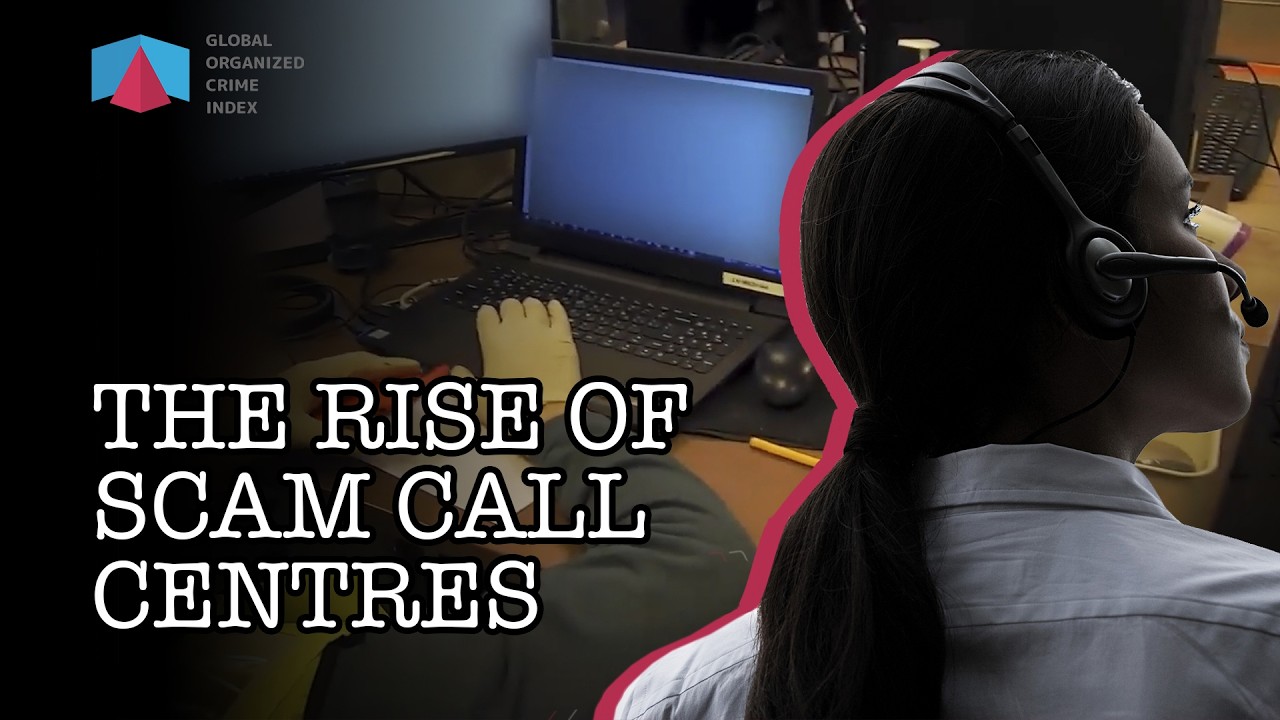
Scam call centres are no longer the work of lone fraudsters — they are sophisticated, hierarchical operations embedded within transnational organized crime networks. In Eurasia, tens of thousands of people are estimated to work in these centres, targeting victims across Europe and beyond, and siphoning money through cryptocurrency mixers, money mules, and shell companies.
In this episode of The Index, Brian Lee, Head of Program for the Observatory of Illicit Economies in Eurasia at GI-TOC, breaks down how these operations are structured, who works in them, and why Eurasia has become a key hub for financial crime. He also explores the geopolitical fault lines that complicate law enforcement cooperation — and what successful cross-border action, like the Milton Group case in Georgia, can teach us.
The Global Organized Crime Index ranks financial crime as the most prevalent and fastest-growing criminal market globally in 2025. As AI and fintech evolve, so too will the scammers who exploit them.
🔗 Explore the Global Organized Crime Index for free: ocindex.net
Chapter markers:
0:00 — Introduction: The anatomy of a scam call and scale of the problem
2:00 — Meet the expert
2:20 — How scam centres are structured and run day-to-day
4:50 — Following the money: banking, crypto, and laundering
6:55 — Who are the targets?
7:35 — Who works in scam centres — and why?
9:03 — Eurasia vs. Southeast Asia: the human trafficking difference
10:30 — Can workers leave? Coercion and criminal control
11:34 — Law enforcement responses and cross-border cooperation
13:08 — Corruption, protection structures, and political enablers
14:50 — Case study: The Milton Group in Georgia
16:45 — Financial crime as the world's fastest-growing criminal market
17:45 — AI, fintech, and the road ahead