
 GFDRR
105d ago
GFDRR
105d ago
▶
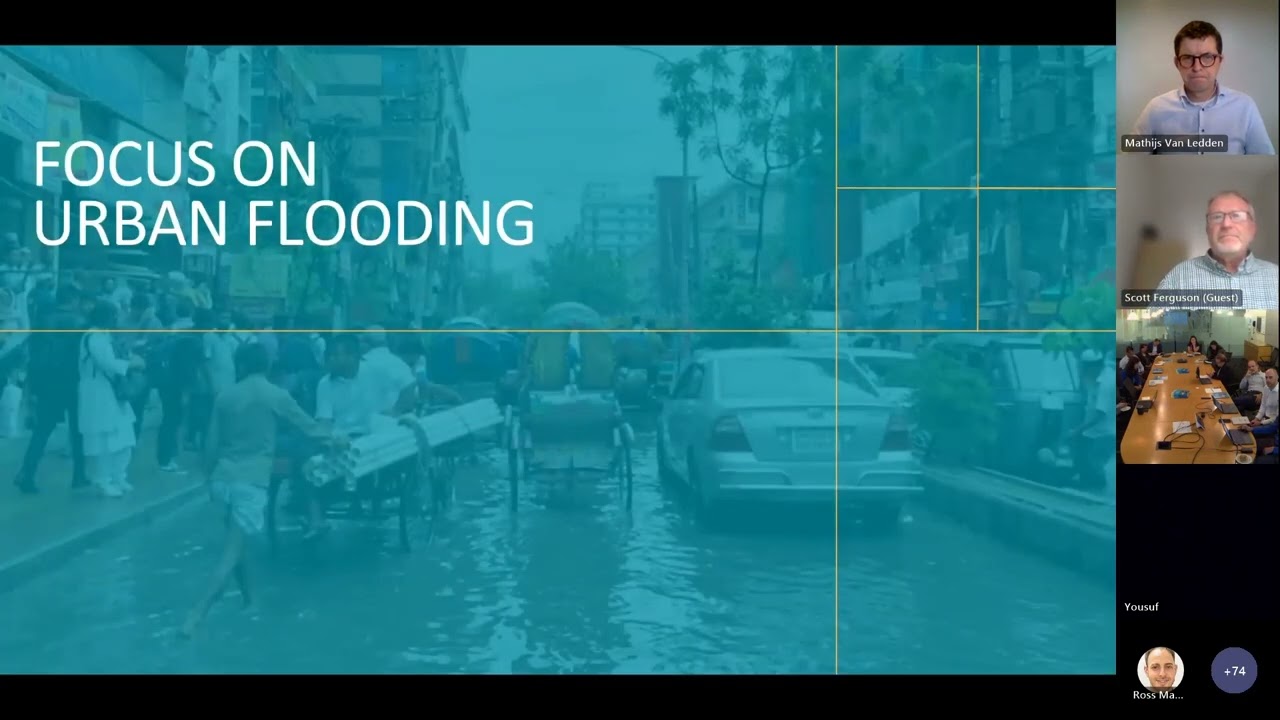
Decoding Urban Flooding: The Urban Flood Risk Handbook and the Framework Agreement for Urban Flood
By 2030, urban exposure to flooding will more than double. By 2050, annual flood losses in 136 major global cities will reach $52 billion, not even accounting for land subsidence or climate change. Torrential rains, overwhelmed drainage systems, and inadequate planning leave cities with more severe, frequent, destructive, and far-reaching inundations affecting communities, infrastructure, and the environment.
To adopt a proactive and holistic approach to mitigate and adapt to urban flooding, cities must first conduct a flood risk assessment – evaluating the likelihood and extent of flooding, the potential impact and consequences, and the potential infrastructure and policy solutions. These assessments are becoming an increasingly significant part of the World Bank’s portfolio, laying the foundation for integrated urban development and flood risk management investment projects.
At this event, we will first launch the Urban Flood Risk Handbook: Assessing Risk and Identifying Interventions, a practical guide that TTLs can refer to for conducting a broad-scale urban flood risk assessment and options appraisal. It is designed for all practitioners, and TTLs will find it especially useful in carrying out assessments. We will then cover the Urban Flood Risk Assessments Framework Agreement, which has been supporting Task Teams around the Bank to ensure that these specialized flood risk assessments are technically robust and deliver the best value for money, and that they are sped through the Procurement process as quickly as possible.
The guidance provided by the Handbook and the Framework will help improve urban flood risk assessments, making rapidly growing cities safer and healthier places for people to live.
ABOUT THE GLOBAL FACILITY FOR DISASTER REDUCTION AND RECOVERY (GFDRR) is a global partnership that helps low- and lower-middle-income countries better understand and reduce their vulnerabilities to natural hazards and adapt to climate change. GFDRR provides grant financing, technical assistance, training and knowledge sharing activities to mainstream disaster and climate risk management in national and regional policies, strategies, and investment plans. The Program Management Unit, located within the World Bank, manages grant resources to carry out GFDRR’s mission. http://www.gfdrr.org
ABOUT THE WORLD BANK GROUP 🌐 The World Bank Group is one of the world’s largest sources of funding and knowledge for low-income countries. Its five institutions share a commitment to reducing poverty, increasing shared prosperity, and promoting sustainable development. http://www.worldbank.org