
▶
Mechanized Rice Straw Composting
Rice straw burning remains a major post-harvest challenge driven by limited labor, difficulties in straw collection, short planting intervals, and low awareness of sustainable straw management practices. Open burning releases greenhouse gases and air pollutants that contribute to climate change and environmental degradation. However, rice straw contains valuable nutrients such as potassium, nitrogen, and phosphorus, which can be recycled back into agricultural systems through composting. The composting process can also be mechanized through the use of machinery, improving both production efficiency and compost quality.
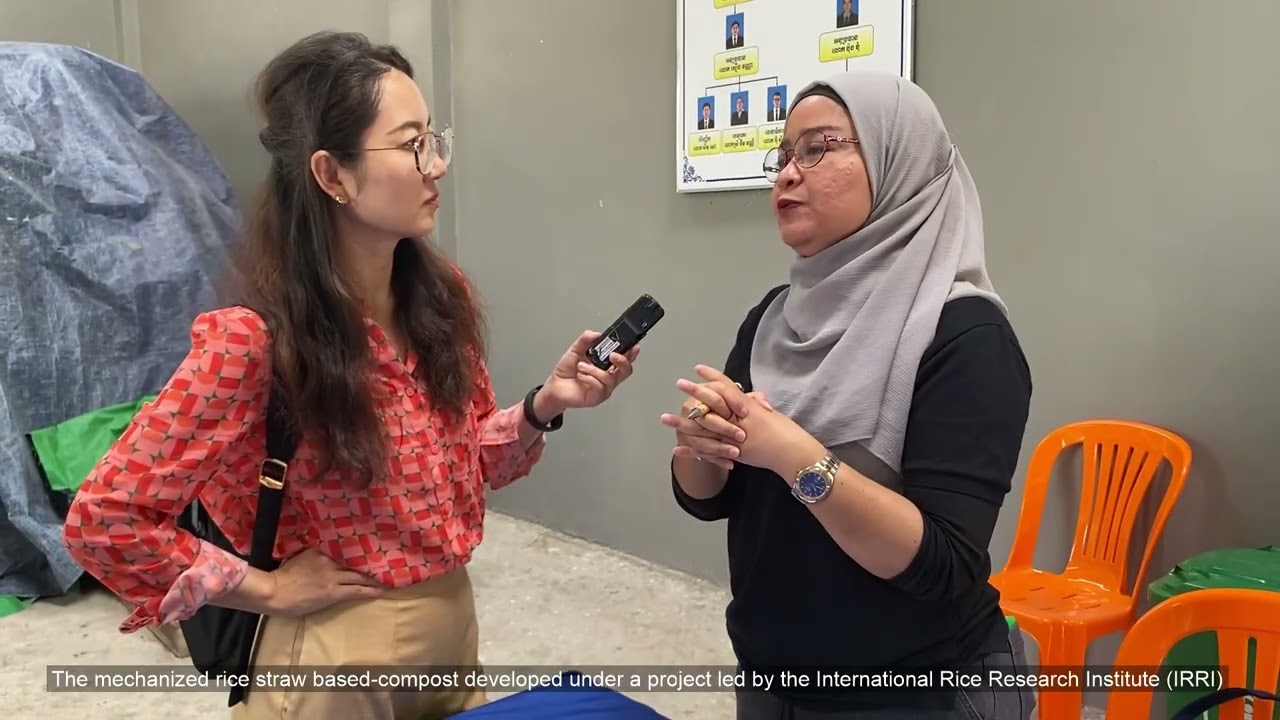
This video provides a step-by-step guide to the mechanized production of rice straw-based compost as a sustainable climate change mitigation practice that reduces reliance on chemical inputs, lowers emissions, and promotes resource-efficient agriculture.