
 ICRICT
127d ago
ICRICT
127d ago
▶
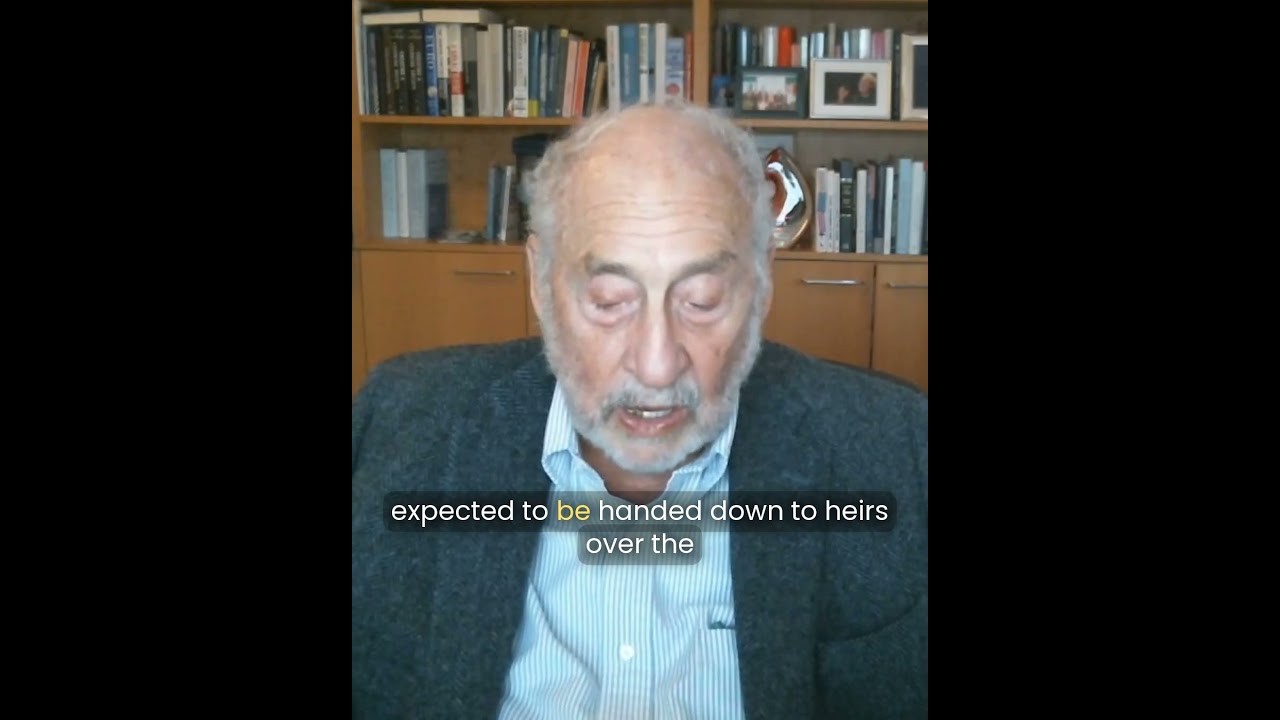
Stiglitz at the “Inequality, Time To Act” 20 Feb 2026
🚨Alert🚨
The wealth gap is no abstraction.
The 1% took 41% of all new wealth since 2000. The bottom 50% got just 1%.
At the conference “Inequality, Time To Act”, organized by the president of Spain, @pedrosanchez, our co-chair Joseph Stiglitz explained that “a recent analysis tracking wealth creation since the year 2000 reveals a stark reality about our global economy”:
💰 The Extreme Concentration: The richest 1% have captured 41% of all the new wealth created this century. To put that in perspective, their average wealth increased by US$1.3 million per person.
📉 Meanwhile: The bottom 50% of humanity—billions of people—saw their wealth increase by just 1%. That amounts to just US$585 per person over 25 years.
On the third quarter of 2025, the U.S. Federal Reserve reported that the net worth of the top 1% climbed to 32% of the total—a record high since they began tracking this data in 1989. Nearly one-third of all household wealth in the largest economy in the world is now controlled by 1% of its people.
We are transitioning into an inherited plutocracy system. Over the next ten years, an estimated $70 trillion (yes, trillion with a big T) is expected to be passed down to heirs. This isn’t wealth earned through innovation or labor; it is wealth accumulated through legacy, cementing power for generations.
Solutions to rein in this wealth concentration exist:
🔹A global minimum tax of at least 25% on multinational corporations
🔹A coordinated minimum tax on billionaires equivalent to at least 2% of their net worth
🔹A Global Asset Registry (#GAR) to identify the true owners of companies and close the loopholes that allow extreme wealth to evade all accountability
And this year, the expected creation of an Intergovernmental Panel on Inequality at the UN, a new body to track, analyze, and guide global action on inequality, much like the @IPCC does for climate.
These numbers aren't just statistics. They are an X-ray of power dynamics that triggers one existential question: Will democracy govern capitalism — or be consumed by it?