
 UNDP Indonesia
193d ago
UNDP Indonesia
193d ago
▶
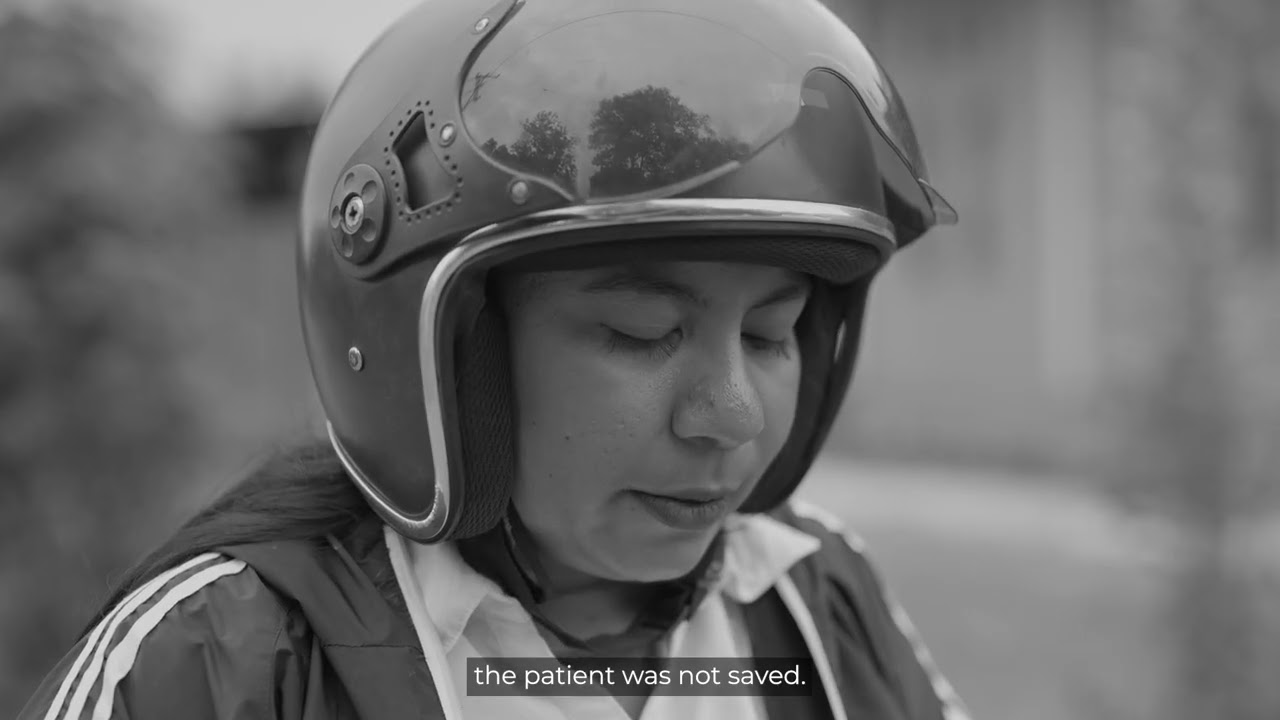
How SMILE Strengthens Sumba’s Fight Against Mosquito-Borne Diseases
🦟Mosquito-borne diseases remain a major public health challenge in Indonesia. Malaria continues to affect eastern regions such as Papua and East Nusa Tenggara (NTT), where in 2022 more than 15,800 cases were recorded—84% of them on Sumba Island. Lymphatic filariasis (elephantiasis) has left over 10,000 people with chronic disability and stigma, while dengue cases keep rising, with more than 89,000 cases and over 300 deaths reported by mid-2025, particularly in densely populated provinces in Java.
These realities underscore a simple truth: timely and accurate health logistics save lives. Any delay in getting medicines and diagnostics to the field puts vulnerable communities at greater risk. To strengthen this system, with support from GAVI and the Global Fund, UNDP and the Ministry of Health developed SMILE (Sistem Monitoring Inventaris Logistik Kesehatan secara Elektronik), a digital platform that boosts transparency and ensures life-saving supplies reach those who need them most.
UNDP and WHO have also supported Indonesia in shaping its National Action Plan for Dengue Control 2026–2030—an important step toward achieving zero dengue deaths by 2030. Through digital innovations like SMILE and strong national strategies, Indonesia is building a more resilient health system and safeguarding millions from mosquito-borne diseases.
#SMILE #DigitalHealth #UNDP #KemenkesRI #WHO #EndMalaria2030 #EndDengueDeath2030