
 World Council of Churches
81d ago
World Council of Churches
81d ago
▶
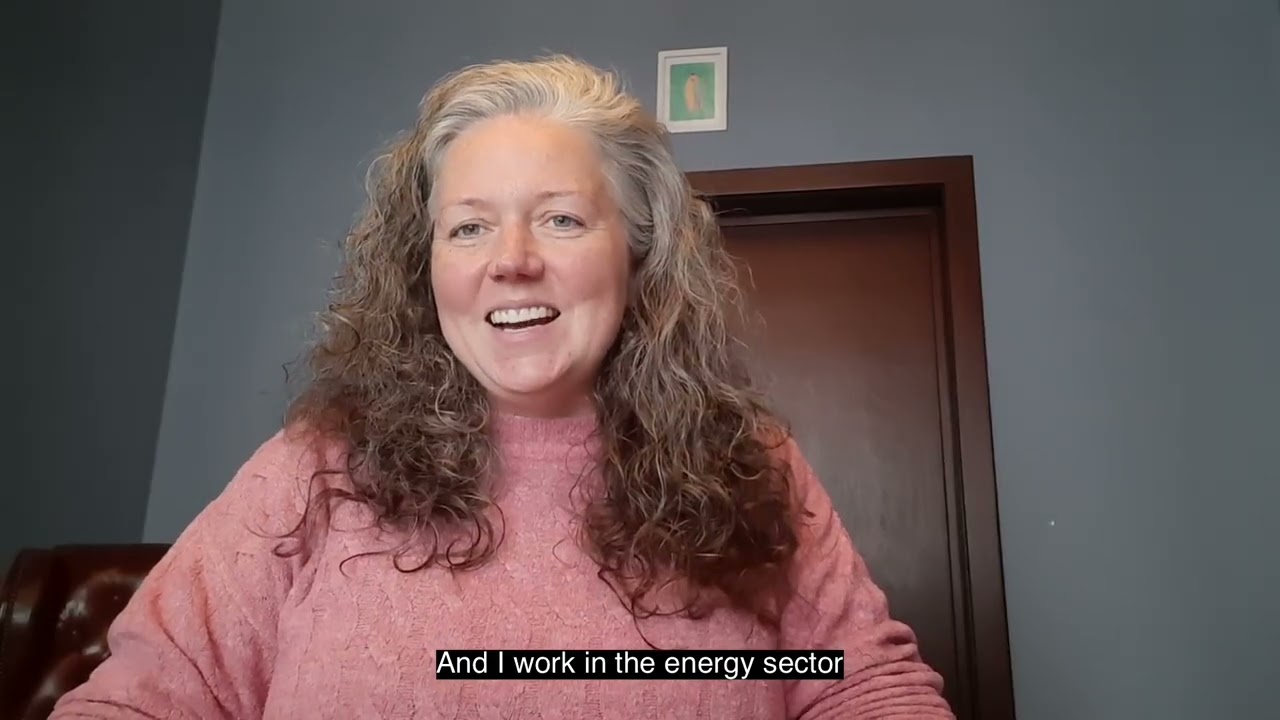
Our critical infrastructure is dangerously unprotected
“There's really a significant gap in the legal mechanisms and in the policies and in the ability to respond to these kind of attacks on critical infrastructure and I think that we will see this increasingly, for example, we saw the cutting of cables in the North Sea and the Baltic Seas. I think increasingly the shape of war will look more and more like this.” – Dr Erin Green
Our critical infrastructure is dangerously unprotected: Dr Erin Green, a theologian, communicator and digital justice researcher with two decades of focus on AI, offers two observations on AI's challenges today. First, she notes a growing popular backlash against generative AI — people find it unsatisfying, addictive, and disruptive to work and mental health — a concern that echoes her original motivation for studying digital technology: that it too often fails to support genuine human flourishing. Her second, more urgent point concerns AI and critical infrastructure. Drawing on her current work in Belgium's energy sector, she highlights AI's dual role: it can improve grid stability and renewable energy forecasting, but it also makes energy and telecoms systems more attractive and accessible as targets for digital warfare. She points to attacks on Ukraine and Moldova's energy infrastructure as examples of a growing trend — AI-enabled malware, autonomous target selection, and lowered barriers to cyberattack. Her central concern is a serious legal gap: international humanitarian law is poorly equipped to protect civilian infrastructure from AI-driven attacks.
-------
The WCC is a worldwide fellowship of churches seeking unity in common witness and Christian service. For more information go to https://www.oikoumene.org
Follow WCC on Social Media:
Facebook: https://www.facebook.com/worldcouncilofchurches
Instagram: https://www.instagram.com/worldcouncilofchurches
Twitter: https://twitter.com/oikoumene