
 The Soil Association Videos
77d ago
The Soil Association Videos
77d ago
▶
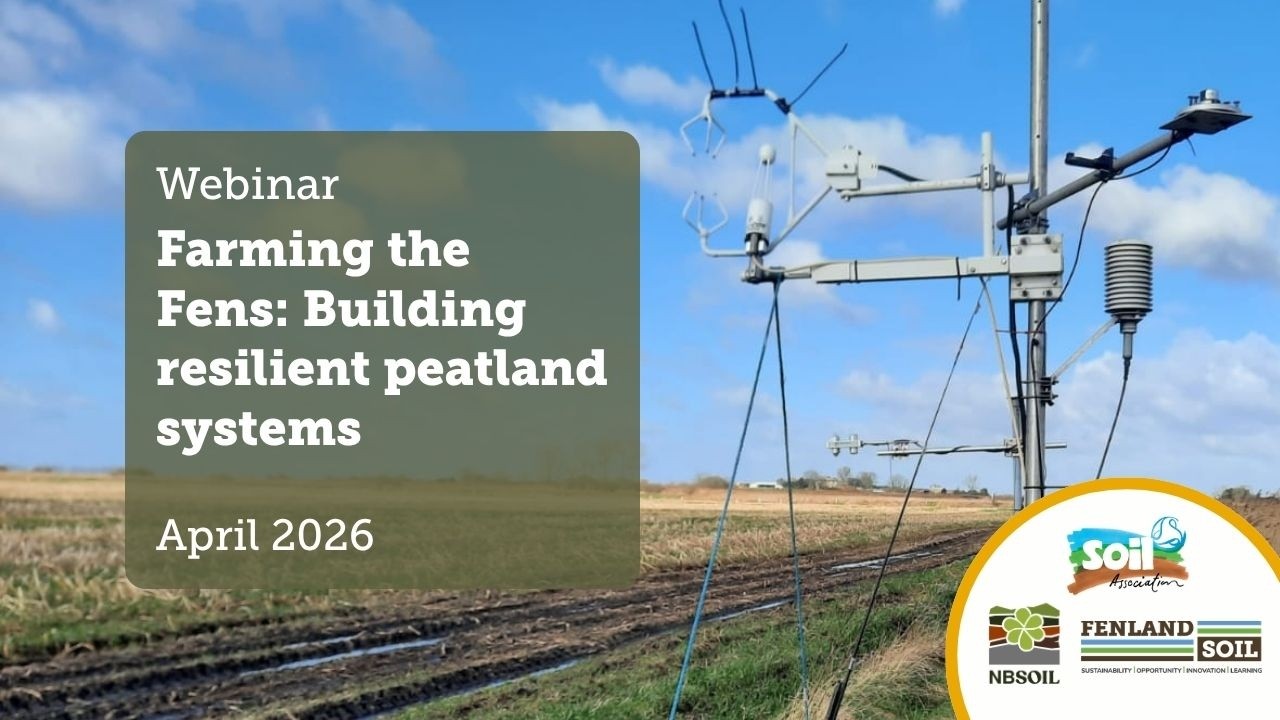
Farming the Fens: Building resilient peatland systems
Lowland peat soils support some of the most productive farming systems in the country but are also responsible for a significant proportion of agricultural greenhouse gas emissions. Farmers working these soils face growing pressure to reduce emissions and restore peat, while maintaining profitable food production.
This webinar explores how landscape opportunity mapping can support climate positive decisions on lowland peat. It shares new evidence from paludiculture and raised water table trials, including what these approaches mean for yields and carbon emissions. You’ll also hear insights from flux tower research showing how regenerative practices are influencing carbon dynamics across commercial peatland farms. Finally, the session brings together practical experiences from growers trialling sub irrigation, water table management and regenerative approaches at scale, helping to shape a more sustainable and resilient future for farming on the Fens.
Join our speakers:
- Christian Kielinger, Project Manager – Fenland SOIL
- Callum Bennett, Technical and Innovation Manager – G's Norfolk
- Lucy Harler, Future Farming Manager – G's Fresh
Recorded in April 2026
This webinar was a collaboration between Soil Association, Fenland SOIL and NBSOIL.
This webinar is part of our ground-breaking Farm to Fork Partnership between Ocado Retail and Soil Association which has been established to help transform the way we eat, farm and care for our natural world. Find more Soil Association events here: www.soilassociation.org/farmers-growers/farming-events
Fenland SOIL was set up in 2021 by the Cambridgeshire and Peterborough Combined Authority’s Independent Commission on Climate with a team of dedicated farmers at its core to tackle climate issues relating to agriculture and peat in the Fens. We are a not-for-profit members organisation that aims to inform and develop ‘whole farm’ land use policies, aimed at achieving climate change mitigation and biodiversity enhancement in the fens, and to help establish an agreed set of numbers for GHG emissions for deep, shallow and wasted peat soils.
NBSOIL is a Soil Mission Horizon project training new advisers in deploying six rigorously-tested nature-based methods – paludiculture, blue-green infrastructure, cover crops, organic fertiliser, bioremediation and forest diversification – to address critical soil threats. Explore free educational resources via the NBSOIL academy here: https://nbsoil.eu/soil-academy/