
 OPCW
52d ago
OPCW
52d ago
▶
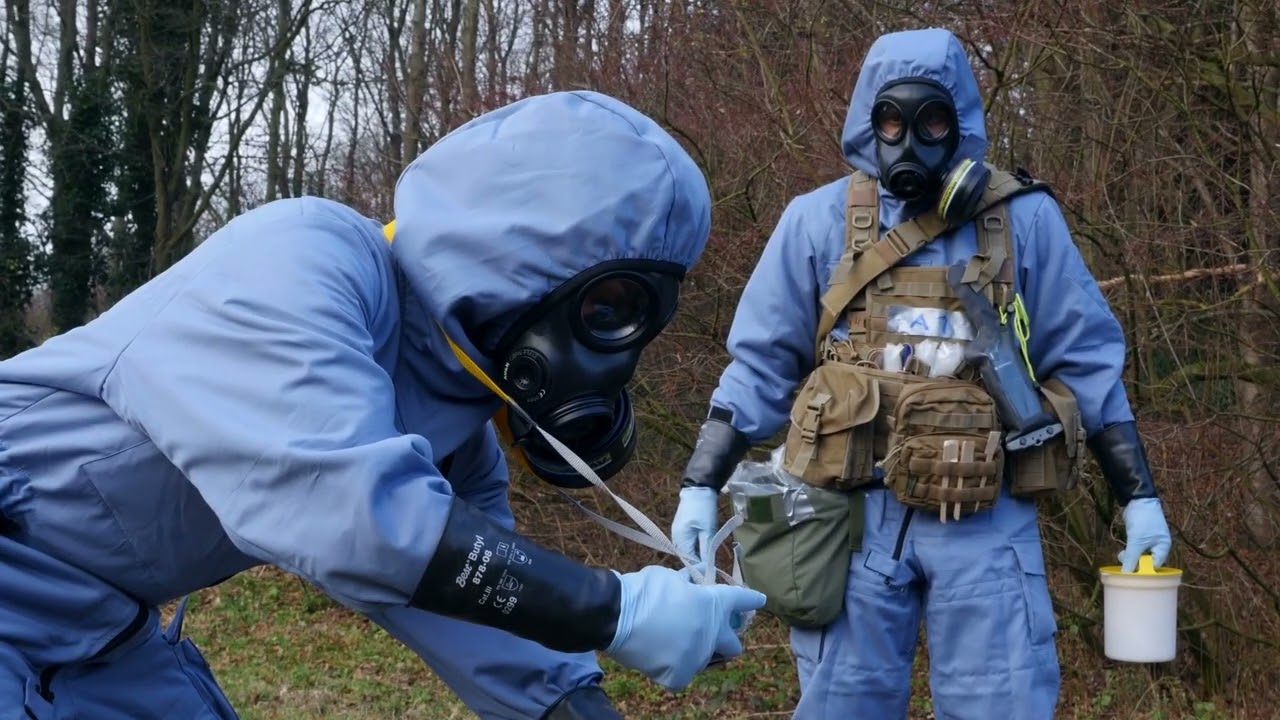
How does the OPCW collect samples during inspections?
Learn about OPCW collects samples during inspection and investigations for chemical analysis.
The OPCW is the Organisation for the Prohibition of Chemical Weapons. With 193 Member States and a Technical Secretariat, the OPCW is responsible for implementing the Chemical Weapons Convention.
Learn more: https://www.opcw.org/
Chemical Weapons Convention – https://www.opcw.org/chemical-weapons...
What's in this video:
00:00 – Intro – OPCW collects samples during inspections and investigations
00:05 – Using detection equipment to confirm presence and sampling location
00:11 – Inspection team splits into defined roles
00:15 – Sample collection by designated inspector
00:17 – Documentation by other inspectors (notes and photos)
00:21 – Types of samples that can reveal the facts
00:24 – Liquids, solids, surface wipes, biomedical samples, and objects
00:29 – Strict chain of custody procedures followed
00:32 – Scenes logged and photographed for traceability
00:35 – Tamper detection before lab analysis
00:42 – Conclusion – Sample collection supports a world free of chemical weapons
________________________________________
VIDEO TRANSCRIPT
The OPCW collects samples during inspection and investigations for chemical analysis.
First, inspectors use detection equipment to determine if a chemical agent is present and where to take a sample.
Once the location is confirmed, the team splits into roles.
One inspector collects the sample directly.
Other inspectors record the process with notes and photos.
Samples can be anything that helps reveal the facts.
Liquids, solids, wipes from surfaces, biomedical samples, or even whole objects.
Every step follows strict chain of custody procedures.
Each scene is logged and photographed, ensuring traceability.
If a sample is tampered with before reaching the lab, OPCW will detect it and the sample won't be used.
Through careful collection, OPCW inspectors help uncover the facts and keep the world safe from chemical weapons.