
 OPCW
74d ago
OPCW
74d ago
▶
The two types of OPCW inspections
Learn about the two types of OPCW inspections: Routine and Non-routine.
The OPCW is the Organisation for the Prohibition of Chemical Weapons. With 193 Member States and a Technical Secretariat, the OPCW is responsible for implementing the Chemical Weapons Convention.
Learn more: https://www.opcw.org/
Chemical Weapons Convention – https://www.opcw.org/chemical-weapons-convention
What’s in this video:
00:00 – Intro – What are the two types of OPCW inspections?
00:03 – Routine inspections: What they are
00:21 – Destruction of declared stockpiles completed in 2023
00:26 – Verifying destruction, storage, and closure of CWPFs
00:36 – Preparedness to resume verification if needed
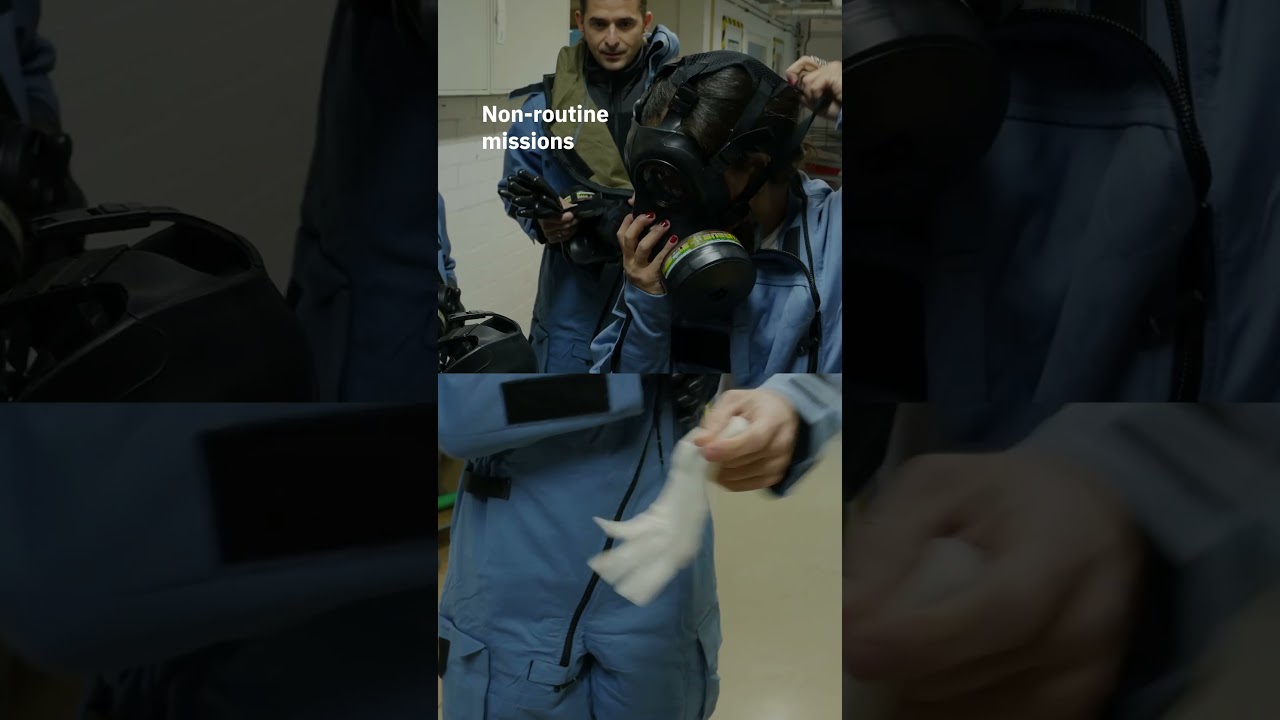
00:39 – Non-routine missions
00:47 – Fact-finding focus of non-routine missions
01:02 – OPCW inspectors: trained and mission-ready to support a world free of chemical weapons
________________________________________
VIDEO TRANSCRIPT
There are two types of OPCW inspections. What’s the difference?
Routine inspections are planned and ensure compliance with the Chemical Weapons Convention. Inspectors verify what Member States have declared. They check how scheduled chemicals are being used, activities at chemical production facilities, and the storage and destruction of old and abandoned chemical weapons.
Until the destruction of stockpiled and declared chemical weapons was completed in 2023, inspectors also checked the destruction of chemical weapons, the storage of chemical weapons stockpiles, and the closure or conversion of chemical weapons production facilities. They are prepared to do this again whenever necessary.
Non-routine missions are launched in response to a specific situation, like a potential chemical weapons threat or suspected use. These missions focus on facts. Was a chemical weapon used? What kind? They include technical assistance visits, investigations of alleged use, and challenge inspections.
If mandated by Member States, OPCW can help determine responsibility. Whether routine or non-routine, OPCW inspectors are trained, equipped, and mission-ready to support a world free of chemical weapons.