
 OceanCare
91d ago
OceanCare
91d ago
▶
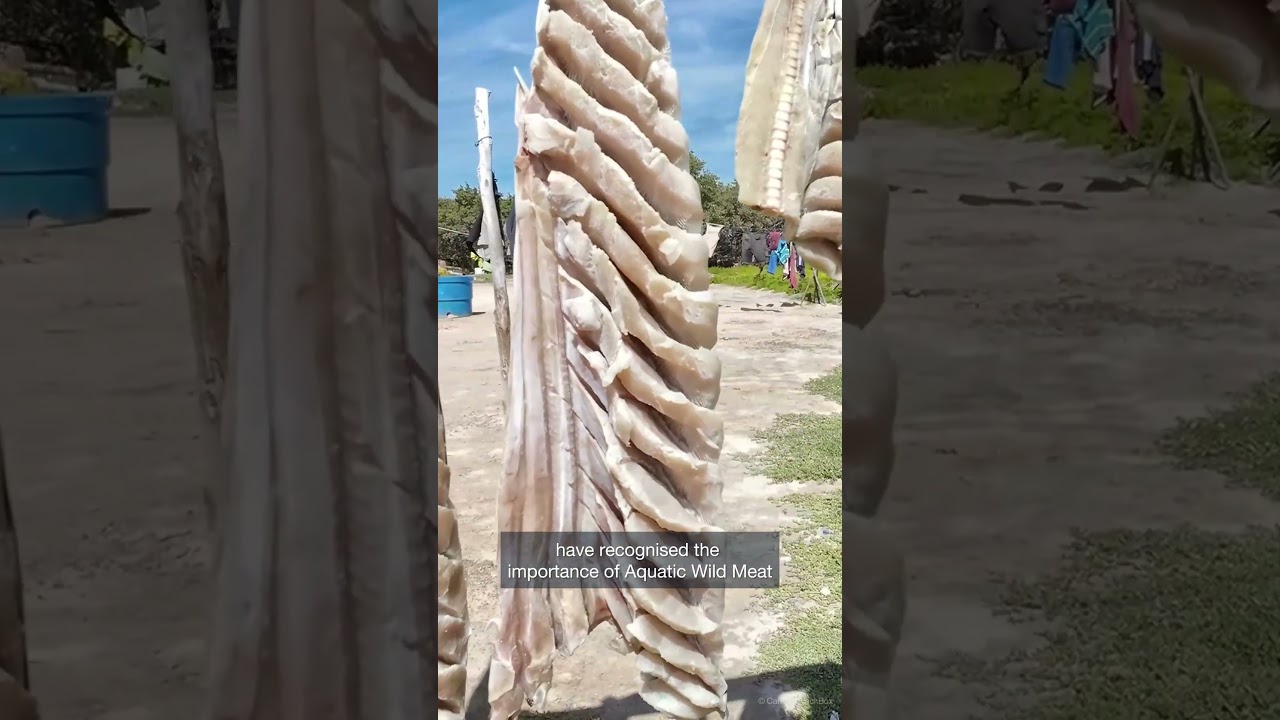
CMS COP15, Campo Grande, Brazil: Parties agreed on Aquatic Wild Meat workstream
At COP15 on the Conservation of Migratory Species of Wild Animals (CMS) in Campo Grande, Brazil, one of the most underreported threats to migratory marine species moved firmly onto the international agenda: the exploitation of vulnerable species through direct takes as a food source, known as “Aquatic Wild Meat”.The harvest and consumption of dolphins, sea turtles, migratory fish, and other protected marine species is contributing to biodiversity loss on a scale that demands coordinated international action. ⚠️
At #CMSCOP15, Parties agreed on the terms of reference for the Aquatic Wild Meat workstream for the next three years, with governments urged to strengthen data collection, improve national regulations, enhance international cooperation, and support coastal communities in transitioning to sustainable livelihoods.
OceanCare has worked on this issue for years, closely alongside our partner the Benin Environment and Education Society (BEES) and West African coastal states. We welcome the continued commitment to this workstream and we know from direct experience that addressing Aquatic Wild Meat requires honest engagement with the communities involved in addition to regulatory frameworks. With nearly half of the world's migratory species in decline, implementation is what matters now. 🌊
#AquaticWildMeat #OceanConservation #MigratorySpecies