
 RIFS Potsdam
159d ago
RIFS Potsdam
159d ago
▶
Superconducting Cables for Sustainable Energy Transition
We all know Europe needs more clean energy – so what’s holding renewables back? Part of the challenge is that it actually takes longer to connect renewable energy than to build it. However, that’s where the new technology developed in the Scarlet project comes in.
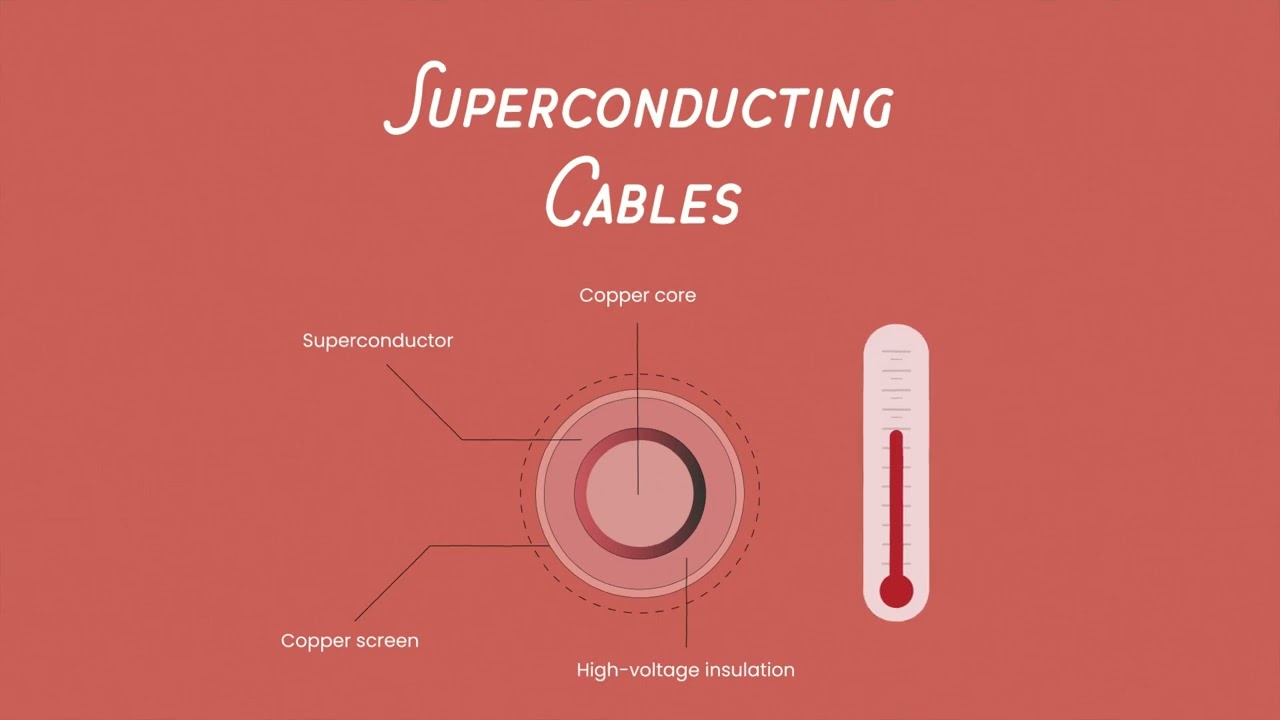
Superconducting cables can transmit electricity with zero losses, use 90% less copper, and can deliver gigawatt-level power in a much smaller footprint.
This means they can help expand the grid faster, cheaper, and more sustainably.
Watch the video to see how the partners in the SCARLET project are reshaping Europe’s energy future!
The EU project SCARLET (“Superconducting cables for sustainable energy transition”) develops and industrially manufactures superconducting cable systems at the gigawatt level, bringing them to the last qualification step before a commercial installation. The promise of superconducting cables lies in their high efficiency, compact size, and reduced environmental impact, which helps to overcome challenges posed by overhead lines and conventional cables. SCARLET investigates the whole range of effects of superconducting cables, as their properties open the door for cost savings beyond the cables themselves.
The SCARLET project has received funding from the European Union's Horizon Europe research and innovation programme under grant agreement No. 101075602.
Consortium members: SINTEF, Research Institute for Sustainability (RIFS), WavEC Offshore Renewables, Institute of Electrical Engineering Slovak Academy of Sciences (IEE SAS), University of Bologna (UNIBO), Absolut System, ESPCI Paris – PSL, SuperGrid Institute, RSE – Ricerca sul Sistema Energetico S.p.A., RINA Consulting, SuperNode, Vision Electric Super Conductors (VESC), ASG Superconductors, Nexans