
▶
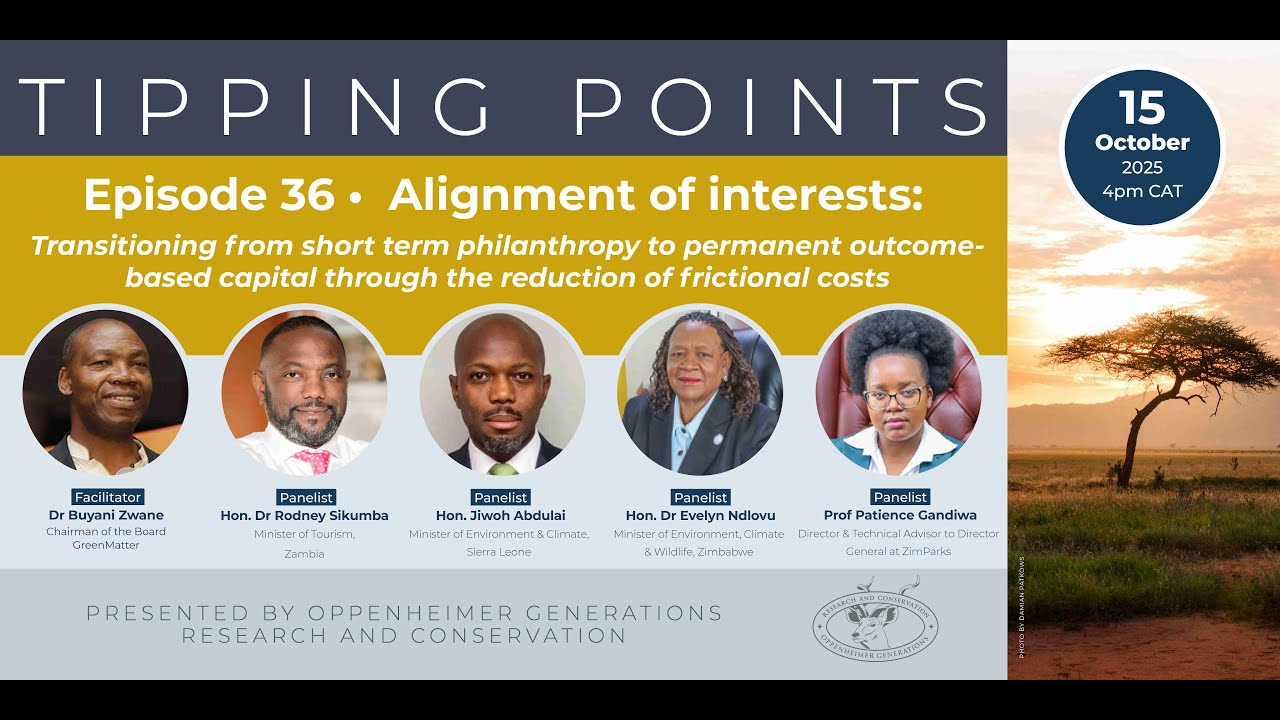
Tipping Points 36 - Alignment of interests
Alignment of interests: Transitioning from short-term philanthropy to permanent outcome-based capital through the reduction of frictional costs
Environmental initiatives remain overly dependent on an altogether small pool of public and philanthropic capital, which often exists at the behest of short-term interests and political cycles. This has resulted in a substantial gap between the global environmental funding needs and actual commitments - a $800 billion nature finance gap, to be precise.
After 40 years of efforts to generate “innovative finance” and “market-based solutions,” starting with debt-for-nature swaps in the 1980s, governments still provide over 80% of nature funding, and private sources contribute less than 20%.
The UN Environment Program’s State of Finance for Nature 2023 (UNEP Report) found similar percentages based on estimates of investments in nature-based solutions (the definition of which differs somewhat from the definition of nature funding in the Paulson Report). The UNEP Report estimates that public sources provided 82% of funding for nature-based solutions, while the private for-profit sector provided 16% and philanthropy provided 2%.
Therefore, to establish a sustainable and long-term financing environment that fills this gap, it is essential to reform key frameworks, enabling scientists, policymakers, leaders, and capital providers —public and private—to collaborate effectively in addressing the considerable challenges ahead.
Panel:
Dr Buyani Zwane (Facilitator)
Hon. Dr Rodney Sikumba
Hon. Jiwoh Abdulai
Hon. Dr Evelyn Ndlovu
Prof Patience Gandiwa