
 WFP West Africa
82d ago
WFP West Africa
82d ago
▶
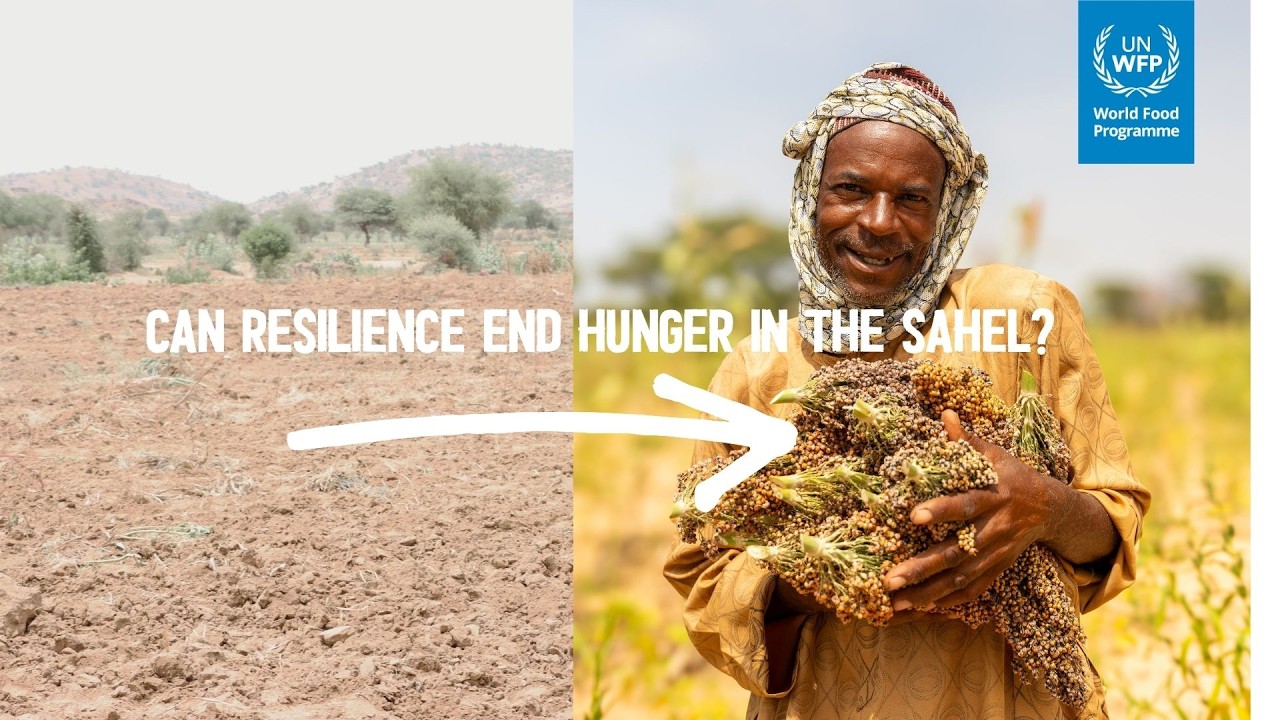
From emergency response to lasting solutions in the fight against hunger | WFP Sahel Resilience
Across the Sahel and other vulnerable regions of West Africa, millions of people face severe food insecurity and malnutrition. Climate shocks, land degradation, unemployment, and insecurity continue to drive humanitarian needs.
The World Food Programme (WFP) provides life-saving food and cash assistance so families can survive today. But survival is only the first step.
Through its Integrated Resilience Programme, WFP works hand in hand with communities, governments, and partners to address the root causes of hunger. From restoring degraded land and improving soil health to strengthening local food systems and creating jobs, this holistic approach helps communities grow more food, even in harsh climates.
The results are transformative.
Since 2018, integrated resilience efforts have helped reduce humanitarian needs significantly. In Niger alone, 80% of people supported by WFP in highly food-insecure areas did not require emergency assistance during recent lean seasons, representing around 400,000 people in 2024.
Beyond food security, these investments:
Strengthen social cohesion
Empower women
Create opportunities for youth
Reduce negative coping strategies like seasonal migration
With the right support, communities can move from vulnerability to self-reliance—building a future free from hunger.
Learn more about WFP’s resilience worki n the Sahel:https://www.wfp.org/publications/integrated-resilience-sahel