
 OECD SMEs, Regions and Cities
140d ago
OECD SMEs, Regions and Cities
140d ago
▶
Sugarloaf: from a local cable car to a global attraction
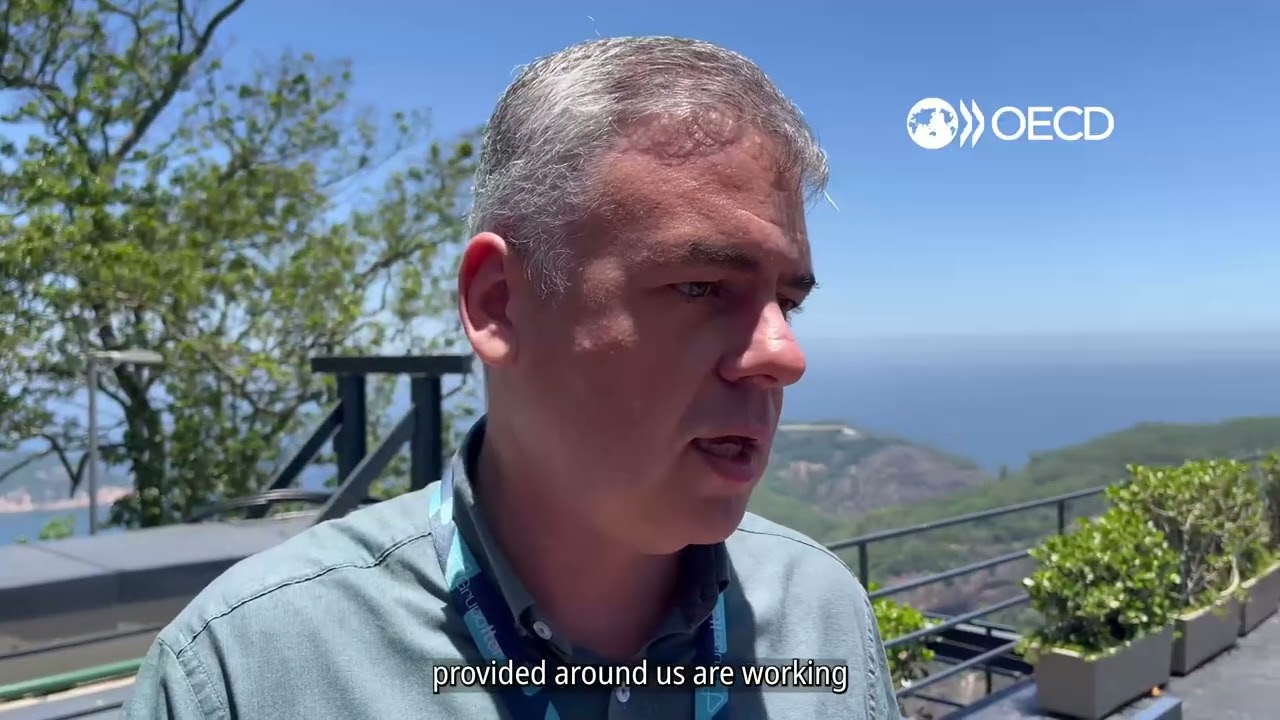
On our recent trip to Rio De Janeiro, Brazil for the OECD Rural Development Conference, we met with Paulo Gontijo, the Director of Institutional Relations at Iter Group, the company managing the iconic cable cars and tourism site of Sugarloaf Mountain.
In this interview, Paulo gave us a behind the scenes tour of how the attraction functions along with a remarkable history of how this site put Rio de Janeiro on the global tourism map.
Touching on key OECD policy themes such as governance, data management, and sustainability, Paulo gave us an insight into:
🔹 Using real-time data to manage visitor flows
🔹 Coordinating with public authorities on transport, security, and public services
🔹 Restoring ecosystems through reforestation and biodiversity protection
Embedding the benefits of touristic sites into local neighbourhoods, schools, museums, and universities
As Paulo makes clear, tourism is an ecosystem business. Without healthy environmental, social, and institutional systems, tourism cannot thrive and deliver long-term value to people, places, and firms.
Visit our website: www.oecd.org/cfe
Follow us on Twitter: @OECD_local