
 UN Environment Programme
132d ago
UN Environment Programme
132d ago
▶
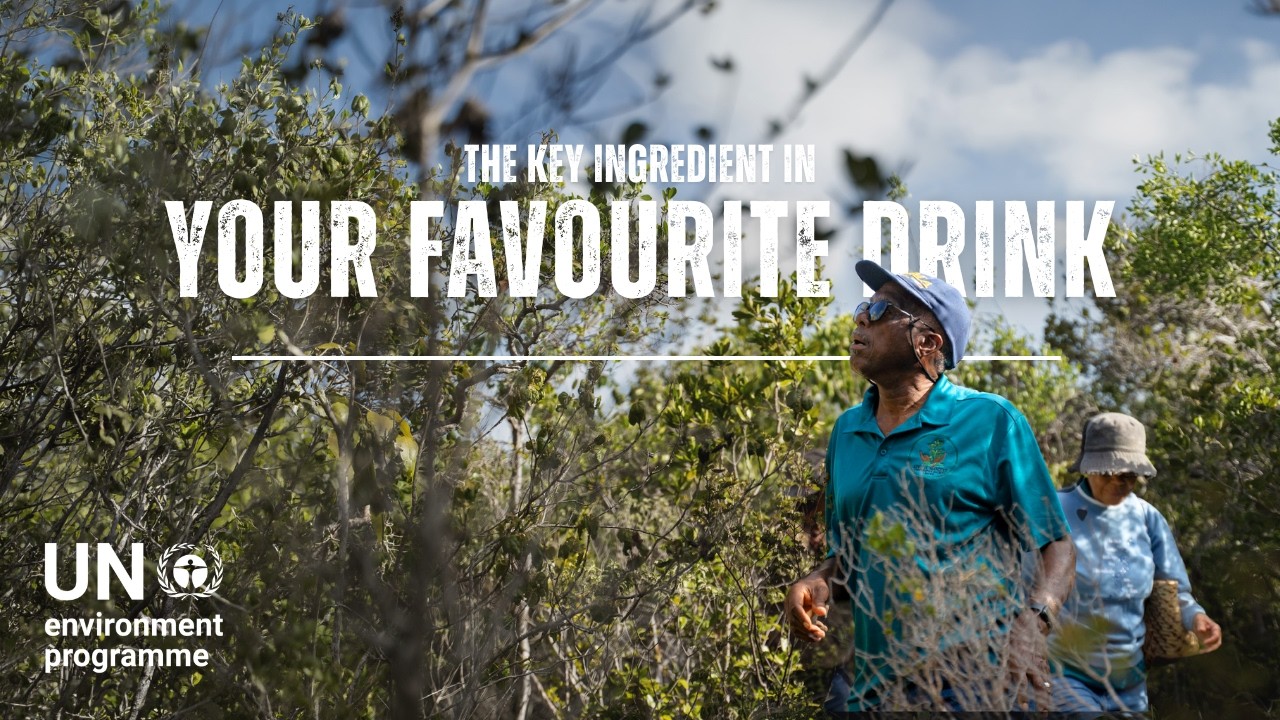
How this global commodity is shaping life in the Bahamas
Producing a little-known but beloved cocktail ingredient, the Bahamian Cascarilla plant offers a more prosperous future for local island communities, if it is managed sustainably. Cascarilla, a modest-looking plant native to the northern Caribbean, provides an essential but little-known ingredient in cocktail bars around the world. The oil found in its bark gives the spicy, herby flavors to the aperitif Campari, used to make popular drinks like the Negroni and Boulevardier. Few people know that Cascarilla is harvested primarily on a handful of islands in the Bahamas. Fewer still are aware that rising global demand and surging prices for the plant’s bark now threaten to push it – along with the livelihoods it sustains – beyond nature’s limits. The Bahamas is well-known for tourism, an industry that accounts for more than 50 per cent of the nation’s GDP. However, the nation’s southeastern islands, such as Acklins, are off the beaten track of most visitors. Acklins’ 400 square kilometres are largely covered by scrubland, offering few economic opportunities for its fewer than 1,000 residents. “Living in Acklins is hard. Nothing grows easily,” said Williamson, a 71-year-old native of the island. Harvesting Cascarilla bark – “barking” as local people call it – has long been a traditional practice and a valued income source. Williamson remembers selling the bark at US$0.50 per pound at the age of 11 to pay for his exam fees. “Cascarilla has always been an essential part of life in Acklins. It’s honest money, it’s hard work,” he said. In recent years, rising global demand has driven prices from around US$5 per pound in 2023 to US$15 this year. While this has improved livelihoods and repositioned Cascarilla as an economic lifeline, the growing industry demands close attention. In the absence of regulation and sustainable forestry practices, Cascarilla faces risks like overharvesting, threatening both the plant itself and its promise of prosperity. This local challenge reflects what’s happening globally. Billions of people depend on wild species for food, fuel, income and medicine, but unsustainable management is driving a nature crisis that jeopardizes the survival of 1 million species. International commitments, like the Kunming-Montreal Global Biodiversity Framework, aim to promote the protection, restoration and sustainable use of biodiversity by 2030. “When nature is overused, people’s livelihoods suffer,” said Christopher Cox, UNEP’s task manager for the project. “By acting now to manage resources sustainably, communities like those on Acklins can demonstrate what biodiversity commitments look like in action.” The Bahamas Pine Islands Project, funded by the Global Environment Facility and implemented with UNEP, supports sustainable harvesting of forest resources such as Cascarilla, improving management practices from regulatory to local levels. In 2023, community leaders formed the Acklins Islanders Cooperative Society, breaking a longstanding monopoly and making the trade more profitable for local people. The cooperative prioritises sustainable harvesting, cultivation trials, and value-added production, with aspirations to produce essential oil, perfume and soap. “We have to do right from the outset,” reflected Williamson. “At the end of the day, the whole island will benefit.”