
 Chatham House
37d ago
Chatham House
37d ago
▶
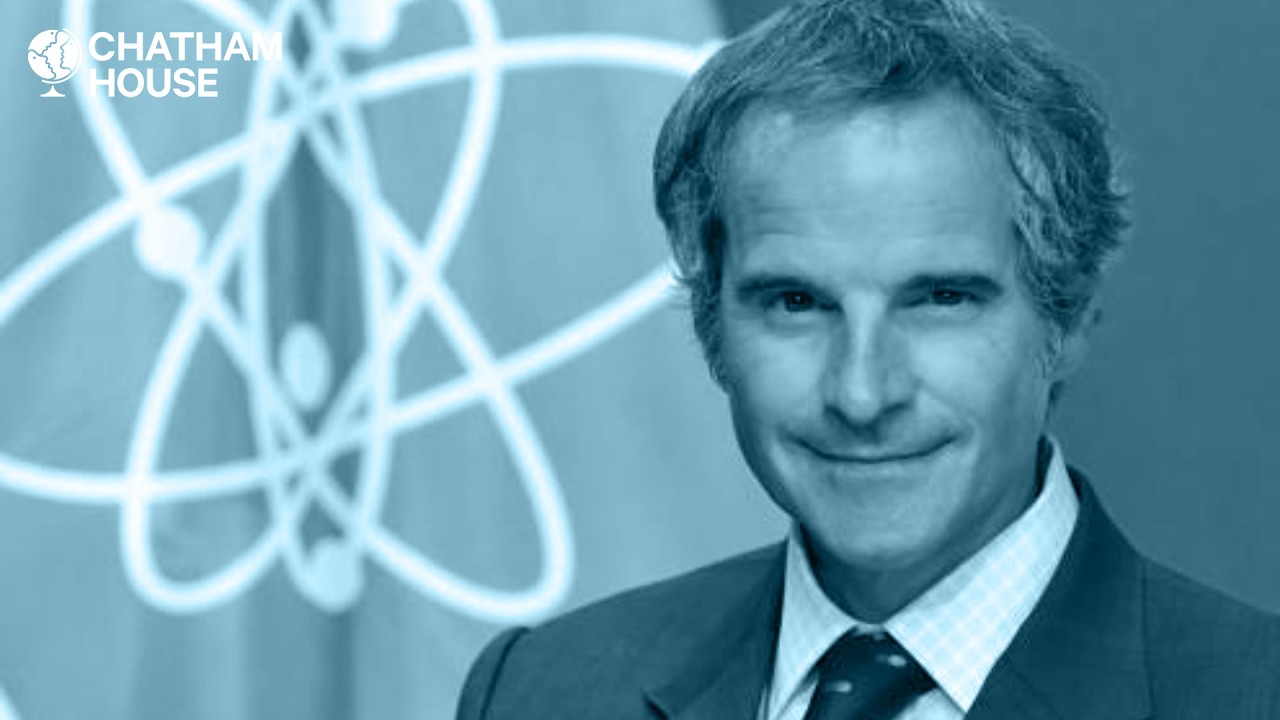
Who will be the next UN Secretary-General? Rafael Mariano Grossi presents his vision
The race to lead the United Nations is well under way. As member states weigh their options, Chatham House is inviting candidates to set out their vision for the role, and for the organization as a whole. At this event, two of the candidates will be presenting their vision, in sequence, each offering their own perspective.
The United Nations faces a moment of profound institutional pressure. Uncertain great-power support for multilateralism, a deepening financial crisis caused by member states not paying their fees, and persistent concern about the uneven application of the rules the organization exists to uphold have shaken confidence in the UN at precisely the moment that global challenges demand more of it. The incoming Secretary-General will inherit an organization mid-reform, with hard questions still unresolved about funding, authority and accountability. They will need to make their own imprint on the organization while navigating those pressures.
Part I: Rafael Mariano Grossi, Director-General, IAEA
As Director-General of the International Atomic Energy Agency, Rafael Mariano Grossi has spent years navigating some of the most consequential and contested questions in multilateral diplomacy – from nuclear non-proliferation to the safety of conflict-threatened nuclear infrastructure. He will draw on that experience to set out his vision for the Secretary-General’s role and his priorities for the United Nations.
Key questions:
• What will define success for the next Secretary-General?
• How can a Secretary-General exercise leadership when the great powers are divided and multilateral institutions face diminished support?
• What proposals do they have for tackling the organization’s financial crisis?
• What is each candidate’s vision for restoring trust in the UN’s rules-based framework – and for addressing perceptions of selective accountability?
• How should existing reform processes be continued, accelerated, or reconceived?
• What role can specialized agencies play in demonstrating the relevance and effectiveness of the multilateral system? Where are the gaps?