
 LI-BIRD
219d ago
LI-BIRD
219d ago
▶
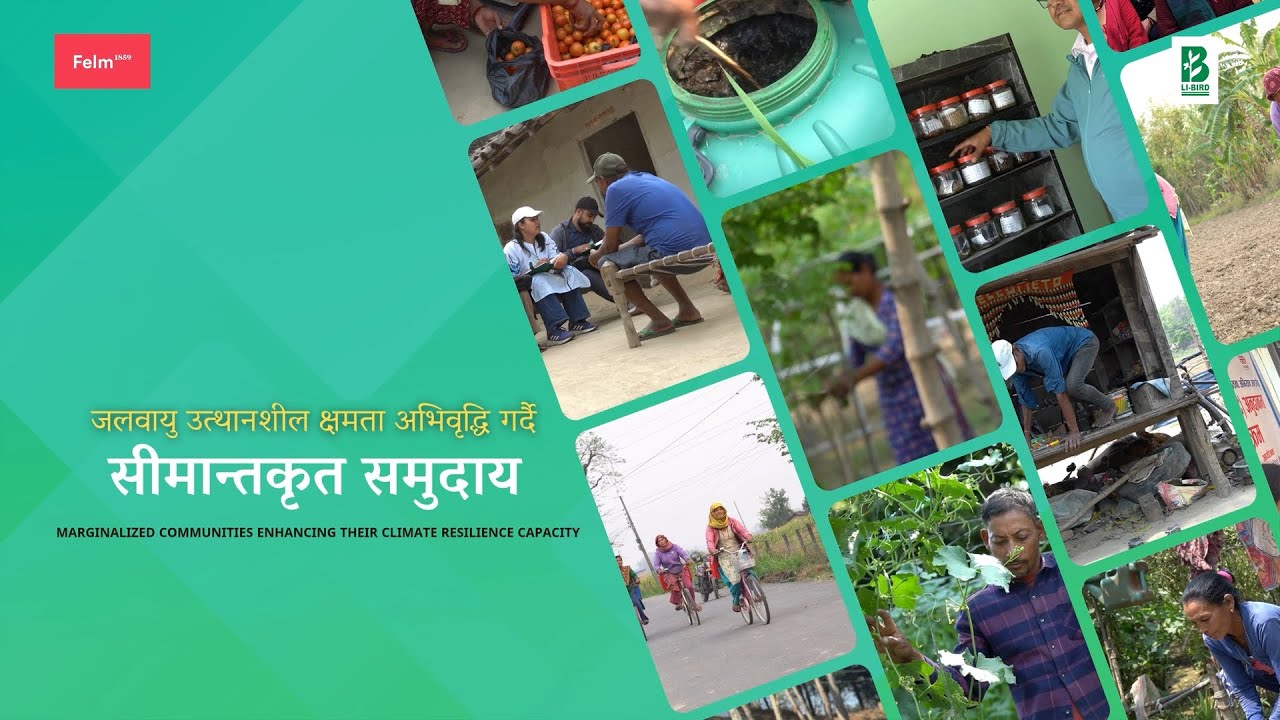
Marginalized Communities Enhancing Their Resilience Capacity
Climate change is no longer just a topic of international debate. It has become a harsh reality that deeply affects the daily lives of marginalized communities. In Nepal, a country characterized by its richness in geographical diversity, the impact is even more severe. Climate change is hitting Nepal’s marginalized communities hardest especially smallholder farmers, persons with disabilities, women-headed households, single women, and landless communities. To strengthen their resilience, the "Strengthening Capacity of Smallholder Farmers for Resilient Livelihoods (SAKSHAM)" project was launched for the period 2022–2025, supported by the Ministry for Foreign Affairs of Finland through Felm Nepal and implemented by LI-BIRD in Krishnapur Municipality and Laljhadi Rural Municipality of Kanchanpur District and Jorayal Rural Municipality of Doti District. In close coordination with provincial and local governments, the project promotes climate-smart agriculture and disaster-risk reduction practices and technologies to improve food security, nutrition, income, and climate resilience of the target beneficiaries.
This 15-minute video documentary " Marginalized Communities Enhancing Their Resilience Capacity" highlights the key results based on the project’s indicators, stakeholders perceptions towards on the project and the growing recognition of the need for action to adapt to climate change by weaving inspiring approaches of adaptation action together with interviews with beneficiaries, stakeholders and project team. The project fosters the integration of disaster risk reduction strategies, climate-adaptive agricultural practices and livelihoods diversification approaches to overcome climate-related shocks. The project localized disaster risk reduction management at the municipal and community levels for better preparedness and response capacities. These approaches help smallholder farmers adapt to and mitigate the effects of changing climates, while improving their own household food, income and nutrition security, and protecting the environment. By fostering climate-resilient agriculture approaches to ensure the sustainable productivity and wellbeing of farmers and their communities, the project worked in the project sites by collaborating with farmers’ organizations and private sector actors and strengthen the off-farm and on-farm enterprises while enhancing sustainable water and soil management, and climate adaptive systems.
The project organized community members into community disaster risk management committees (CDMCs), farmer groups and cooperatives to prepare for and adapt to recurrent flooding, fire, landslides by enhancing community capacities on early warning, first aid, search and rescue services, and wellbeing. Community adaptation to climate change was prioritized through climate-smart villages and livelihoods diversification, including riverbed farming, vegetable farming, home gardening, bee keeping, grocery shop, shoes making and repairing shop, goat rearing, poultry farming. By working through a market systems approach that engaged private sectors, such as community seed bank and local cooperatives, the project advanced rural livelihoods and robust linkages to local and provincial government institutions. By adopting flood and drought resilient agricultural practices, communities were able to withstand the impact of climate-related shocks and recover more quickly. Additionally, the project increased the financial resilience of most vulnerable people by strengthening their engagement with cooperatives, micro-finance institutions and insurance programs. The project not only promotes entrepreneurship within cooperatives to allow for continued mentorship but also establishes local market and collection center and strengthens local networks to advance community resilience. Thus, the project applies regenerative agriculture approaches like integrated water resource management and sustainable land management to increase farmer's productivity and profitability while advancing disaster risk reduction.