
 GIZ Brasil
186d ago
GIZ Brasil
186d ago
▶
Energy transition in Isolated Systems – Sacambu/AM
Isolated Systems (SISOL) are small electrical networks that are not connected to the National Interconnected System (SIN) and rely heavily on diesel, which accounts for about 80% of generation. This makes energy expensive, polluting and difficult to transport, especially in the Amazon. The region accounts for most of the country's 175 SISOLs, where logistics is a major challenge: during droughts, many communities can only be accessed by river; during floods, larger stocks must be maintained to avoid shortages. The transition to renewables is progressing slowly, partly due to the high perceived risk of investing in solar, biomass and batteries.
The decarbonisation of isolated systems in the Amazon is one of the priorities of the new Energy Transition project of the Brazil-Germany Cooperation in partnership with the Ministry of Mines and Energy (MME), and resources from the Federal Ministry of Economic Cooperation and Development (BMZ). The project will contribute to the demonstration of scalable solutions for integrating renewable energy into isolated systems, analysing the potential of various sources, as well as the regulatory and planning challenges of the sector.
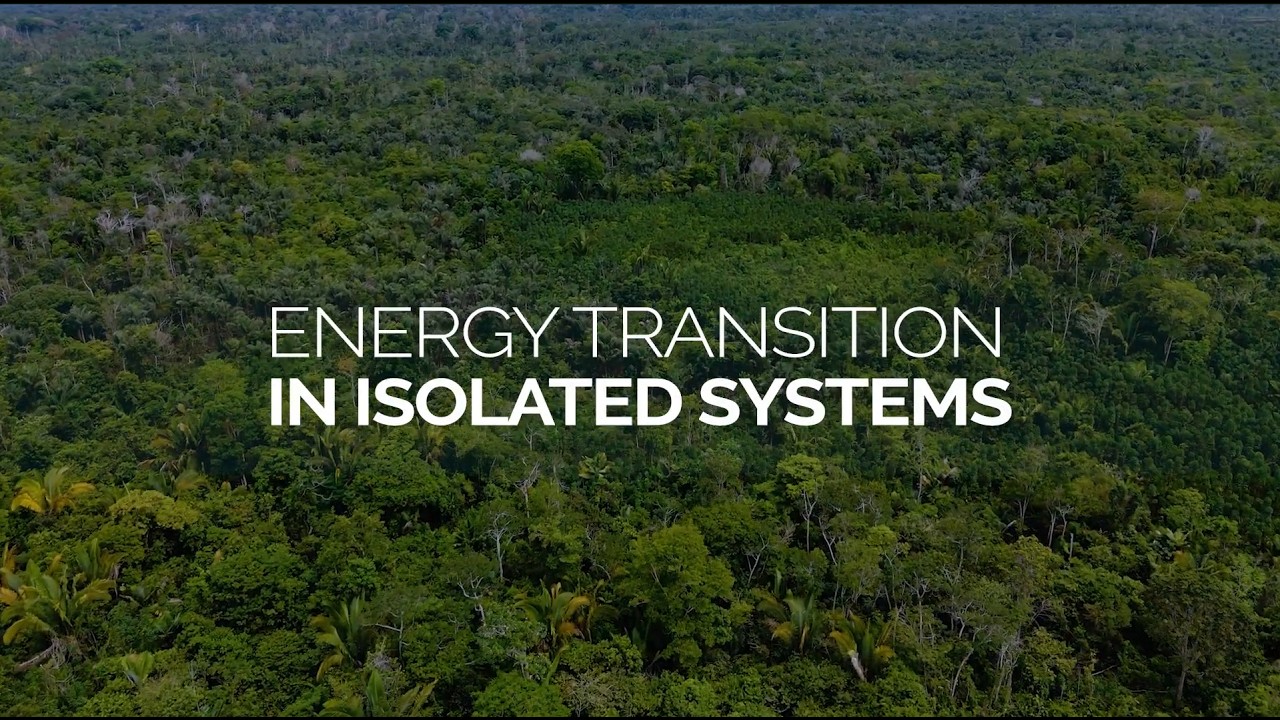
The video shows the community of Sacambu (AM), an example of an isolated system powered entirely by diesel. With 1.3 MW installed, the community faces variations in river levels and land ownership issues that hinder the installation of solar power plants.
Learn about the study on Energy Transition in Isolated Systems and find out more about the Energy Transition project.