
 Crop Trust
25d ago
Crop Trust
25d ago
▶
How Wild Potato Genes Can Help East African Farmers Beat the 'Chemical Tax'
Smallholder farmers in East Africa face rising costs from heavy pesticide use to fight late blight, one of the world’s most destructive potato diseases. In Kenya and Uganda, farmers may spray up to 15 times per season, cutting into profits and threatening livelihoods.
A sustainable solution lies in the potato’s wild relatives. Naturally resilient to pests, diseases and harsh conditions, these plants hold valuable traits for breeding stronger varieties.
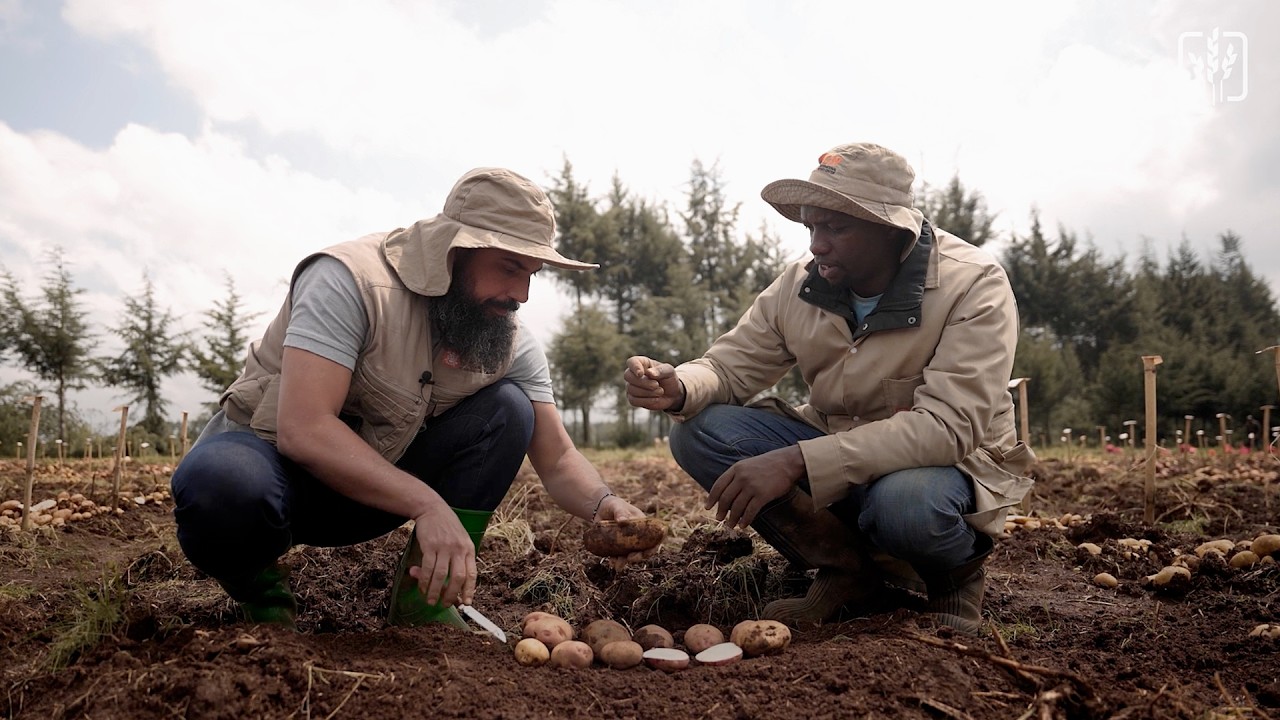
Through the Crop Trust’s BOLD project, scientists at the International Potato Center are using this genetic diversity to develop potatoes with natural resistance to late blight. Field trials in Kenya involve farmers directly, helping identify varieties that reduce pesticide use, lower costs and improve yields.
By bringing Andean diversity into African breeding programs, this work is helping create potatoes better suited to today’s farming challenges.
#Potato #CropDiversity #FoodSecurity #ClimateResilience #Agriculture #BOLDproject #Genebanks