
 Heinrich-Böll-Stiftung
30d ago
Heinrich-Böll-Stiftung
30d ago
▶
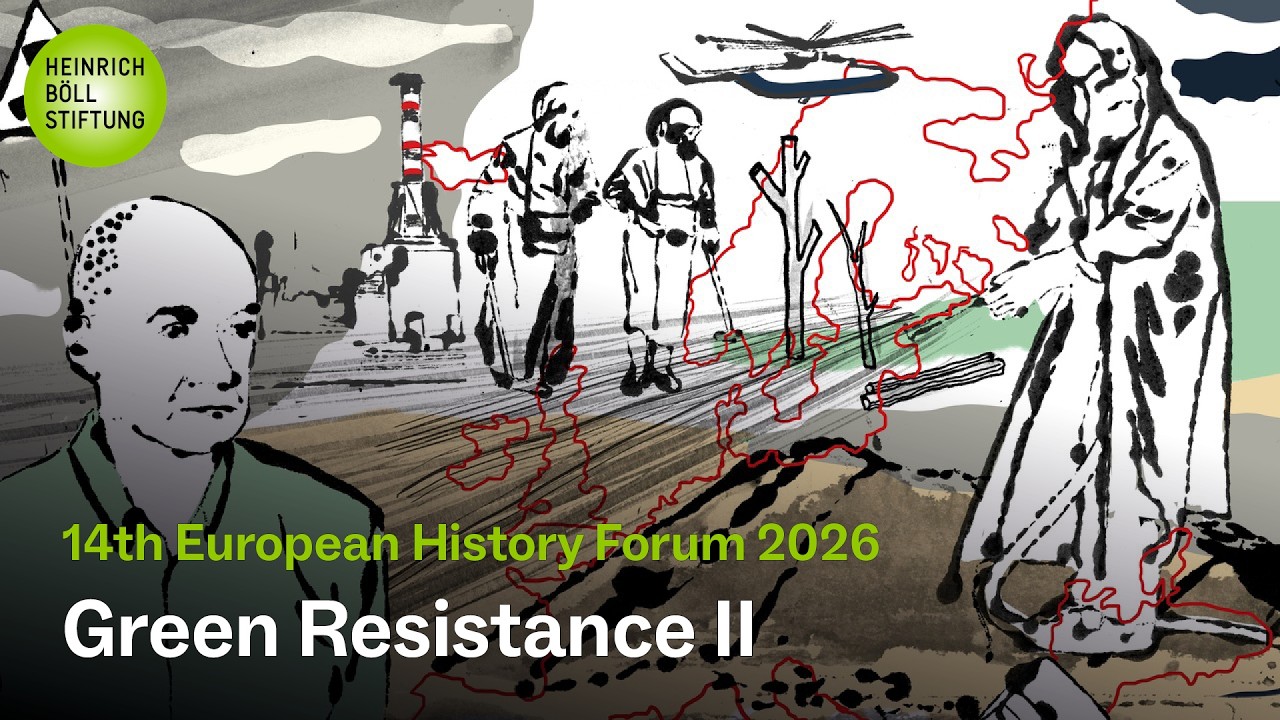
European History Forum 2026 - Green Resistance II: the Balkan and the German Case
Fishbowl
Green Resistance: Environmental Movements between Anti-Establishment Opposition and Democratic Transformation (Ecology “from Below”)
- What role did environmental concerns and movements play within oppositional politics under state socialism?
- In what ways was environmental activism interconnected with other social and political struggles (for democratisation, civil rights, national self-determination)?
- When did the demands of environmental movements combine with anti-liberal and nationalist tendencies?
- How did the relationship between ecological movements and post-socialist states evolve, particularly in terms of institutionalisation, co-optation, or opposition to neo-liberal agendas?
- How and under what conditions did green parties emerge, and in which political and national contexts were they able to achieve sustained electoral or policy success?
- How were environmental concerns institutionalised within the political and administrative frameworks of post-socialist states following the collapse of the Eastern Bloc?
With:
- Valbona Mazreku, founder and director of Milieukontakt Albania. Albanian Environmental Movement in European Context (1990-2010)
- Luan Shllaku, Riinvest Institute, Kosovo. Focus:Environmental Governance, Industrialisation, and Institutional Rupture: Kosovo in the Yugoslav and Post-Socialist Context
- Dr. Stephen Milder, Richard Carson Center, University of Munich. Focus: grassroots anti-nuclear activism, environmentalism in West Germany and the GDR
Host: Clara Frysztacka, hbs Berlin
Marking the 40th anniversary of Chornobyl, the 2026 European History Forum examines, from a historical perspective, the origins and development of environmental movements across Europe and their entanglements with the legacy of the nuclear disaster.