
▶
The Care Economy Explained: Why We Must #ShareTheCare | UN Women Europe and Central Asia
Care sustains all of us. It is the invisible engine behind every society, every economy, and every home. But the truth is: care is not shared equally.
Across Europe and Central Asia, women perform up to five times more unpaid care work than men—an average of five hours, every single day. This imbalance comes at a massive cost. It stalls careers, limits education, and keeps women out of decision-making spaces. The scale of this work is staggering: if unpaid care were valued in economic terms, it would equal up to 40 per cent of GDP in some countries.
That cannot be the future. Care is not a private burden; it is a public good.
In this explainer video, UN Women outlines the #TransformCare blueprint—advanced across six countries in Europe and Central Asia with support from the UK Foreign, Commonwealth & Development Office. Fixing the care economy requires collective action from governments, businesses, and communities to:
🔹 Recognize the true economic and social value of care work.
🔹 Reduce the load through accessible public services and better infrastructure.
🔹 Redistribute responsibilities fairly across households, employers, and governments.
🔹 Reward care workers with decent pay and strong social protections.
🔹 Represent caregivers' voices in the policies that shape their lives.
🔹 Resource the systems necessary to make this possible.
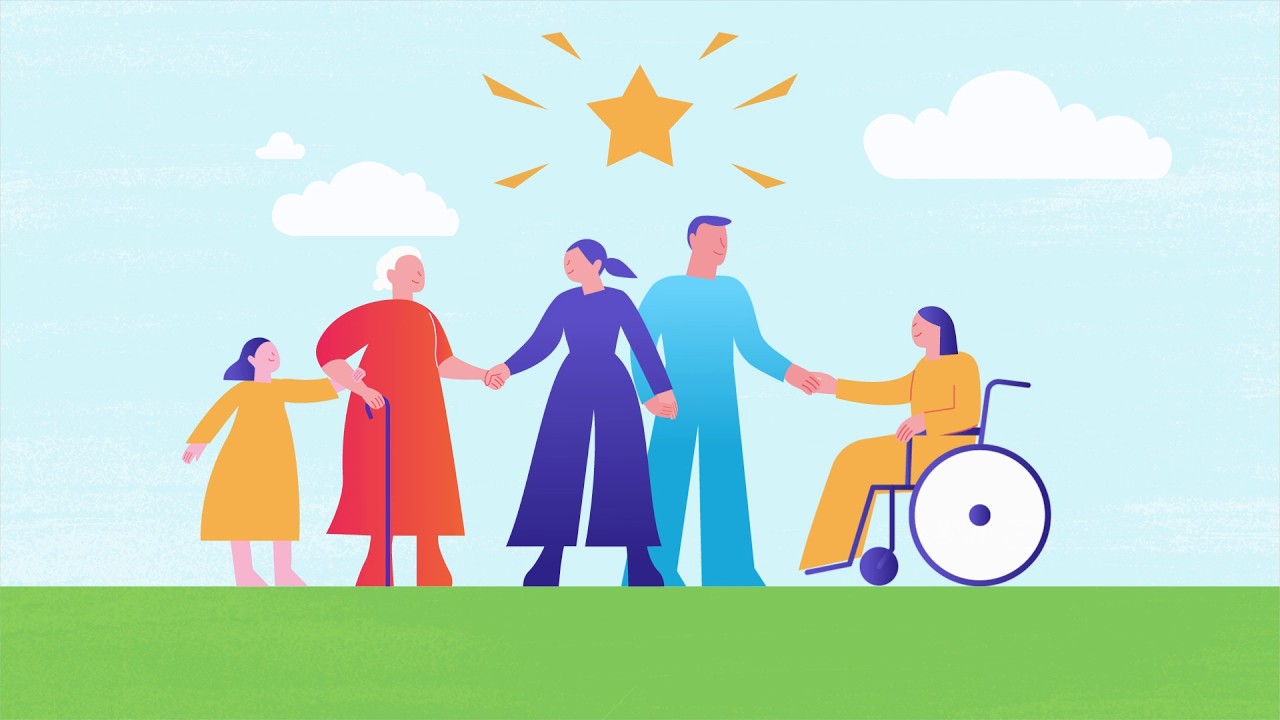
When care is visible, supported, and shared, everyone benefits—including up to 100 million women and girls in our region. Investing in care means investing in people, and there is no smarter investment.
#ShareTheCare