 KfW Stiftung
184d ago
KfW Stiftung
184d ago
▶
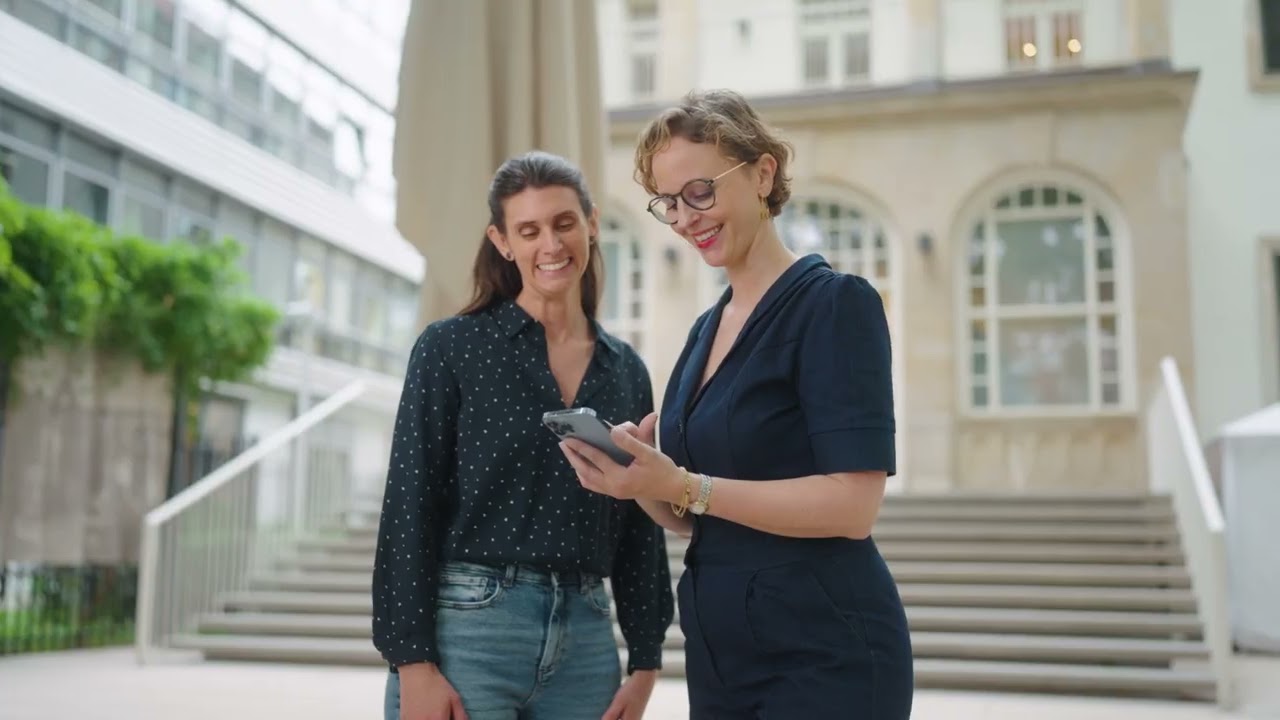
MEET ME AT THE VILLA! Virtual Art at VILLA 102
Für MEET ME AT THE VILLA! arbeitet die KfW Stiftung zusammen mit WAVA und ergründet dabei das Potential von Kunst im Zeitalter der Digitalität. Drei Positionen wurden ausgewählt und auf unterschiedliche Weise in den virtuellen Raum übertragen.
Elia Nurvista ist eine Künstlerin, die seit vielen Jahren immer wieder mit Videoformaten spielt und dabei Animationen und computergenerierte Elemente nutzt. Ihr Film The Evidence (2023) wird ausschließlich
virtuell gezeigt. Der animierte Dschungelwald Indonesiens verschränkt sich mit der klaren Linie des Gartens der Villa 102.
Khvay Samnang produziert Filme als Teil seiner Performances.
Untitled (2011) ist als Film in den Räumen der Villa 102 zu sehen – eine virtuelle Kopie des Werks ist per GPS-Signal an dem Ort auffindbar, um den der Künstler aufmerksam macht.
WAVA wird hier zum Tool der räumlichen Rückeroberung.
Mit Salwa Aleryani wurde schließlich ein völlig neues Kunstwerk produziert. Die Skulptur Heavy on the Scale 121g (2025) existiert nur rein virtuell. Sie wurde digital modelliert. Die Frage nach Wert und Wertigkeit ist hier nicht
nur inhaltlich angelegt, sondern auch eine Formfrage: Welchen Wert hat virtuelle Kunst? Kann man sie Sammeln? Die Zusammenarbeit mit Salwa Aleryani eröffnet viele Denkräume, denn gerade der Blick auf Geschichte, Erinnerung und Gedächtnis ändert sich durch diese technologische Perspektive und ihre Möglichkeiten.
Die WAVA gGmbH ist eine gemeinnützige, appbasierte Plattform, die GPS und Augmented Reality (AR) nutzt, um unterschiedlichste Formen digitaler Kunst an spezifische Orte weltweit zu bringen – ganz ohne physische Aufbauten oder Infrastruktur. Mit der kostenfrei verfügbaren
WAVA-App kann jede*r den Ort besuchen, an dem ein Kunstwerk virtuell platziert wurde, und es direkt vor Ort erleben.
For MEET ME AT THE VILLA!, the foundation KfW Stiftung collaborated with WAVA to explore the potential of art in the digital age. Three artworks were selected and transferred to the virtual space in different ways.
Elia Nurvista is an artist who has experimented with video formats for
many years, incorporating animations and computer-generated elements into her work. Her film The Evidence (2023) is exclusively available to view in the virtual space. In it, the animated jungle forest of Indonesia intertwines with the clear lines of the garden of Villa 102.
Khvay Samnang produces films as part of his performances. Untitled (2011) can be viewed as a film in the rooms of Villa 102 — a virtual copy of the work can be accessed via a GPS signal at one of the locations the artist draws attention to in his film.
Here, WAVA becomes a tool for spatial reconquest. Finally, a new artwork was created in collaboration with Salwa Aleryani. The sculpture Heavy on the Scale 121g (2025) only exists virtually. It was modelled digitally. The question of value and worth is reflected not only in the content, but also the form. What is the value of virtual art? Can it be collected? Collaborating with Salwa Aleryani opens up many avenues for contemplation, as it is precisely the perception of history, remembrance and memory that is evolving due to this technological perspective and its potential.
WAVA gGmbH is a non-profit, app-based platform that uses GPS and Augmented Reality (AR) to bring different forms of digital art to specific locations worldwide without the need for physical setup or infrastructure. Using the free WAVA app, anyone can visit the location where an artwork has been virtually placed and experience it onsite. Through a smartphone or tablet, the viewer experiences the work as part of the environment. They are able to move closer, step back or walk around it. Virtual artworks can be anything from 3D sculptures to videos, films, sound works or two-dimensional images
Video: Pola Sell