
 World Food Programme India
108d ago
World Food Programme India
108d ago
▶
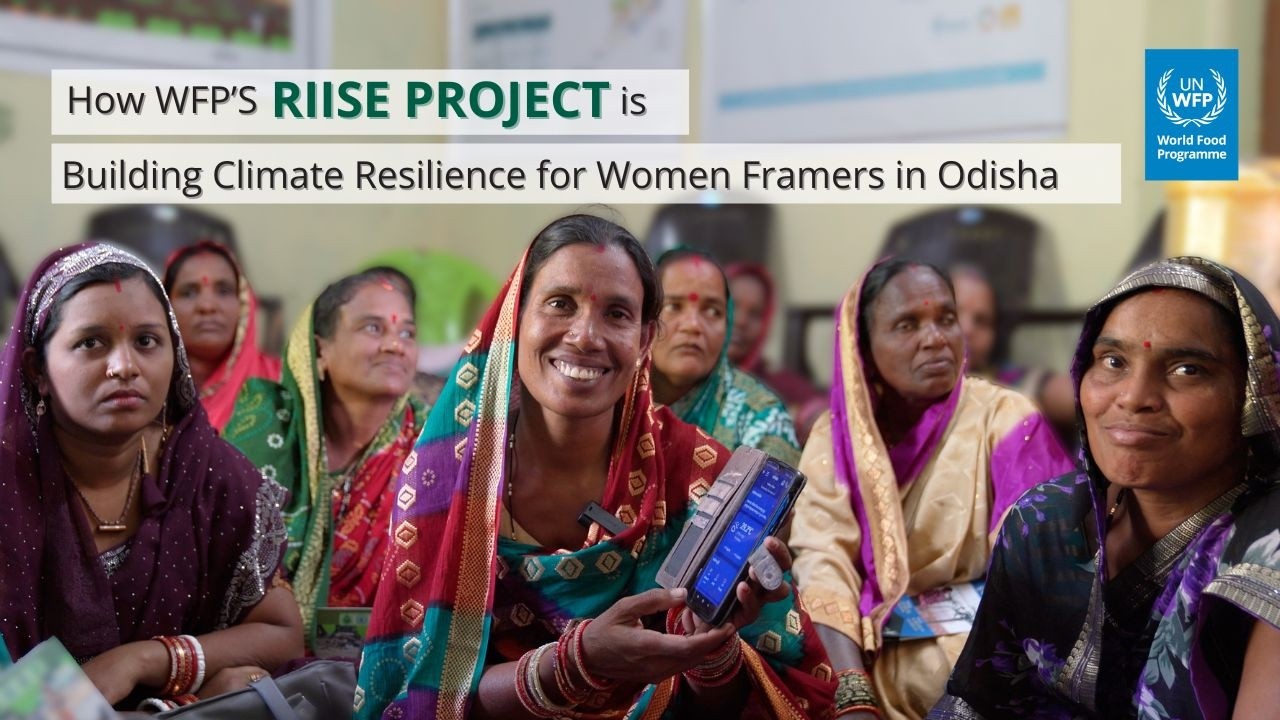
How Climate Information is Helping Women Farmers in Odisha | Gayatri’s Story
Changing weather patterns and unpredictable rainfall are making farming increasingly difficult for smallholder farmers in Odisha. Through access to climate information and agricultural advisories, farmers are finding new ways to protect their crops and strengthen their livelihoods.
The World Food Programme, in collaboration with the Department of Agriculture and Farmers’ Empowerment, Government of Odisha, is implementing the project Resilient and Inclusive Initiatives for Sustainability and Empowerment in Odisha (RIISE).
The project aims to strengthen climate resilience among smallholder farmers, women farmers and their collectives through an empowerment-based approach. By improving access to climate information, agricultural guidance and market insights, the initiative supports the socio-economic empowerment of smallholder farmers and women self-help groups while contributing to sustainable household food security and improved nutrition.
In this video, Gayatri Parida, a farmer from Ganjam district, shares her experience of cultivating crops such as paddy, gram and green gram while facing the challenges of heavy rains, floods and changing rainfall patterns. In recent years, erratic weather has affected crop production and increased uncertainty for farming families.
Through the RIISE project, farmers like Gayatri are receiving timely information through a mobile application that provides weather forecasts, crop advisories, pest and disease alerts and market price updates. This information helps farmers make better decisions about crop management, prepare for rainfall and protect their harvests.
The RIISE project currently supports 7,700 farmers across 10 Gram Panchayats in four blocks of Ganjam district in Odisha, helping communities adapt to climate risks and build more resilient farming systems.
Through innovation, information and local partnerships, the project is supporting farmers to manage climate challenges and strengthen sustainable livelihoods.