
 Global Network Against Food Crises
228d ago
Global Network Against Food Crises
228d ago
▶
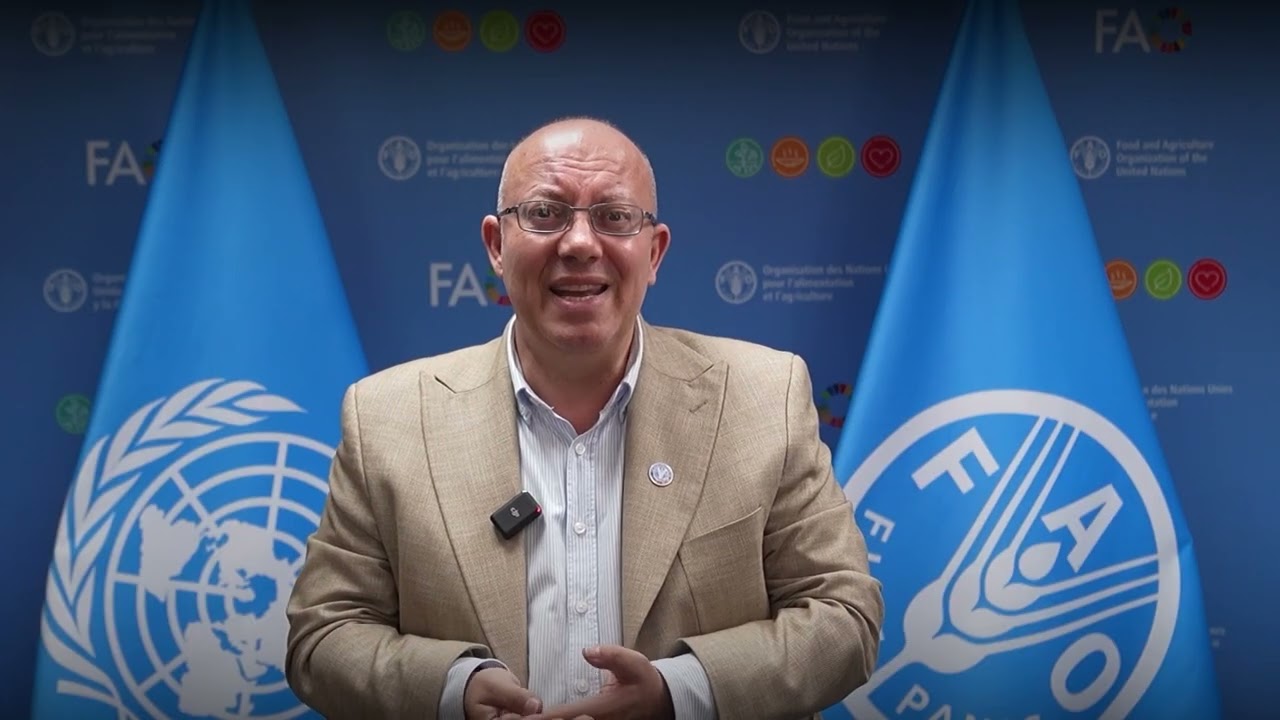
Hunger Hotspots 2025: FAO representative in Haiti, Pierre Vauthier
Haiti is one of the countries of highest concern in the latest Hunger Hotspots 2025 report; a joint early warnings report on acute food insecurity, produced by the Food and Agriculture Organization of the United Nations (FAO) and the UN World Food Programme (WFP).
FAO representative, Pierre Vauthier, details that almost 6 million people are projected to face acute food insecurity, due to a complex combination of ongoing insecurity, deepening economic downturn marked by high inflation of food prices and recurring extreme climate events including drought and hurricanes.
The Hunger Hotspots report warns that acute food insecurity could deepen across 16 countries and territories over the outlook period of November 2025 to May 2026, compared to the same time one year earlier. Find out more at www.fightfoodcrises.net/hunger-hotspots
Transcript:
Haiti faces one of the most complex emergencies in the world. Since 2018, acute food insecurity has continued to worsen, driven by a combination of aggravating factors. These factors are well known. First, ongoing insecurity and gang activities continue to affect the most vulnerable. And deepening economic contractions marked by high inflation and soaring food prices, and of course recurring shocks and extreme weather events, including drought and hurricanes. For example, Melissa at the end of October of this year left a trail of destruction in more than half of the country. According to the latest IPC analysis, between March and June 26, nearly 6 million people, more than half of the population, are projected to face acute food insecurity. Around three millions of the most affected even depend directly from agriculture for their food and income. Agriculture is the key for survival in Haiti. The cornerstone of protection and the foundation for peace and development.
Yet in Haiti, only 7% of humanitarian funding for food security supports emergency agricultural programmes. That's not enough. We support 70,000 people already with emergency food production, cash for work programs and voucher-based fairs. For 2026, FAO Emergency and Resilience Plan plead for $26 million to support smallholder farmers and restore local food production. With this combined assistance, we aim at reaching 1 million people together with the World Food Programme. Thank you.