
 CGAP
127d ago
CGAP
127d ago
▶
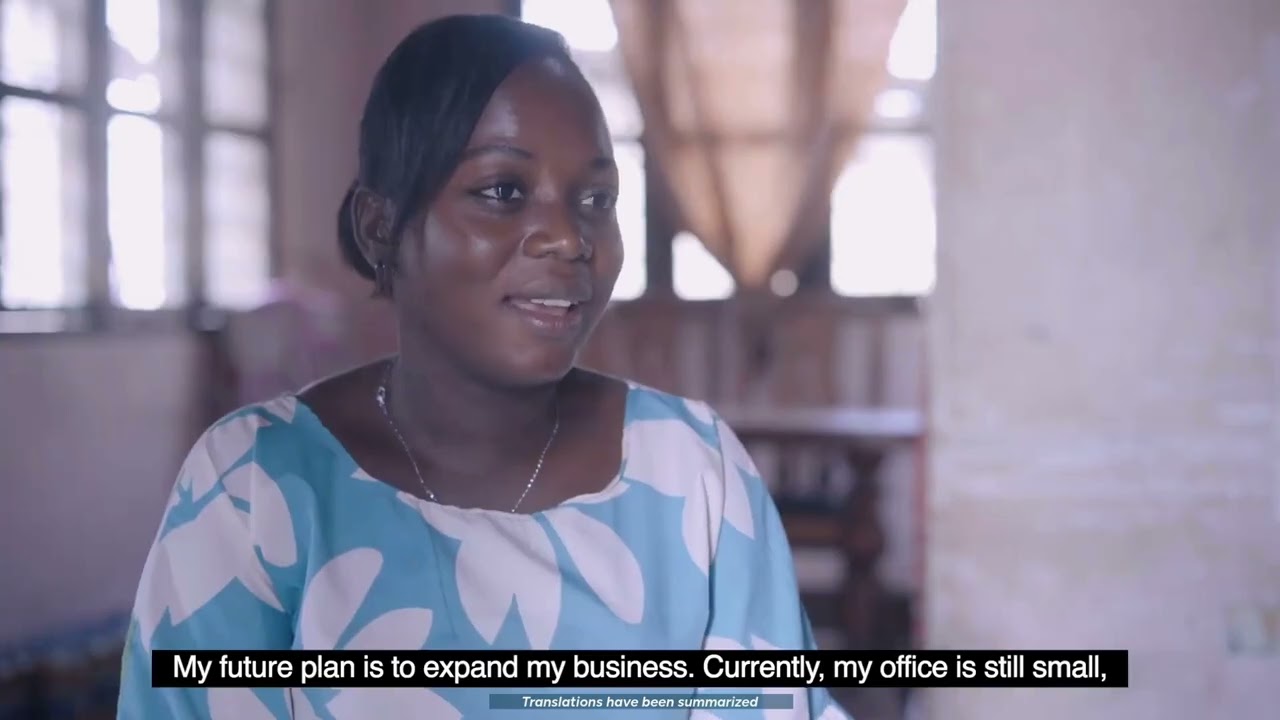
Collateral on a Bed? A Young Woman’s Path to Bankable Growth in Tanzania
A self-taught tailor in Tanzania shares how savings discipline, collateral-based lending, and cautious trust in banks shape women micro-entrepreneurs’ growth. This firsthand story from a WMNE (women micro-entrepreneur) unpacks practical lessons for FSPs and MFIs designing savings products and credit for financial inclusion in Tanzania.
In this CGAP video, Upendo Jumane explains how a clear loan purpose motivates repayment and continued savings, why she avoids personal loans to protect her business, and how collateral rules—down to household assets like a bed and TV—affect access to finance. She values her bank account for secure record-keeping yet still struggles to trust the system, echoing community stories of funds going missing. Upendo calls for more accessible bank representatives, better financial education, and tailored savings accounts for young women—clear signals for product design, customer support, and consumer protection.
Chapters [8:52]:
00:00 – Introduction: Upendo’s business and savings habits
00:34 – Why a clear loan purpose drives repayment
02:05 – Collateral realities: securing a loan with household assets
03:40 – Trust and transparency: fears of “missing funds”
05:10 – What young women need: tailored savings and education
06:45 – Balancing family needs and business growth
07:50 – Investing for expansion: equipment and materials
Subscribe to CGAP: https://www.youtube.com/@CGAP
Related CGAP insights:
Focus Note: Pathways to Financial Inclusion for Young Women: Opportunities for Financial Service Providers and Funders: https://www.cgap.org/research/publication/pathways-to-financial-inclusion-for-young-women-opportunities-for-financial
#FinancialInclusion #Ghana #Savings #FinancialLiteracy #WSMEs #Aburi #WomenInBusiness