
CGAP

Three out of four adults in low- and middle-income countries now have access to formal financial accounts. But 1.3 billion remain unbanked, 4 billion are uninsured or underinsured, and many remain ...
At a time when cascading crises — climate change, food insecurity, and healthcare access — are obscuring our vision for a better tomorrow, stronger risk management tools are more critical than ever...
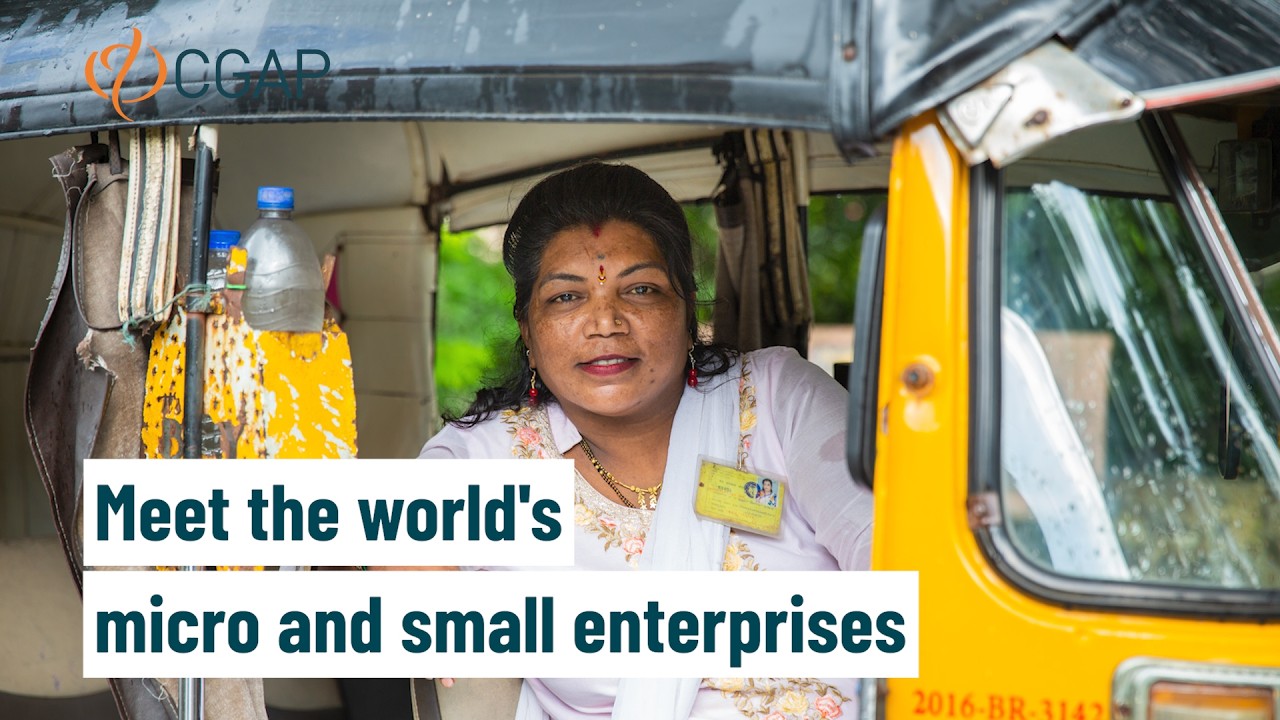
There are nearly 500 million Micro and Small Enterprises (MSEs) worldwide. They are the backbone of employment in emerging markets and developing economies. However, according to research by the In...
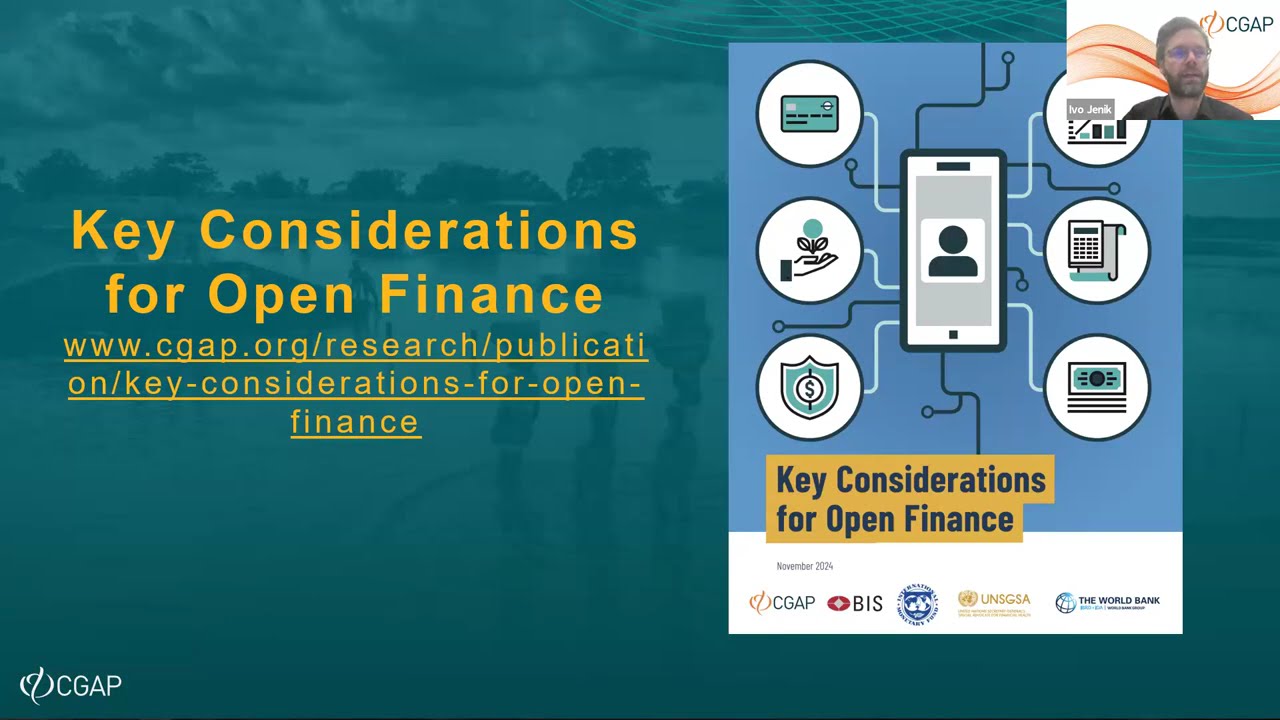
Effective supervision and oversight are key prerequisites to realizing the
benefits of open finance. Open finance holds transformative potential — enabling consumers and businesses to share their ...
When systemic crises hit, the most financially vulnerable are the first to lose
access to funding. But it doesn't have to be this way. CGAP explores how
policymakers can safeguard financial inclu...
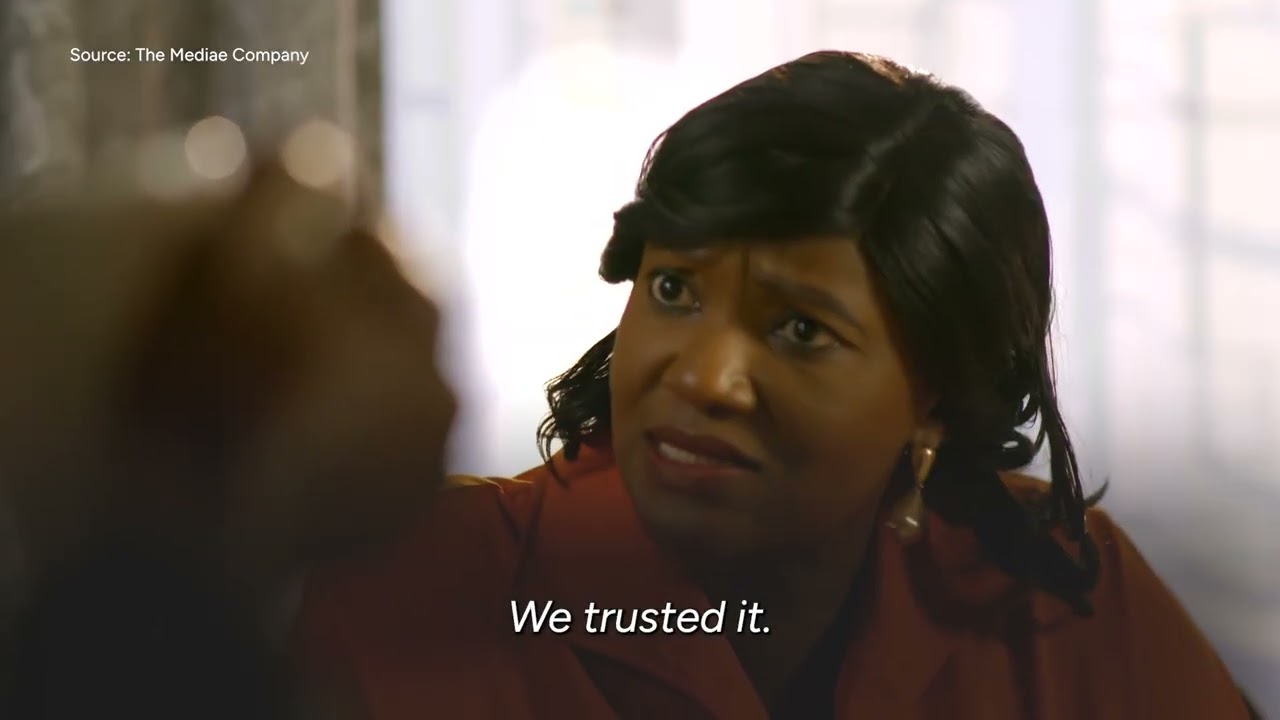
TV shows can do more than entertain — they can shift financial behaviors.
New data from Kenya shows this in action. Maisha Makutano, a TV drama with 4.75 million weekly viewers, introduced storyli...
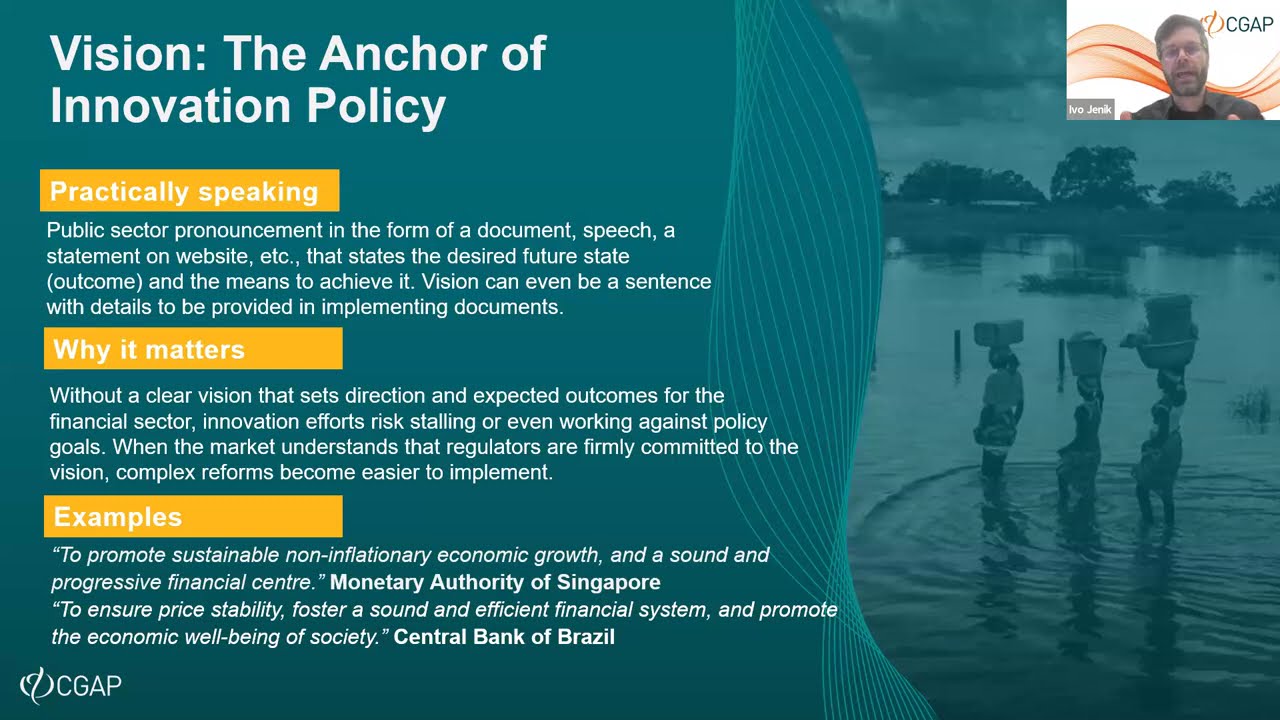
In this webinar, the presenters discuss the practical implementation of vision-guided regulation by financial sector regulators, featuring country examples, policy tips, and guidance.
CGAP recentl...
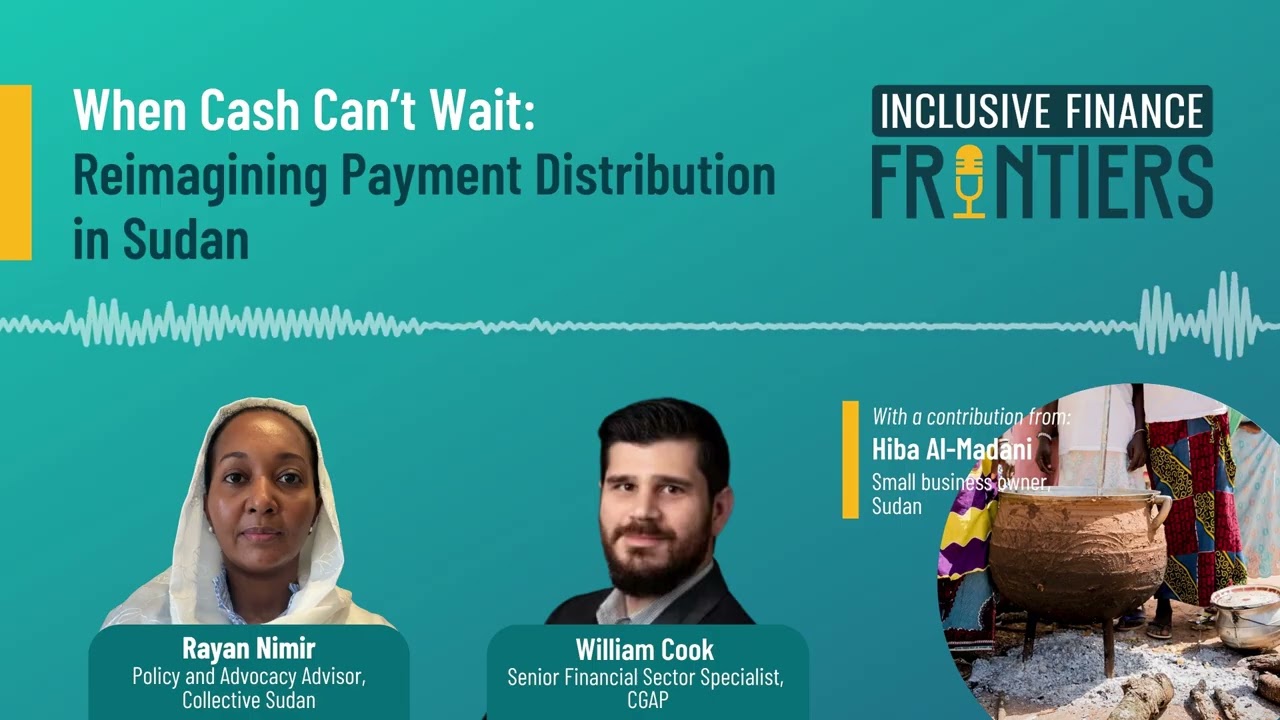
Three years after conflict erupted in Sudan, the toll continues to be devastating. The financial sector has been gutted — liquidity dried up, infrastructure destroyed, and social protection mechani...
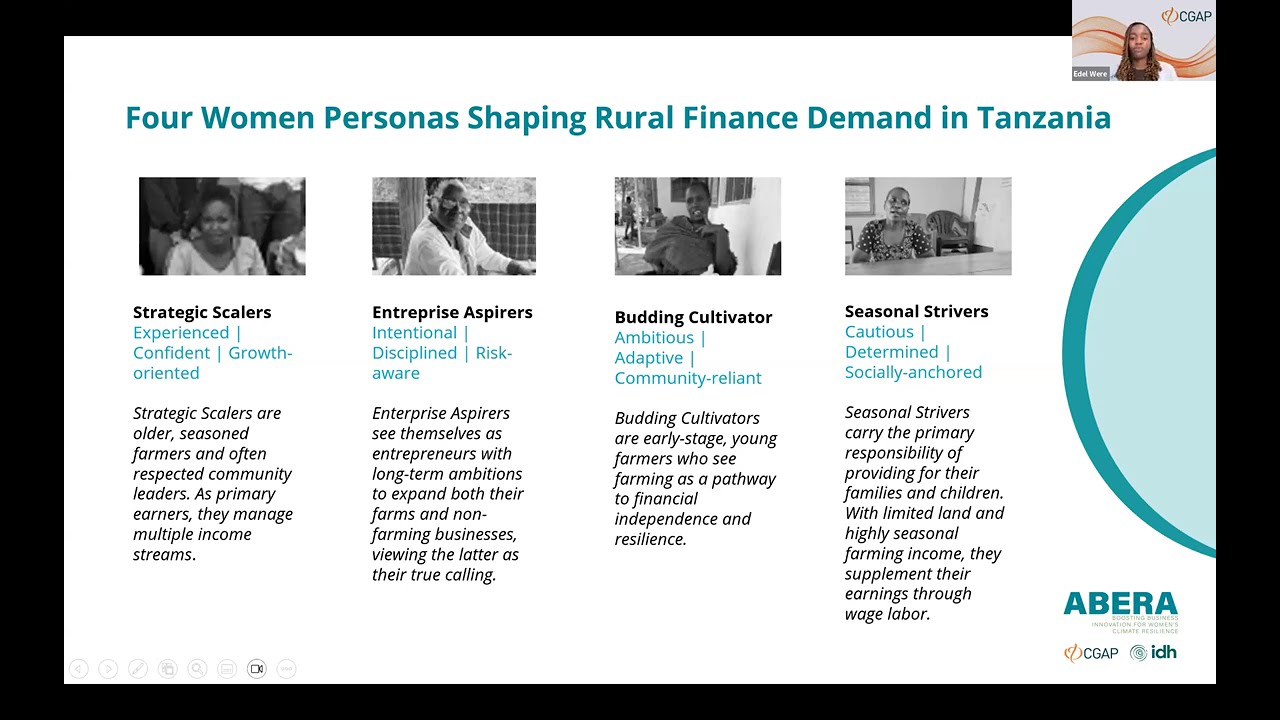
Rural women smallholder farmers are often perceived as too risky to lend to — but what if that perception is holding back both financial inclusion and sustainable business growth? These wome
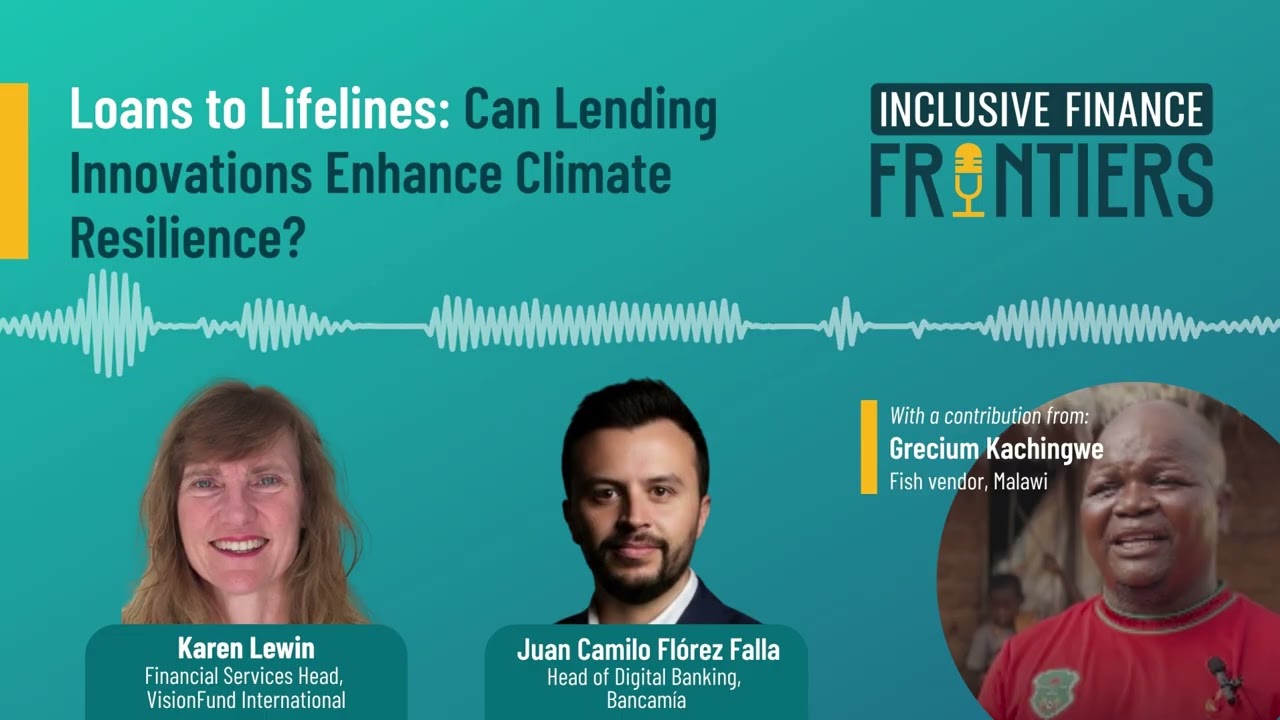
When extreme weather strikes, microfinance institutions (MFIs) have historically pulled back — reducing lending at exactly the moment clients need capital most.
Today, a new wave of innovations i...
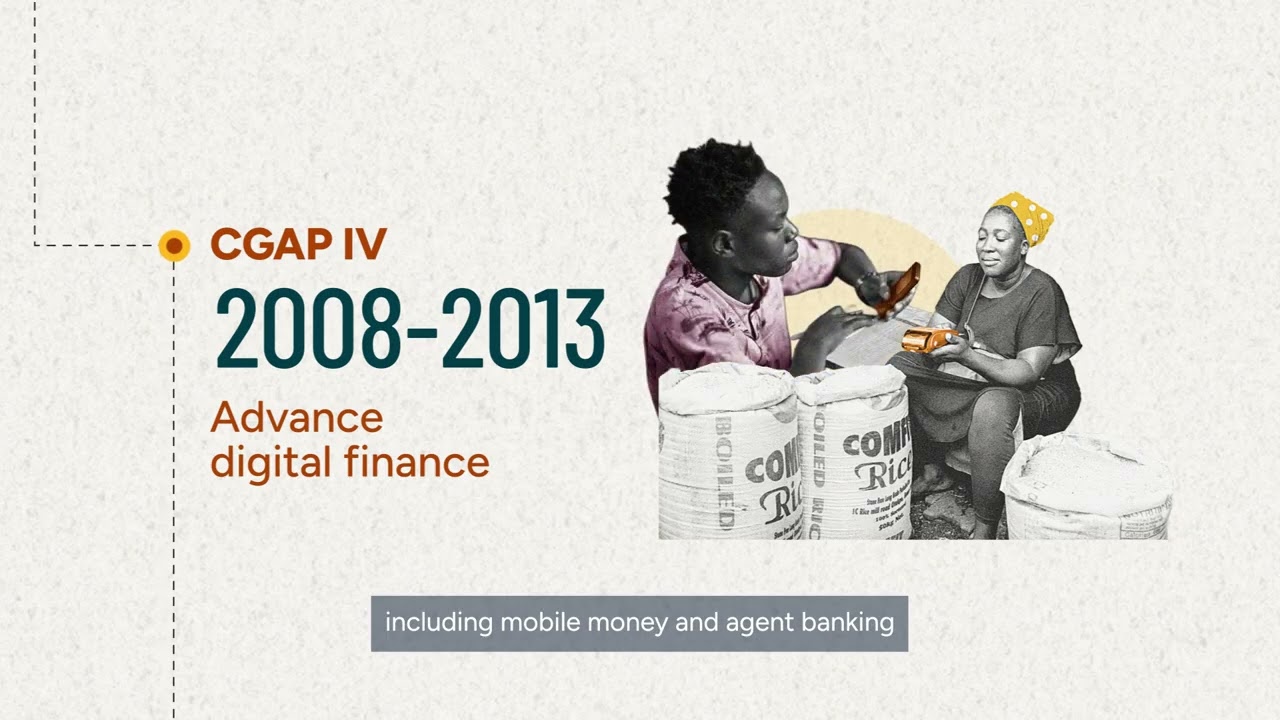
For 30 years, CGAP has worked with partners to turn evidence into impact.
This video traces CGAP's evolution across 7 strategy cycles — from proving
and scaling microfinance in the 1990s to advan...
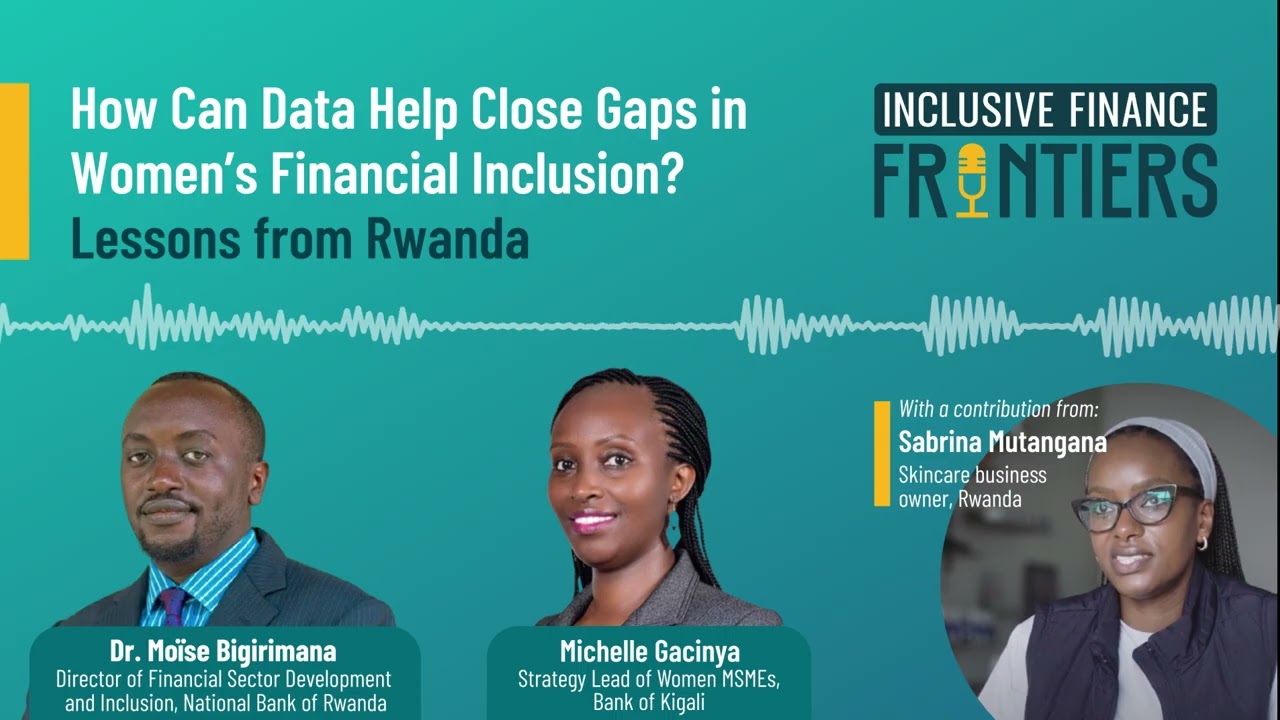
Women's financial inclusion is advancing, but gaps remain. The World Bank's Global Findex 2025 reveals that 77% of women globally now hold a financial account, yet in some low- and middle-income co...
Financial providers wanted to serve rural women better, but climate overwhelmed everything else.
CGAP Senior Financial Sector Specialist Jamie Anderson shares how feedback from commercial banks, M...
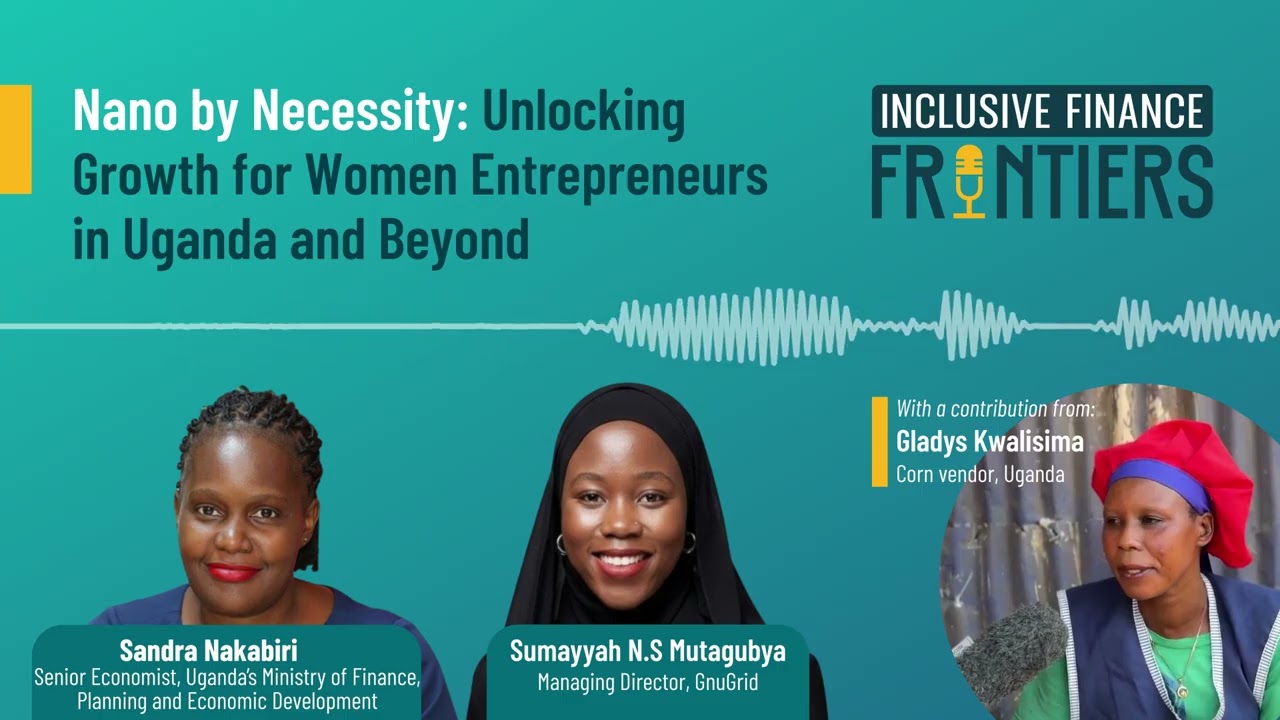
Uganda is home to 1.1 million nano and micro enterprises — the backbone of its economy. Women lead 55% of these businesses, driving job creation, strengthening households, and powering local market...
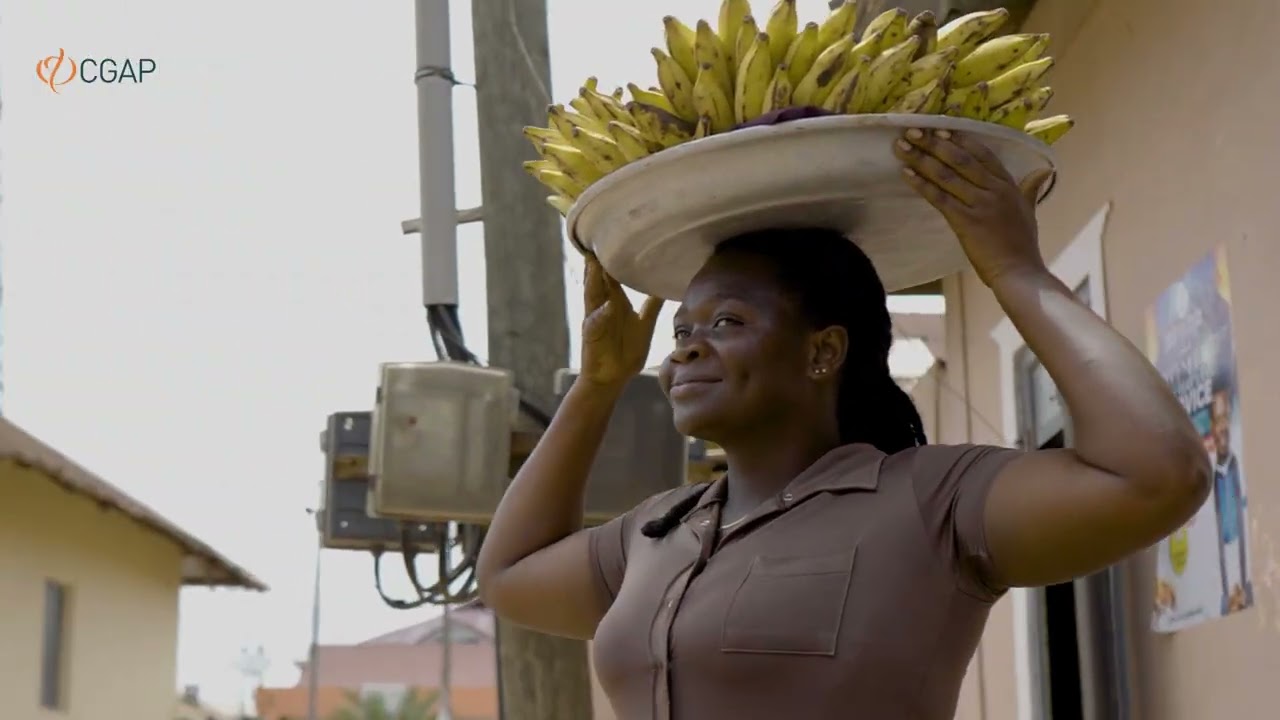
Young women aged 15-24 consistently lag behind young men in accessing and using financial services. In Ghana, CGAP partnered with G-Money to change that, using rigorous user experience (UX) researc...
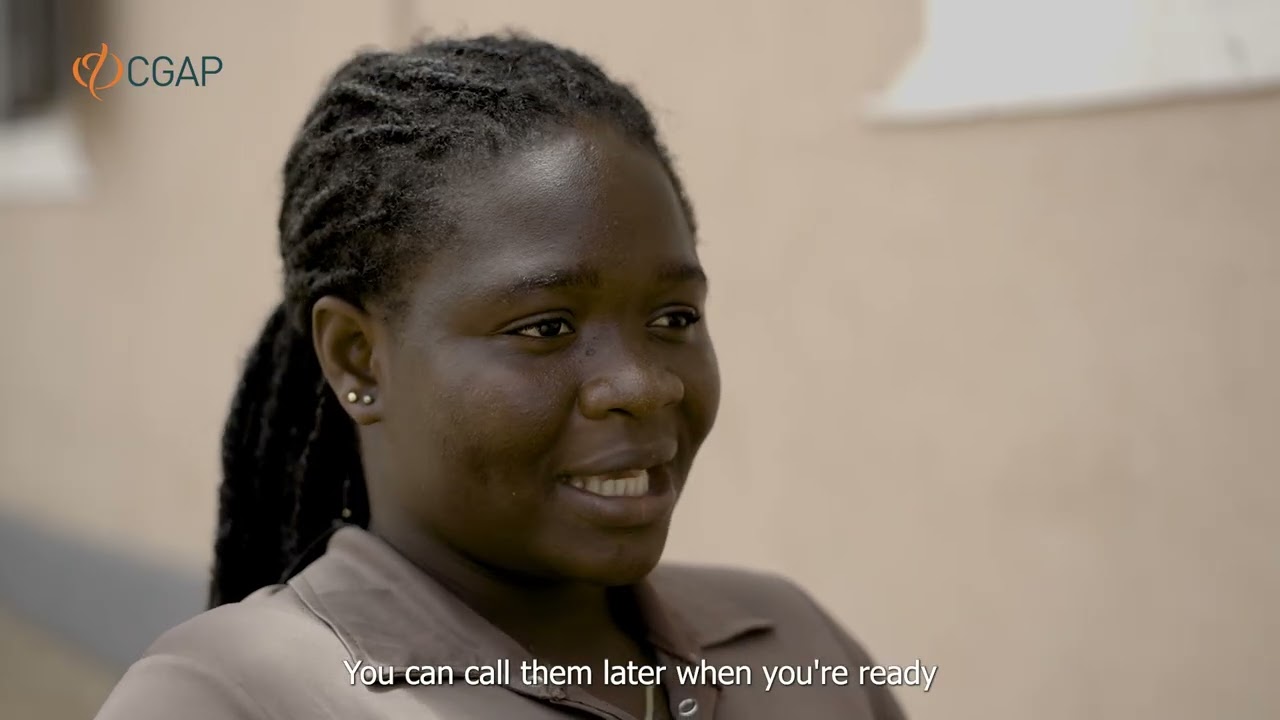
Abigail Kumi, 23, runs a small business in Mampong Akuapem, Ghana. She initially borrowed capital to grow, but today she saves her income with a secure mobile susu service so she can build financia...
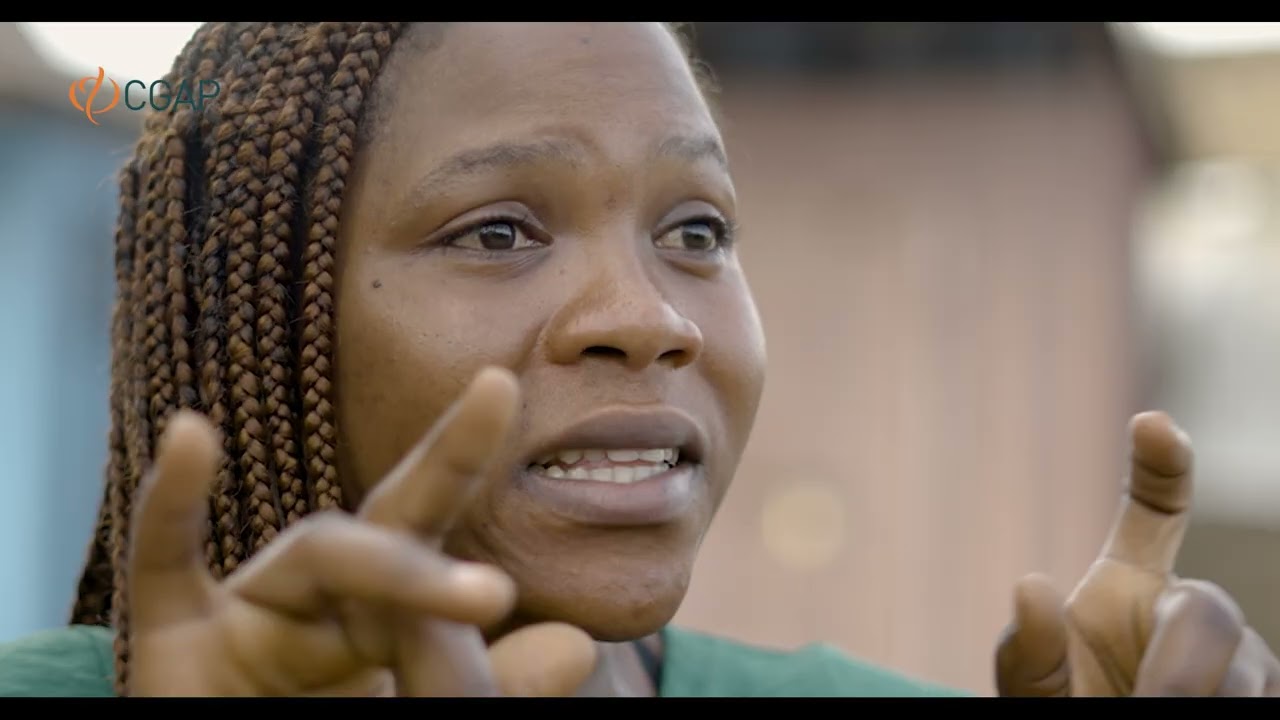
Margaret Nabila, 23, manages her brother’s shop in Ghana while saving for tertiary education. To stay disciplined, she uses different financial products and keeps her spending and savings accounts ...
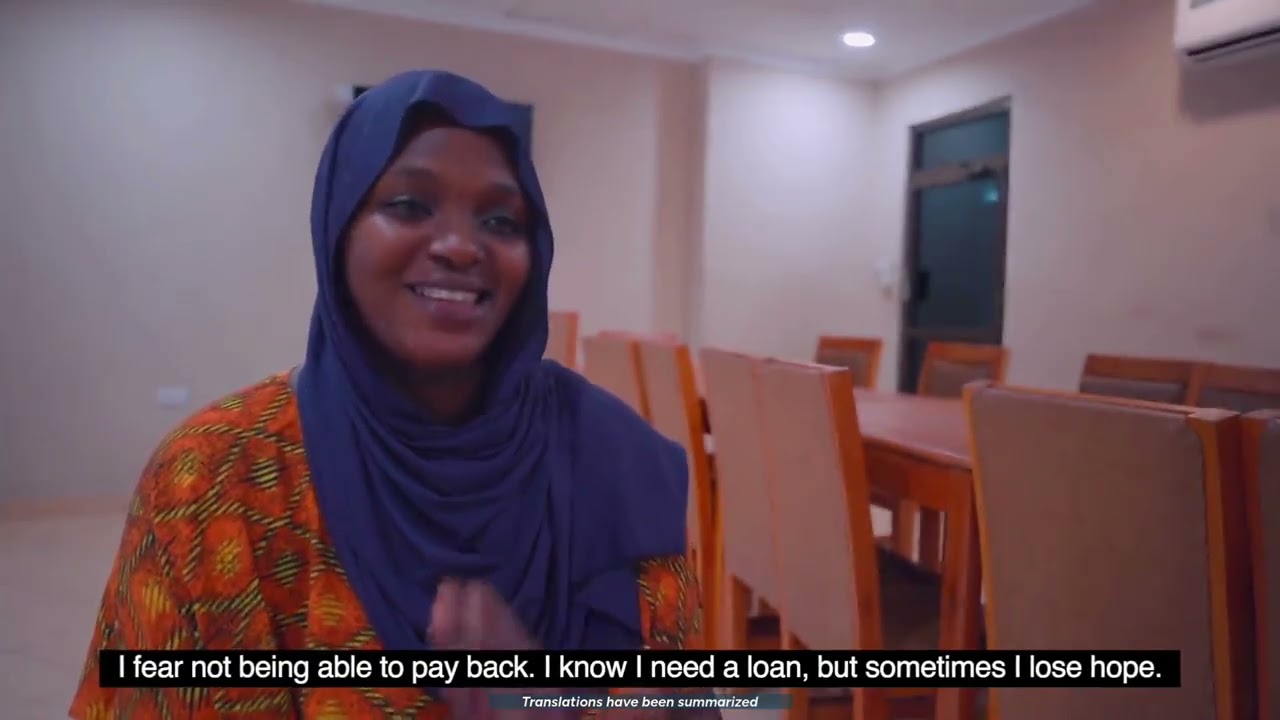
Aisha Swaleh Musa, 24, runs a home-based Henna and Pico artistry business in Mwananyamala, Tanzania. She launched her venture with family support and saves what she can in a bank account for securi...
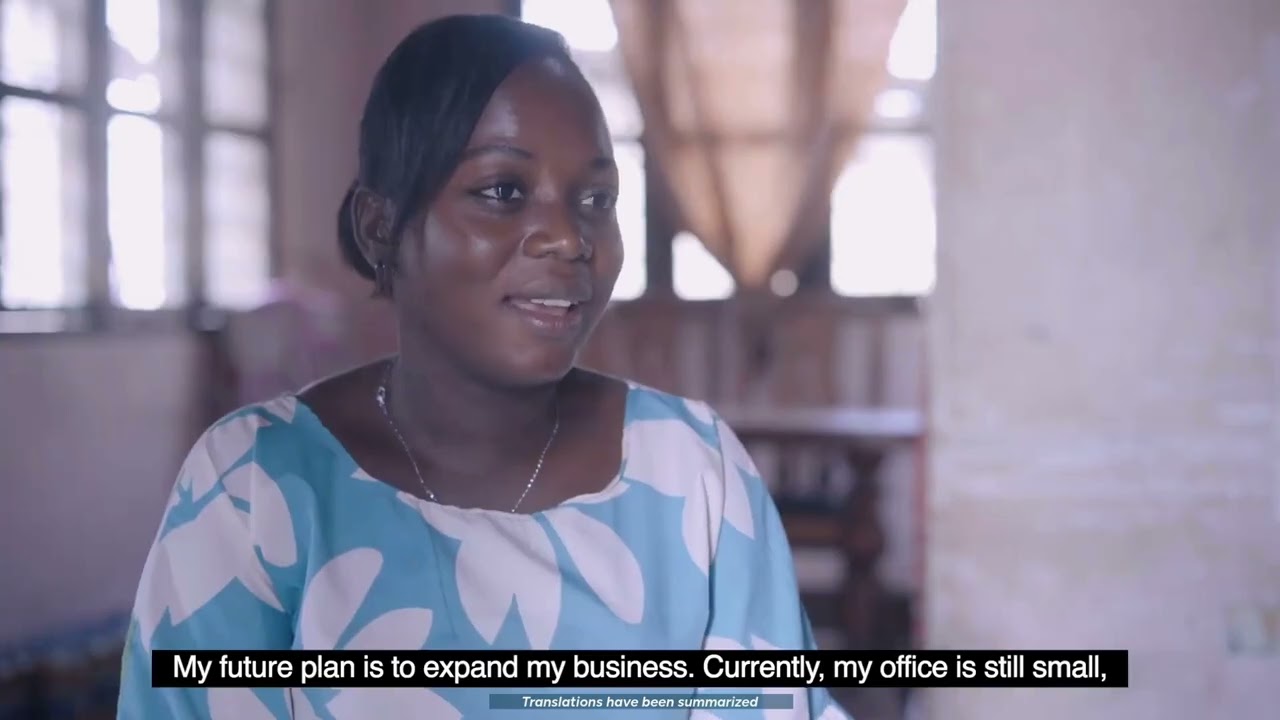
A self-taught tailor in Tanzania shares how savings discipline, collateral-based lending, and cautious trust in banks shape women micro-entrepreneurs’ growth. This firsthand story from a WMNE (wome...
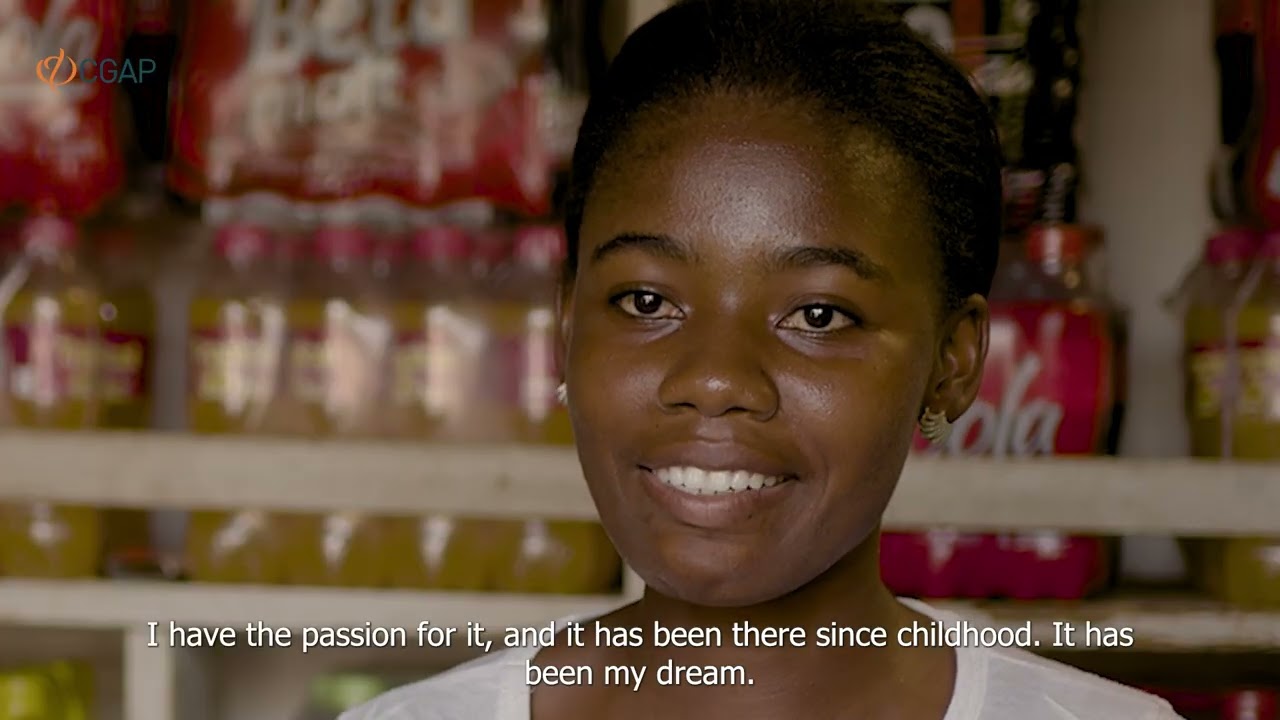
This story highlights how young women in Ghana use small business earnings to invest in education and build financial resilience.
Bertha Eshun, 24, runs a small bakery in Aburi, Ghana. She launch...