
Carnegie Council for Ethics in International Affairs
History’s Warning to America at 250: Culture Outlasts Empires
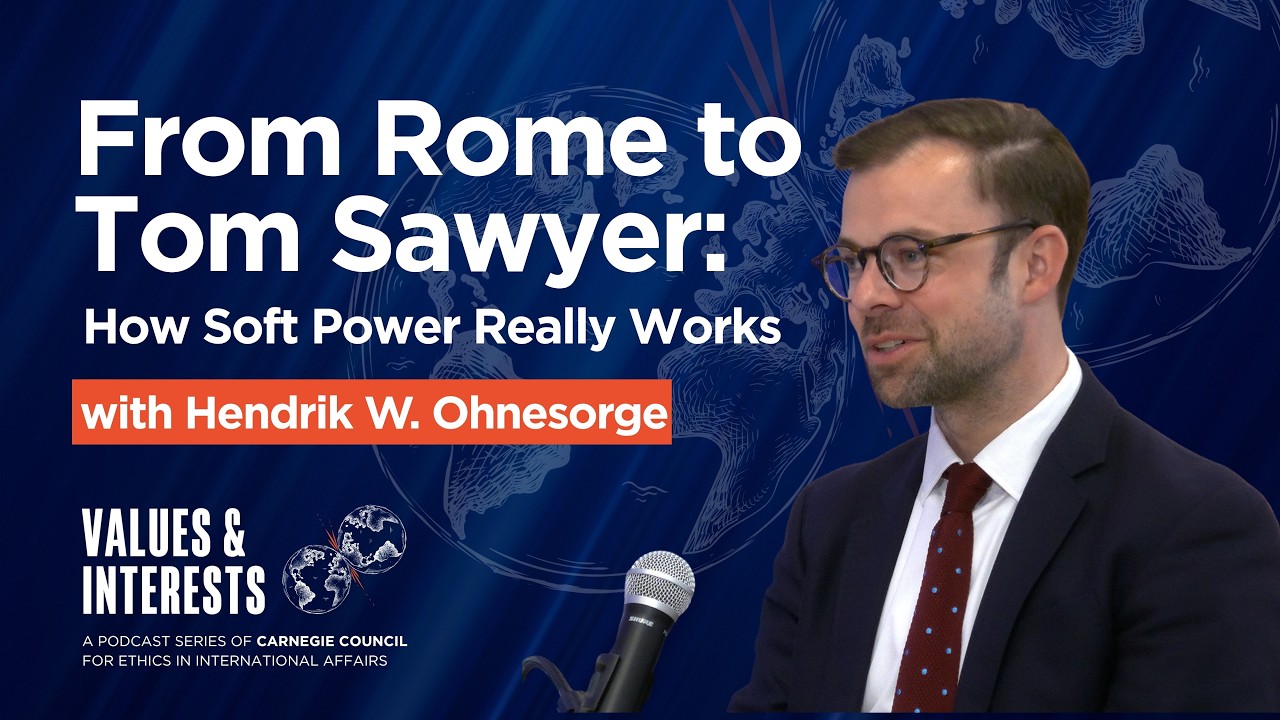
What makes power endure? University of Bonn's Hendrik W. Ohnesorge explores the relationship between influence, values, and international leadership, arguing that attraction and legitimacy often ou...
The global decline of freedom and the authoritarian playbook, with Yana Gorokhovskaia
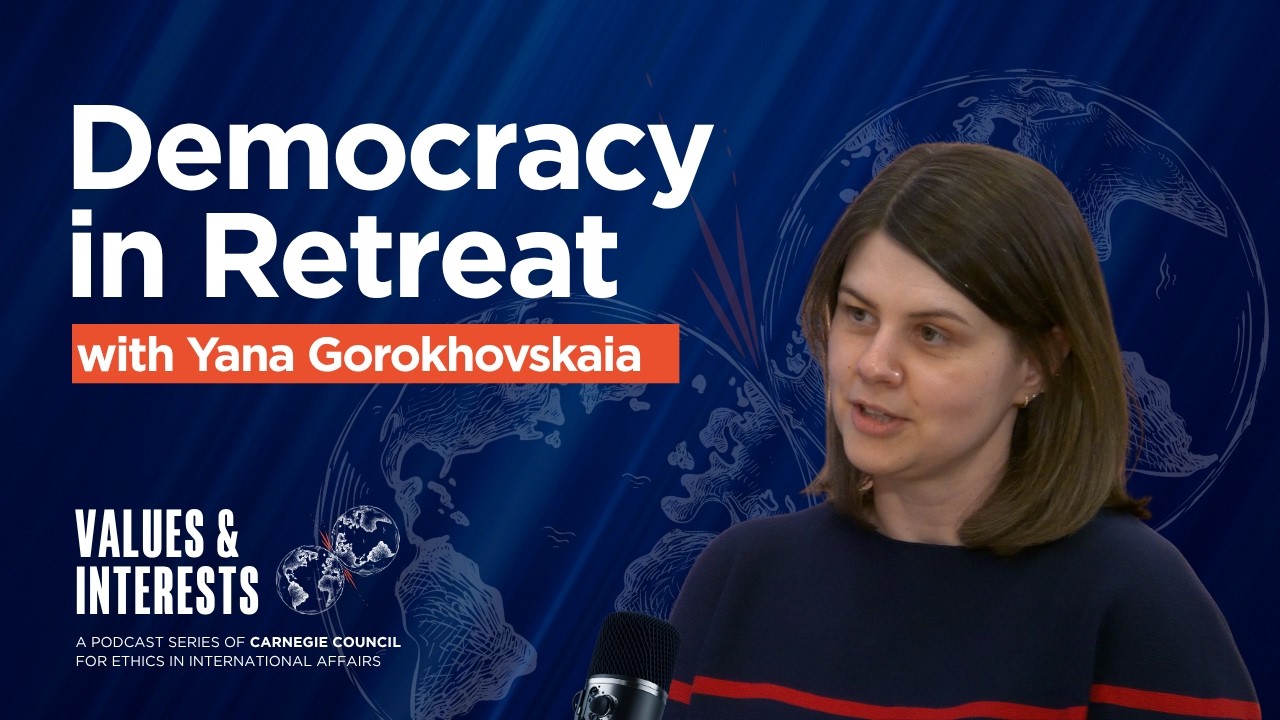
In the last twenty years rights and liberties have eroded across more of the world than they have advanced. The cumulative effect is a transformed international order in which authoritarian governm...
The Weight of the Bomb: Ethics in a Nuclear Age
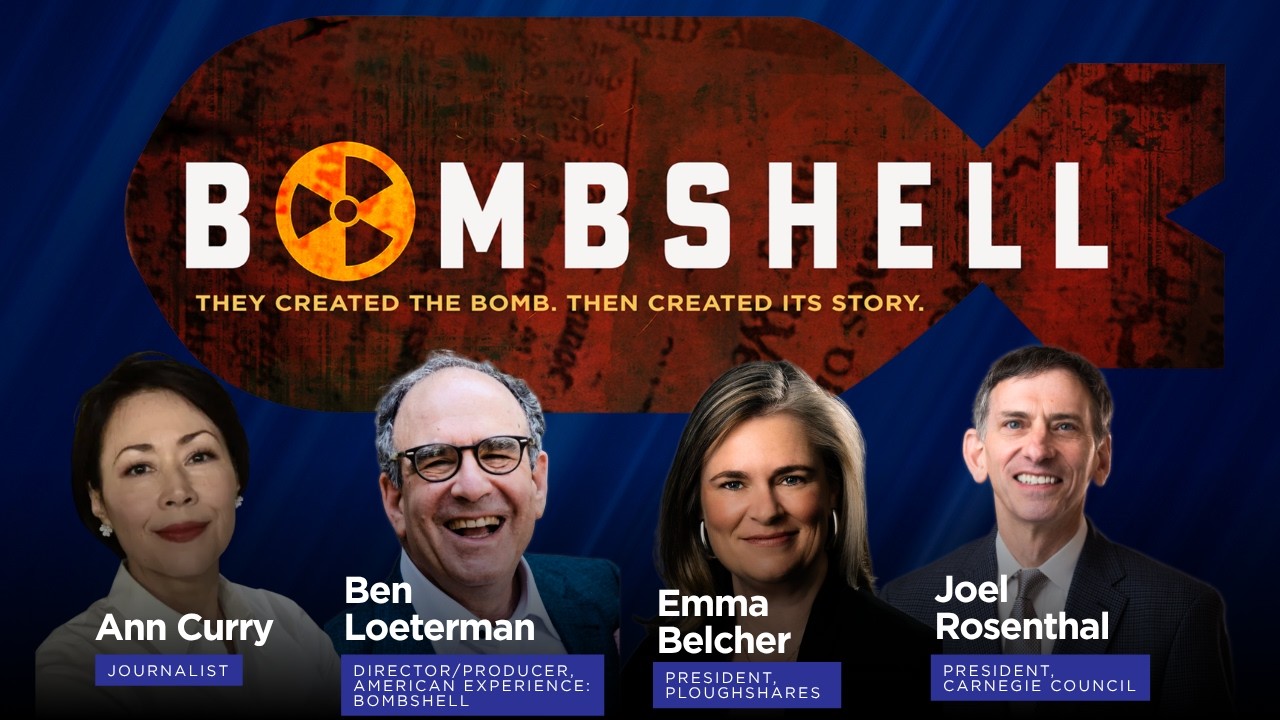
We are walking a fraying nuclear tightrope. Russia, China, and the U.S. are expanding their nuclear capabilities; extended deterrence is strained to the breaking point; and proliferation among midd...
U.S.-China relations, strategic empathy, and moral debts, with Professor Brian Wong
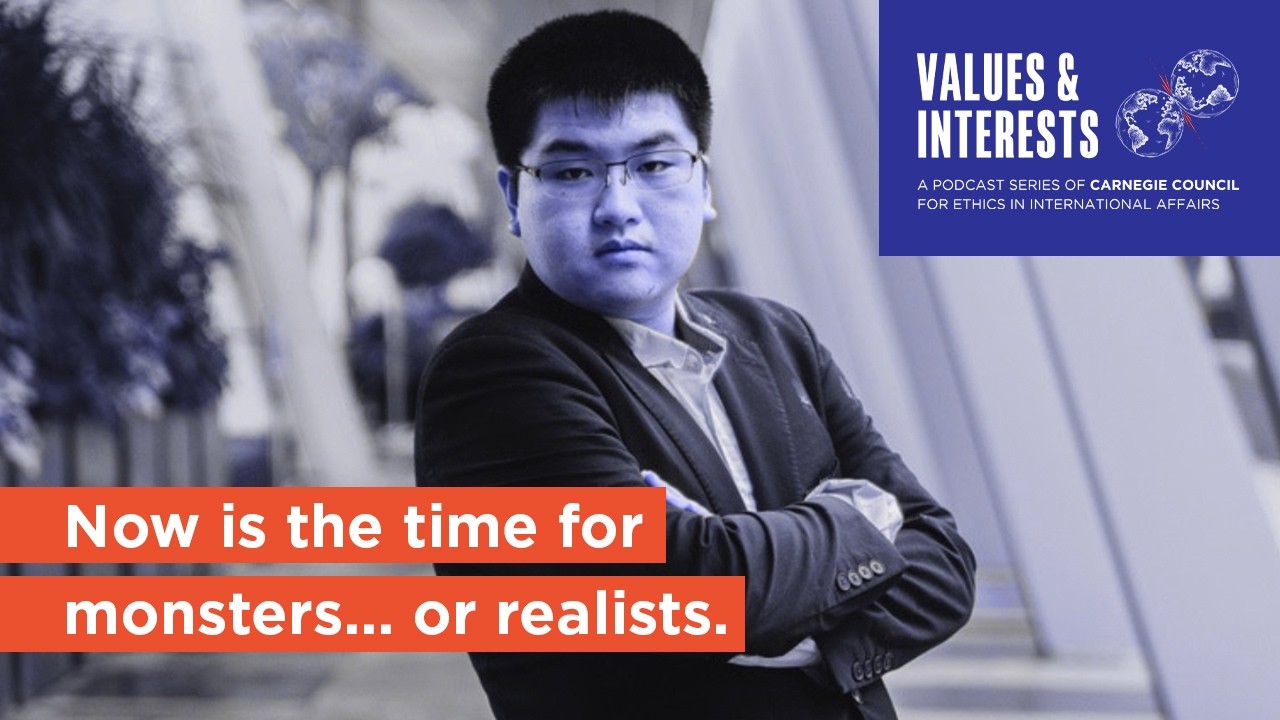
In a world experiencing a seismic shift in the values and principles that guide geopolitics, how can we practice strategic empathy without succumbing to moral relativism?
Brian Wong, assistant pro...
Values & Interests: Nuclear Ethics

We are walking a fraying nuclear tightrope. Russia, China, and the U.S. are expanding their nuclear capabilities; extended deterrence is strained to the breaking point; and proliferation among midd...
United Nations Under-Secretary-General on building moral and professional resilience
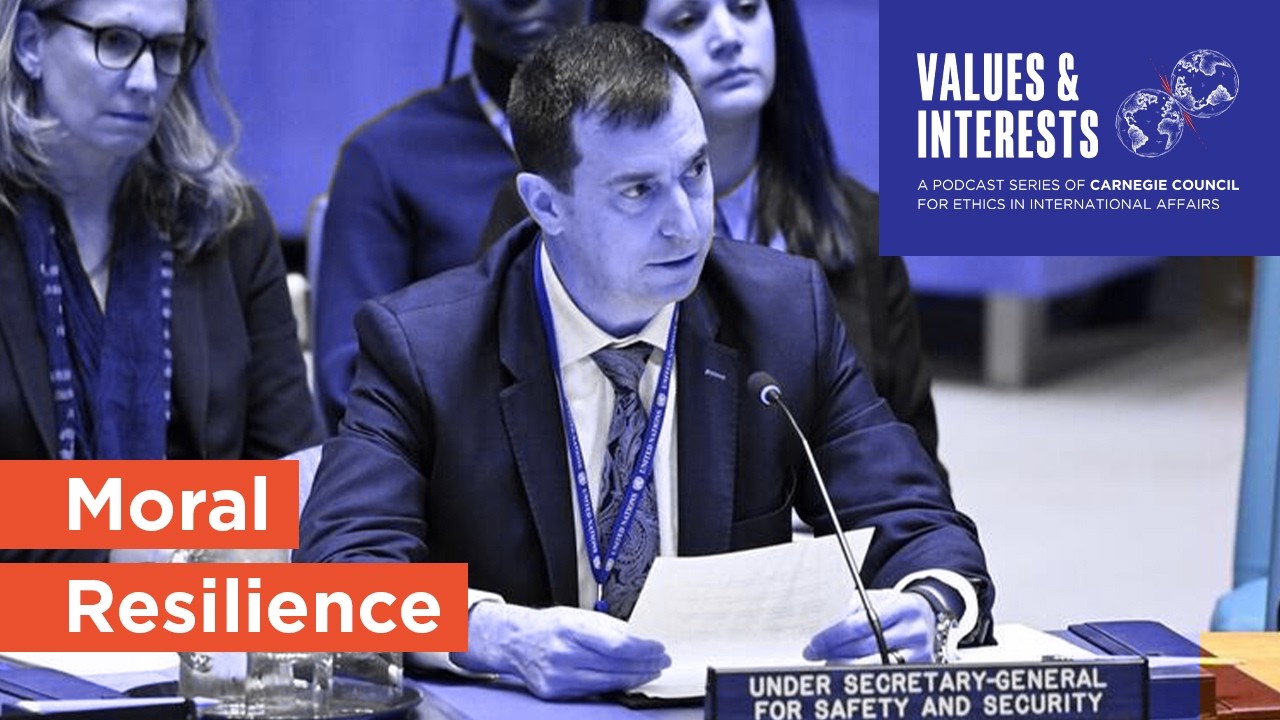
Gilles Michaud, UN under-secretary-general for safety and security, joins the "Values & Interests" podcast to examine the moral and political challenges facing UN personnel in some of the world’s
Ambassador James Story on U.S. power and moral standing
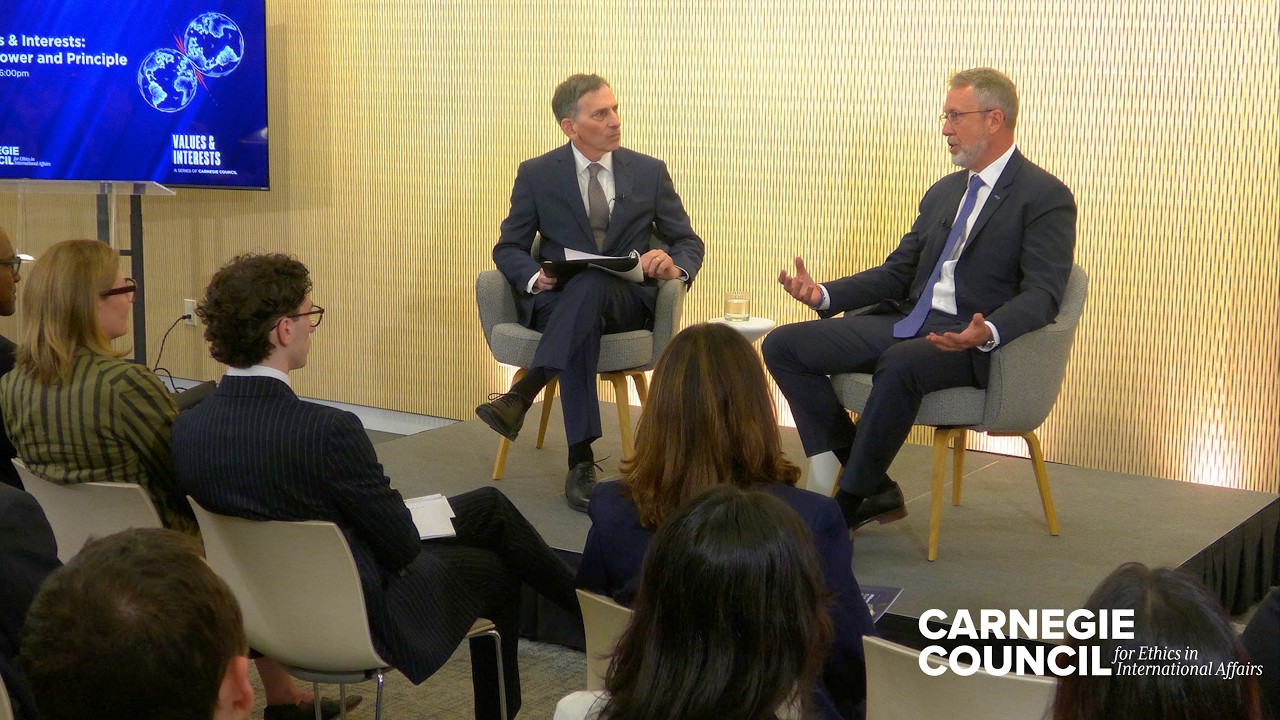
America’s post–World War II calculus guiding the relationship between power and principle has shifted dramatically. The result is a moment in which U.S. leaders may no longer be asking a vital ques...
Values & Interests: U.S. Power and Principle

America’s post–World War II calculus guiding the relationship between power and principle has shifted dramatically. The result is a moment in which U.S. leaders may no longer be asking a vital ques...
The Ethics of AI Agents in Global Governance
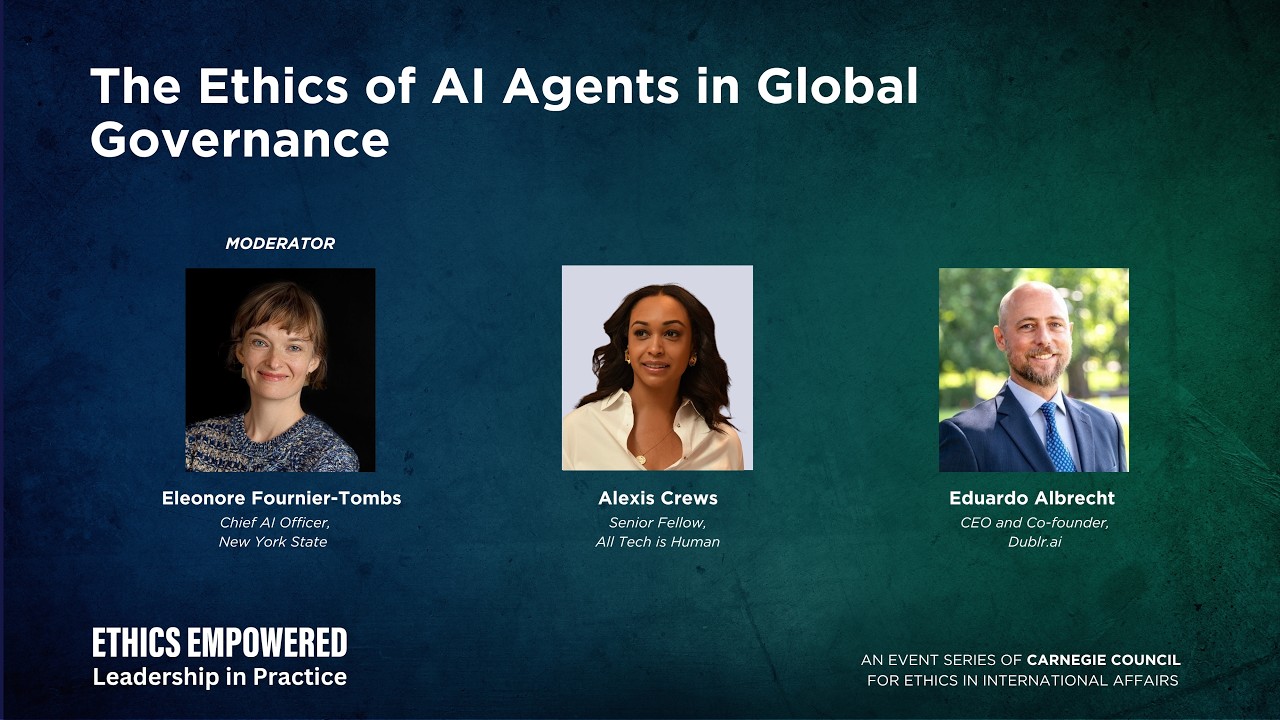
The adoption of AI agents is expanding rapidly, particularly within multilateral and diplomatic spaces. Such integration presents a myriad of new ethical questions and challenges for both the pract...
Geopolitics in a Fracturing World, with Raksha CEO Aarathi Krishnan
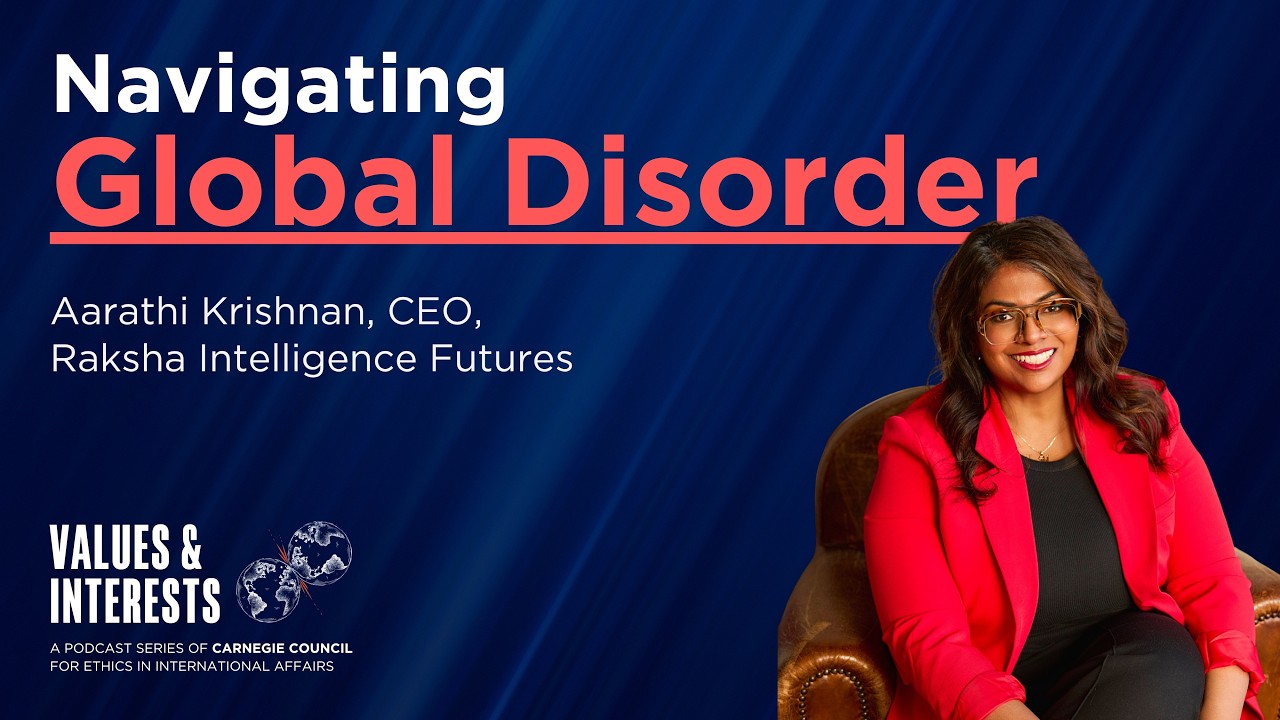
In a fracturing world awash with belligerent rhetoric, where are the real geopolitical pressure points and what forces are driving them? Aarathi Krishnan, CEO of Raksha Intelligence Futures, joins ...
Trump's gaslighting as a political tool
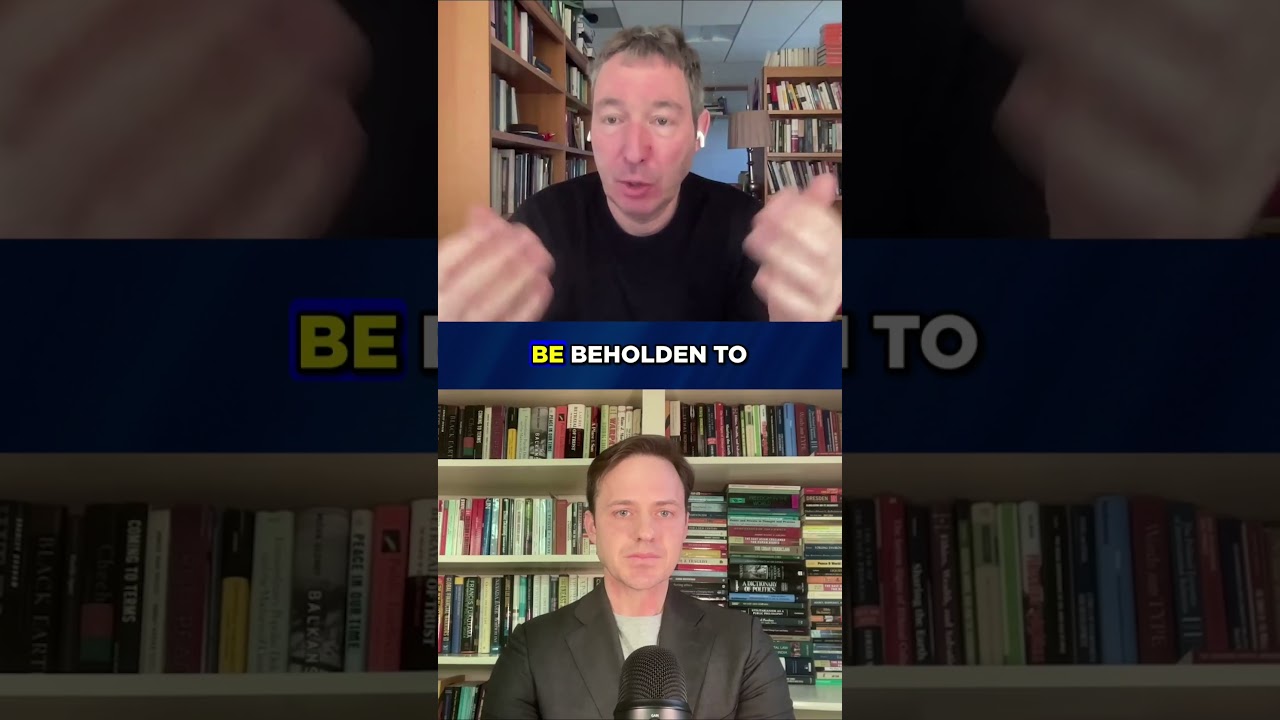
Harvard's Professor Mathias Risse discusses Trump’s gaslighting and its political impact.
Subscribe to “Carnegie Council” wherever you stream your podcasts.
Access the episode: https://carnegieco...
The Gaslighting of America, with Professor Mathias Risse
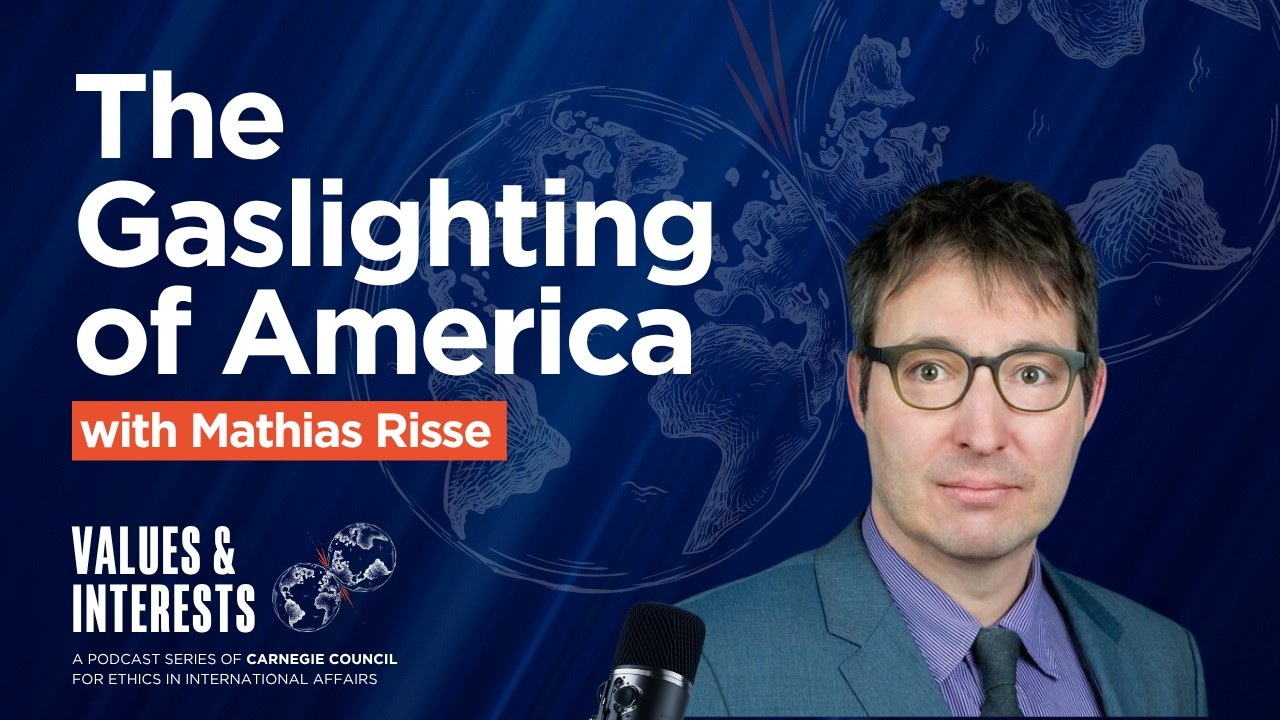
What is fueling the post-truth era in American politics, and why is it working?
Professor Mathias Risse of the Harvard Kennedy School argues that "gaslighting"—"persuasion through systematic besmi...
The Ethics of AI Agents in Global Governance

The adoption of AI agents is expanding rapidly, particularly within multilateral and diplomatic spaces. Such integration presents a myriad of new ethical questions and challenges for both the pract...
Realism is Not Militarism
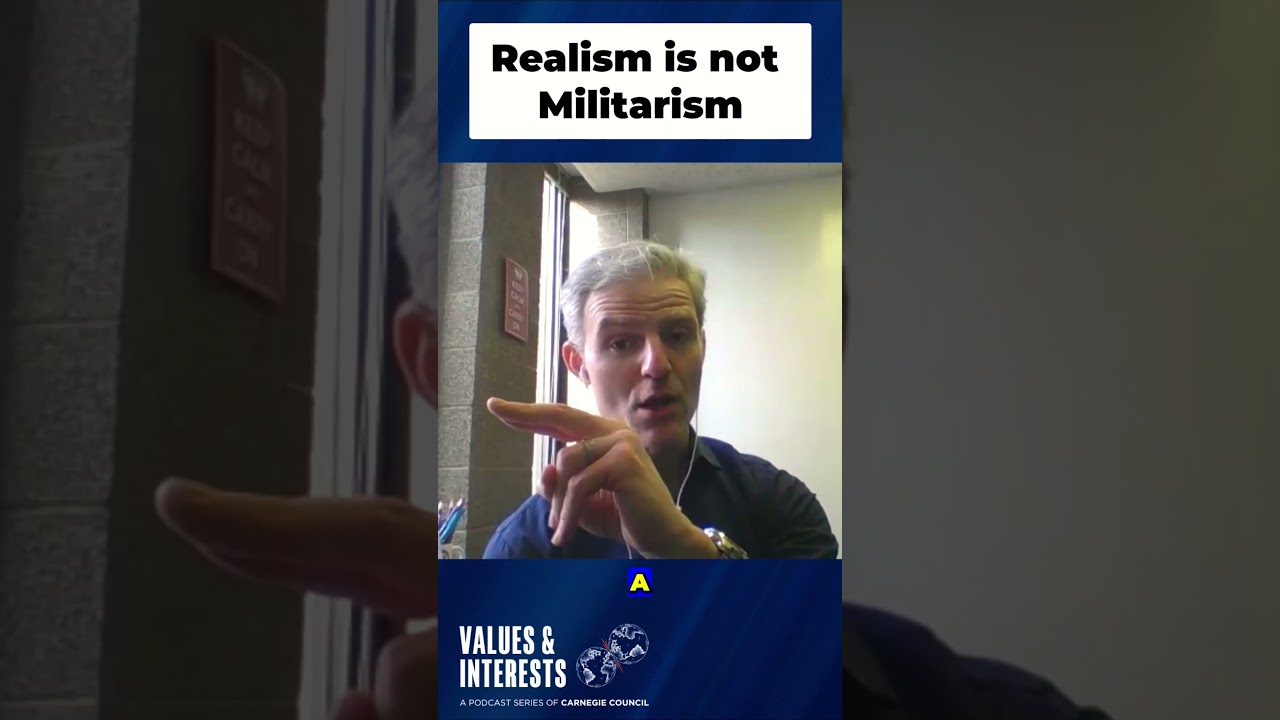
On the "Values & Interests" podcast, Professor Paul Poast argues that the militarism of the Trump administration is far from realism.
Subscribe to “Carnegie Council” wherever you stream your podc
Character and Leadership: A Conversation with Lt. General (ret.) Mark Hertling
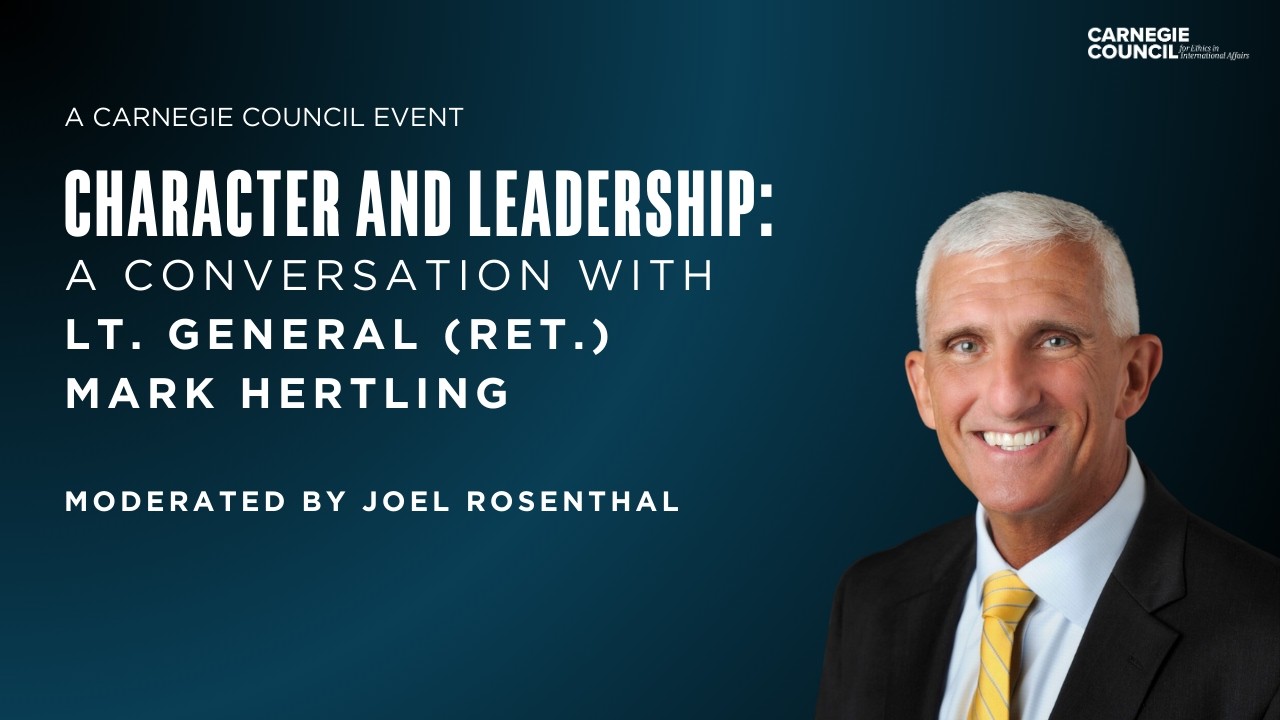
How can we rebuild trust and reinvigorate values-based leadership amid domestic and geopolitical upheaval?
U.S. Army Lt. General (ret.) Mark Hertling visits Carnegie Council to discuss the state o...
Why Space Matters and How to Govern It
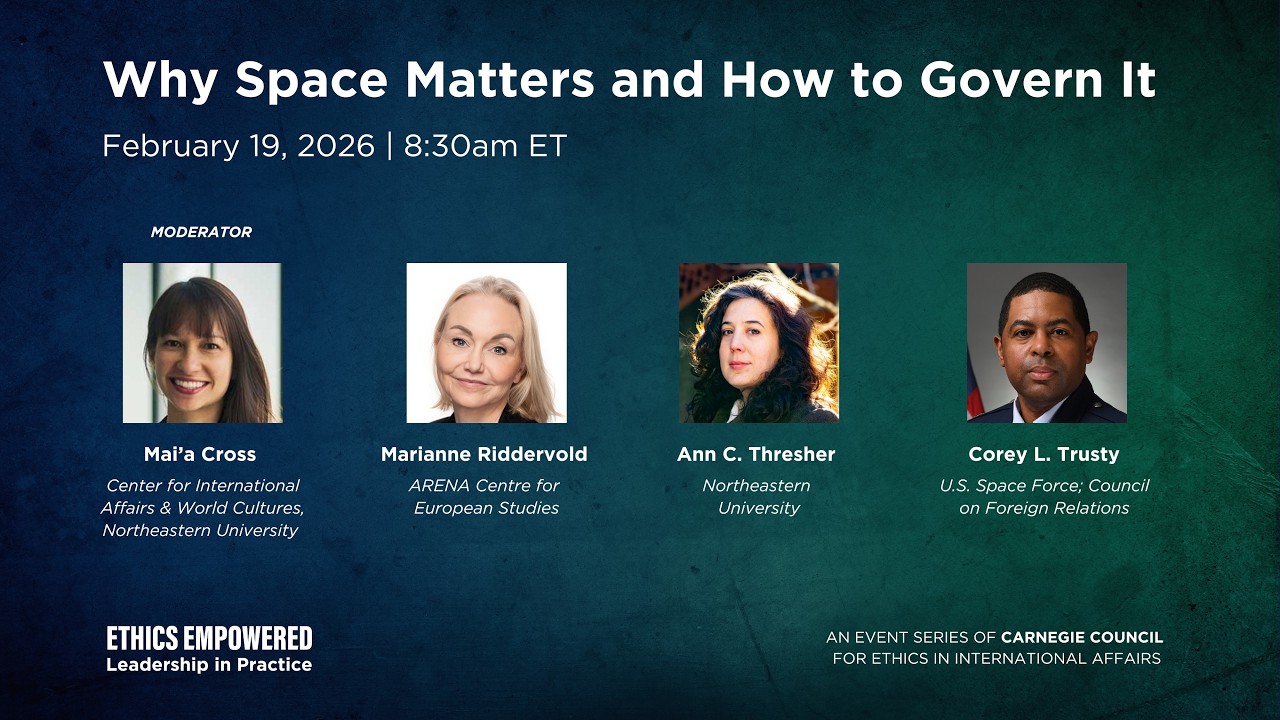
Since the establishment of the Outer Space Treaty in 1967, space has been understood to be a “global commons” in which no country has sovereignty. But today, with over 90 countries and dozens of pr...
Keeping it Real(ism), with Assoc. Professor Paul Poast
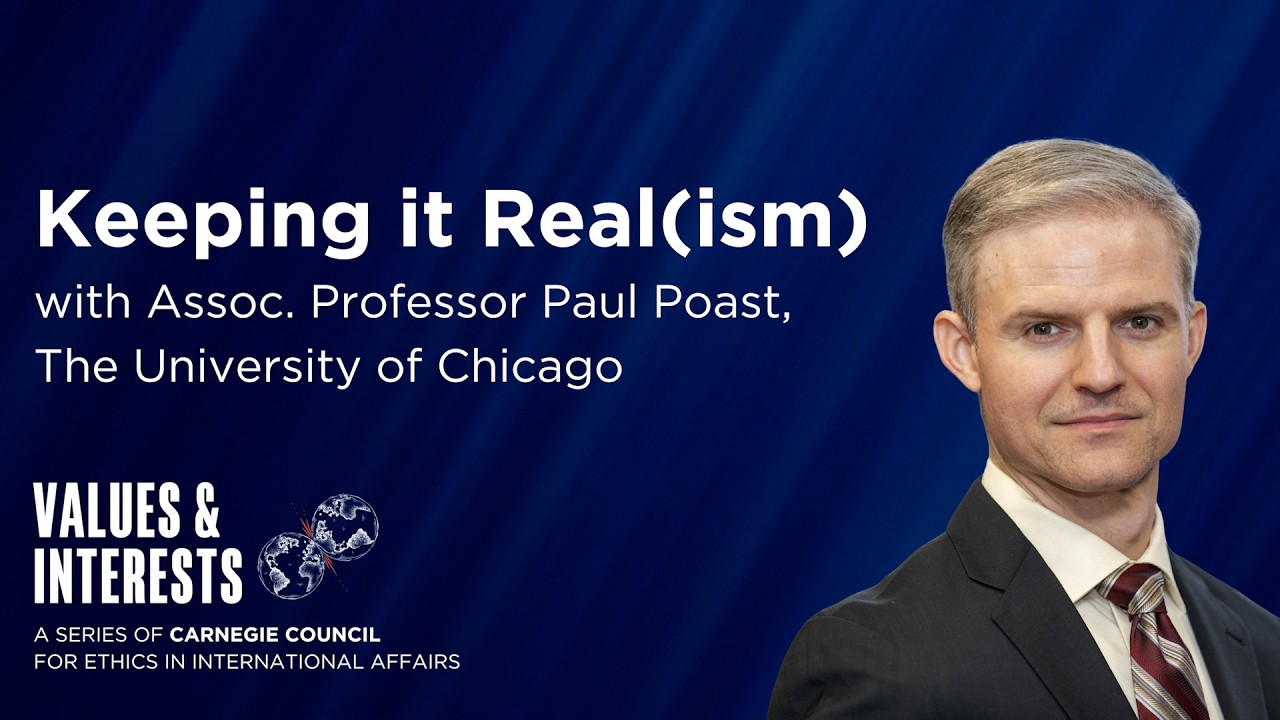
Realism—the international relations theory centered on power, national interests, and anarchy—is having a political moment. From the halls of the Munich Security Conference to the pages of the U.S....
E. H. Carr: Utopianism vs. Realism in International Relations
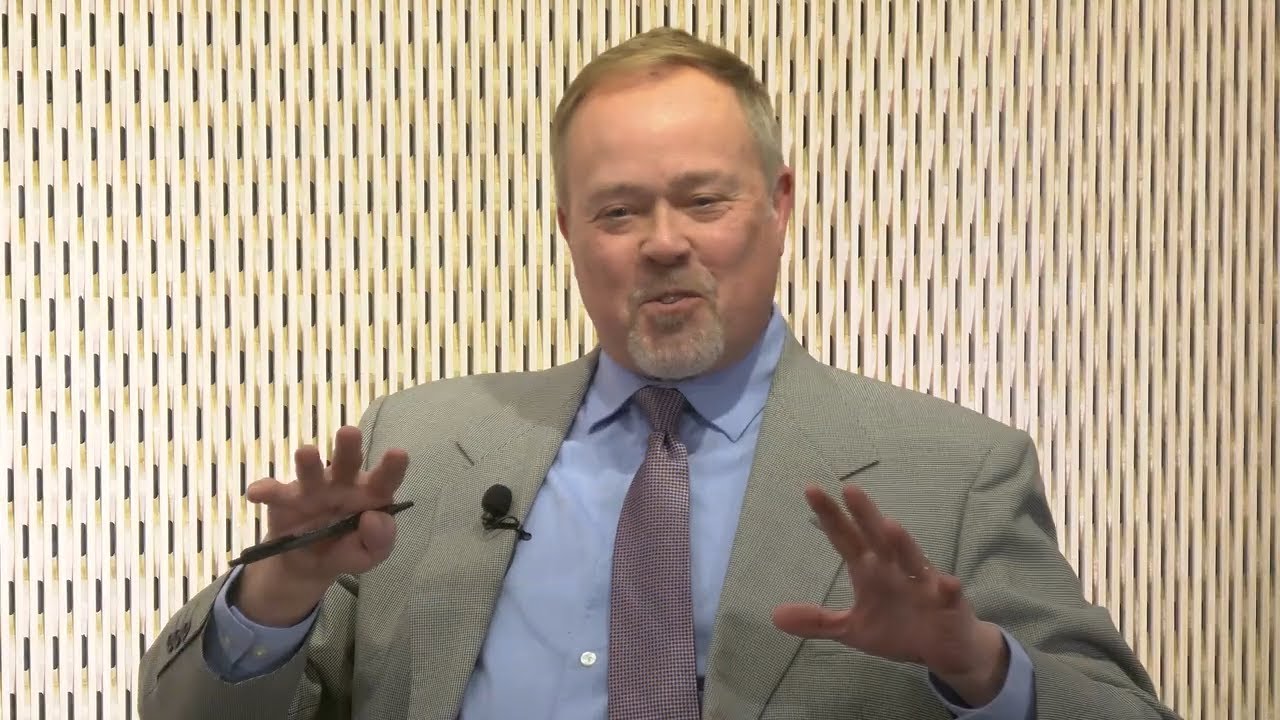
West Point’s Professor Scott Silverstone discusses the misunderstood British historian E. H. Carr, the origins of international relations as a field of study, and why utopianism is necessary to bal...
How Can We Achieve Just Peace?
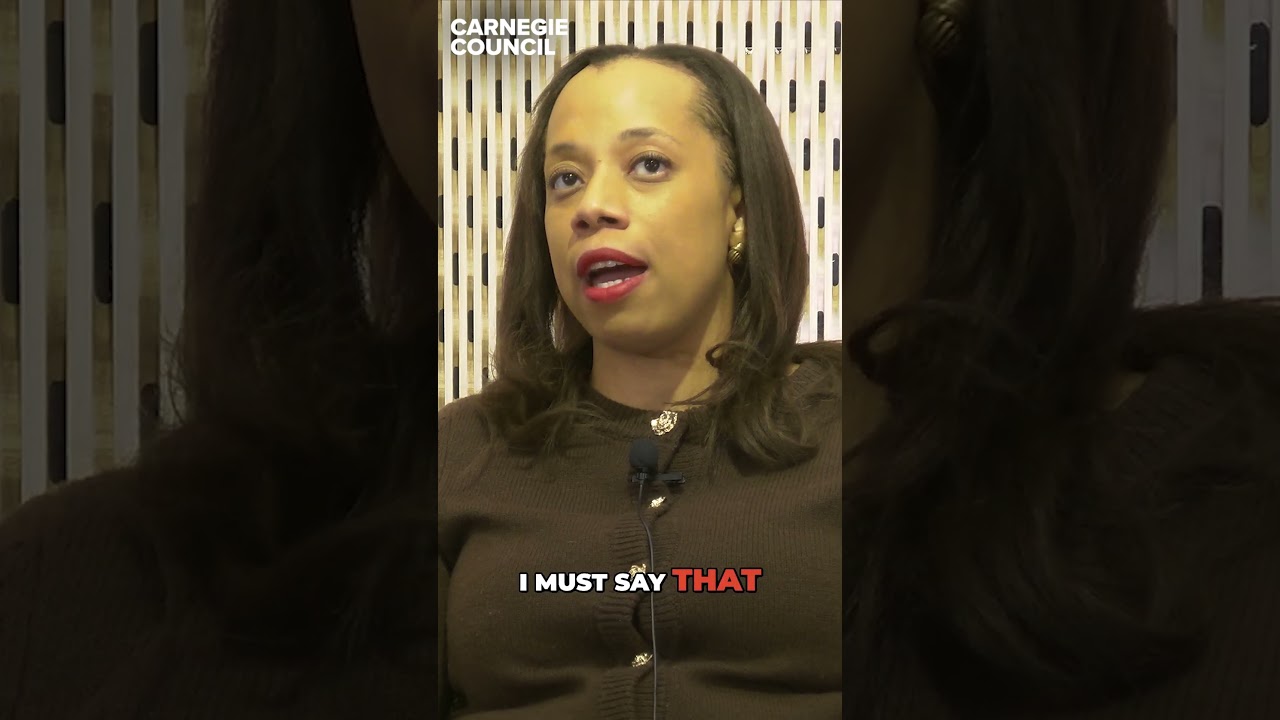
Asha Castlebery-Hernandez discusses how we might secure just peace at moment of significant geopolitical upheaval.
For more, please go to: https://carnegiecouncil.co/ethics-empowered-just-peace
The Legacy of the World Wars and the Path to Just Peace
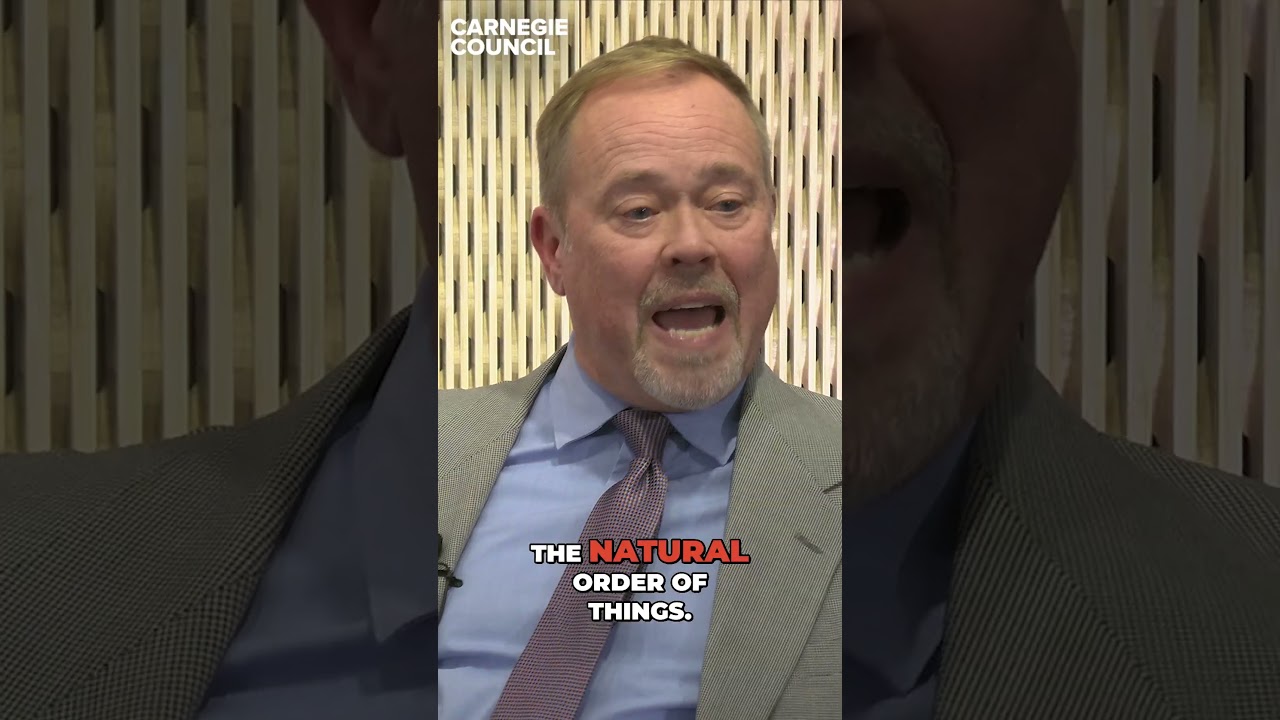
West Point’s Professor Scott Silverstone says the older generations have an ethical responsibility to carry on the memory of the world wars in first half of the 20th century.
For more, please go ...