
 Khan Academy
1d ago
Khan Academy
1d ago
▶
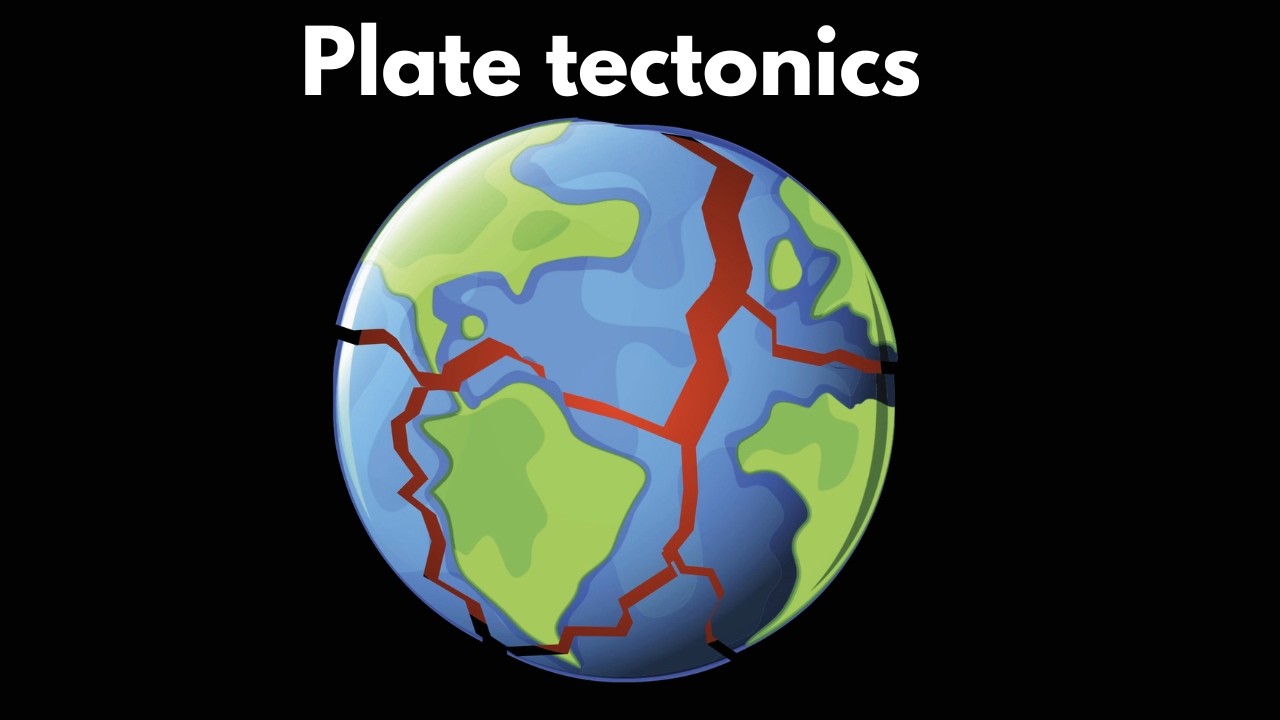
Plate tectonics | Middle school Earth and space science | Khan Academy
In the 1800s, scientists began noticing that some continents fit together like the pieces of a jigsaw puzzle. This led to speculations that the continents were once connected, but moved apart. Evidence began supporting this new theory of “continental drift.” For instance, fossils and rock formations on one continent matched those on another continent. Soon scientists discovered that new crust was being formed under the ocean. This idea of sea-floor spreading led to the modern theory of plate tectonics. The crust and upper part of the mantle compose the lithosphere, which is broken into massive, moving plates. The lithosphere rests on the asthenosphere, the upper part of the mantle. The rock of the asthenosphere is plastic, and moves the upper plates on convection currents of heat from Earth’s interior.
Next Generation Science Standards (NGSS):MS-ESS2-2, MS-ESS2-3, MS-ESS2.A.2, MS-ESS2.B.1, MS-ESS1.C.1.
------------------
Khan Academy is a nonprofit organization with the mission of providing a free, world-class education for anyone, anywhere. Khan Academy has been translated into dozens of languages, and 15 million people around the globe learn on Khan Academy every month. As a 501(c)(3) nonprofit organization, we would love your help!
Donate or volunteer today! Donate here: https://www.khanacademy.org/donate?utm_source=youtube&utm_medium=desc
Volunteer here:
https://www.khanacademy.org/contribute?utm_source=youtube&utm_medium=desc