

Health Action International

The use of TRIPS flexibilities has proven to be a powerful policy tool to improve access to health technologies. While some measures are widely accepted, others, like compulsory licensing, continue...
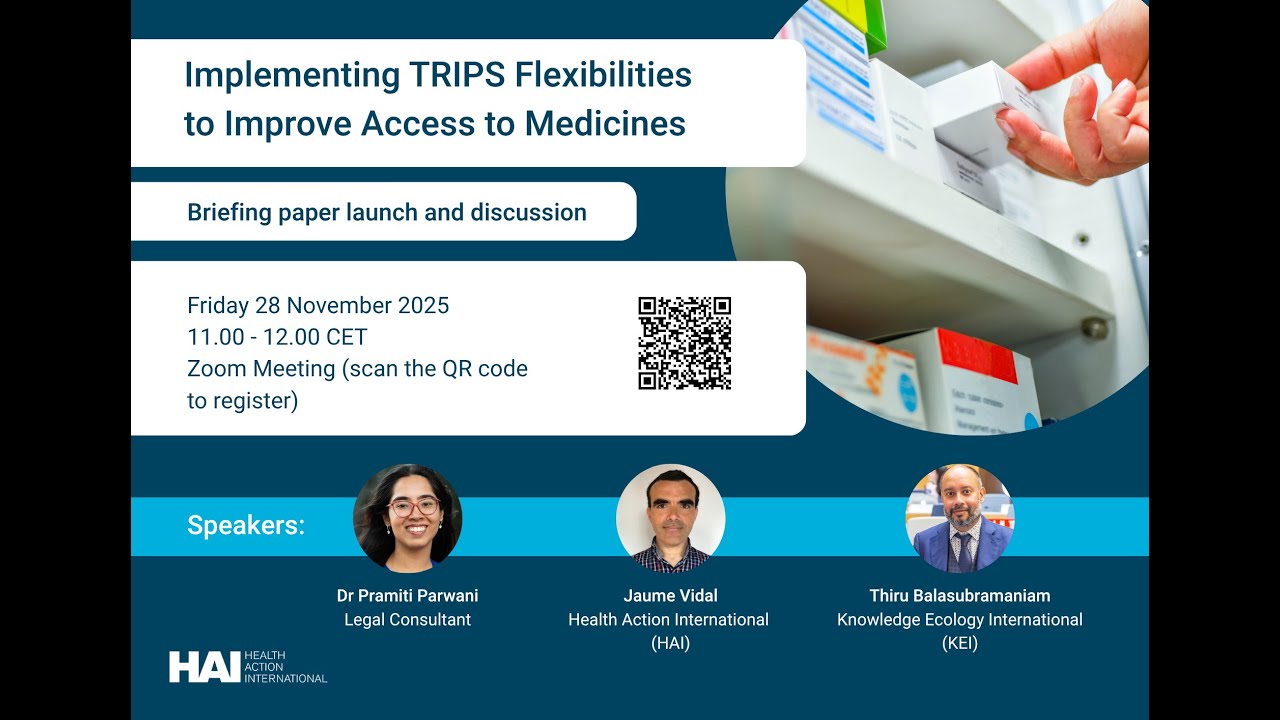
The recording of a seminar on the implementation of TRIPS flexibilities at domestic, regional and multilateral levels to improve access to patented medicines around world. The seminar focused on th...

Did you know that thousands of people in Tanzania are living with diabetes and many don’t even know it? In this short clip from Beyond Access to Insulin film we highlight how communities in Tanzan...

Ensuring access to insulin, care, treatment, education and support to combating stigma & discrimination are defining Kyrgyzstan approach to #DiabetesCare. Hear out from people living with diabetes

Before using AI tools for mental health, ensure you understand their privacy policies. Are they clear about how your data is used, stored, and protected? We heard privacy concerns raised when we ta...

The increasing use of AI in mental healthcare, including through the use of chatbots, raises questions as to trust and contextual understanding. We took to the streets of Amsterdam to capture insig...

Ensuring access to insulin is essential for all who need it. But for people to use insulin optimally, they must also have access to many other elements, including care, education and support. En...
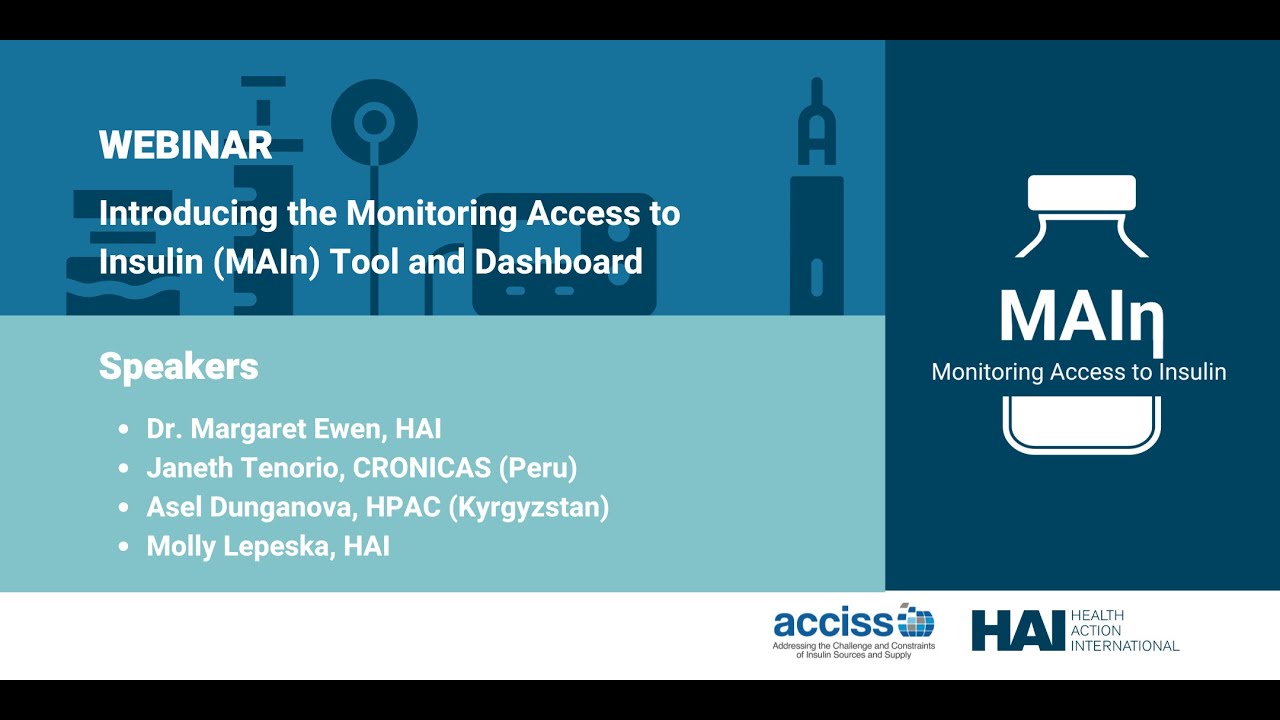
Health Action International (HAI)’s ACCISS Study has developed the Monitoring Access to Insulin (MAIn) tool for the regular monitoring of the availability and prices of insulin, delivery devices, b...

Beneath the overly positive narrative promoting AI used in the health sector as a cost effective and essential tool to improve lives lies a much more nuanced reality in which major risks exist.
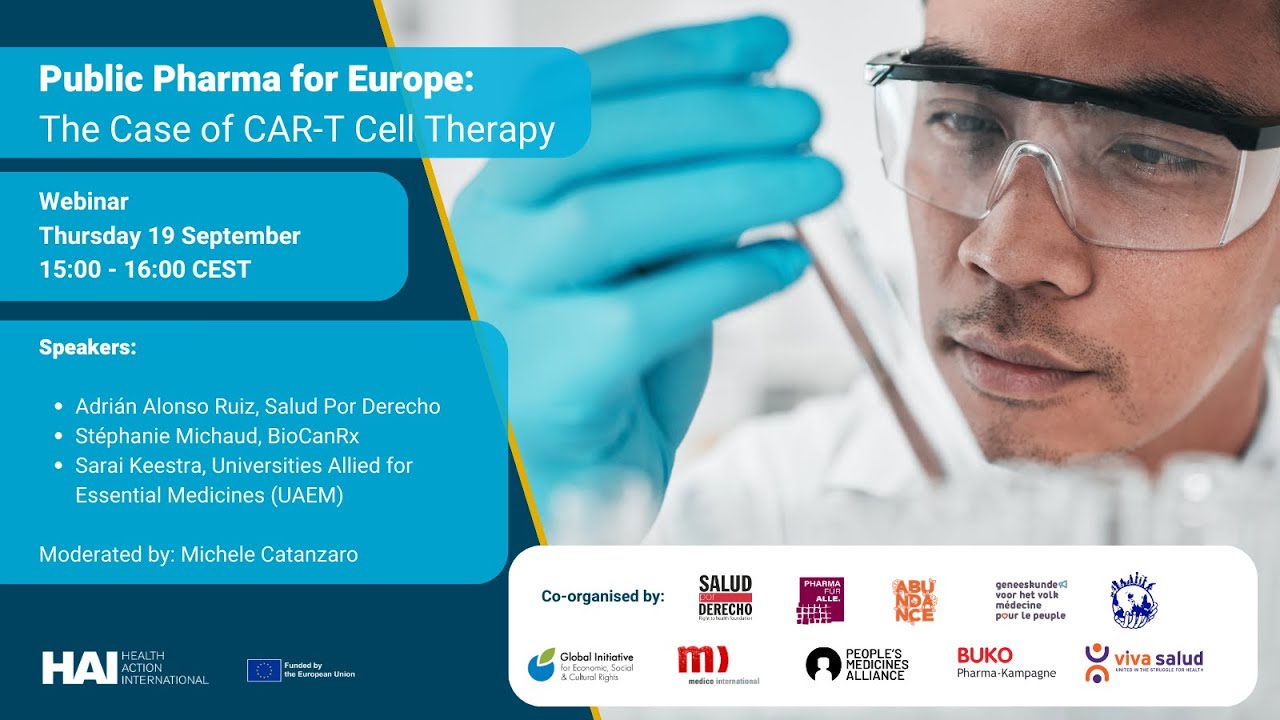
On far too many occasions, publicly funded medical research that leads to successful health technologies fails to prioritize global access in licensing and marketing strategies. As public research ...

Over 2023, our team working on the Promoting Health Rights and Access to Medicines in Europe (PHRAME) project has carried out a variety of activities contributing to achieving concrete results to p...
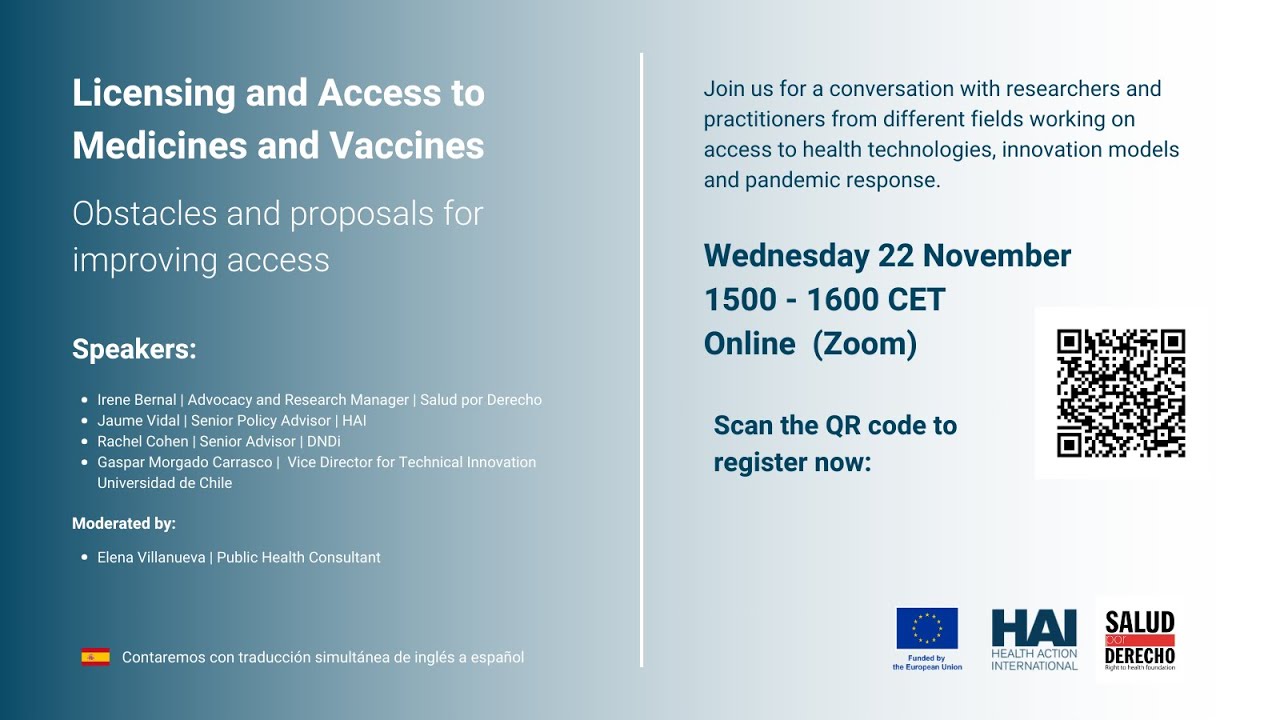
Public support, through funding and other form of assistance, is critical for biomedical research & development (R&D) and instrumental in allowing innovative health technologies reaching marke

Last week, the HAI AI and communications teams visited Brussels to hold a breakfast briefing for journalists. The briefing aimed to provide journalists with the opportunity to learn more about the ...
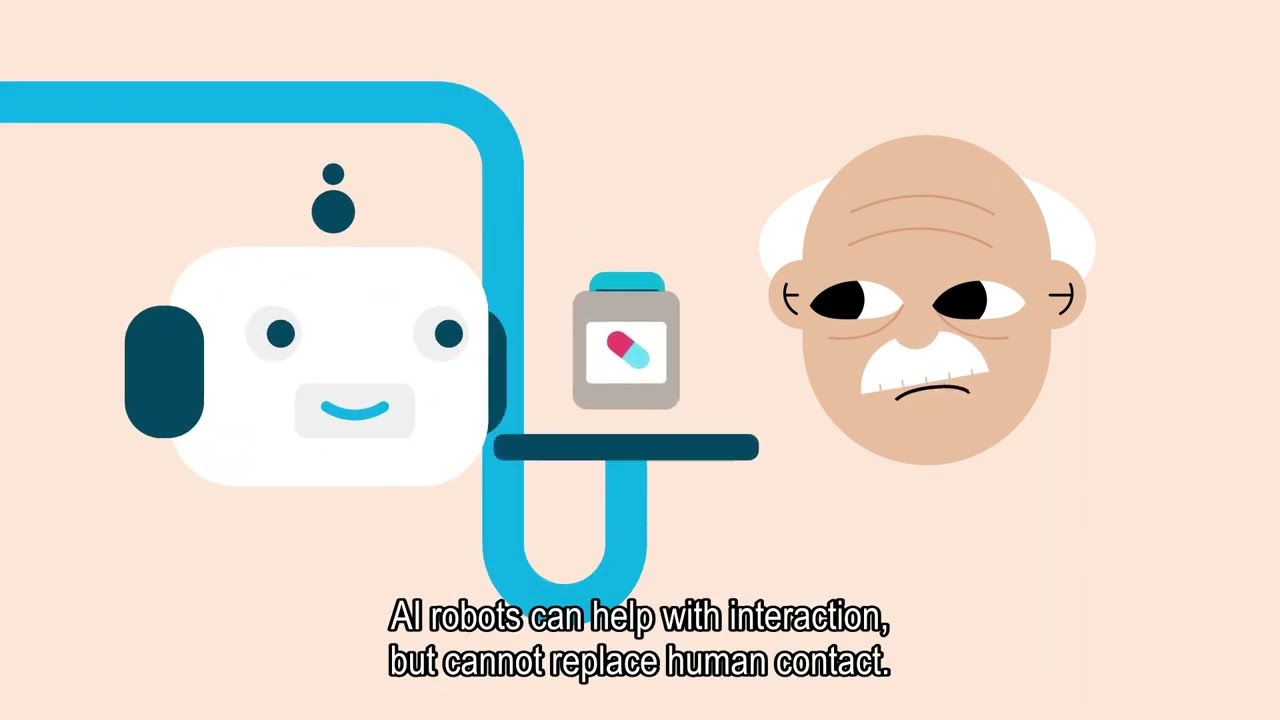
Artificial intelligence is widely developed and used in elderly care. Strong regulation is necessary to keep care accessible, patient-centric and compassionate. Watch this video to find out how we ...
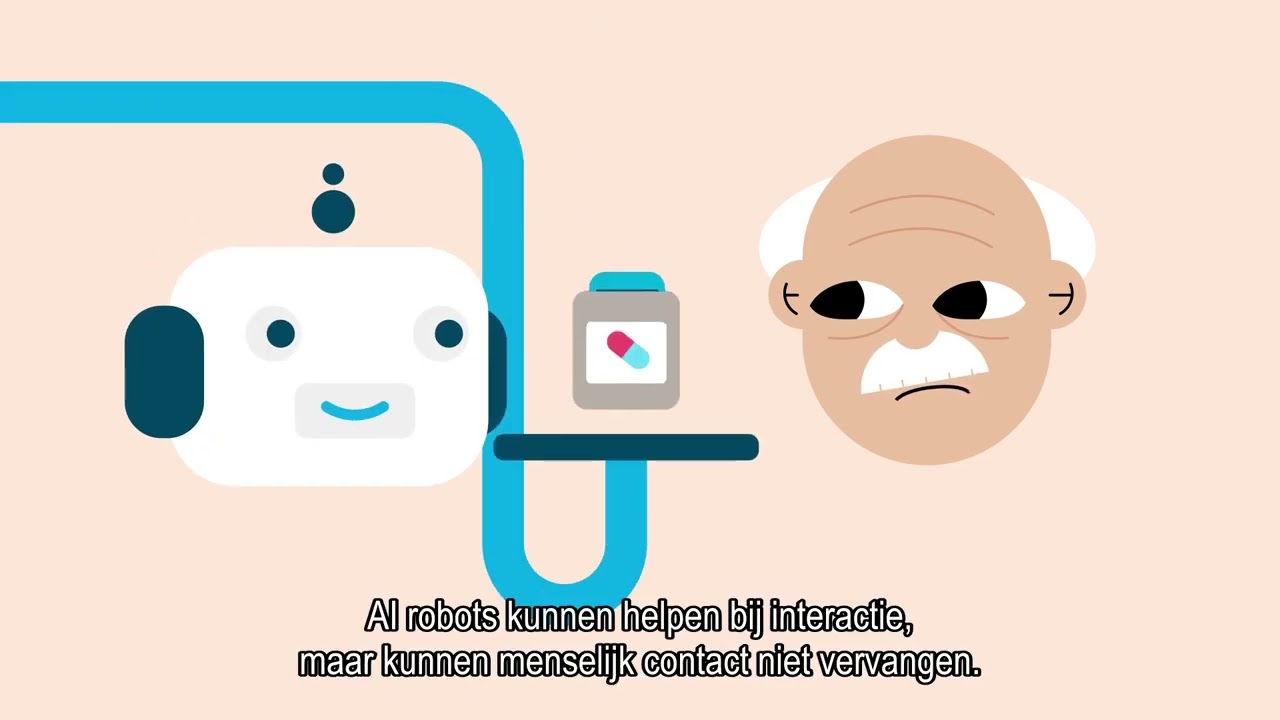
Artificiële intelligentie wordt op grote schaal ontwikkeld en gebruikt in de zorg voor ouderen. Sterke regelgeving is nodig om de zorg toegankelijk, patiëntgericht en menswaardig te houden. Bekijk ...

A Joint Statement of the European Union (EU) Health Policy Platform Thematic Network* 2022-23, Navigating Health Inequalities in the EU through Artificial Intelligence (AI), focuses on actions need...
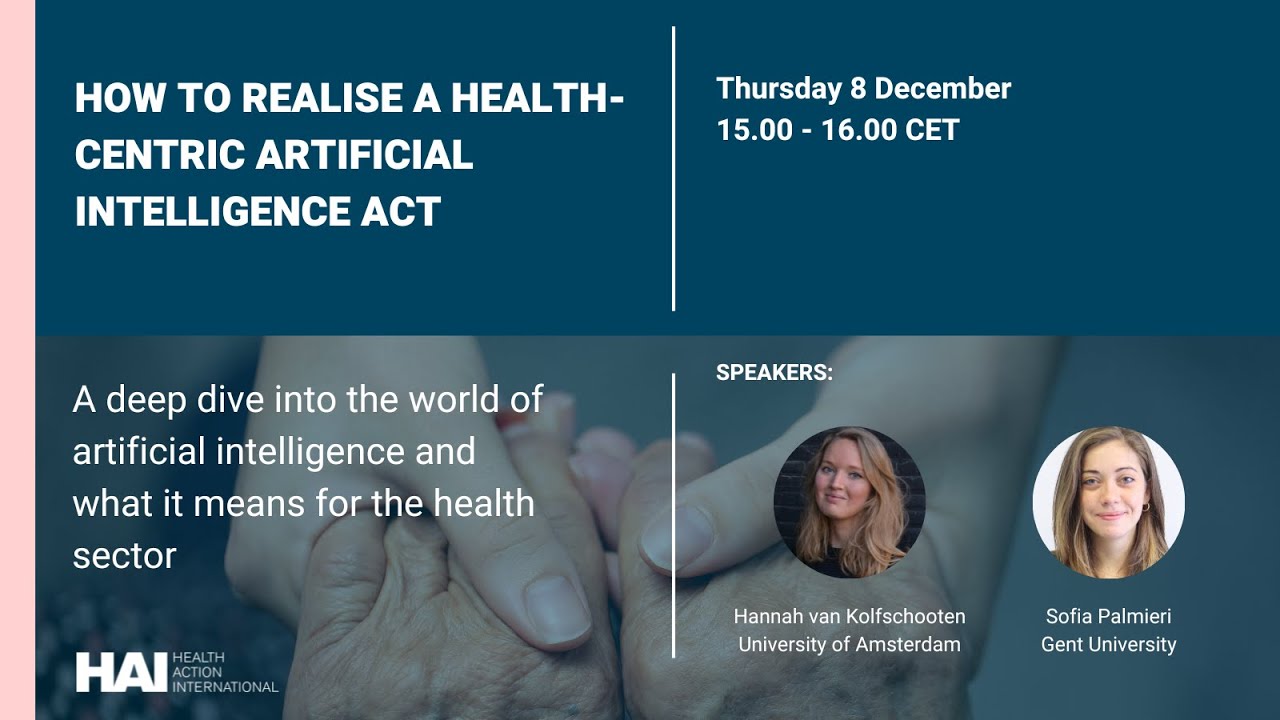
Deep dive into the Artificial Intelligence Act and health with experts Sofia Palmieri and Hannah van Kolfschooten.
This webinar will cover the following topics:
- Find out what the AI Act means fo...
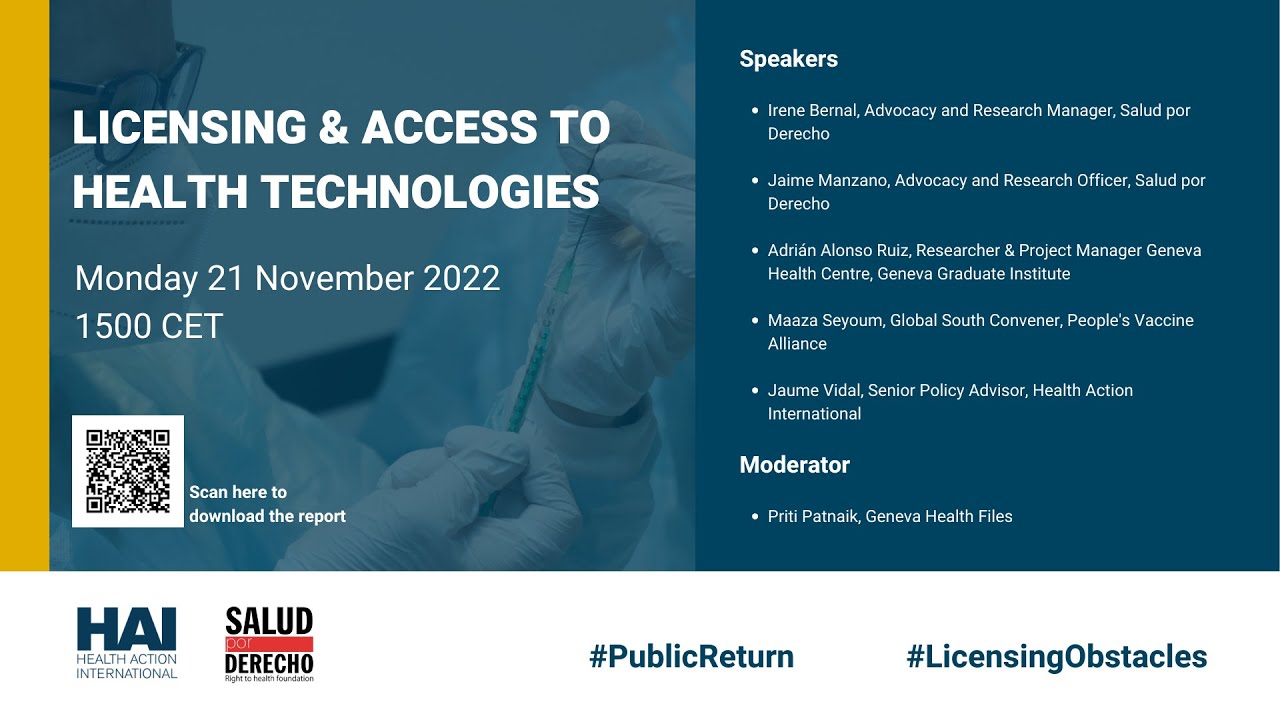
Our expert panel identifies and discusses the barriers to non-exclusive licensing and other forms of public return on public investment by public research organisations and their impact on access t...

"The TRIPS Agreement Laid Bare: Learning the lessons of COVID-19 to improve access to health technologies", is a new policy paper that provides an account of the history of the TRIPS agreement and ...

Drawing on evidence and best practices from EU-funded adolescent SRHR programmes, Health Action International, Rutgers, MSI Reproductive Choices and Plan International, jointly hosted this event in...