
 GISF
106d ago
GISF
106d ago
▶
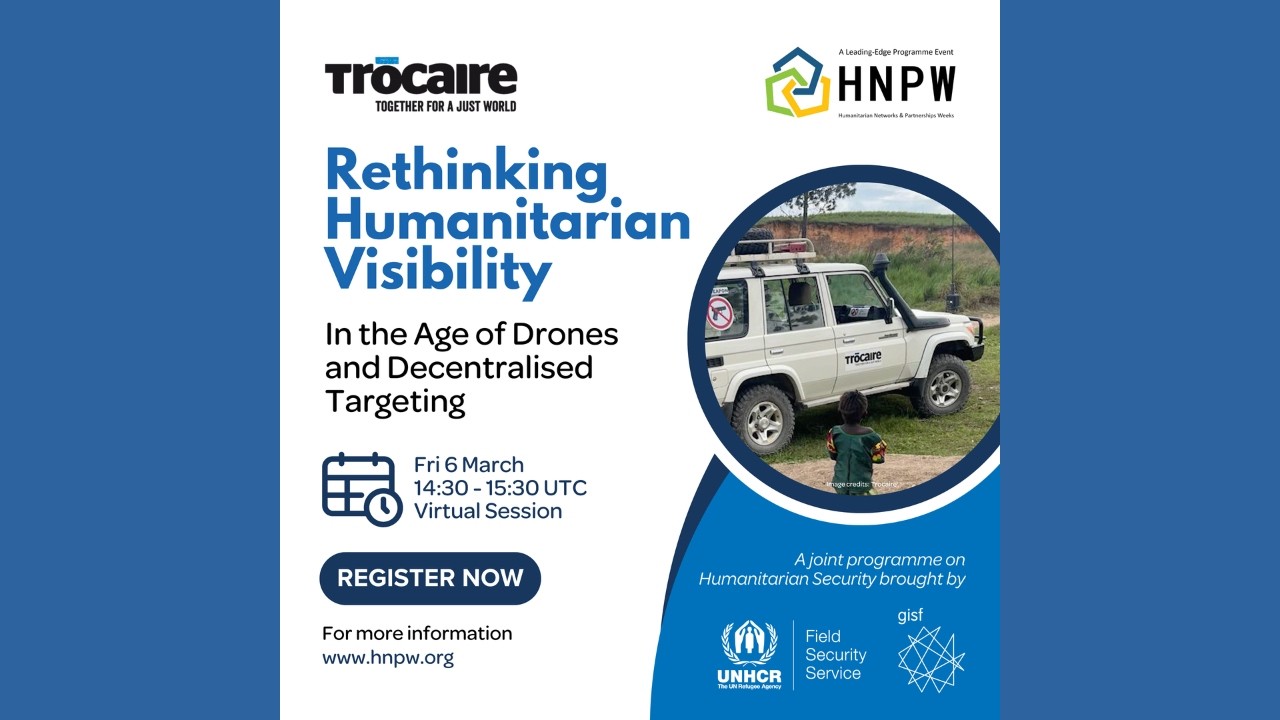
HNPW 2026: Rethinking Humanitarian Visibility in the Age of Drones and Decentralised Targeting
As modern conflict evolves, INGOs are increasingly operating in environments shaped by decentralised or rapid targeting cycles, AI-assisted decision-making, and persistent drone surveillance. Traditional visibility strategies — such as logos, signage, and static liaison channels — are no longer sufficient in fast-moving, fragmented, and technology-enabled battlespaces.
In near-peer and hybrid conflicts, the front line may extend 50 km beyond the traditional line, with military ISR and logistical footprints stretching far deeper. This is precisely the space where many NGOs operate — delivering aid, mobile health, and outreach — often without effectively identifying themselves to all actors in the targeting chain. The situation is further complicated when aid convoys are co-located with military escorts, increasing the risk of being perceived — or misclassified — as legitimate targets.
This session examined:
How INGOs are becoming increasingly exposed due to outdated identity signalling.
Why traditional deconfliction mechanisms no longer offer sufficient protection.
The risks posed by the modern military optics and our proximity to military assets.
What visibility protocols, training, and digital signature control may look like in AI-enabled conflicts.