
GISF
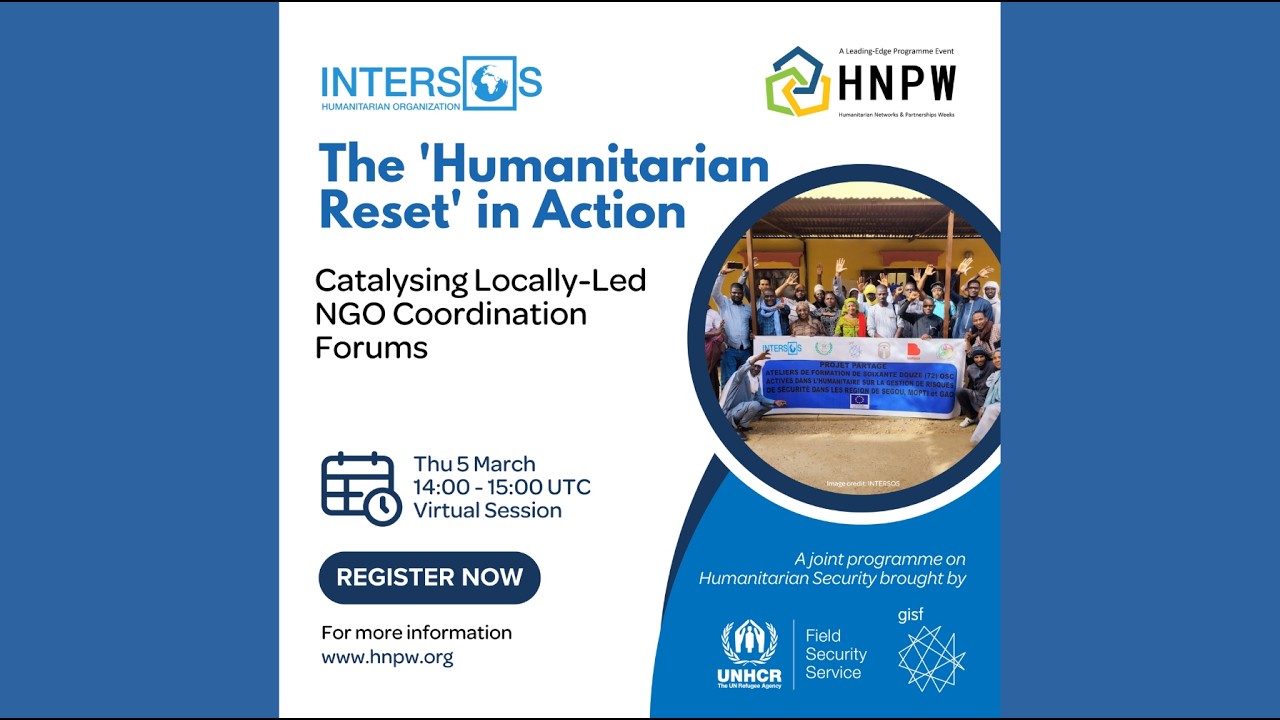
The Localisation Agenda and the "Humanitarian Reset" calls for a transformative shift in humanitarian coordination, moving beyond symbolic integration of local actors into existing mechanisms, towa...
The Humanitarian Reset acknowledges that the sector faces a profound crisis of legitimacy, morale, and protection. Humanitarian principles have long underpinned acceptance and operational safety, r...
As modern conflict evolves, INGOs are increasingly operating in environments shaped by decentralised or rapid targeting cycles, AI-assisted decision-making, and persistent drone surveillance. Tradi...

Violence against health services in conflict remains a persistent threat, with severe consequences for health workers and for communities’ access to care. Health facilities must remain open and acc...

In an era marked by escalating threats to humanitarian action, that range from direct violence against personnel to disinformation campaigns, criminalization of essential activities, and political ...

The humanitarian sector has been building its digital transformation muscles for years now, progressively creating a parallel dimension of aid running in parallel to - and sometimes replacing - tra...

Ten years ago, the landmark case of Steve Dennis, which found an NGO legally liable for a failure in duty of care, marked a turning point for our sector. Since then, expectations of boards and seni...
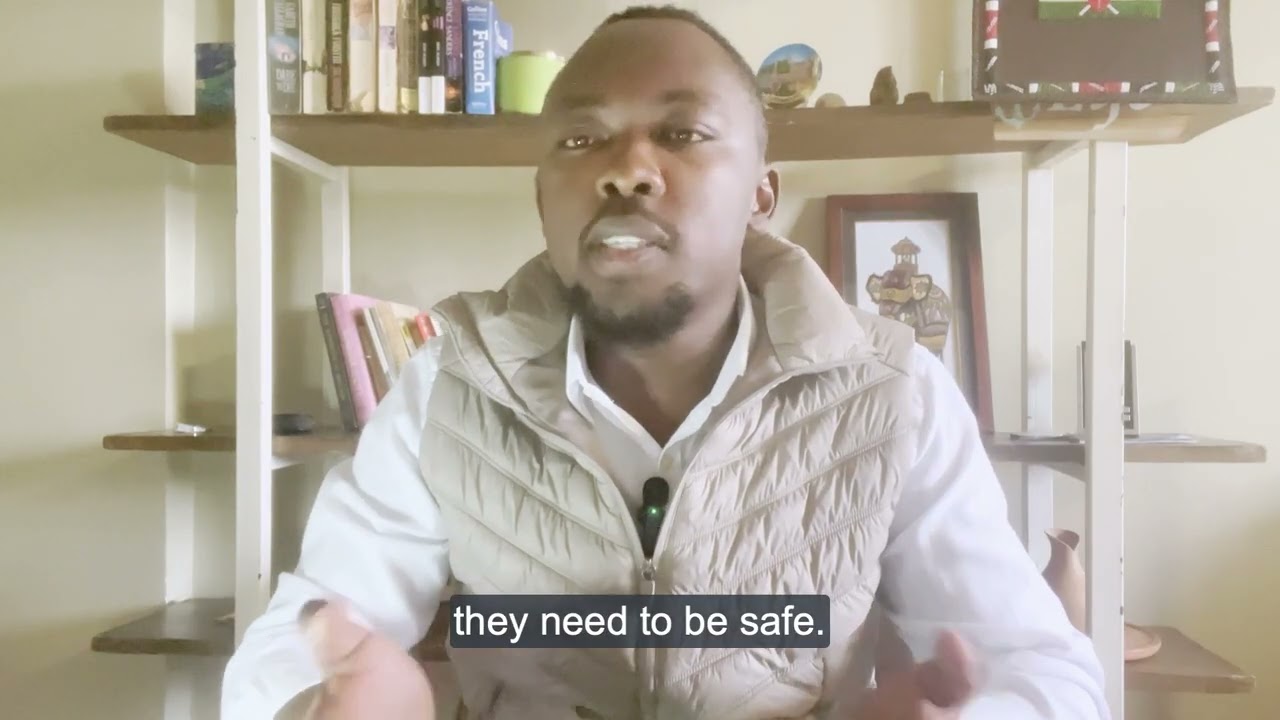
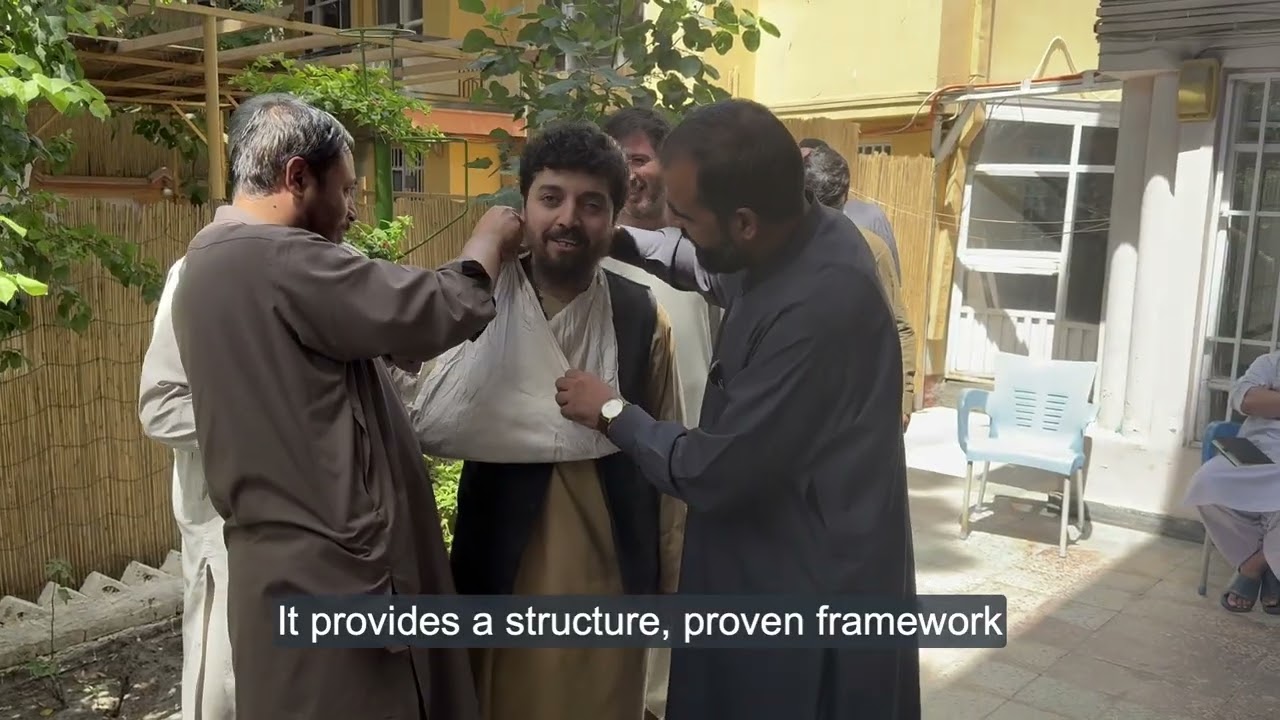
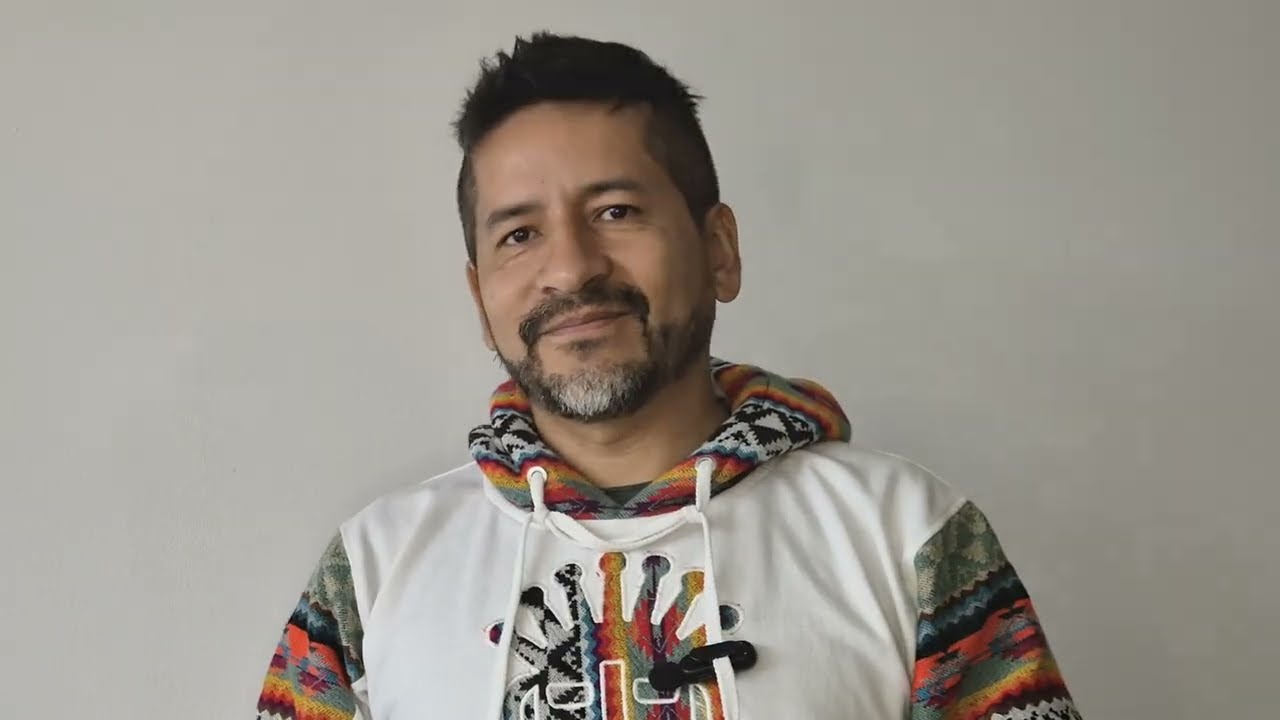
Photo credits: ChildFund /Jake Lyell

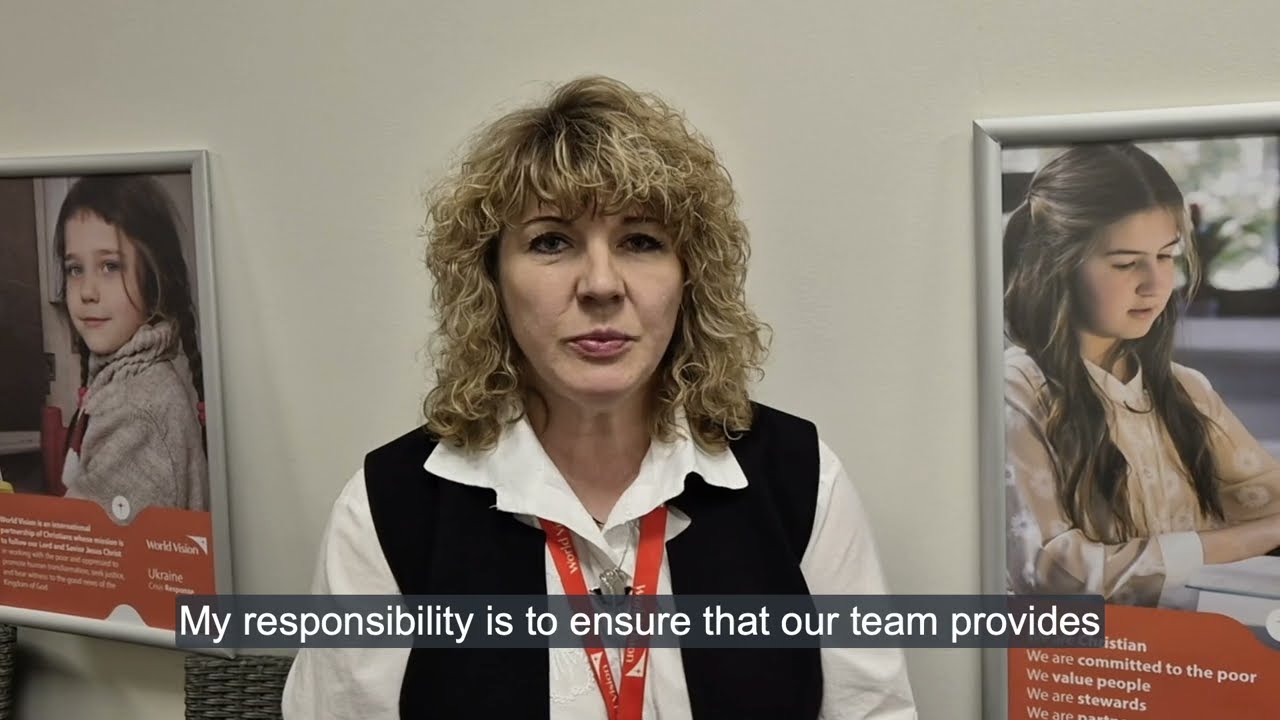
Photo credits:
OCHA / Michele Cattani
OCHA / Otto Bakano