
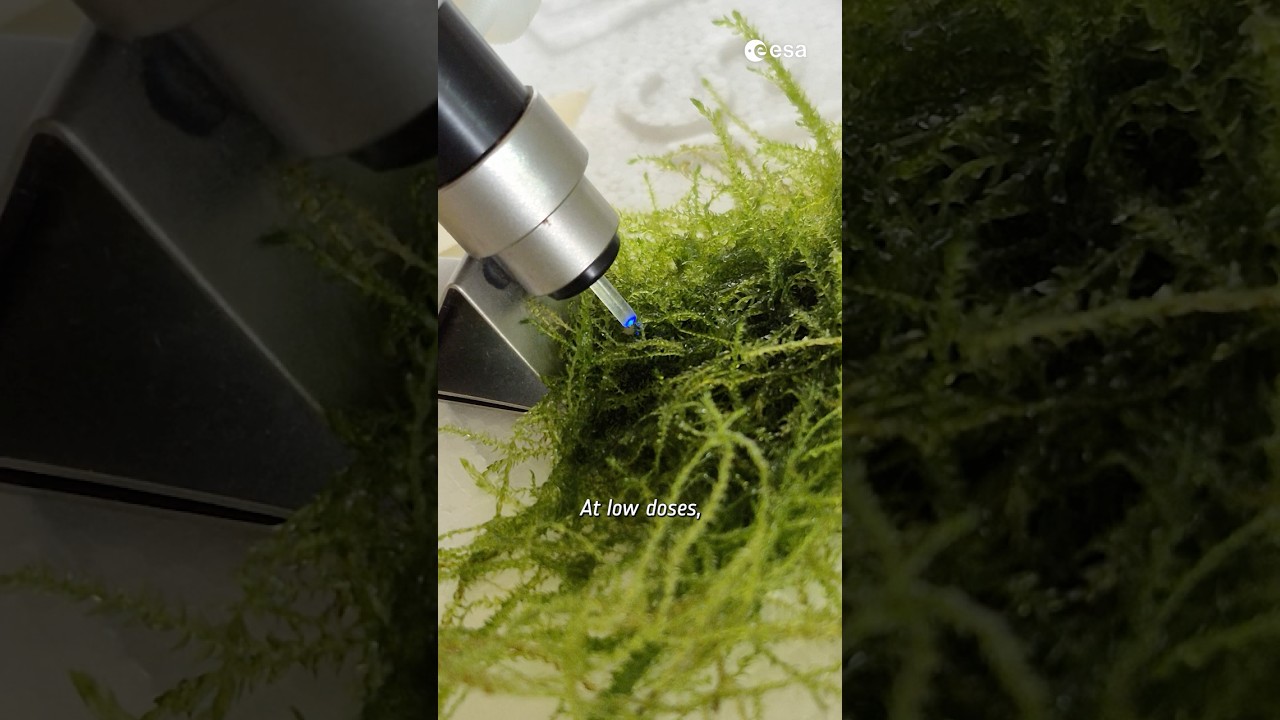
You know that moss growing in your aquarium? Turns out it filters water, pumps out oxygen, and actually gets stronger when exposed to low doses of radiation.
Researchers at the University of Naple...
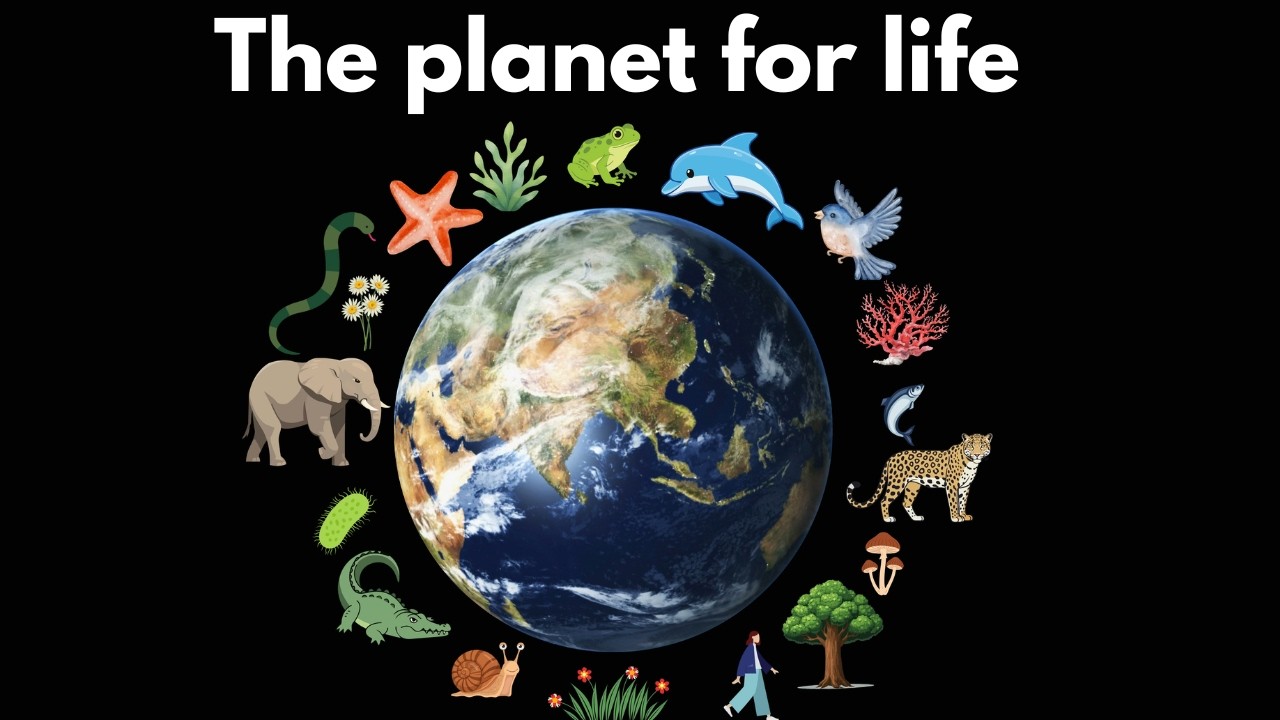
Earth is the perfect planet for life as we know it! It orbits the Sun in the habitable zone, where planetary temperatures allow water to exist as a liquid. Scientists believe this is important beca...
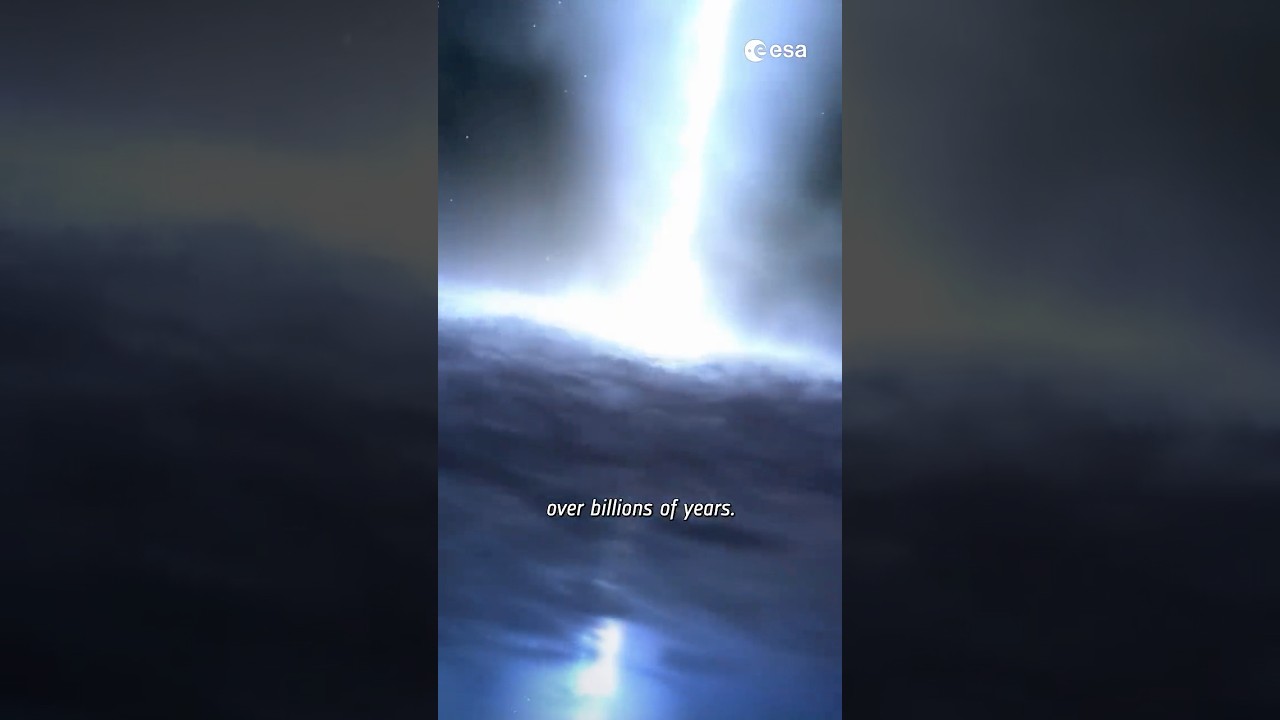
For decades, we assumed galaxies came first.
Stars form, collapse, and slowly build black holes over billions of years. But the James Webb Space Telescope just found a black hole so massive, so an...
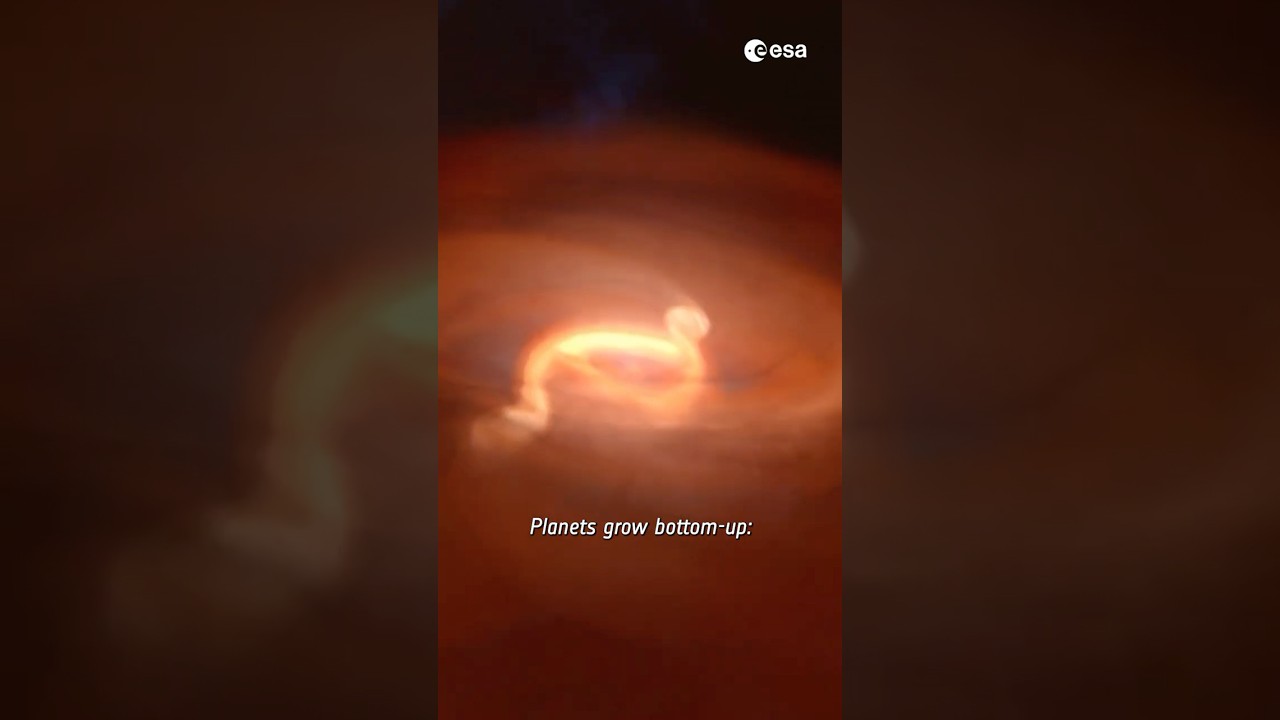
Right on the edge, 29 Cygni b blurs the line. At 15 times Jupiter’s mass, it could have formed either way… but the James Webb Space Telescope reveals it likely grew like a planet, piece by piece fr...
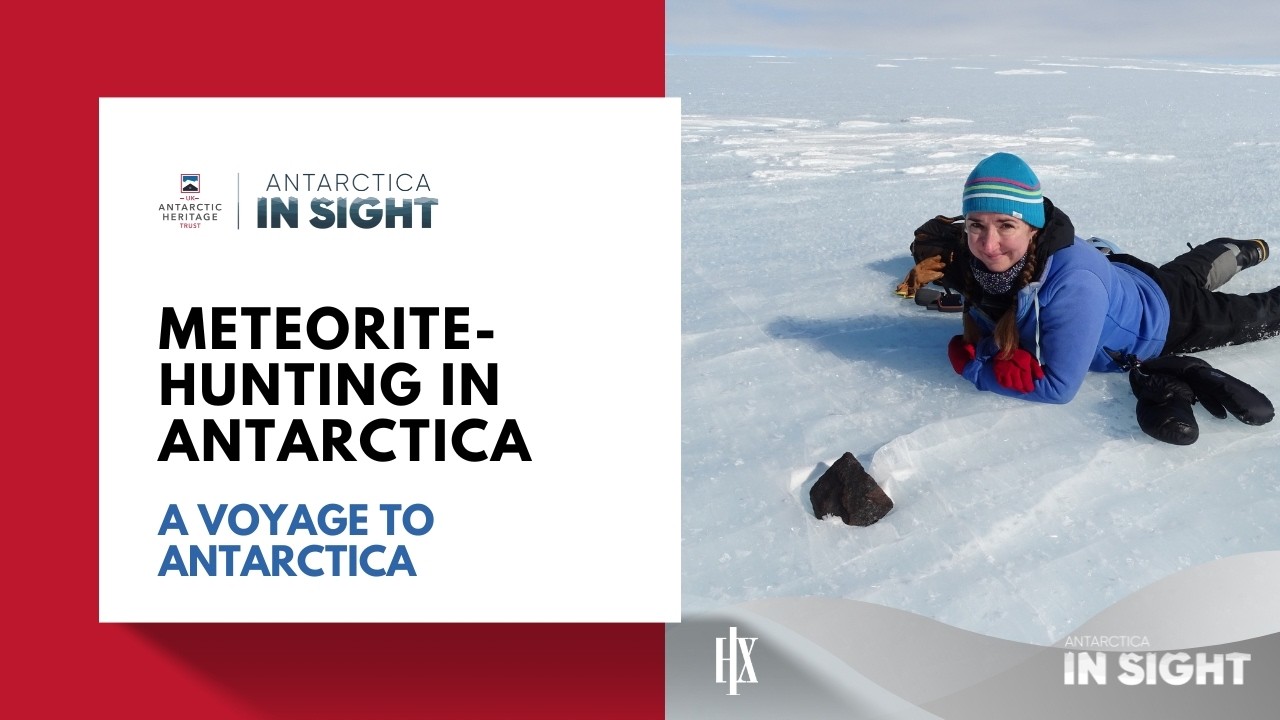
Alok Jha talks to meteorite-hunter Katherine Joy to discover why the icy continent is one of the best places on Earth to find them.
Professor Katherine Joy is a Professor of Lunar and Planetary Sc...
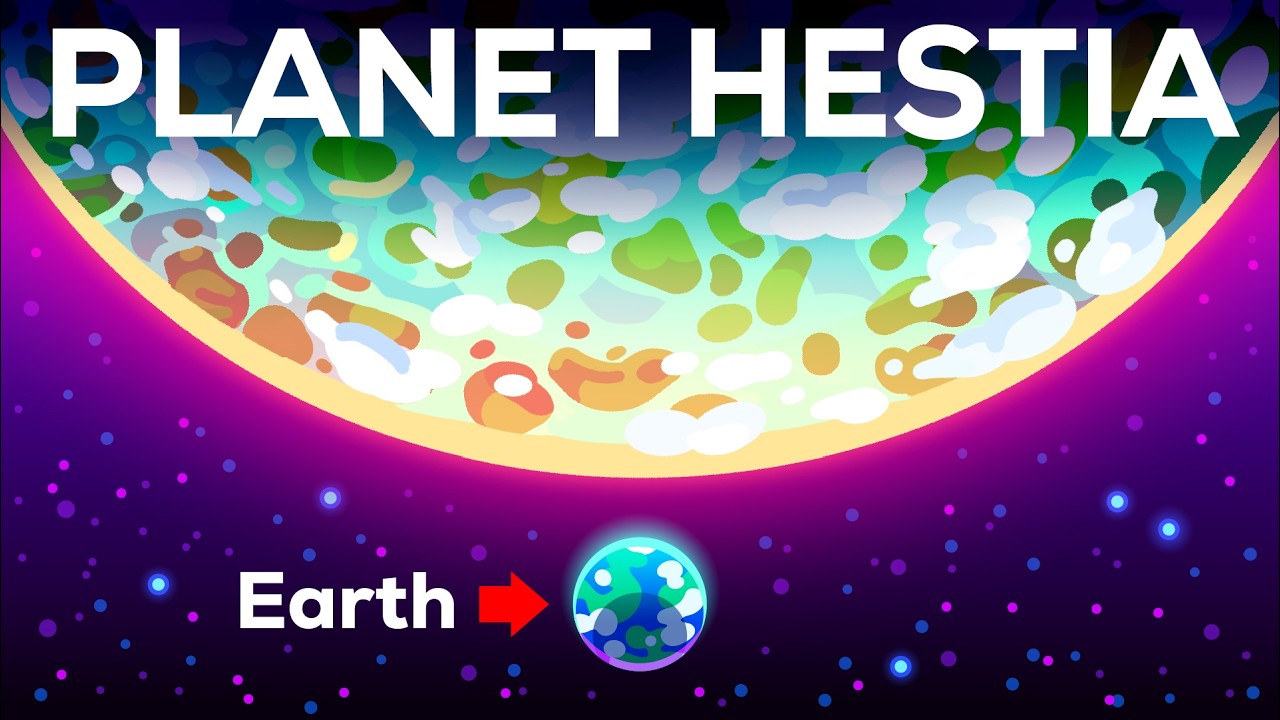
Go to https://brilliant.org/nutshell/ to try Brilliant's tutor for free + get 20% off the premium subscription!
This video was sponsored by Brilliant. Thanks a lot for the support!
Start your ast...

“Essentially, superintelligence is going to be extremely hard for human beings to control...I don’t think we as a species have a good plan right now, but I think planetary intelligence could be par...
Pigeons can pinpoint their location hundreds of kilometers from their roosts and navigate home autonomously, only using smell, the sun, and even Earth’s magnetic field.
#kurzgesagt
#inanutshell #...
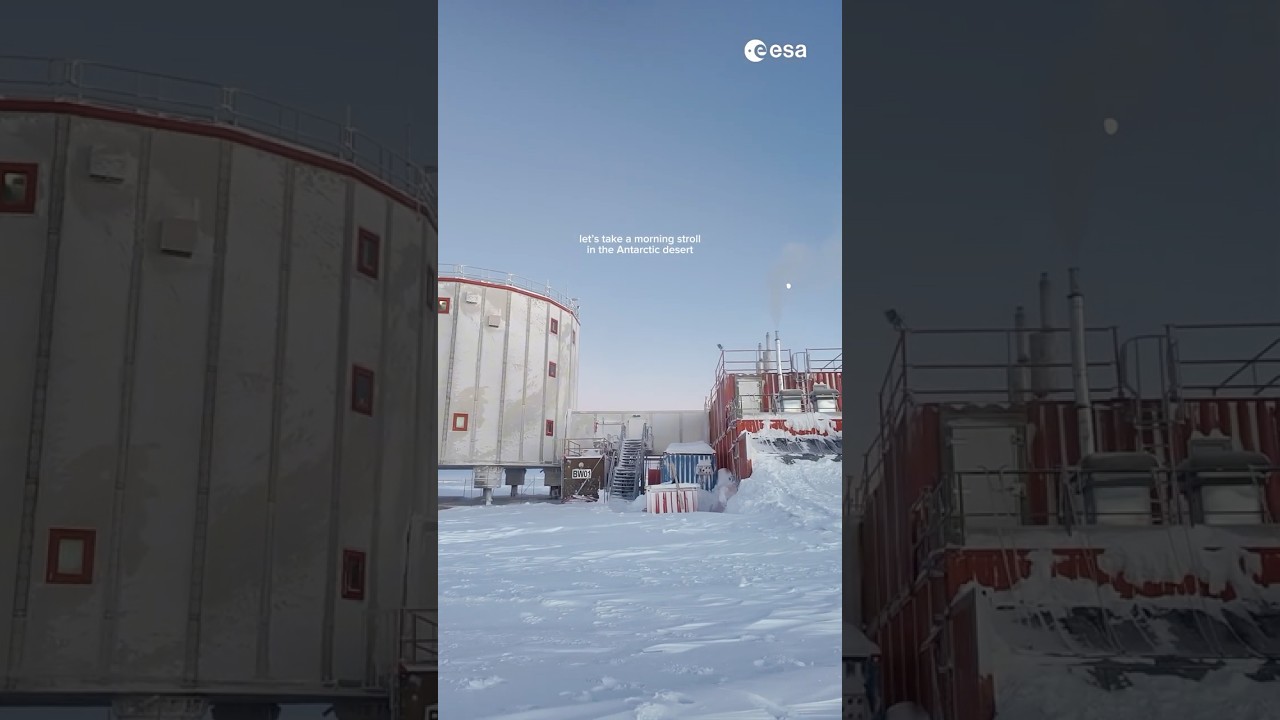
In a secluded part of Antarctica – which is already devoid of much life – lies a small research station called Concordia. Living there is similar to living on another planet.
Like the Internation...
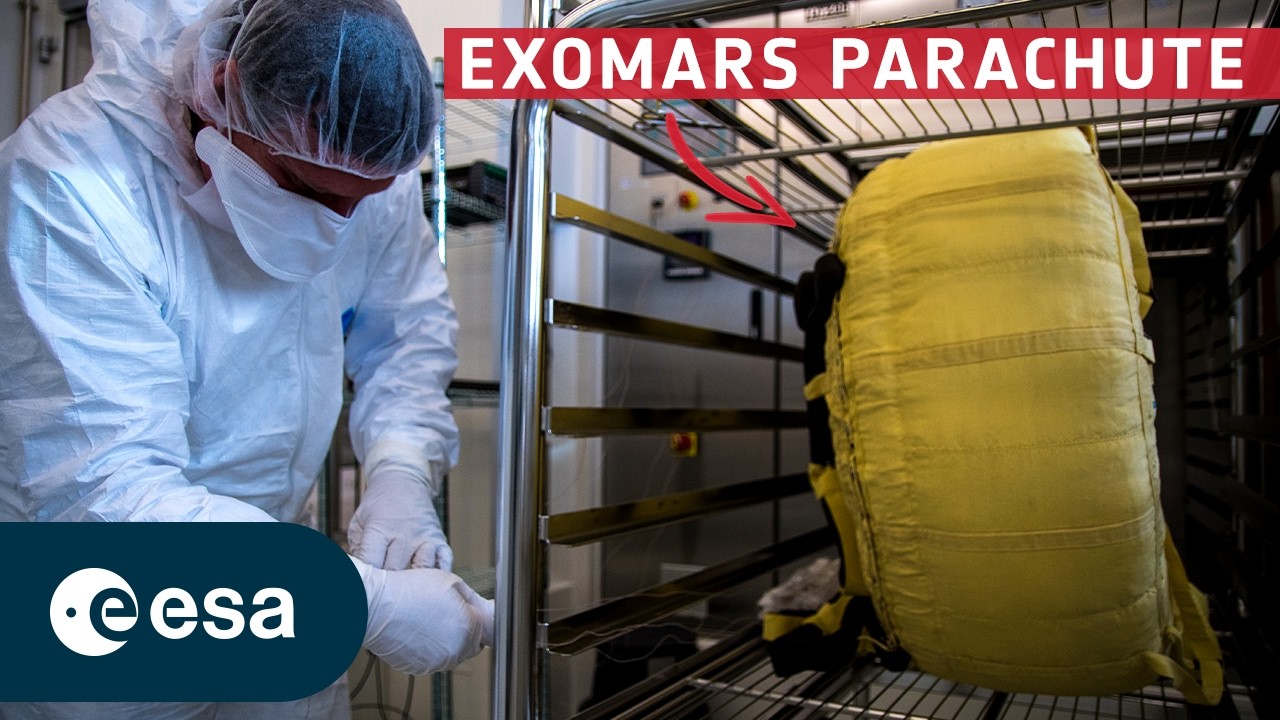
Watch ESA’s Mars chief engineer Albert Haldemann explain the sterilisation process of one of the parachutes of the ExoMars Rosalind Franklin rover mission and why it matters.
Carefully wrapped i...
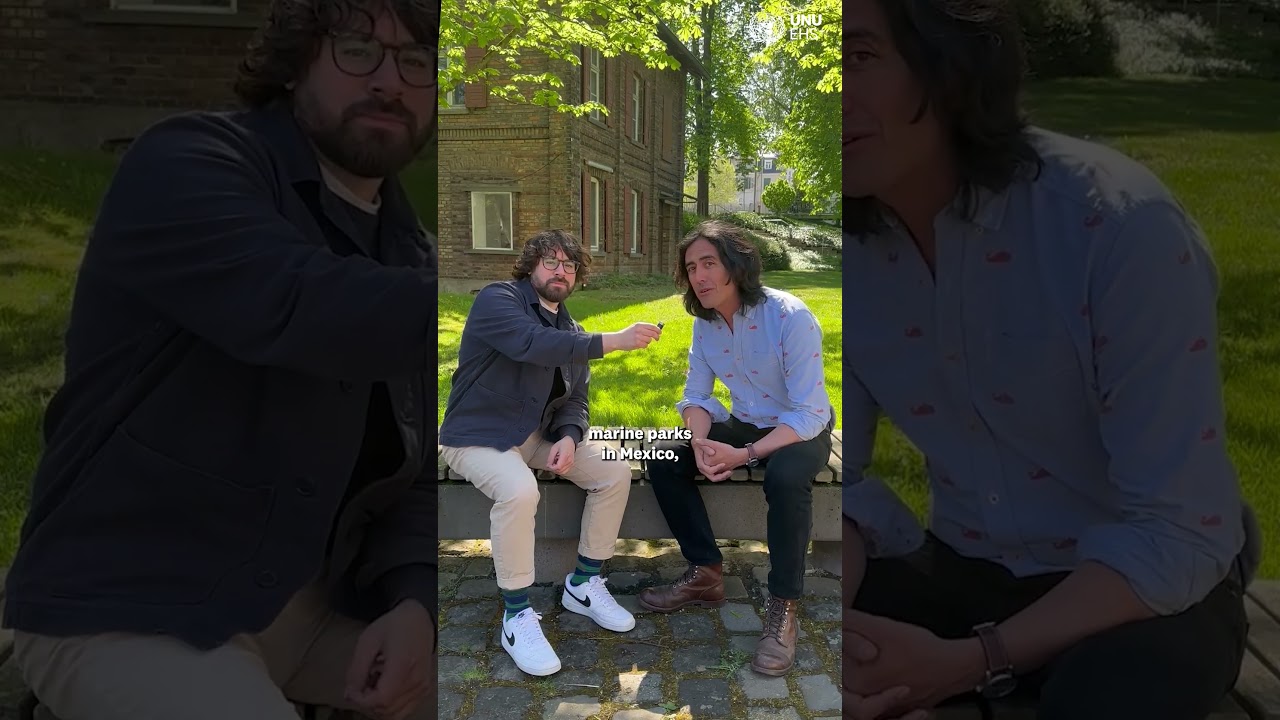
Earth is full of surprises and some of them shape life every day. 🌍✨
In this episode, Austin Gonzalez from UNU-EHS asks our experts 5 surprising facts about our planet that can change how we see w..
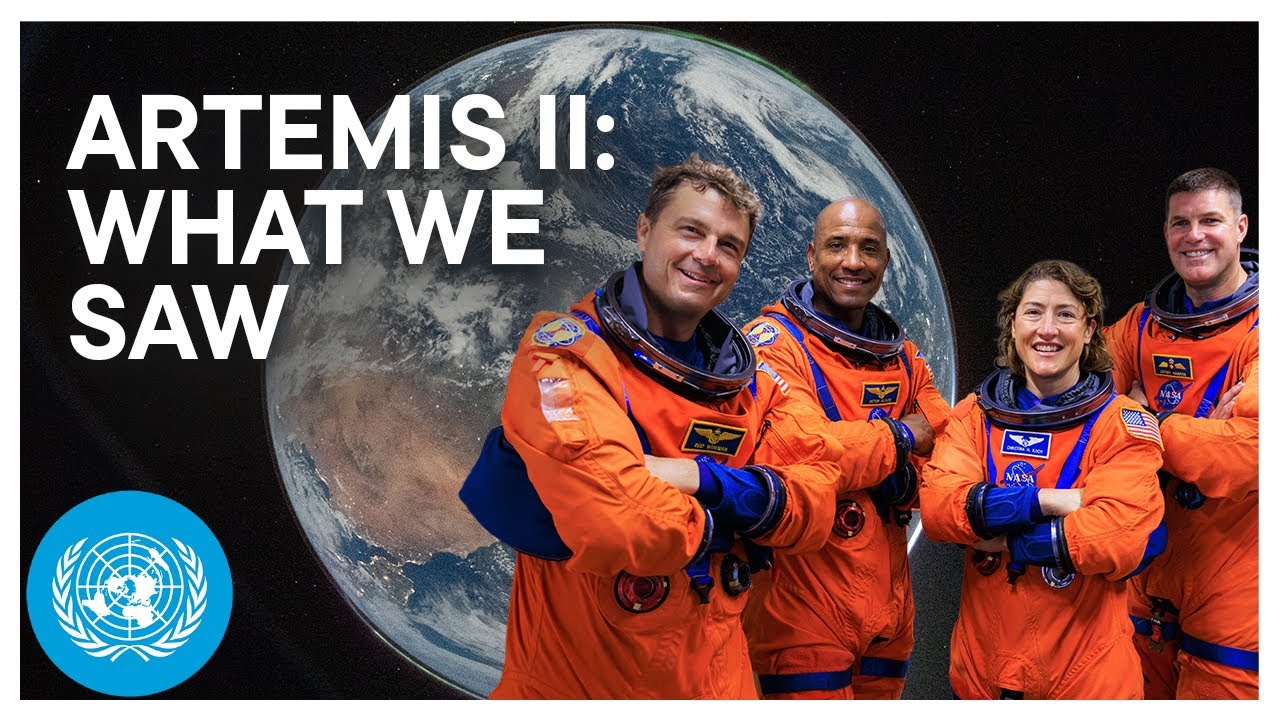
Back from a mission to the moon, astronauts from Artemis II arrived at United Nations Headquarters with a message for humanity about our shared purpose on Earth.
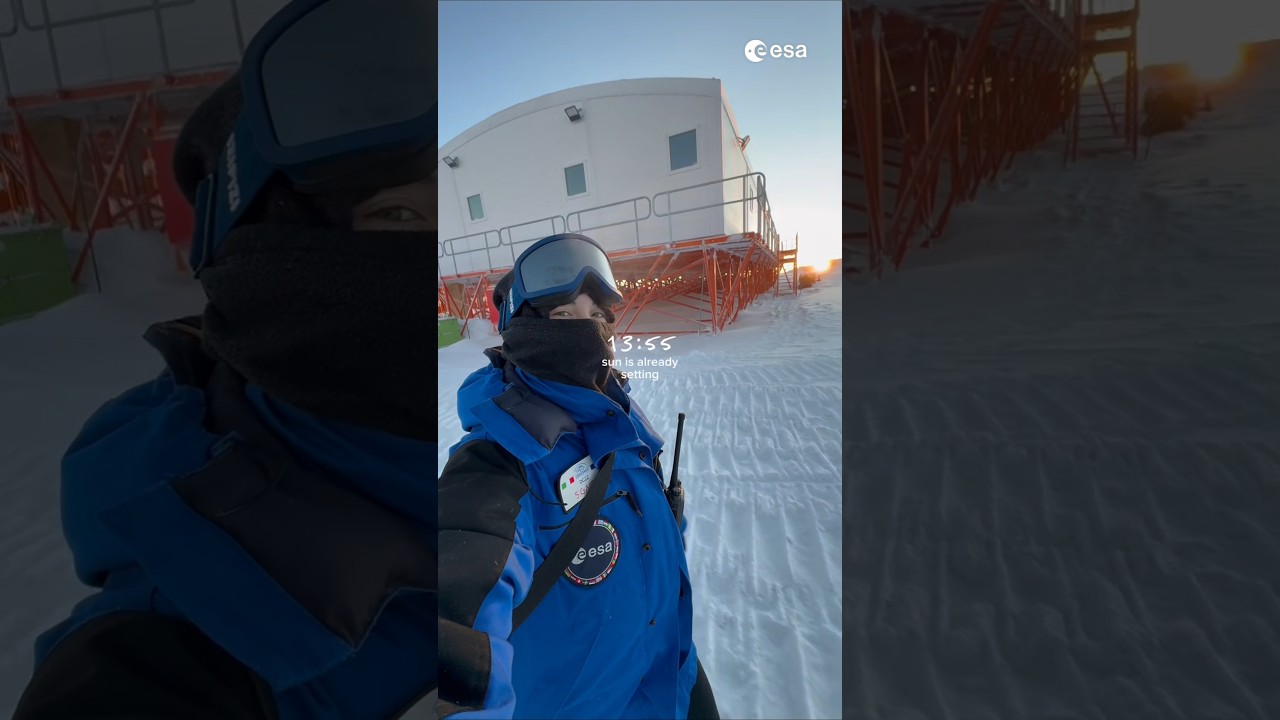
Located in the middle of Antarctica, 1100 km inland from the coast on a plateau at an altitude of 3200 m, Concordia is one of the most extreme research outposts on our planet. When winter sets in, ...
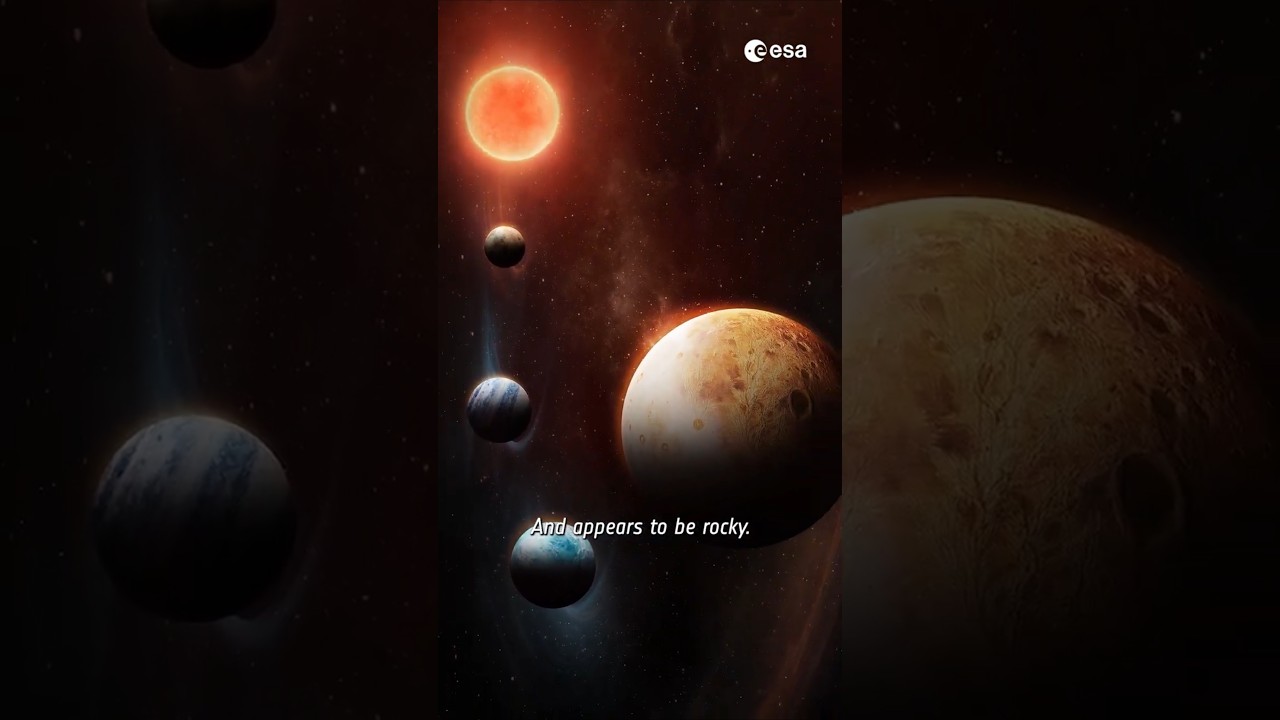
Our Cheops mission spotted something strange around the red star LHS 1903: a rocky planet orbiting far from its star.
That’s unexpected. Usually, rocky planets stay close in, while gas giants form...
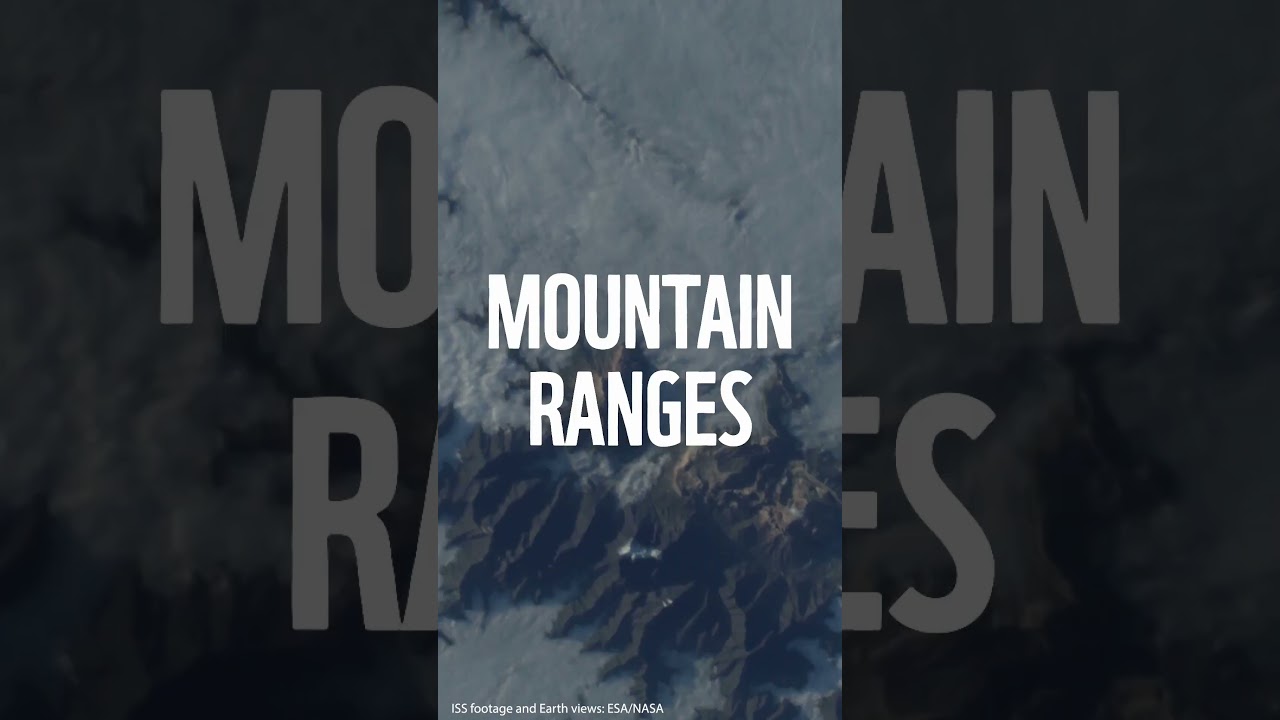
We don't need to go to the Moon to know it, but it helps to be reminded.
Every mile further from Earth makes it more obvious: One forest. One ocean. One System. One home ground. Worth every effort...

Vue de l’espace, la Terre nous rappelle l’essentiel
Artemis II marque une étape historique de l’exploration spatiale : pour la première fois depuis plus de 50 ans, des astronautes ont voyagé autou...
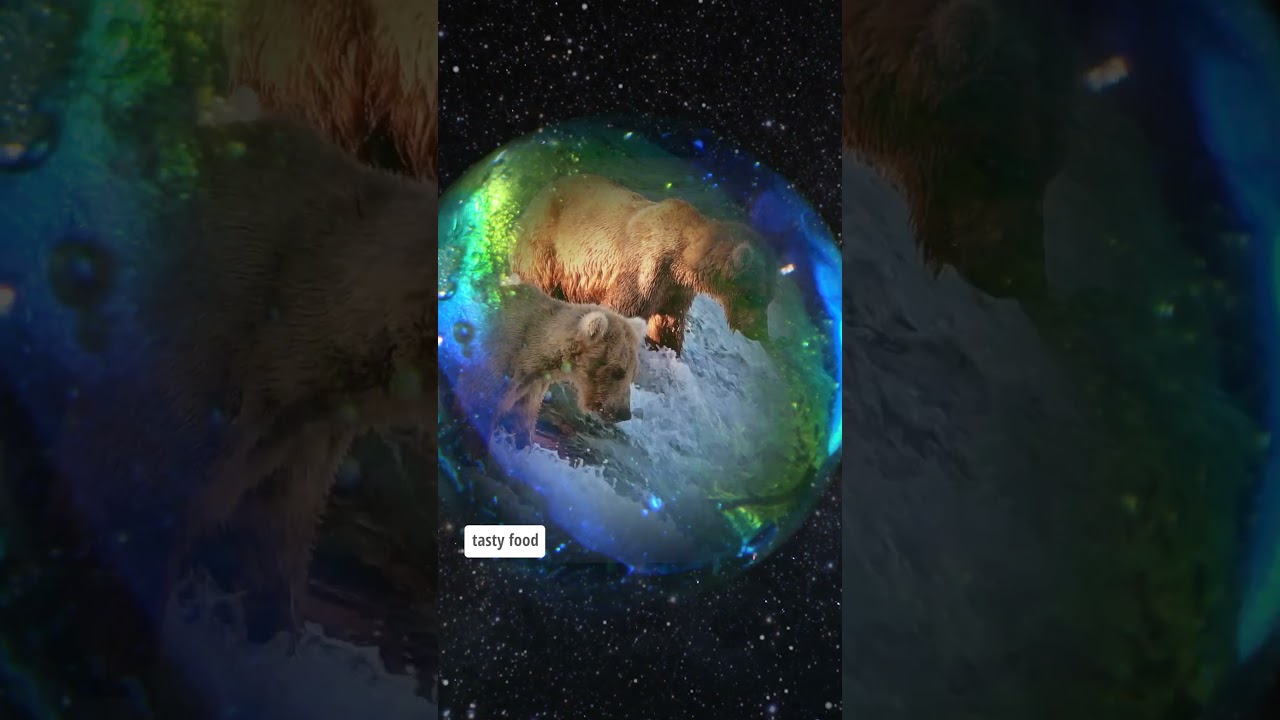
In 1972, the Apollo 17 crew captured the historic “Blue Marble” photo. Fifty‑four years later, astronauts aboard Artemis II have captured the first full‑Earth view taken by humans from deep space s...
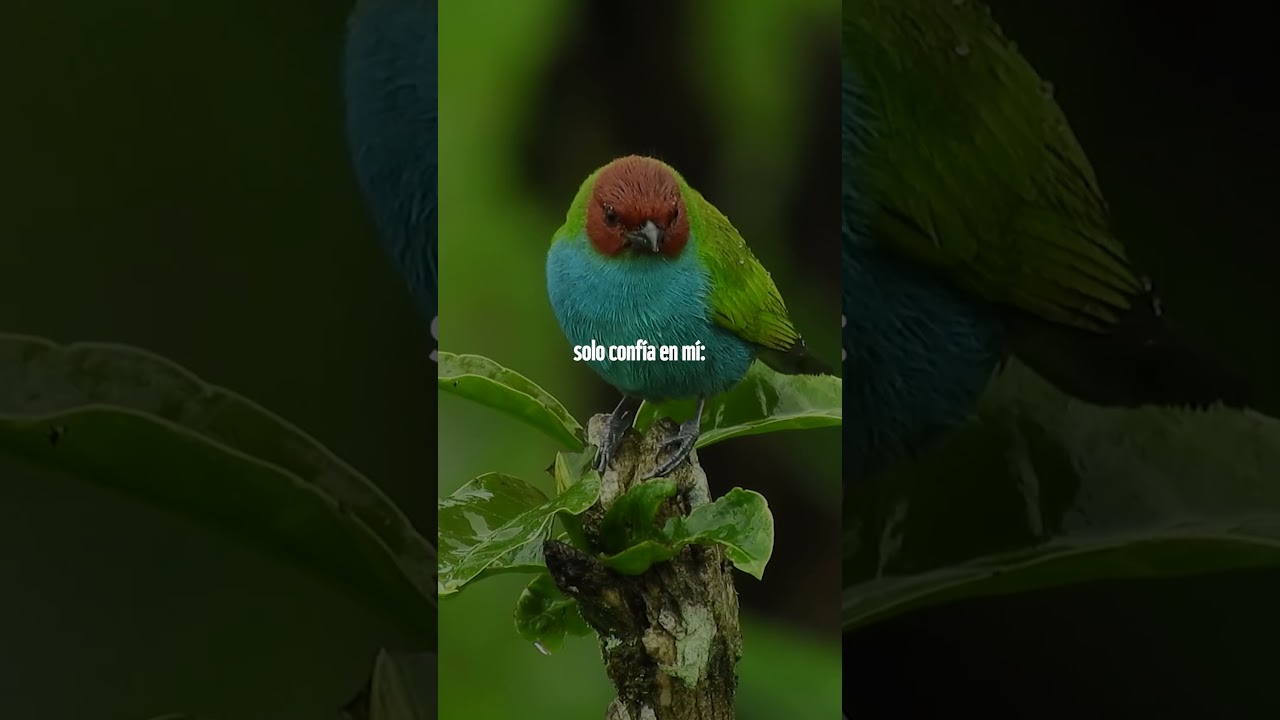
En todo este vacío que nos rodea en el Universo, tenemos un oasis llamado TIERRA, en el que podemos existir y prosperar juntos 🌎🙌
Palabras de Victor Glover en la misión #ArtemisII de la @NASA
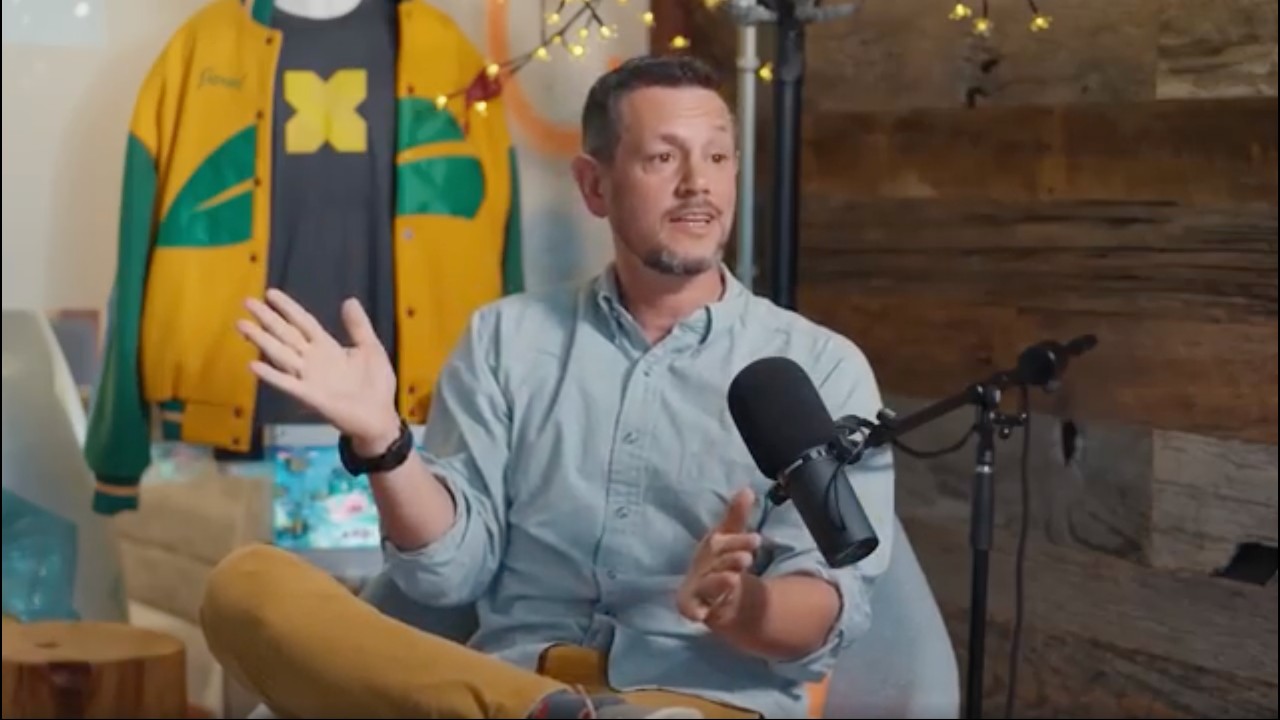
This episode of The Moonshot Podcast dives into the future of biology, exploring how to harness life's "tiny factories" to solve humanity's biggest challenges.
Host Astro Teller sits down with Br...
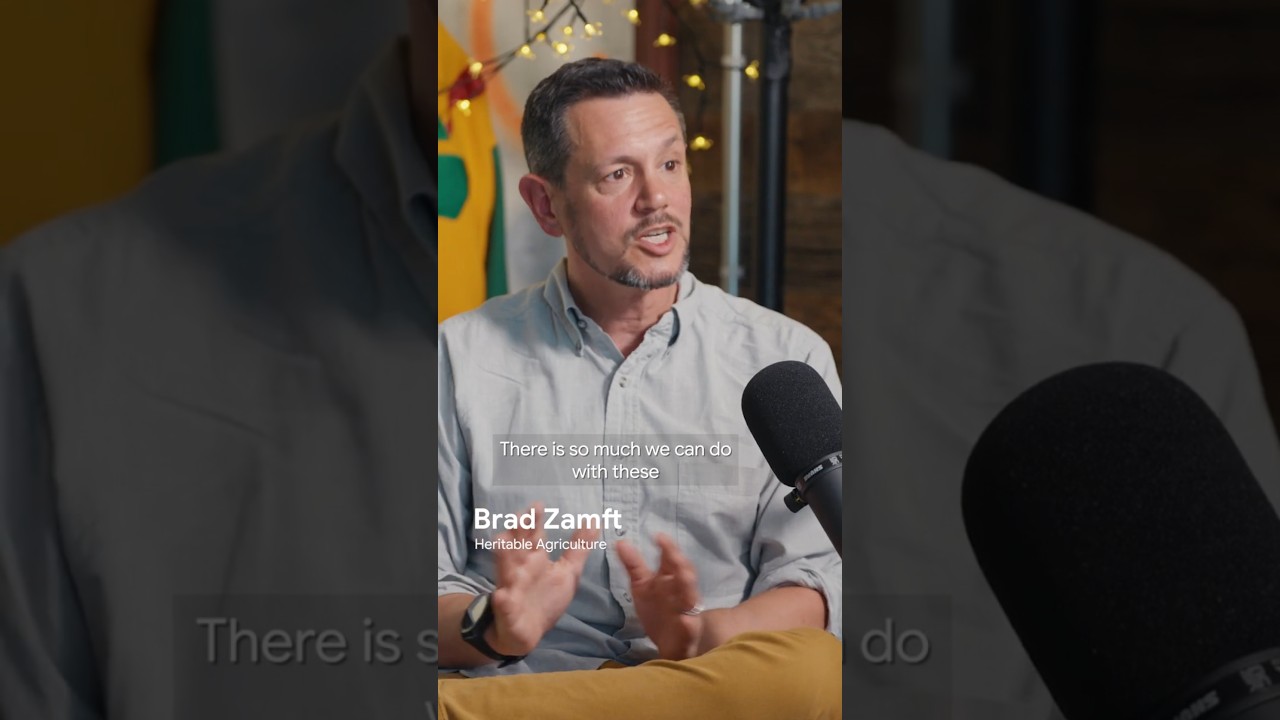
What if we could use biology to create living medicines, or self-healing bricks?
Next week on The Moonshot Podcast, Astro Teller sits down with two moonshots that are harnessing the power of livin...