Learn about analyzing proportionality using equations and tables in a distance scenario.
Students learn to compare two scale drawings of the same object made with different scales. Identify how the lengths, widths, or areas change as the scale changes.
Learn how to identify equivalent scales with different units.
Learn how to write scales with and without units.
Students learn to compare two scale drawings of the same object made with different scales. Identify how the lengths, widths, or areas change as the scale changes.
Benchmark Dose Modeling webinar

...nd models that map how chemicals interact with biological systems. In this way, simulation science transforms limited data into actionable insights that support faster, evidence-...
In this lecture Gabriel Moldovan goes into more depth on the AIFS, from Architecture to its use cases. Gabriel shortly goes into the development of AIFS single and discusses the accuracy compared t...
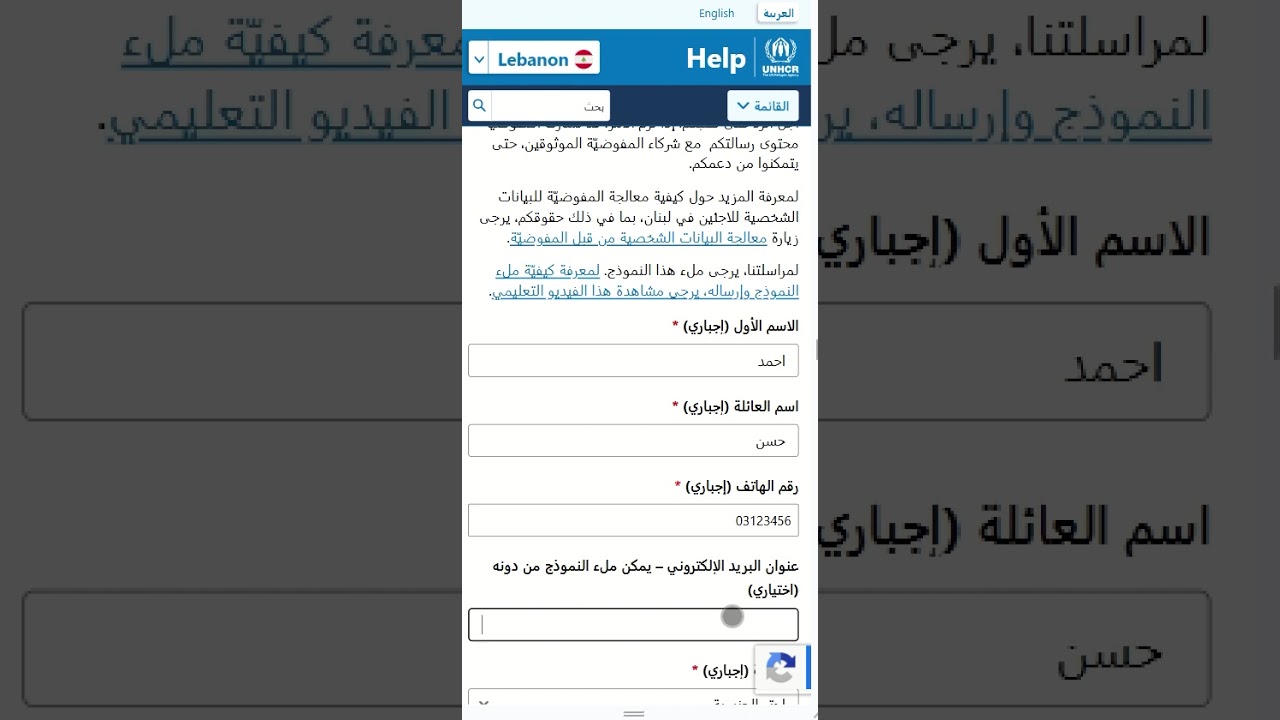

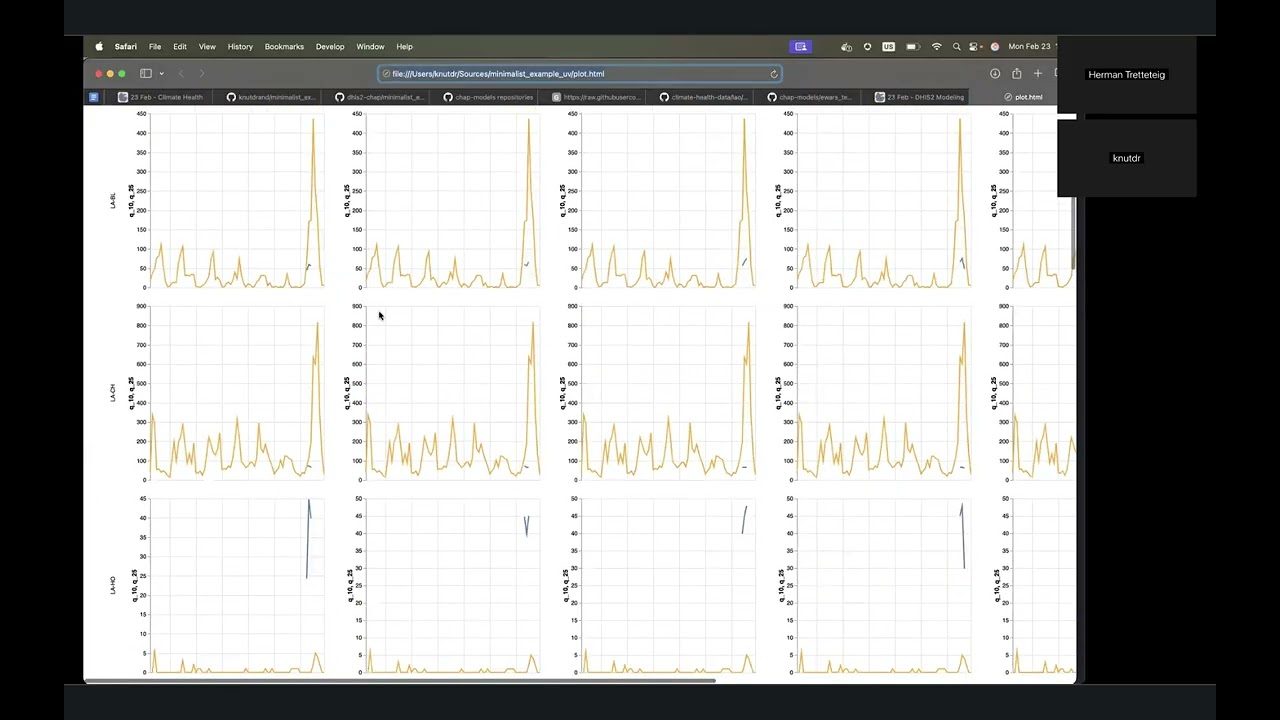
This is a recording of a live session from the DHIS2 workshop on spatiotemporal modelling of climate-sensitive disease that took place in Kigali, Rwanda in February 2026. This session covers how to...
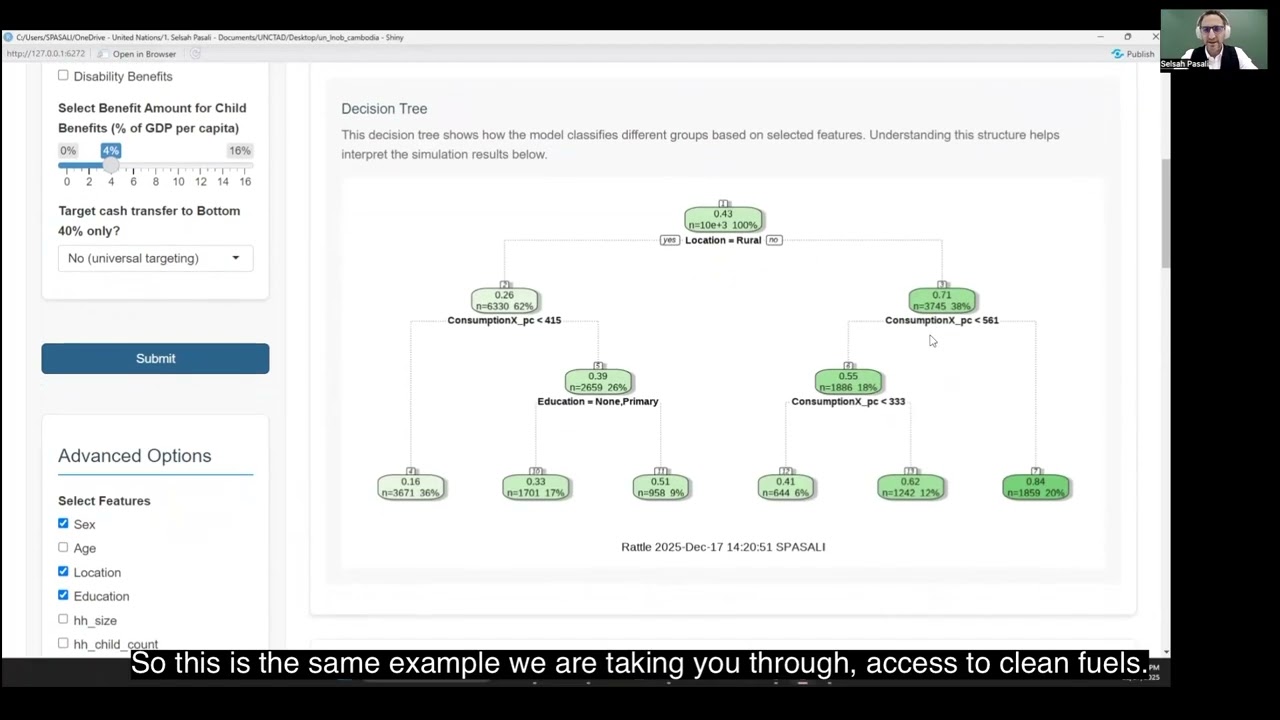
SP2LNOB can be used online and offline. The offline app has more customability features that are explored in this section for Cambodia.
Moderator: Selsah Pasali
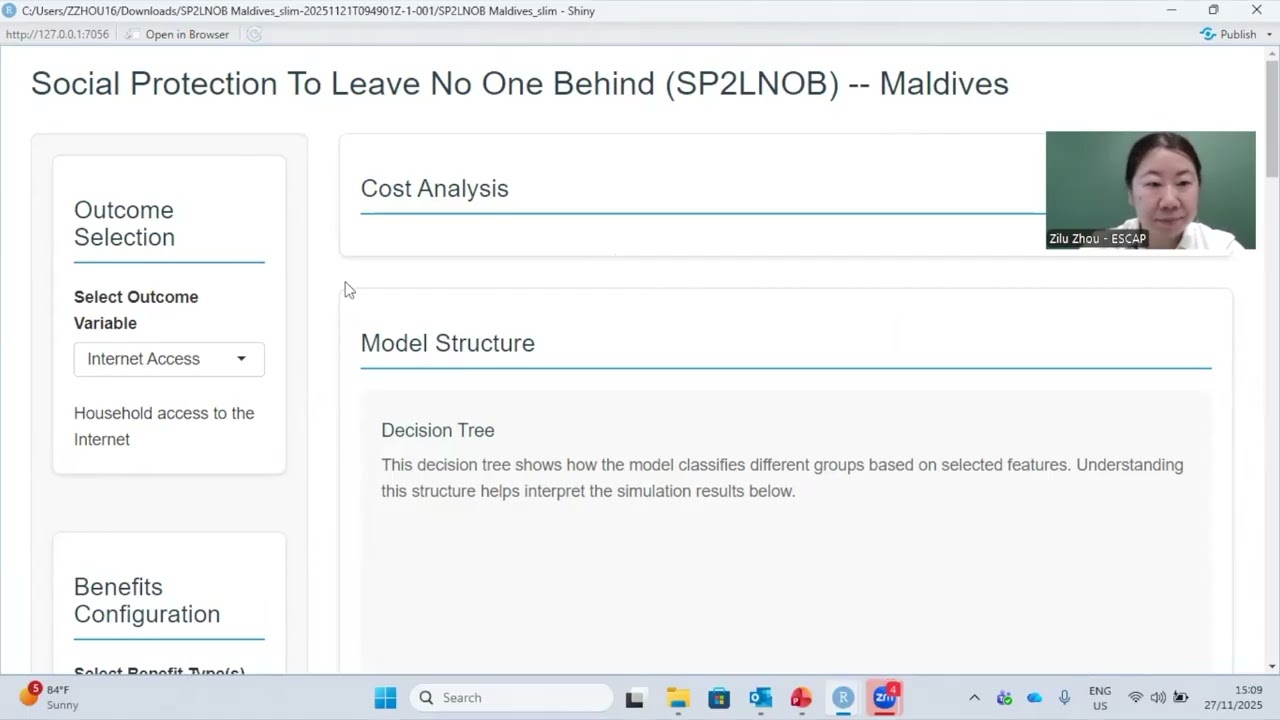
SP2LNOB can be used online and offline. The offline app has more customability features that are explored in this section for the Maldives.
Moderator: Zilu Zhou
FOMC In Silico: A Multi-Agent System for Monetary Policy Decision Modeling
Sophia Kazinnik* (Stanford University)
with Tara Sinclair (George Washington University)
Discussant: Fédéric Holm-Hadul...
Lecture 23: Integration I: Automated Conditional Data Extraction
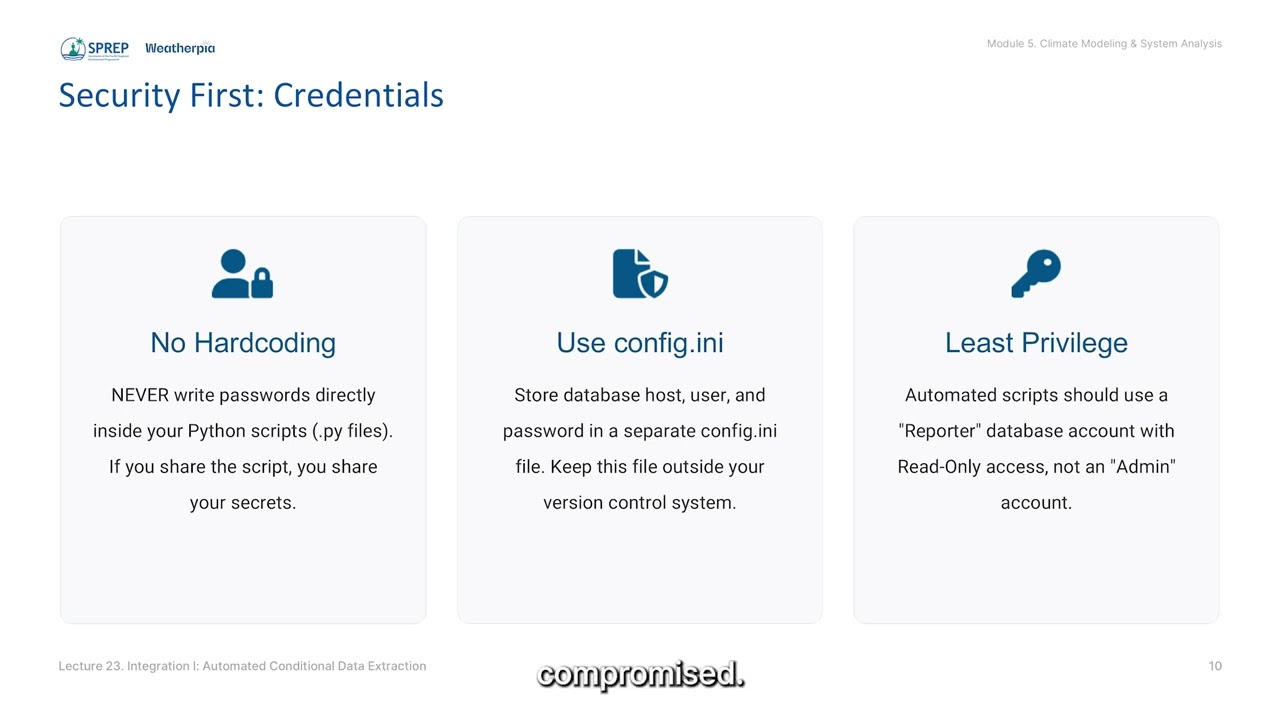
This advanced lecture in the "Climate Modeling & System Analysis" module teaches participants to engineer automated pipelines that transition from manual handling to code-driven workflows. It i...
Lecture 22: Integration I: Script-based DB Connection & Querying
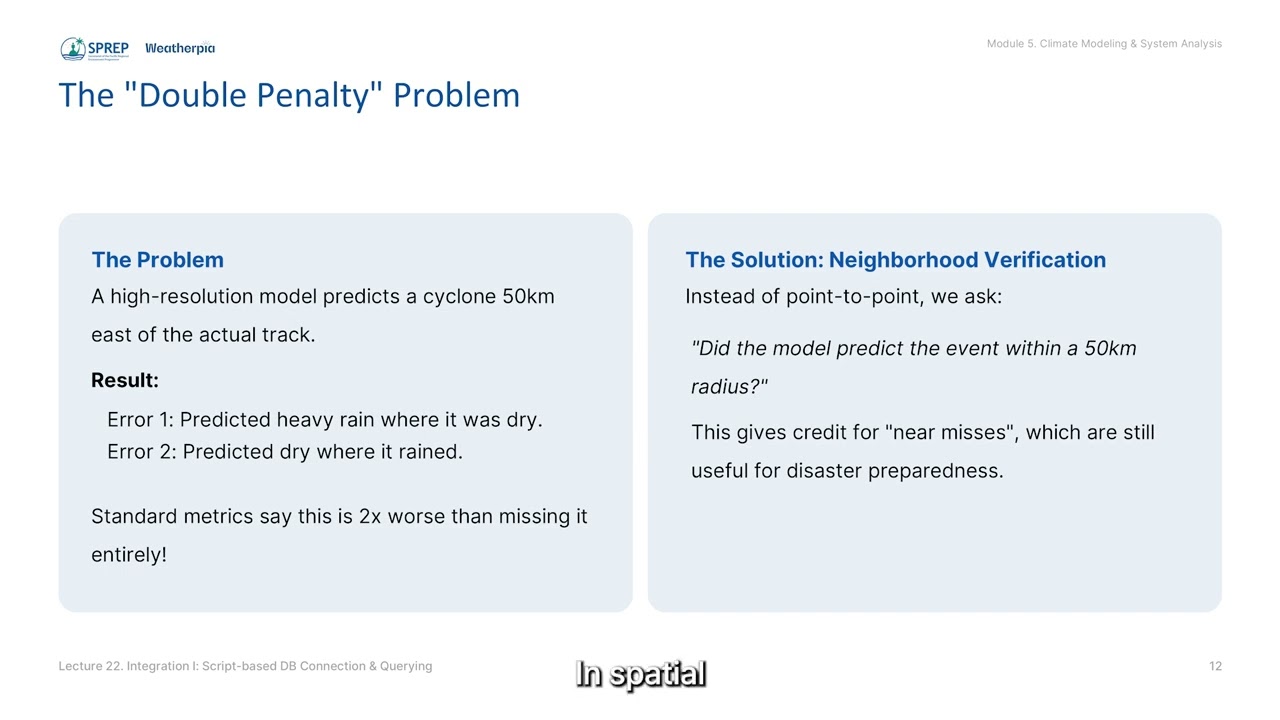
Focuses on advanced operational integration, including handling the "Double Penalty" problem in high-resolution models and automating database interactions.
Lecture 12: Missing Data Control: Spatio-temporal Interpolation
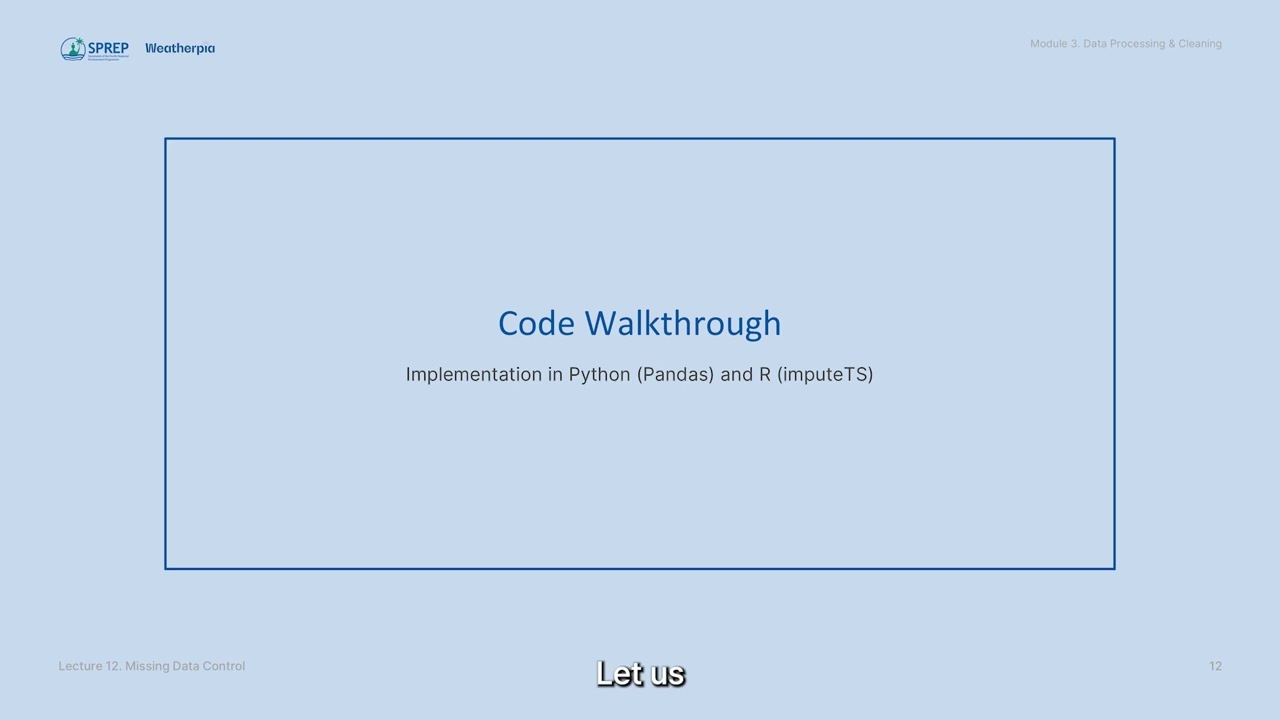
Teaches advanced methods for diagnosing gaps (MCAR, MAR, MNAR) and implementing interpolation techniques like cubic spline and imputeTS in R, specifically evaluated for archipelagic geography
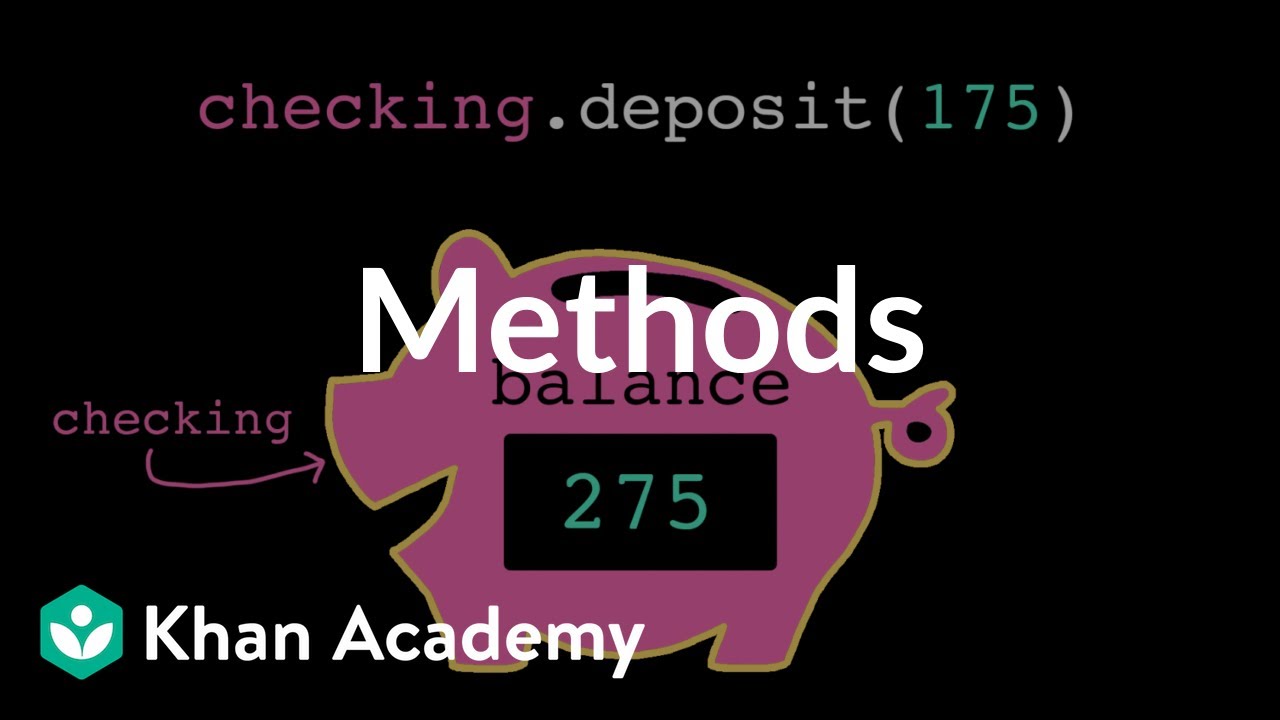
A method is a function that belongs to an object. Learn how to use dot syntax to call a method on an object. Bundle data and behavior together by adding methods to a class definition.
View the pro...
#ModelUN #SimuONU