
In 2016, Bangladesh and Colombia granted legal rights to rivers, but they went about it in very different ways. Ten years later, a new report released by researchers from SEI York, SEI Asia and SEI...
Welcome to Episode 3 of the *UNIDROIT Instruments Explained* series!
In this episode, we explore the *UNCITRAL–UNIDROIT Model Law on Warehouse Receipts (MLWR)* —a powerful legal framework designed...

We find ourselves at a threshold of what many describe as a legal awakening, where rivers, forests, and more-than-human beings in the Amazon are increasingly recognized as subjects of rights. This ...
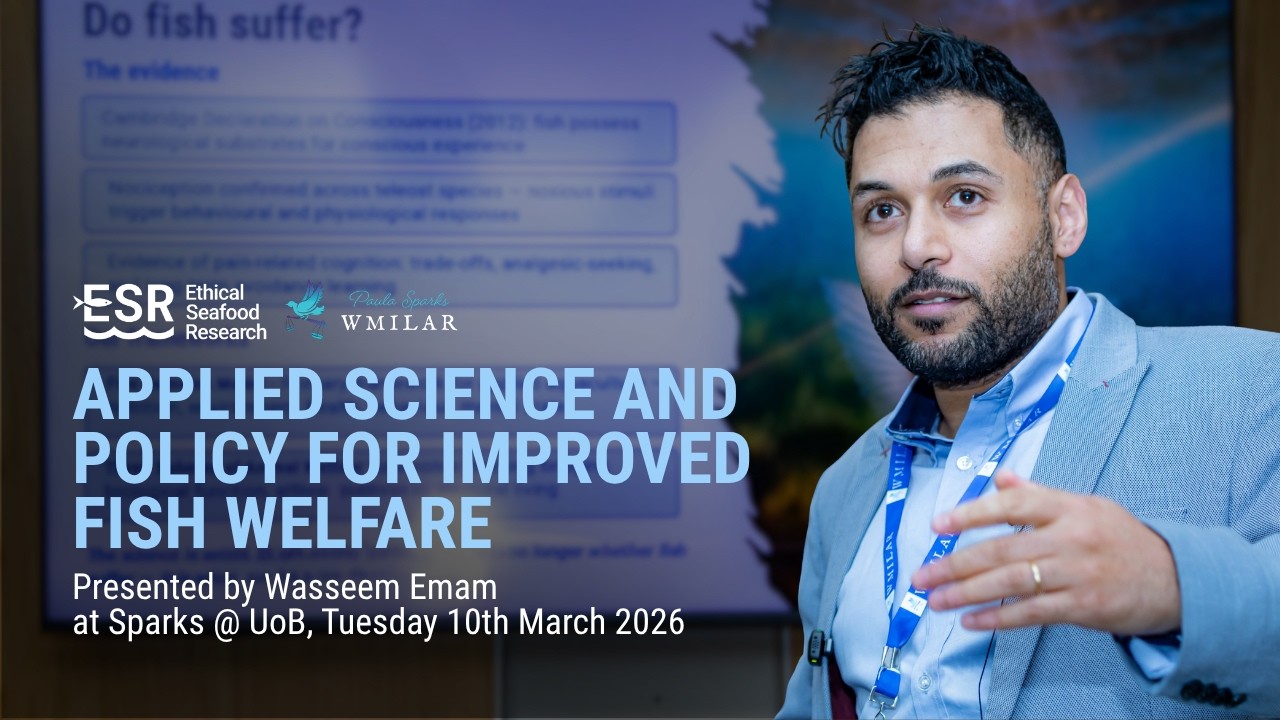
Animal welfare is gaining ground in law and policy - but aquatic animals remain largely overlooked.
In this presentation from the 2nd edition of the WMILAR @SparksMoot (University of Birmingham, ...

A webinar hosted by the Pacific Institute and the Center for Water Security and Cooperation. Learn more about the corresponding report: https://pacins...
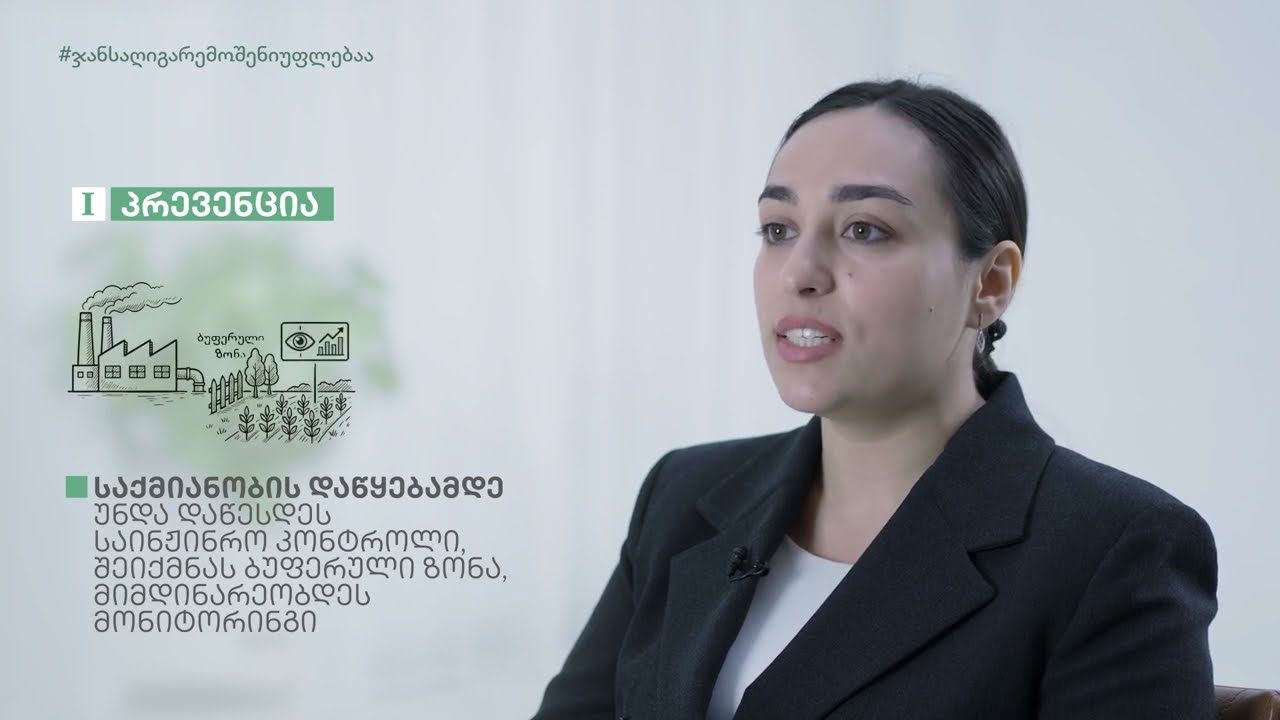
From coastlines to riverbanks—how do regulations shape land use and ownership in the UNECE region? 🌊
Watch this UNECE webinar featuring insights of a survey among UNECE countries and case studies ..
💧 L'eau, c'est la vie. Mais elle aussi paye son tribut à la guerre.
💧 L'eau, c'est la vie. Mais elle aussi paye son tribut à la guerre. Sans eau, les civils souffrent et des communautés entières sont en danger.
FAO Water Tenure Mondays: “Findings of the water tenure assessment in Sri Lanka” (17/11/2025)
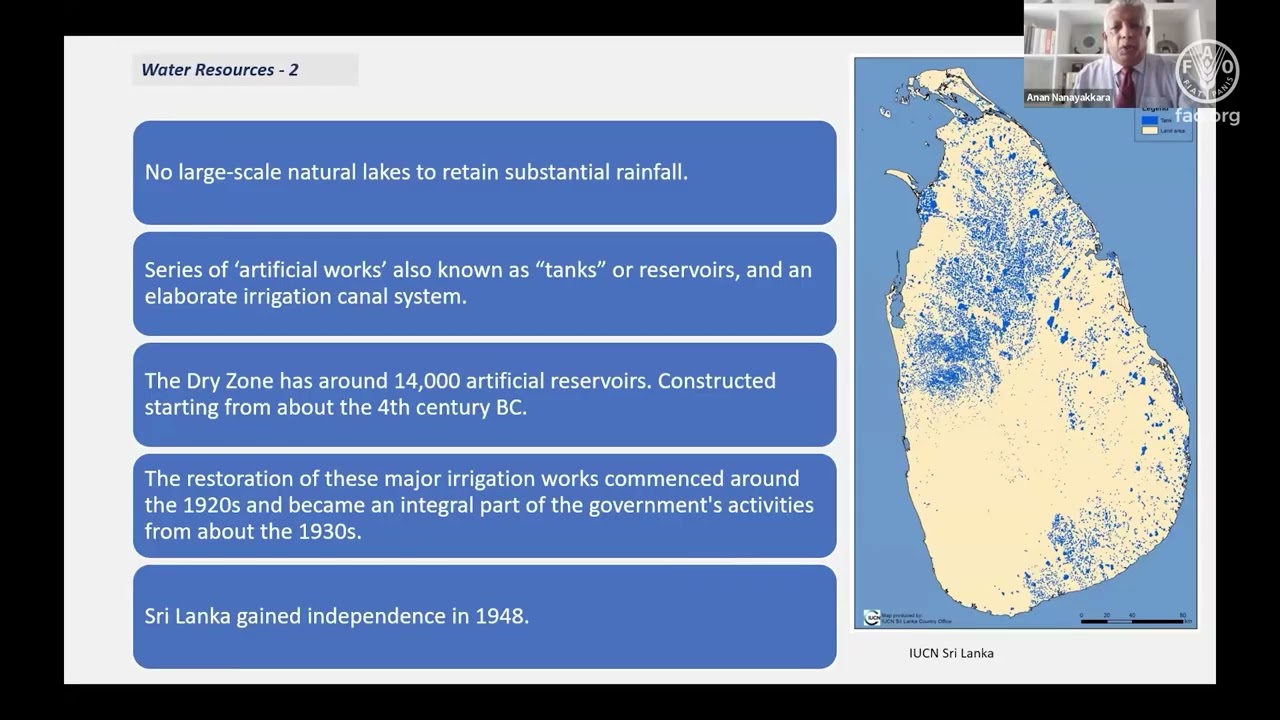
The second edition of the Water Tenure Mondays webinar series (2025-2026) supports the Regional Dialogue on Water T...
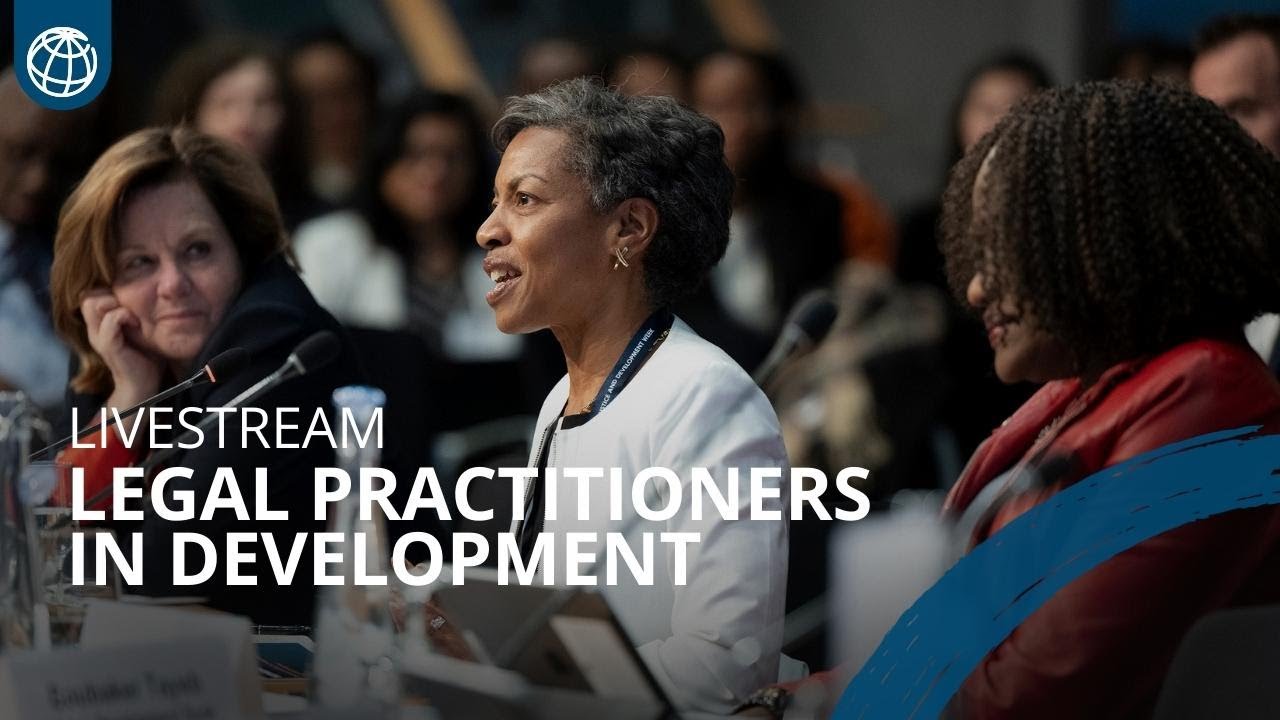
How can legal professionals adapt their roles to advance solutions that help meet development goals? How can they leverage their unique expertise to be key innovators in the development space?
As ...

Why should countries ratify the new High Seas Treaty? As WWF’s Johan Bergenas explains in today’s episode of Nature Breaking, healthy oceans are essential for food, energy, and clean air. And this ...
🟥 DIRECT| Okapi Service : Uriner sur la voie publique : que dit la loi ?