

The New Humanitarian
We’ve diagnosed the problem. What comes next? On the podcast: what it takes to change how crises are spoken about in newsrooms and aid organisations.
Researcher Jess Crombie and journalist Chik...
Across newsrooms, stages, screens, and funding tables, there’s a growing movement to reshape how migration and displacement are understood. So what does it look like when the people at the heart of...
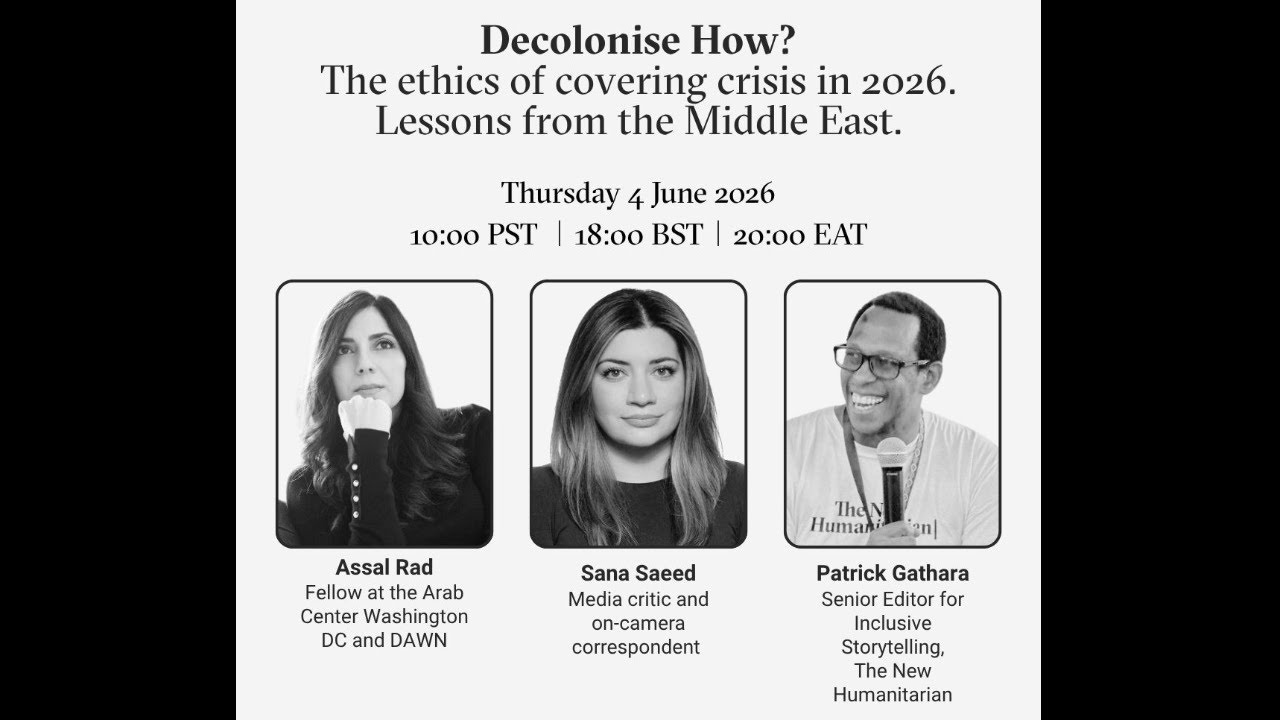
Patrick Gathara, Assal Rad & Sana Saeed on media ethics in crises.
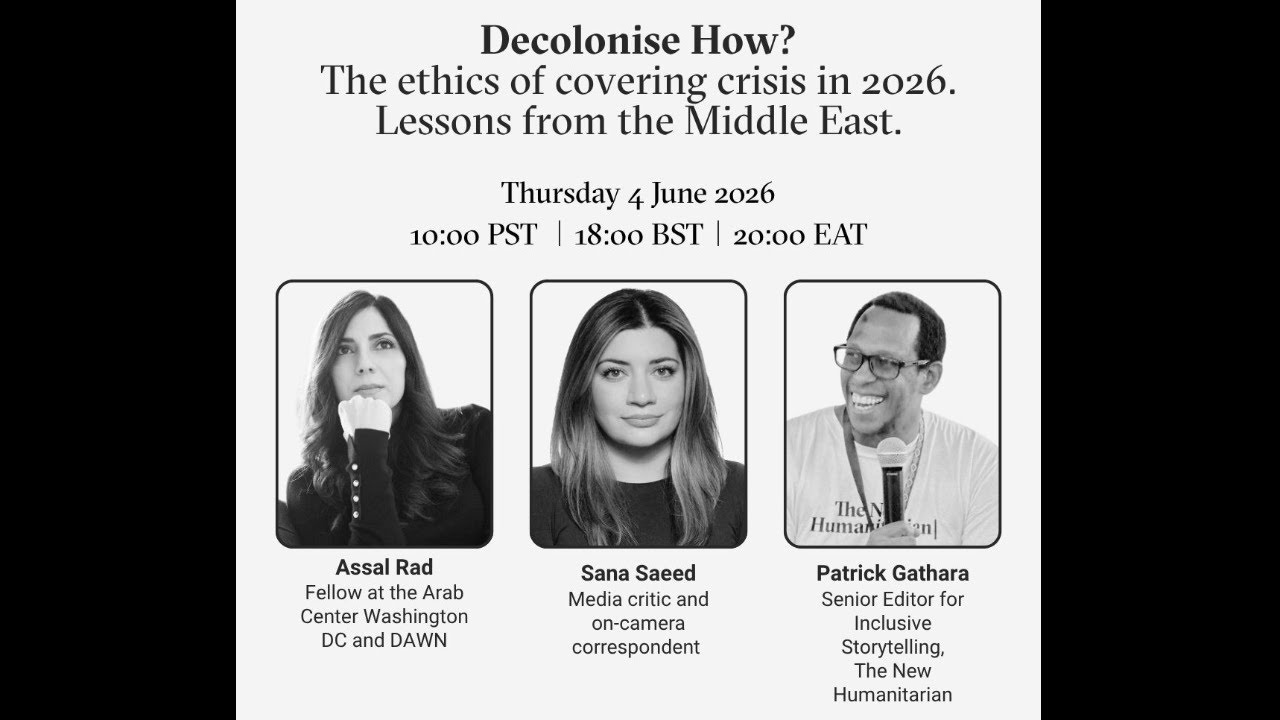
Patrick Gathara, Assal Rad & Sana Saeed on media ethics in crises.
Humanitarianism in the West Bank: Structures, Power, and the Limits of Aid
___
What does it mean to “do no harm” in a context where aid can both alleviate suffering and entrench ...
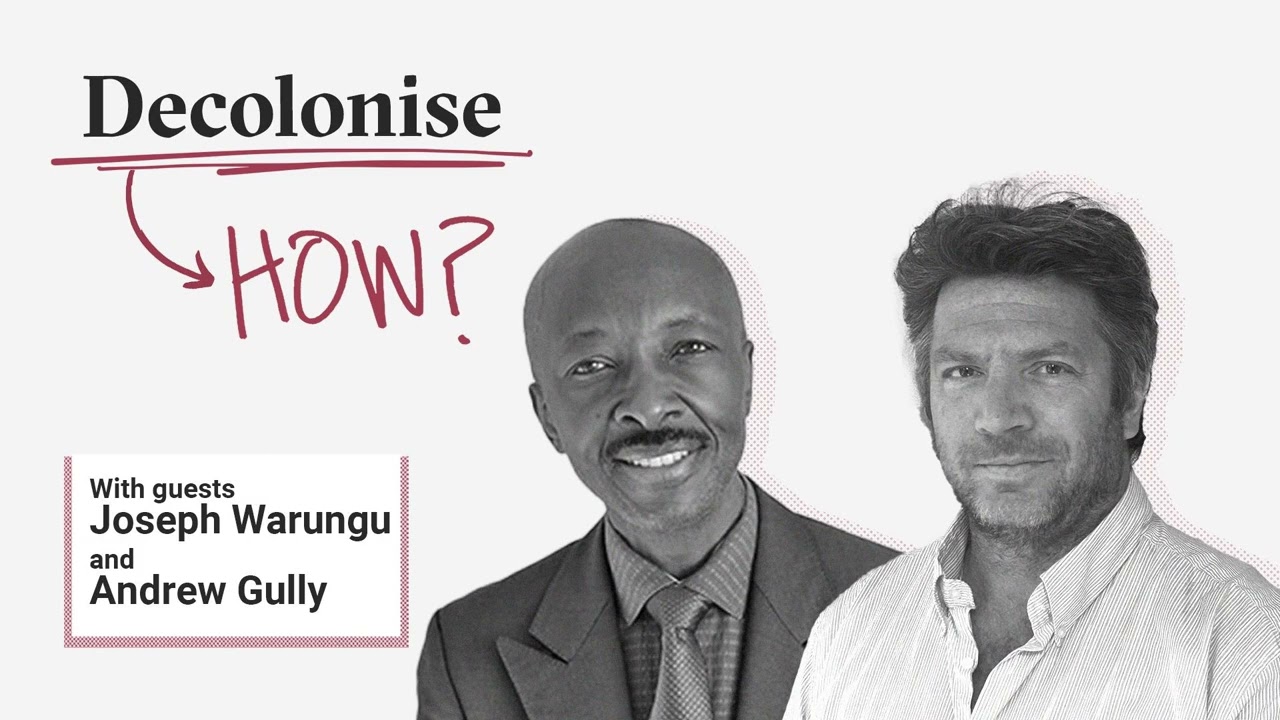
The first African to lead the BBC’s African service, Joseph Warungu, and The New Humanitarian’s Head of Editorial, Andrew Gully, have over half a century’s worth of experience working in and leadin...
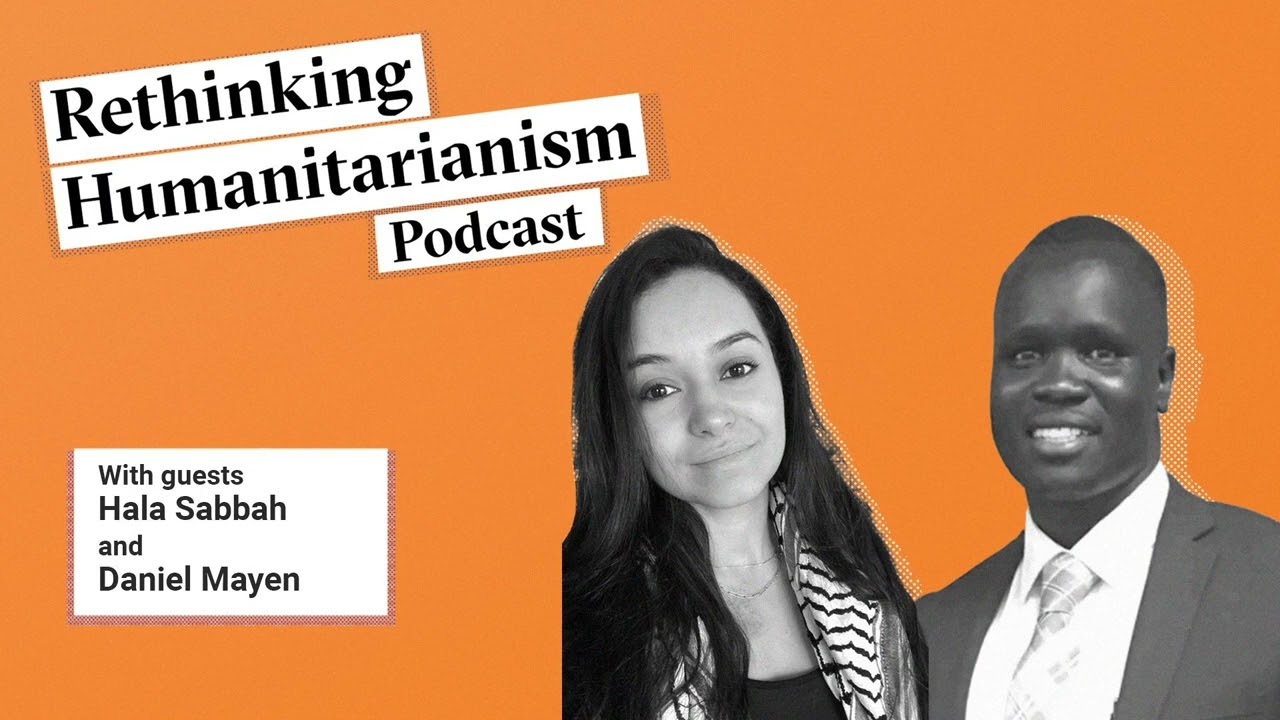
Every year, people in the diaspora send hundreds of billions of dollars home. It is one of the single most important streams of assistance, far outweighing all official foreign aid.
So why does...
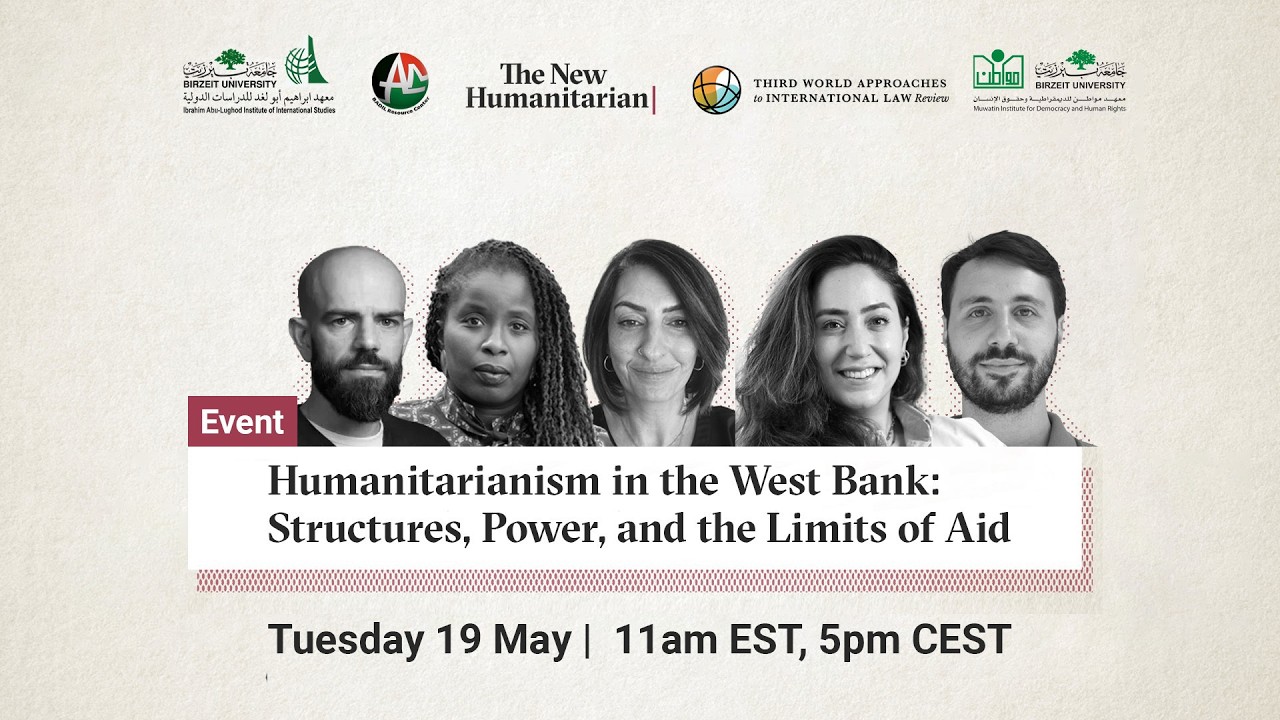
This webinar traces how humanitarian action in the West Bank has evolved and how these actors operate within a broader landscape of occupation, violence, and structural injustice.
By examining hu...
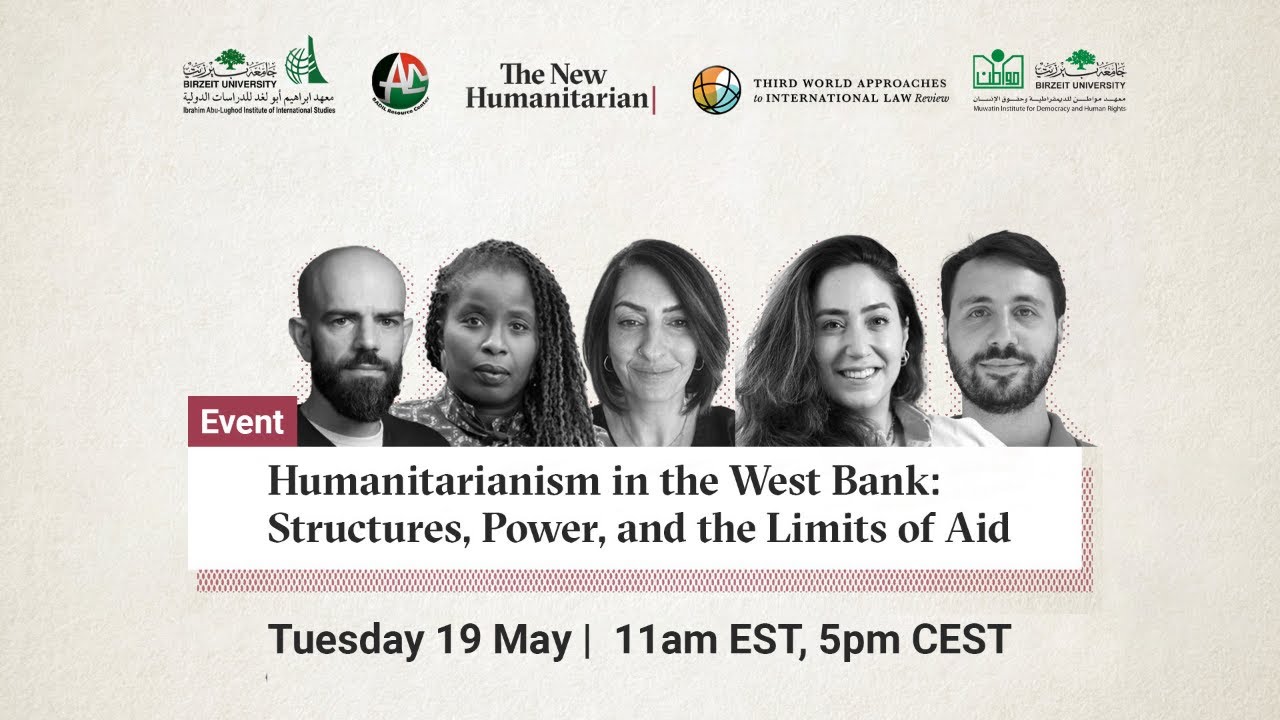
Join us for a timely and critical conversation on the state of humanitarianism in the West Bank today.
Does it really matter whether a journalist is a local or a foreigner? The distinction between “local” or “international” journalists raises questions about trust, credibility, and control in global...
Saving lives is a choice, and that makes it hard for humanitarianism to be completely apolitical despite long-running debates about neutrality and impartiality. But what does being political look l...
In the latest Decolonise How? podcast, we ask whether ethical journalism is possible when individual ideals collide with institutional realities. “In school, we are taught: Don't be too close to th...
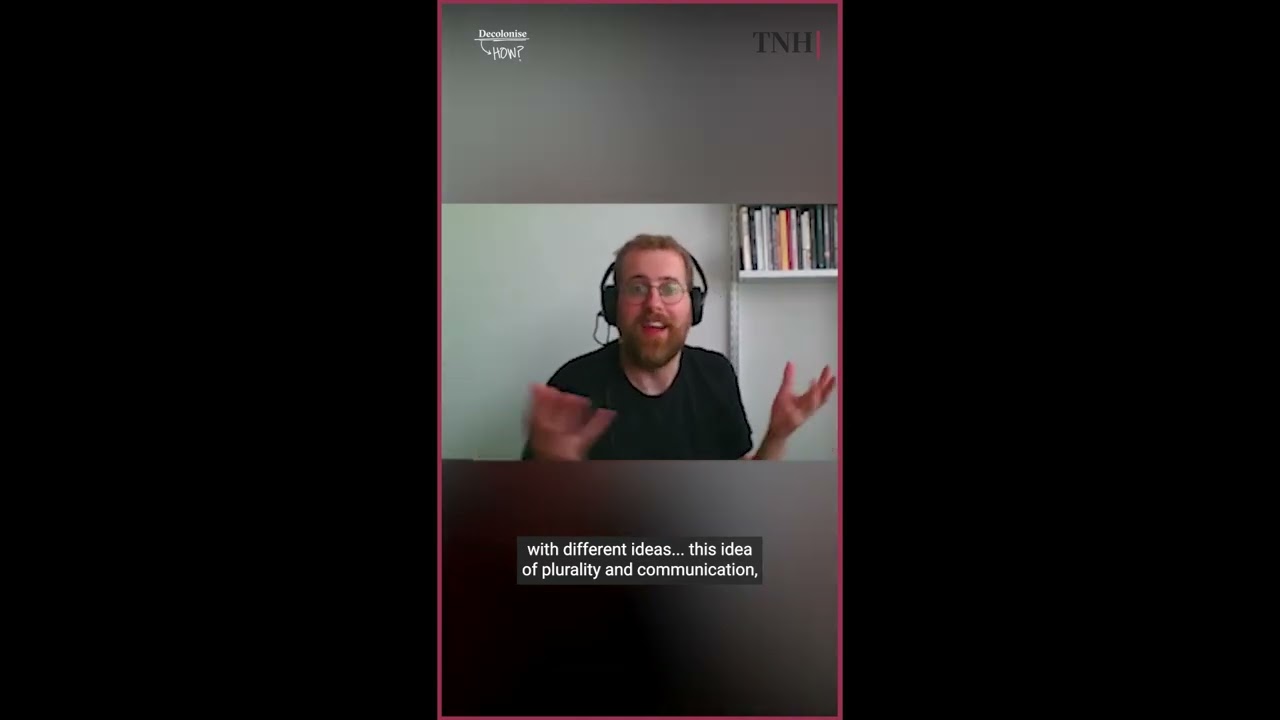
In the second episode of the Decolonise How? podcast, Patrick Gathara sits down with media professor Martin Scott.
As co-author of the book ‘Humanitarian Journalists: Covering Crises from a Bound...
Like many local aid workers living through war, Hind Obeid is surviving a crisis while responding to it. Obeid works for an NGO that supports refugees in Lebanon, but since 2024 Israeli attacks hav...
In this episode of Decolonise How?, host Patrick Gathara sits down with journalist Jane Ferguson to debate what role foreign correspondents should have in telling stories from crises, and why she n...
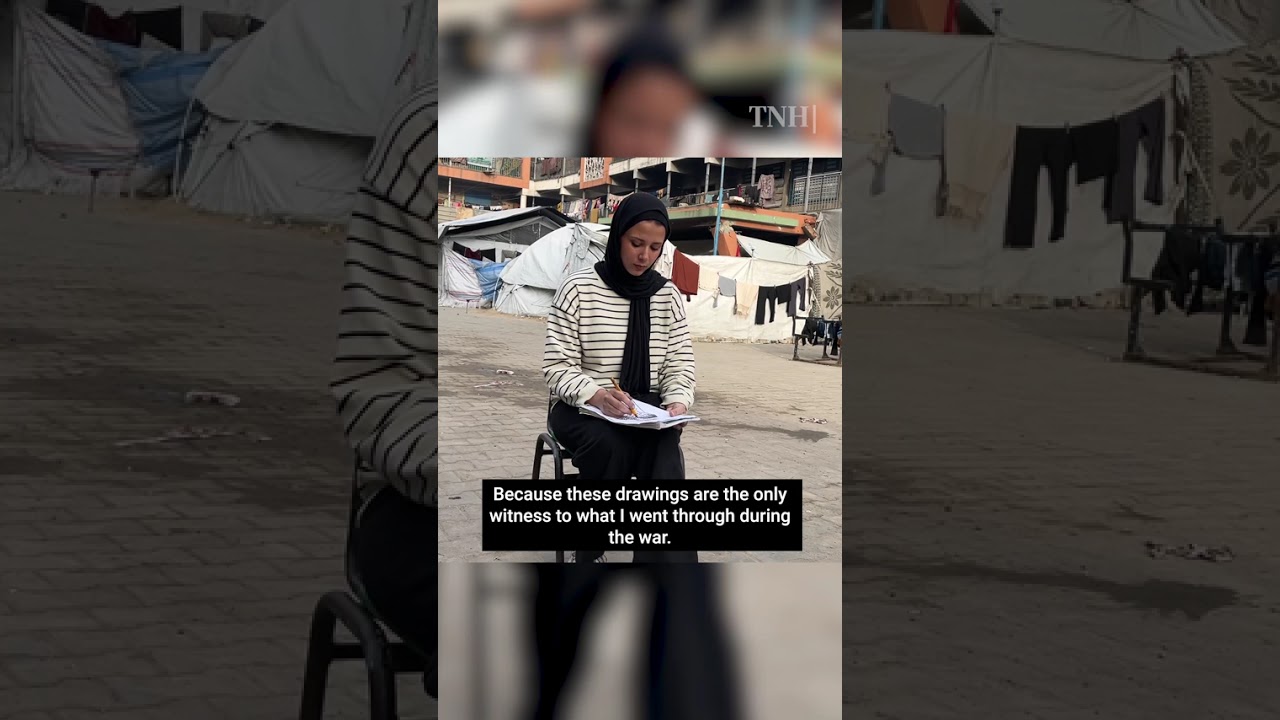
When the war started, 18-year-old artist Marah Khaled Al-Za'anin and her family were displaced to a school shelter in Deir al-Balah, living alongside more than 20 families sleeping in the same clas...
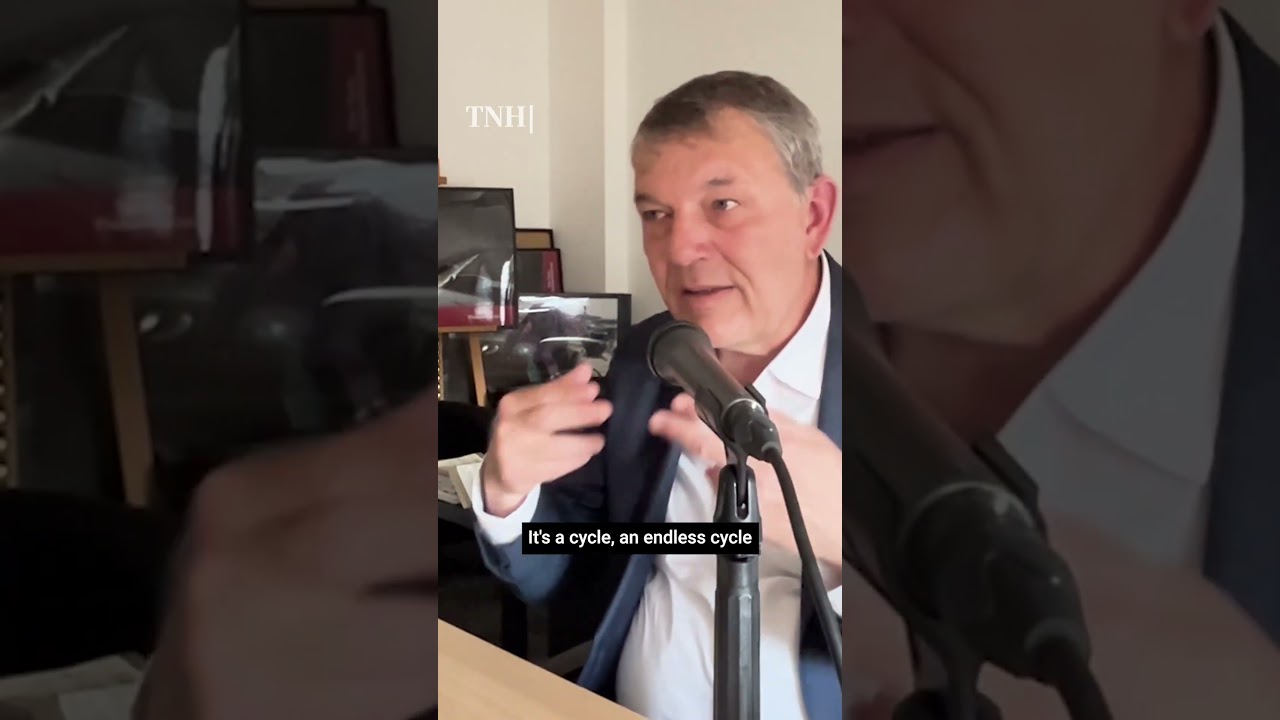
Philippe Lazzarini has ended his term as head of UNRWA, the UN agency that provides essential services to Palestinians. In an exit interview, Lazzarini describes “the most brutal experience” of his...
Philippe Lazzarini has ended his term as head of UNRWA, the UN agency that provides essential services to Palestinians. In an exit interview, Lazzarini describes “the most brutal experience” of his...
There’s more than one way to cover crises, says Professor Martin Scott. In the second episode of Decolonise How?, host Patrick Gathara sits down with Scott, who studies media and global development...
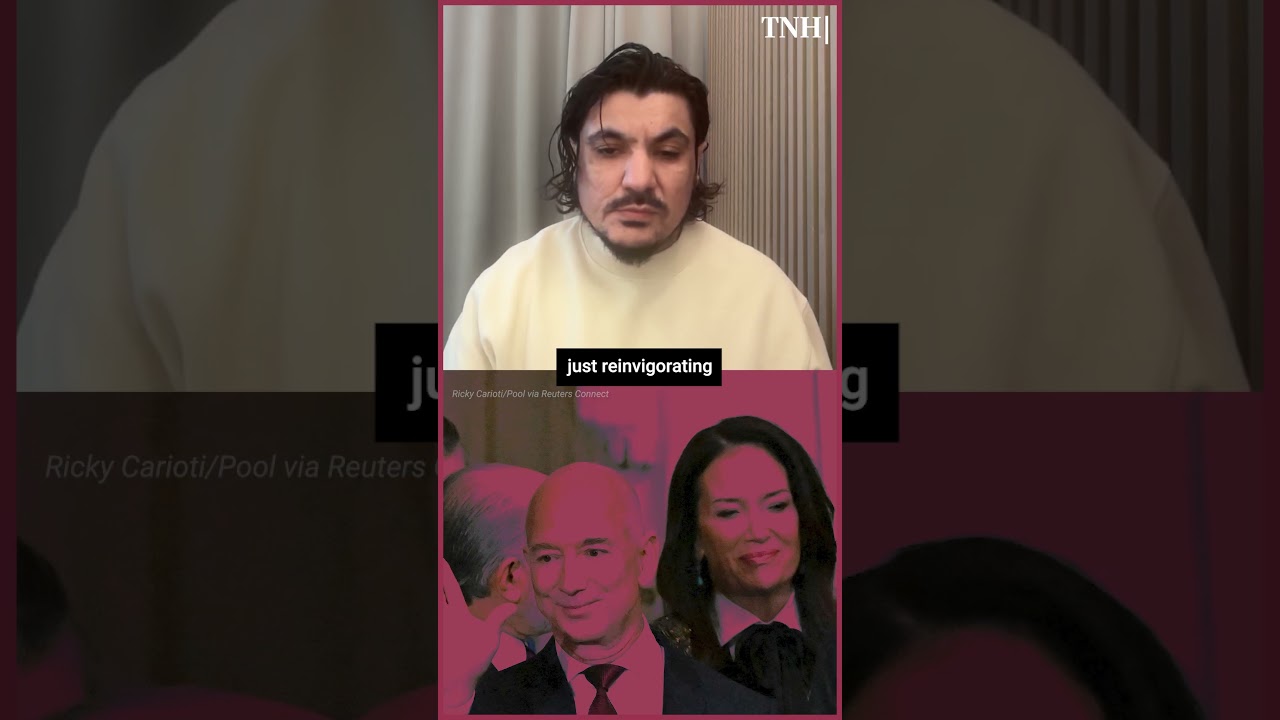
Misinformation spreads fast online. Much faster than most of us could ever combat. That, coupled with more and more of the media being controlled by a few well-connected men, our social media feeds...