

Clean Air Task Force
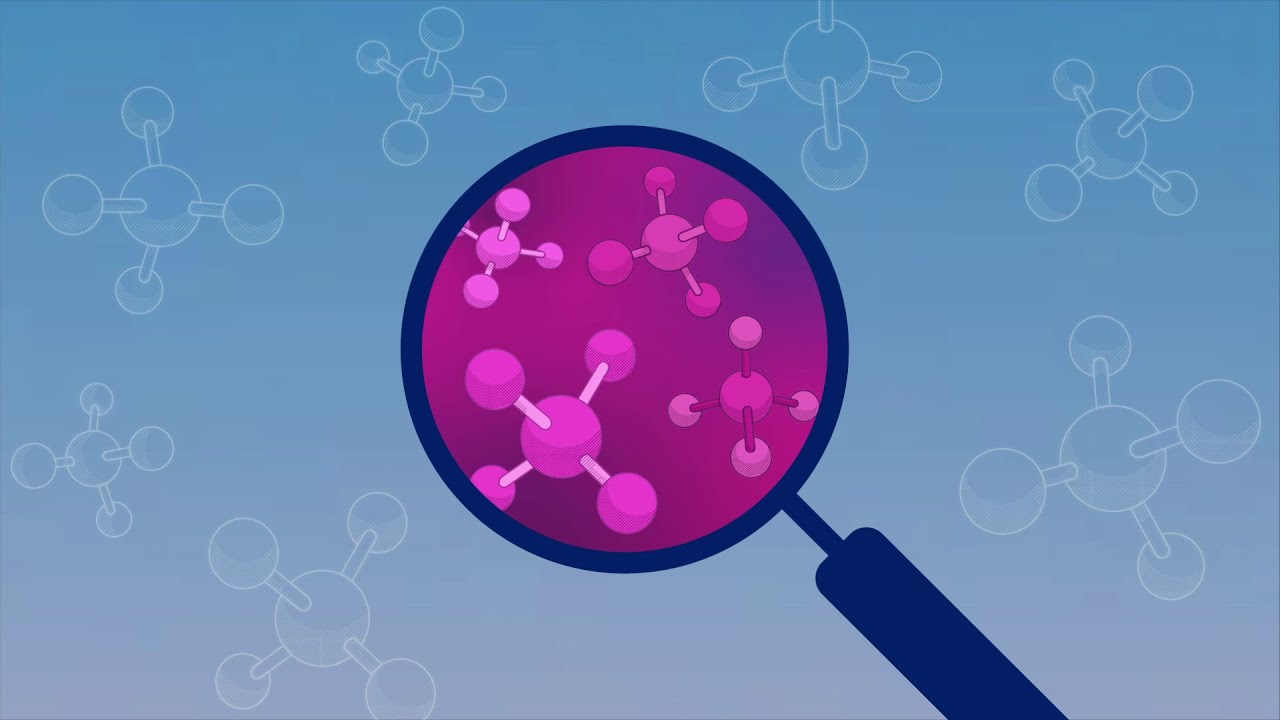
Gas analysers measure gas concentration in the atmosphere. They can be constructed to measure a wide range
of gases. These analysers can detect tiny concentrations of these gases, enabling the stu...
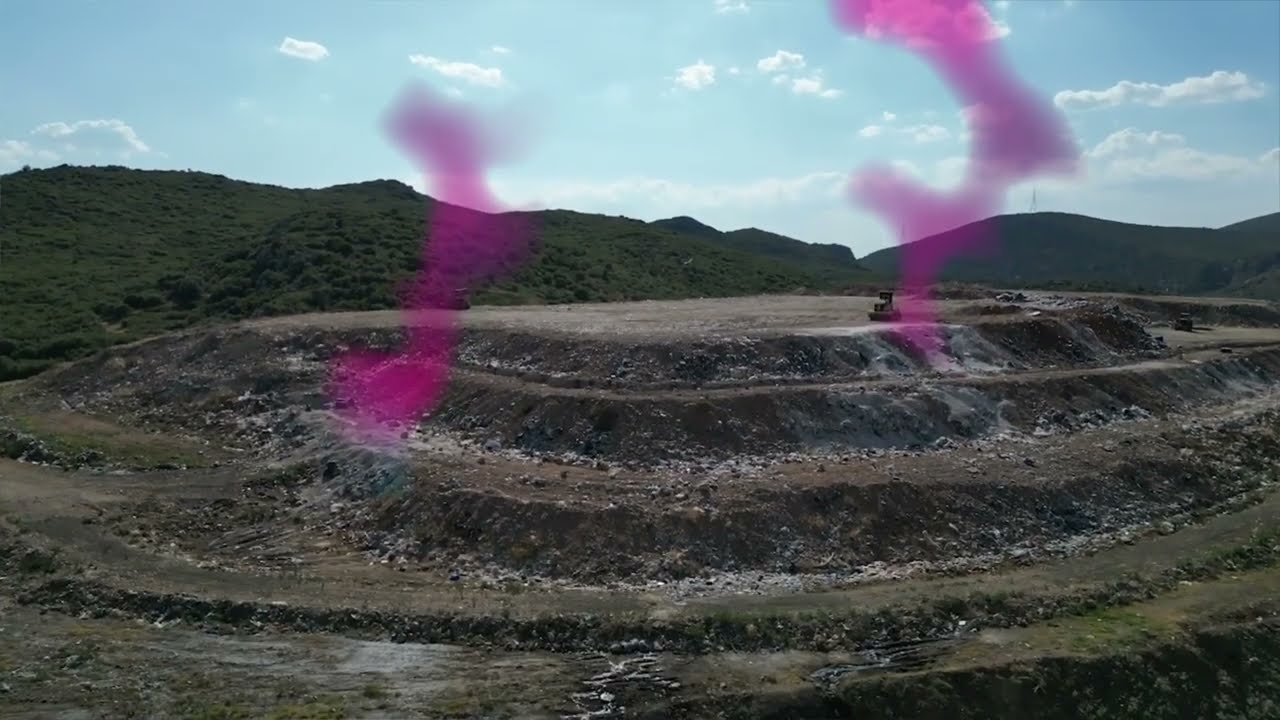
The waste sector is responsible for about 20% of human-caused methane emissions. By using science and data, we can drive transparency, measure methane concentrations, improve air quality and health...

The Geothermal Frontier knowledge and data sharing platform provides a comprehensive global overview of institutional research capabilities and country profiles, purpose-built to advance the deploy...
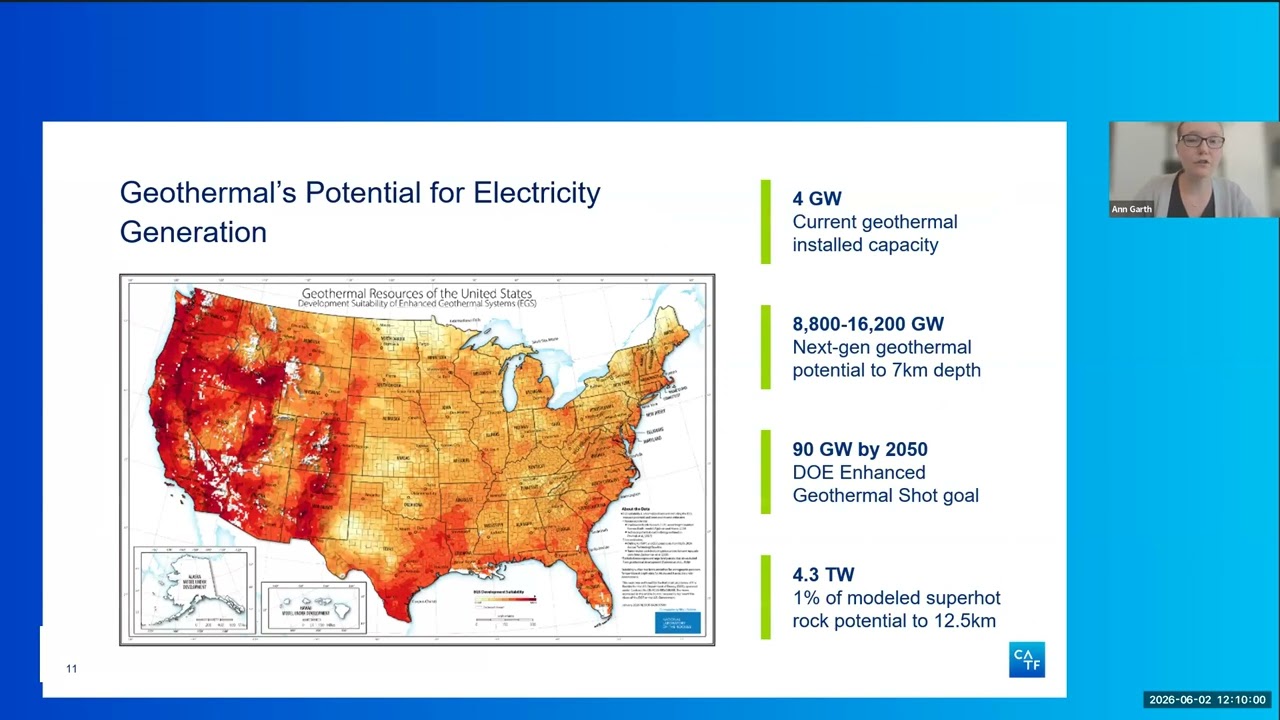
California has ambitious climate goals, and meeting those goals will require clean firm power: energy sources that can generate low- or zero-carbon power on demand, for as long as needed, regardles...

Nuclear energy can play a significant role in achieving reliability, emissions, and energy security goals. However, concerns tied to cost, technology readiness, and delivery deadlines linger for po...
Public financing has the potential to deliver billion-dollar savings to New England ratepayers as the region invests in the build-out and modernization of its power grid. Clean Air Task Force (CATF...
States across the country are working to scale clean energy resources and grid infrastructure to meet demand growth, while delivering affordable, reliable, and clean electricity. But nearly 70% of ...
As the first regulation of its kind, the Net Zero Industry Act (NZIA) Article 23 introduces a requirement for oil and gas producers to contribute to the development of CO2 storage capacity in the E...

The United States is poised for an unprecedented scale-up of nuclear energy — and successfully translating that momentum into deployed capacity is a matter of supply chain readiness, not technology...
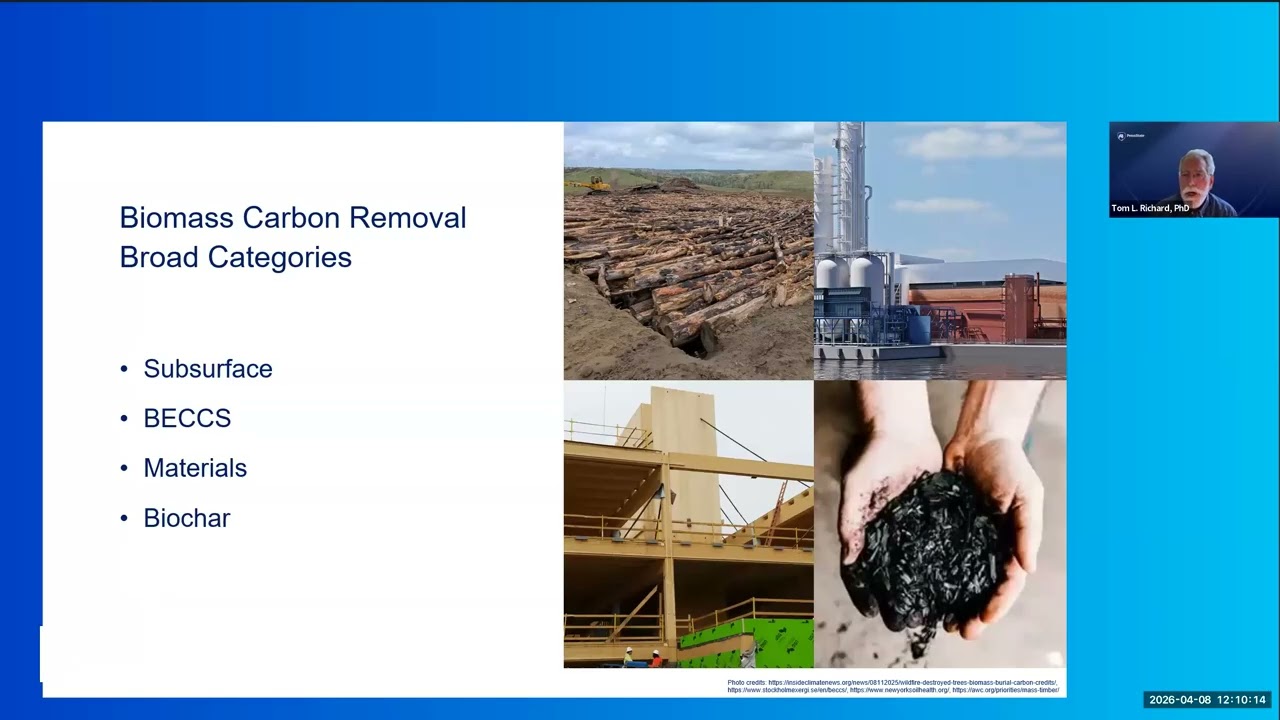
Biomass carbon removal, or CDR, can deliver gigaton-scale climate mitigation by pairing the power of photosynthesis with engineered technologies to store carbon for centuries or longer. Some exampl...
In the wake of the EU energy crisis, ensuring energy security has become a central priority on the European policy agenda. Capacity mechanisms (CMs), a key component of electricity market design, h...
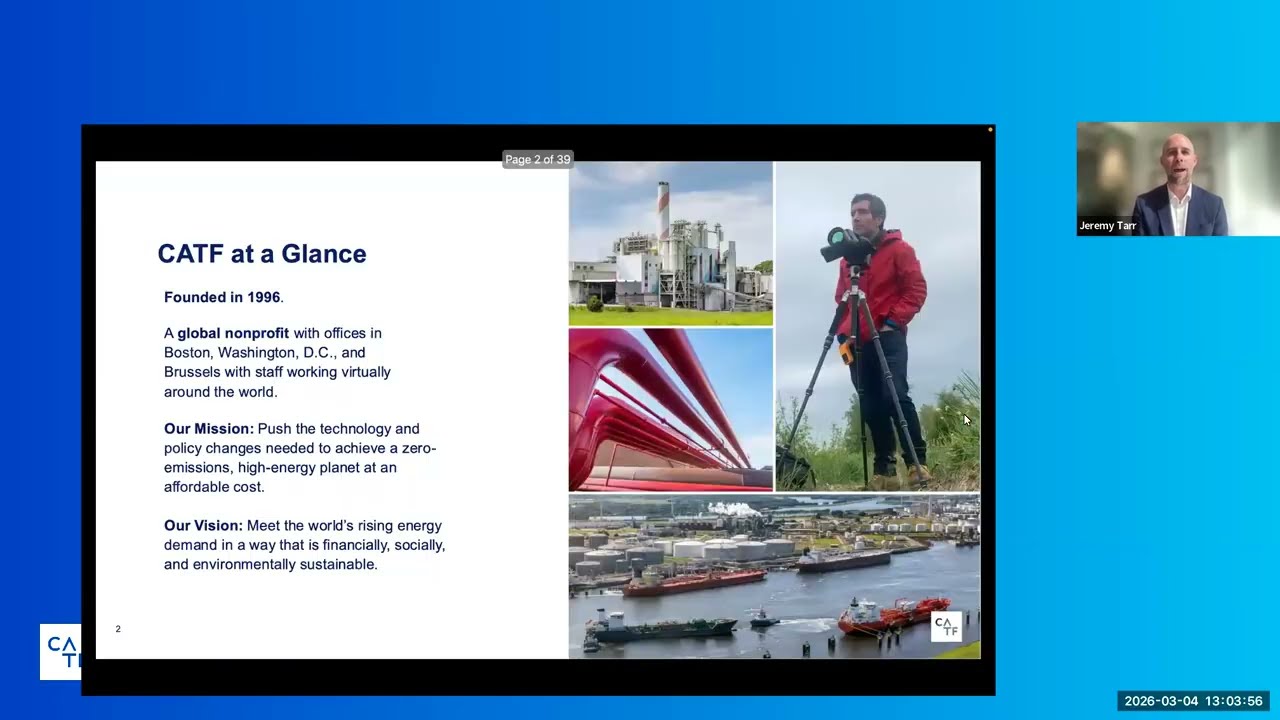
This webinar features opportunities and insights shaping state climate policy in 2026 from four leading organizations with diverse perspectives: Natural Resources Defense Council, Rewiring America,...
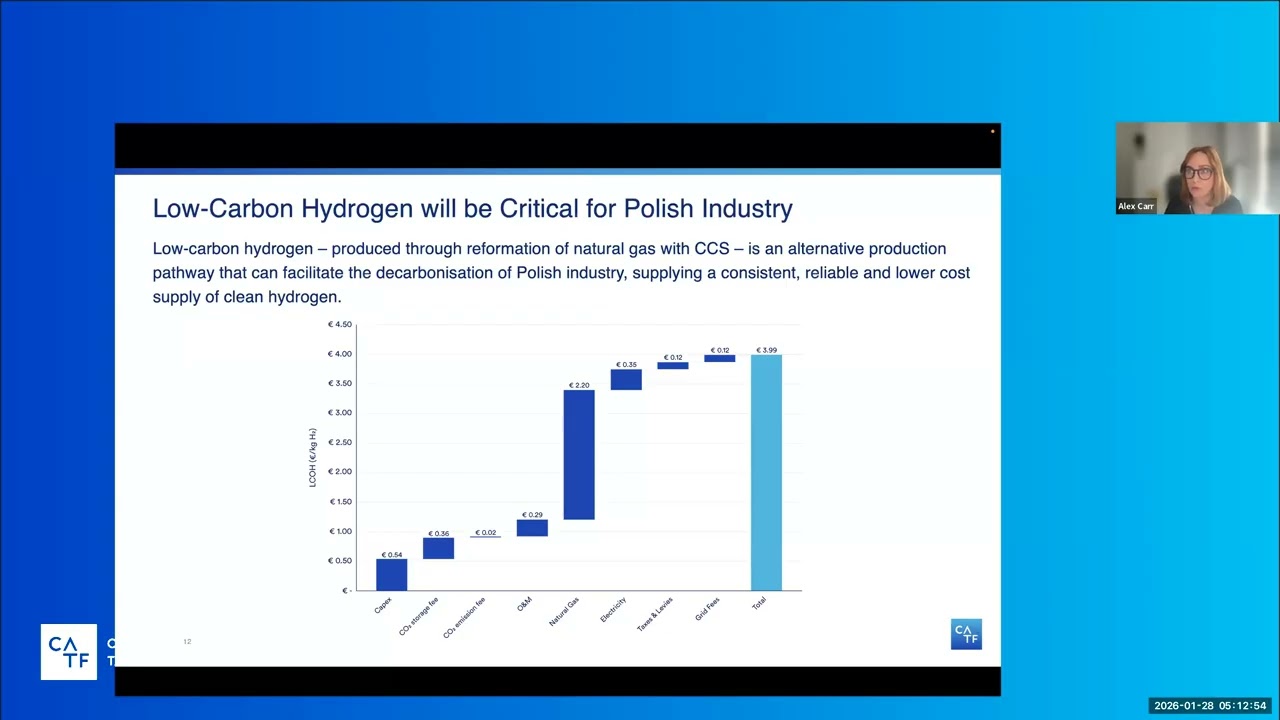
Poland is Europe’s third largest hydrogen producer and consumer, but almost all the hydrogen it consumes each year is carbon intensive. Under EU law, 42% of hydrogen used in industry must be a clea...
Watch our in-depth webinar introducing the Fusion Cost Model – a first-of-its-kind tool for analyzing the costs structure of commercial fusion power plants.
Developed by Clean Air Task Force and...

CATF’s first Central and Eastern Europe (CEE) Fellowship was held in 2025, uniting ten emerging professionals from across the region to build knowledge, exchange ideas, and accelerate progress towa...
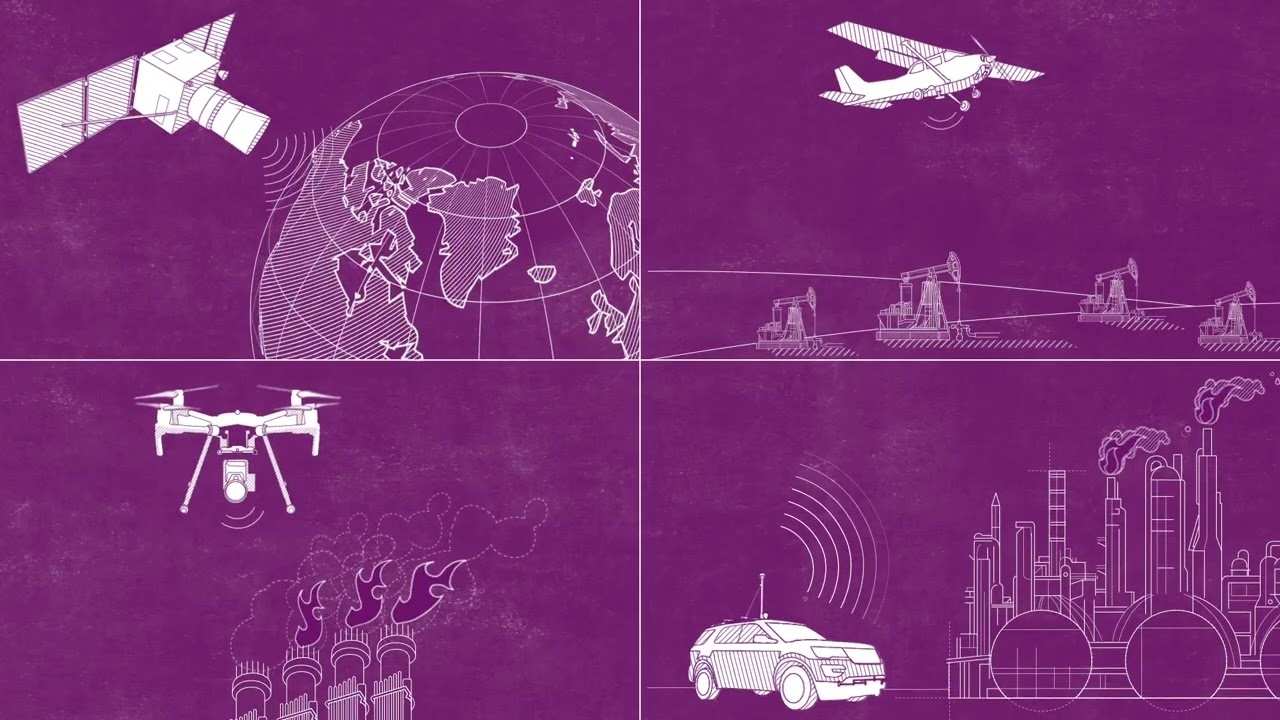
The oil and gas sector is the world's second largest source of anthropogenic methane emissions, accounting for 21% of the global total. Every year, oil and gas companies around the world leak, flar...
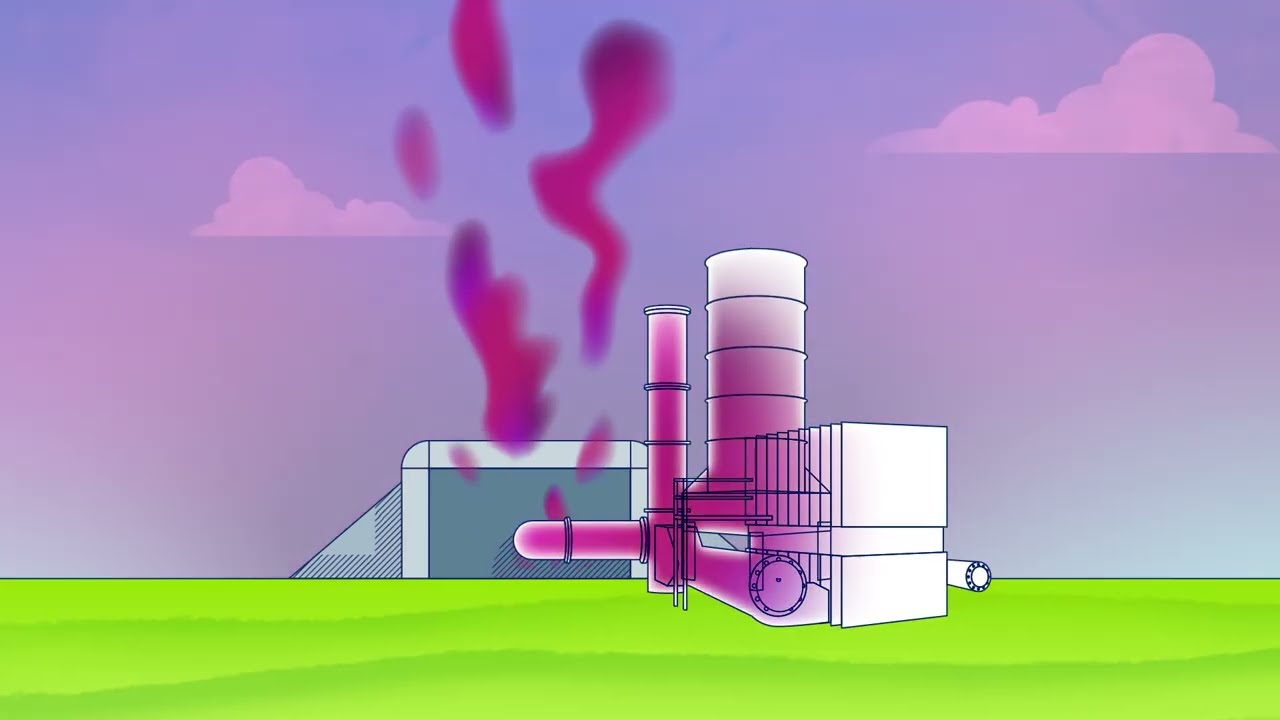
Coal mining is responsible for roughly 11% of global anthropogenic methane emissions. Methane is formed during the coalification process, where buried organic matter is transformed into coal under ...
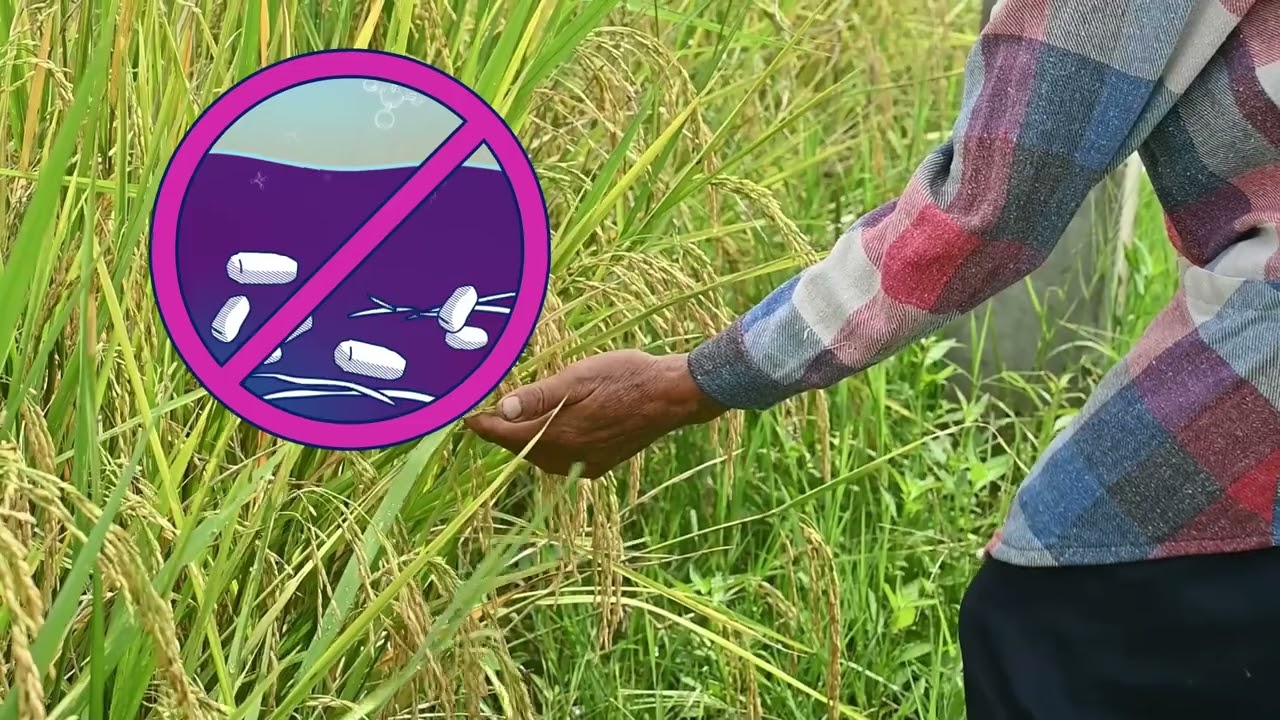
Agriculture is the world’s largest source of anthropogenic, or human caused, methane emissions, accounting for 39% of the global total with the majority stemming from enteric fermentation in livest...
U.S. states remain essential drivers of climate and energy progress — and this year brought both significant milestones and critical lessons. CATF’s State Policy team provides an inside look at how...
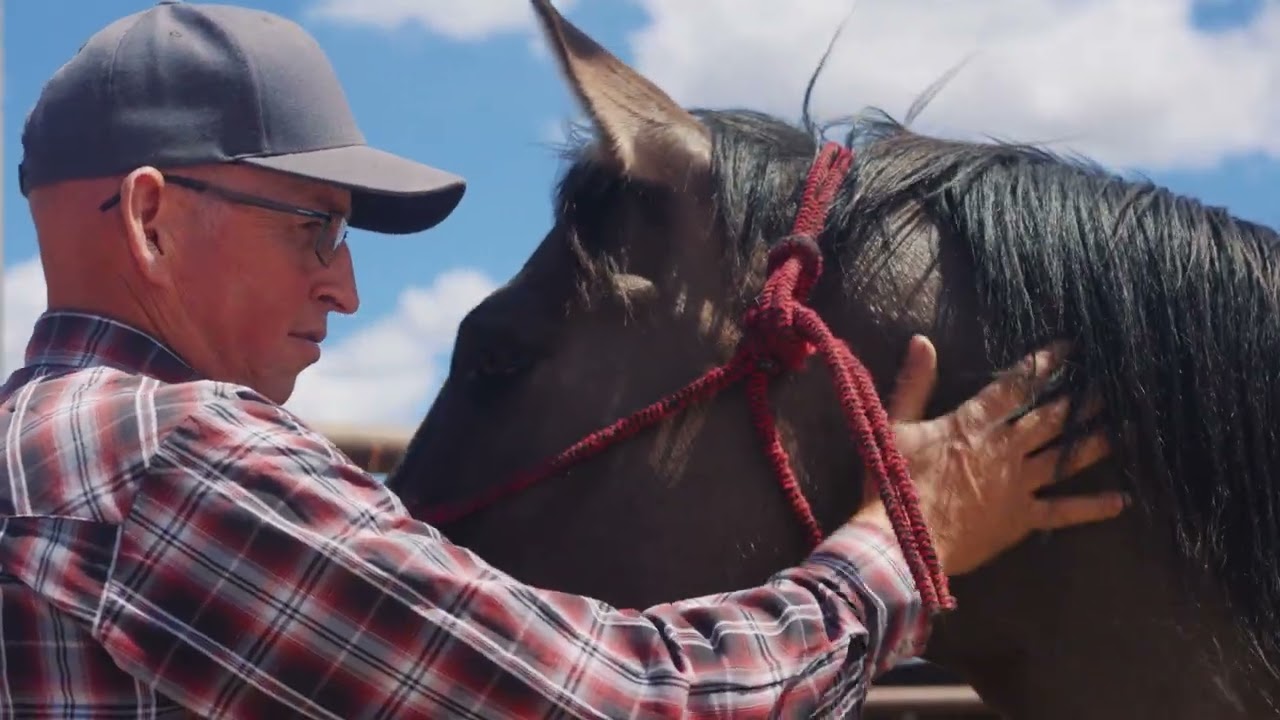
Community engagement is a cornerstone of successful energy deployment. Hear from local officials and Utah FORGE staff in Beaver County, Utah about how meaningful community engagement, centered on t...