

Institute for Health Metrics and Evaluation (IHME)
Q&A: Childhood cancer is a substantial contributor to global childhood mortality

Childhood cancer is the eighth-leading cause of childhood death globally and causes more deaths than measles, tuberculosis and HIV/AIDS, with outcomes largely determined by resource availability, a...
Global Health Insights Podcast: Launching the NUS-IHME Global Burden of Disease Research Centre
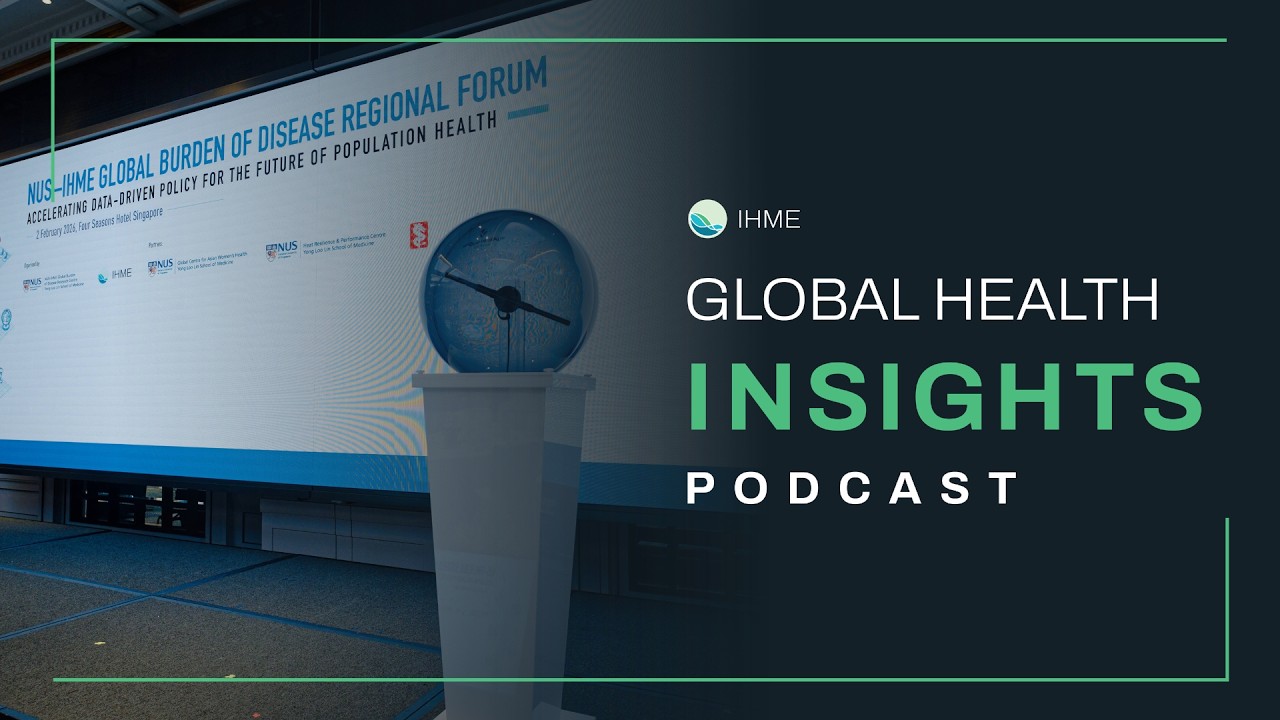
The NUS-IHME Global Burden of Disease Research Centre is a new regional hub to serve as a key analytical engine for Southeast Asia and the surrounding region by delivering scientific evidence that ...
Global Health Insights Podcast: The NUS-IHME Global Burden of Disease Research Centre

The NUS-IHME Global Burden of Disease Research Centre is a new regional hub to serve as a key analytical engine for Southeast Asia and the surrounding region by delivering scientific evidence that ...
Q&A: Global breast cancer cases expected to reach over 3.5M by 2050

New breast cancer cases in women are predicted to increase globally from 2.3 million in 2023 to more than 3.5 million in 2050. Similarly, yearly deaths from the disease are projected to surge 44% (...
Announcing the NUS-IHME Global Burden of Disease Research Centre
The Yong Loo Lin School of Medicine, National University of Singapore (NUS Medicine) and IHME launched the NUS-IHME Global Burden of Disease Research Centre, a new regional hub to serve as a key an...
Q&A: US state-level obesity by race & ethnicity

Adult obesity in the United States has more than doubled over the past three decades, rising from 19% of adults in 1990 to more than 42% in 2022, according to new research published in JAMA.
The...
Q&A: Understanding facility-based births in LMICs

There have been major increases in facility-based births in low- and middle-income countries (LMICs) since 1995, and authors of a recent study aimed to understand which facilities met the increased...
Q&A: Nervous system disorders were the top cause of health loss in 2021

According to a systematic analysis from researchers at American Academy of Neurology and IHME, in 2021, nervous system disorders were the top cause of health loss and impacted more than 180 million...
Q&A: Lower respiratory infections remain one of the world's most persistent health threats
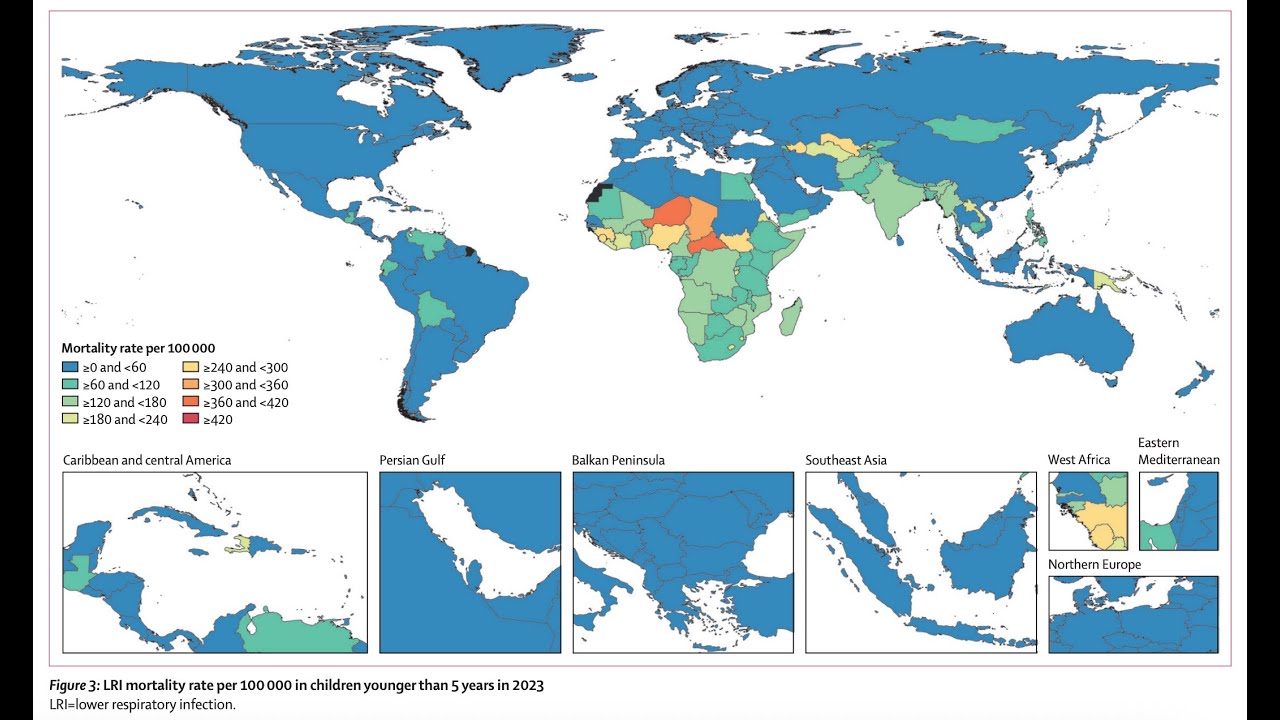
Lower respiratory infections (LRI) caused 2.5 million deaths and nearly 100 million disability-adjusted life years in 2023. According to new research published in The Lancet Infectious Diseases, th...
Q&A: Global burden of sexual violence against children and intimate partner violence

Sexual violence against children (SVAC) and intimate partner violence (IPV) against women are two of the most devastating yet persistently underrecognized global health challenges and rank among th...
GBD 2023 – Intimate partner violence and sexual violence against children
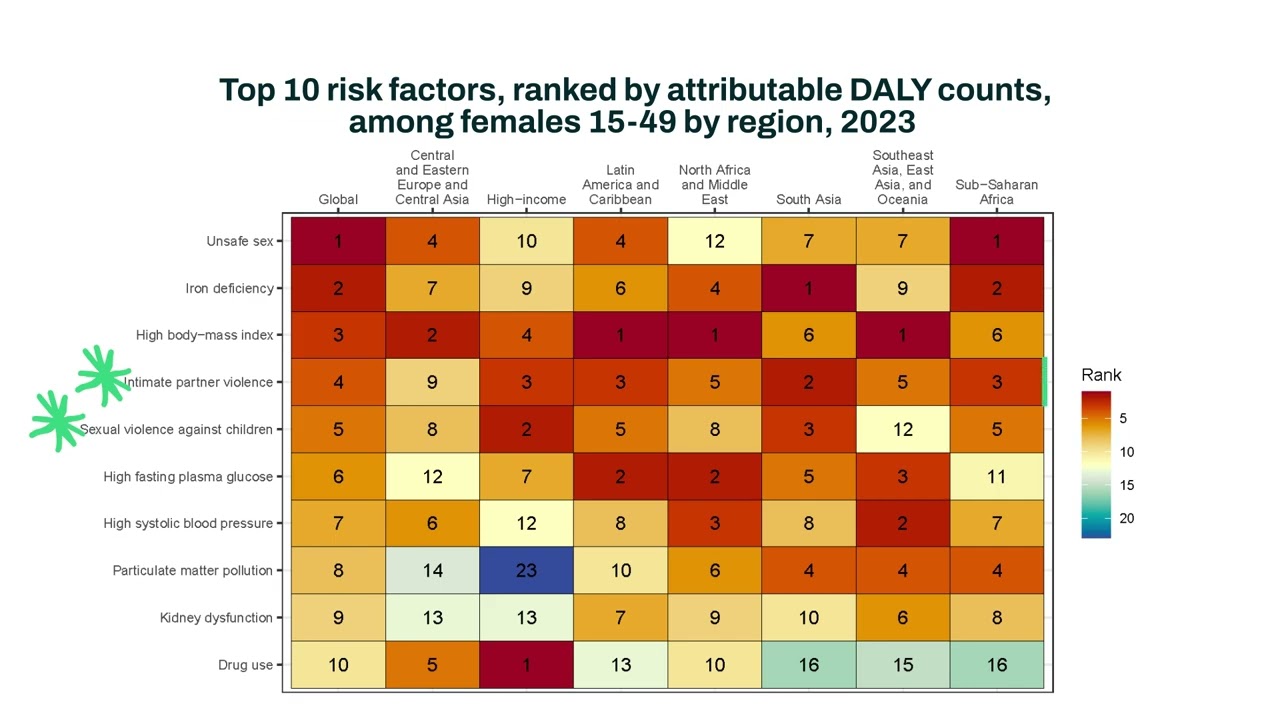
Sexual violence against children and intimate partner violence against women are two of the most devastating yet persistently underrecognized global health challenges and rank among the top risks f...
World Health Summit – GBD 2023 panel discussion: State of global health

A panel of experts from the World Health Summit discussed changes in life expectancy, disease patterns, and key risk factors around the world.
Video Source: World Health Summit (https://www.worldh...
World Health Summit – GBD 2023 panel discussion: Translating evidence to agendas for health systems

Hear from a panel of global health experts as they discuss how to leverage findings from the Global Burden of Disease (GBD) 2023 study to support and catalyze health systems to improve health outco...
Webinar: Sex differences in health (GBD 2023)
This webinar discusses the patterns of health outcomes between sexes, drawing on the latest findings from the Global Burden of Disease (GBD) 2023 study.
Through a critical analysis of GBD 2023 d...
Q&A: Fatal and non-fatal burden of disease associated with child growth failure

Child growth failure (CGF), which includes underweight, wasting, and stunting, is among the factors most strongly associated with mortality and morbidity in children younger than 5 years worldwide....
Webinar: Understanding the Global Burden of Cancer - London Global Cancer Week
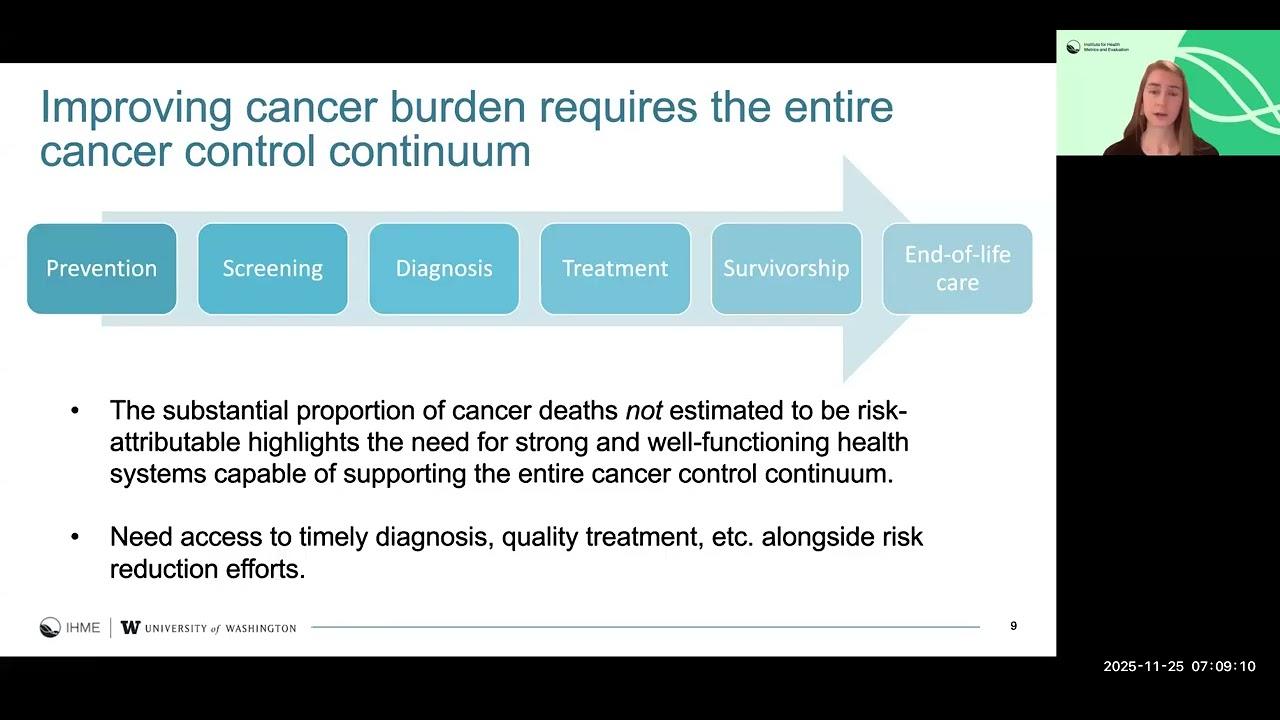
Understanding the Global Burden of Cancer: Leveraging Global Burden of Disease Study Estimates to Improve Cancer Outcomes
- Learn about GBD 2023 global cancer burden estimates from 1990 to 2023, w...
Q&A: 1 in 3 people had a headache disorder in 2023

Nearly 1 in 3 individuals were affected by headache disorders in 2023 — a total of 3 billion people around the world.
More than one-fifth of the global headache burden was linked to pain medicati...
Overview of GBD Dimensions
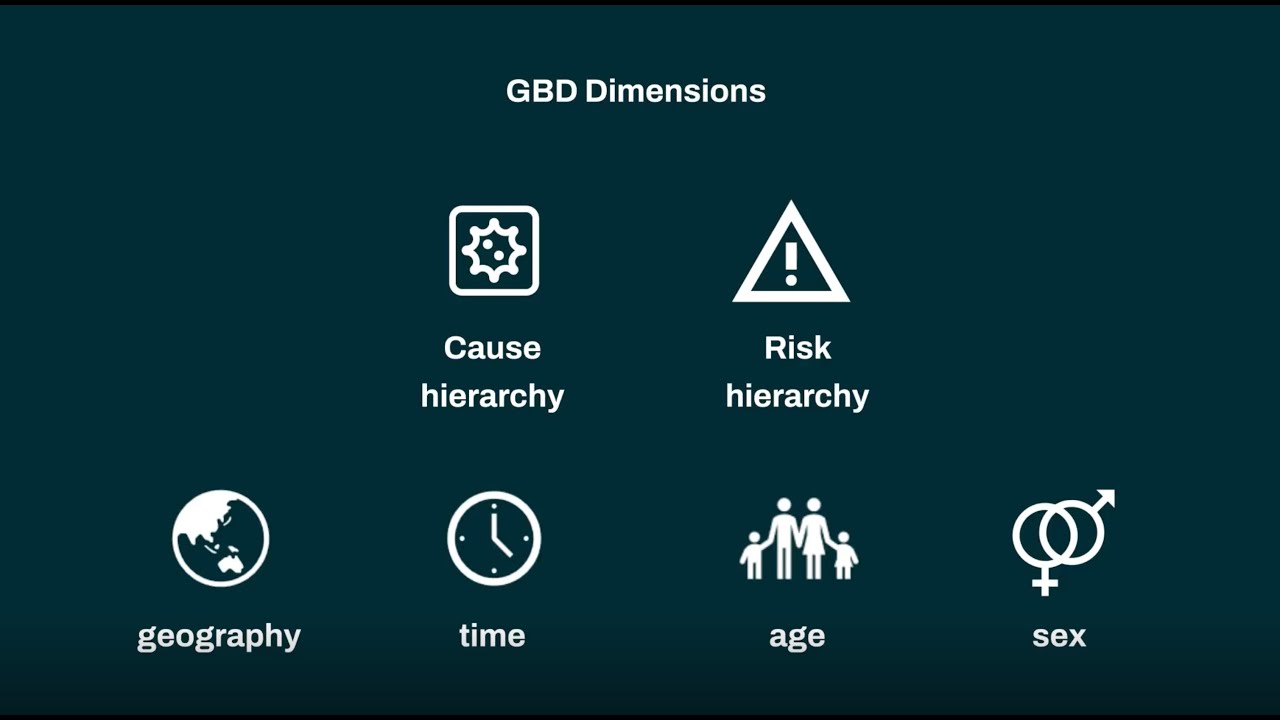
Kara Estep, Director of Research Operations at IHME, presents an overview of the dimensions of the Global Burden of Disease (GBD) study.
Learn more about the GBD: https://www.healthdata.org/resear...
Q&A: Global burden of Chagas disease
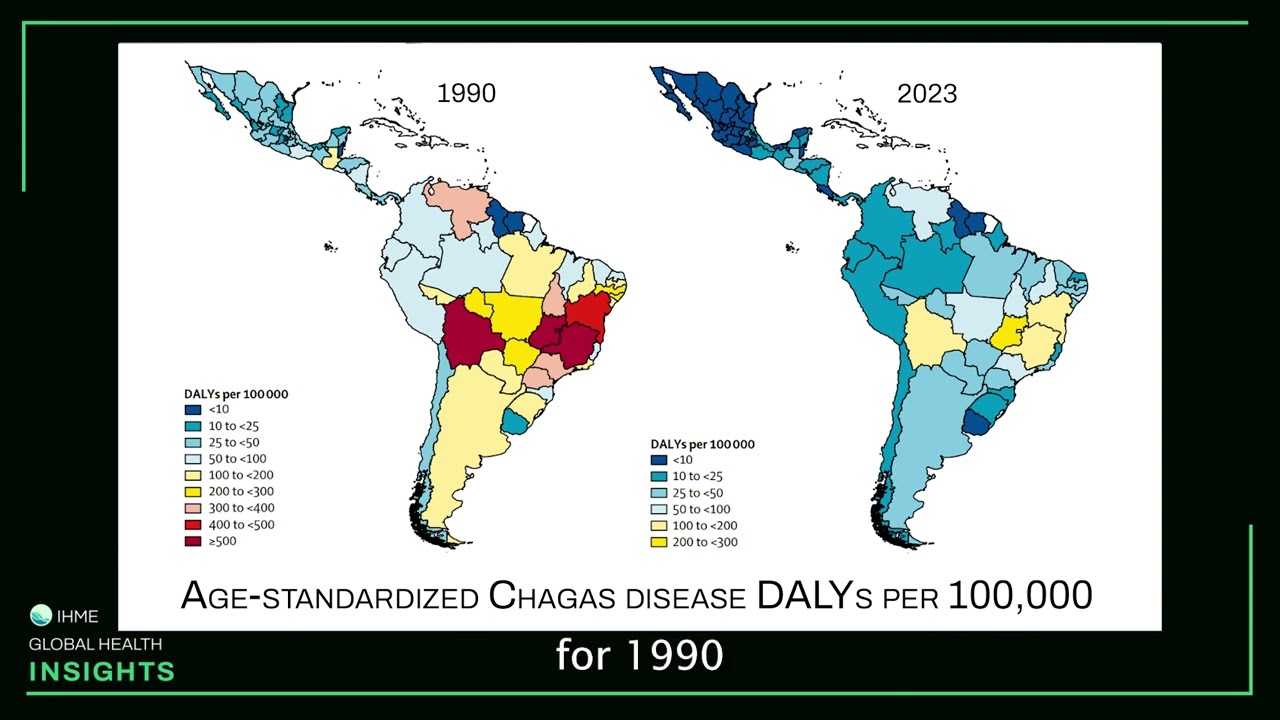
In 2023, 10.5 million people were living with Chagas disease, a neglected tropical disease primarily transmitted by infected insects. There was a 16% decrease in prevalent cases since 1990 and a 55...
Q&A: Chronic kidney disease has more than doubled since 1990

The number of adults living with chronic kidney disease (CKD) has more than doubled since 1990, reaching nearly 800 million, and signaling a growing global health crisis. CKD was the ninth-leading ...