
CGIAR GENDER Platform
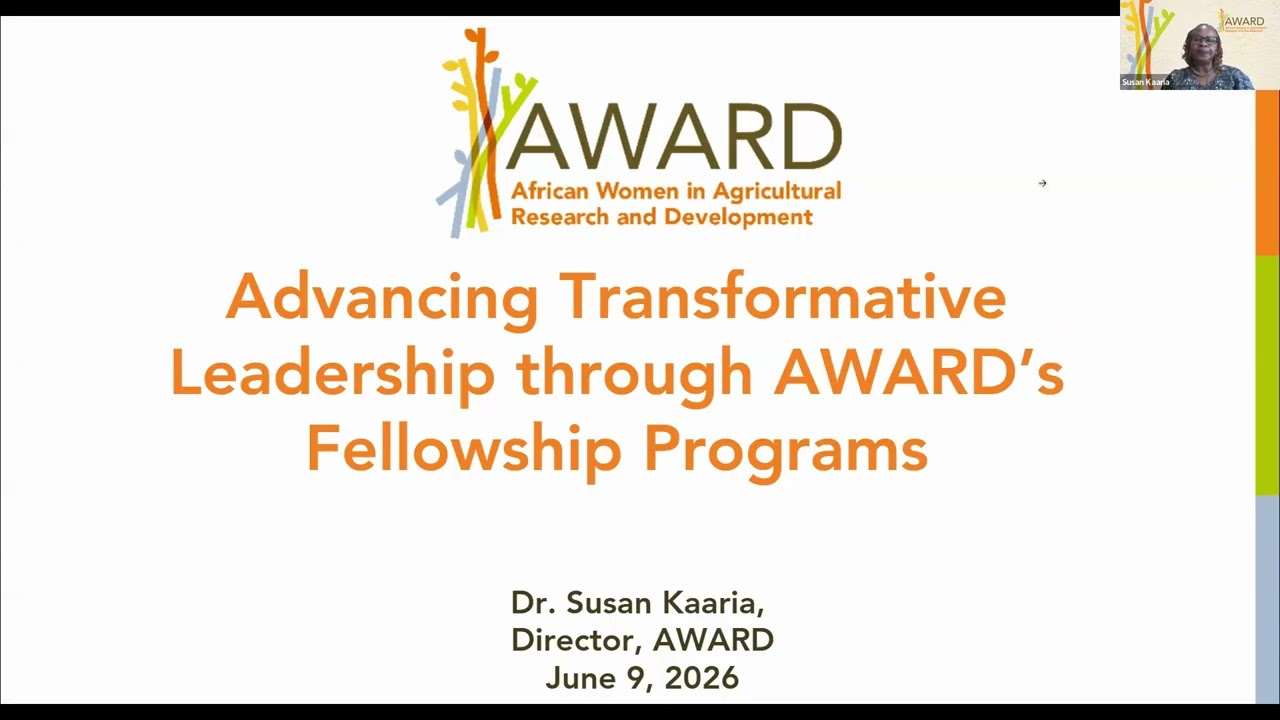
What does it mean to be a gender-transformative leader?
This webinar, part of the Gender Transformative Research Methodologies Community of Practice (GTRM-CoP) webinar series 'Gender Transformati...
Gender-Transformative Change in Coffee: Buzzword or Structural Shift?
What does it really take for businesses to move beyond “including women” toward transforming the norms and power relations tha...
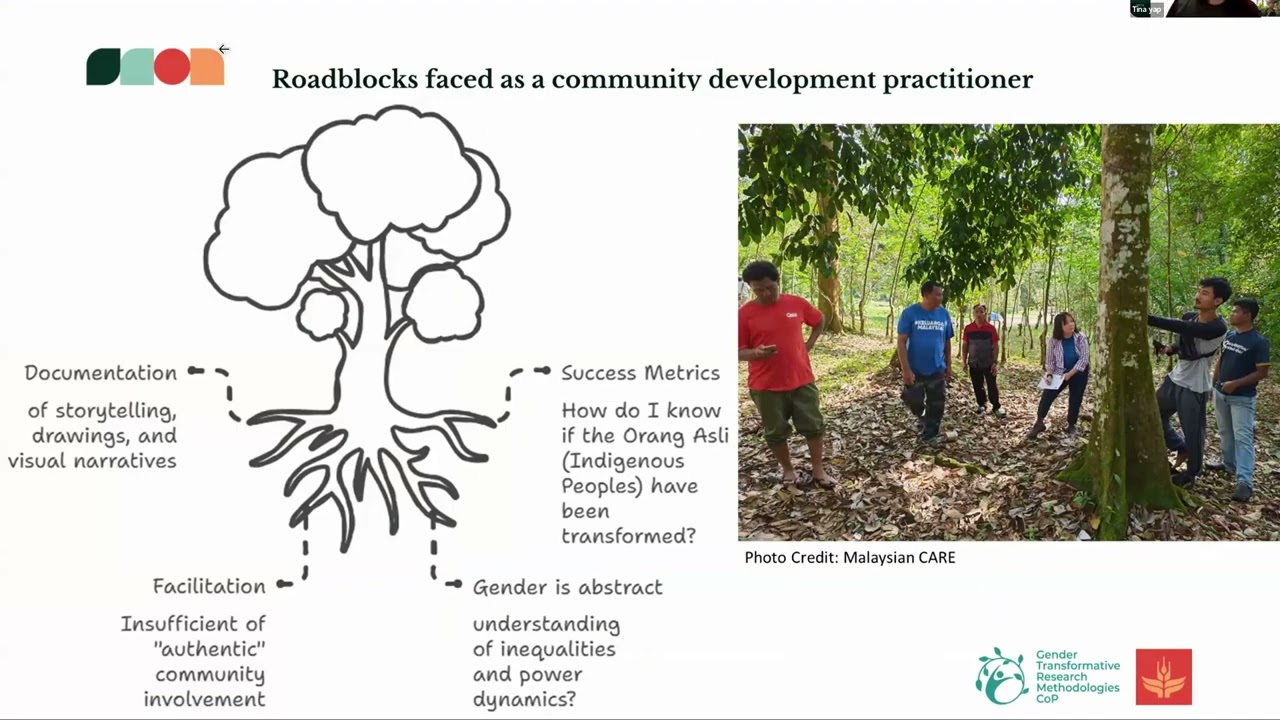
How can research become more community-driven?
Discover the Gender Transformative Research Methods Toolkit Series and learn about GALS for Gender Transformative Research (GALS4GTR) — a household ...
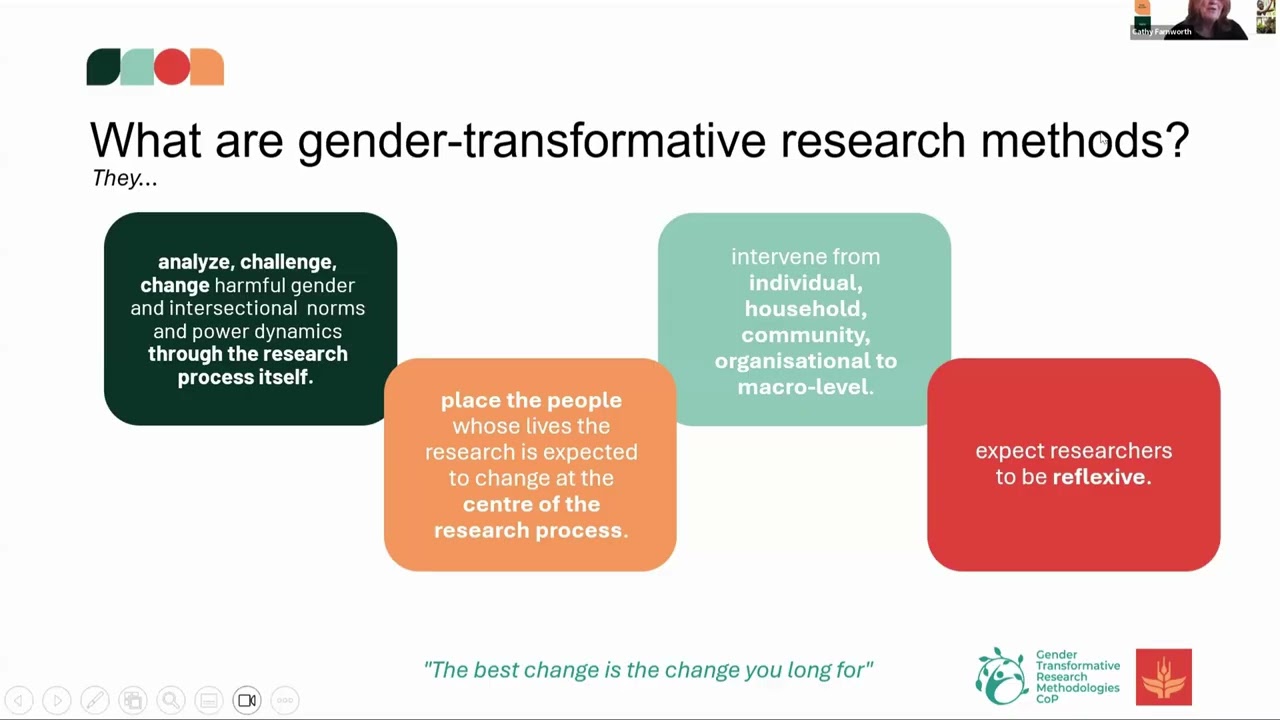
This webinar launched the Gender-Transformative Research Methods (GTRM) Toolkit, developed by the CGIAR Community of Practice on Gender-Transformative Research Methodologies (GTRM CoP).
The GTRM To...
Since 2020, the vegetable sector in Ethiopia has been a testing ground for integrated approaches that link productivity, inclusion, nutrition, and sustainability. Through the Veggies 4 Planet & Pe

Can innovative farming transform diets in climate-stressed regions of East Africa? Evidence: In many rural communities in Kenya and Ethiopia, malnutrition and food insecurity have long been challen...

A quiet agricultural revolution is taking root in Uganda and Burundi, led by women and youth. For years, farmers have relied on low-quality seeds, leaving them vulnerable to erratic rains and disco...
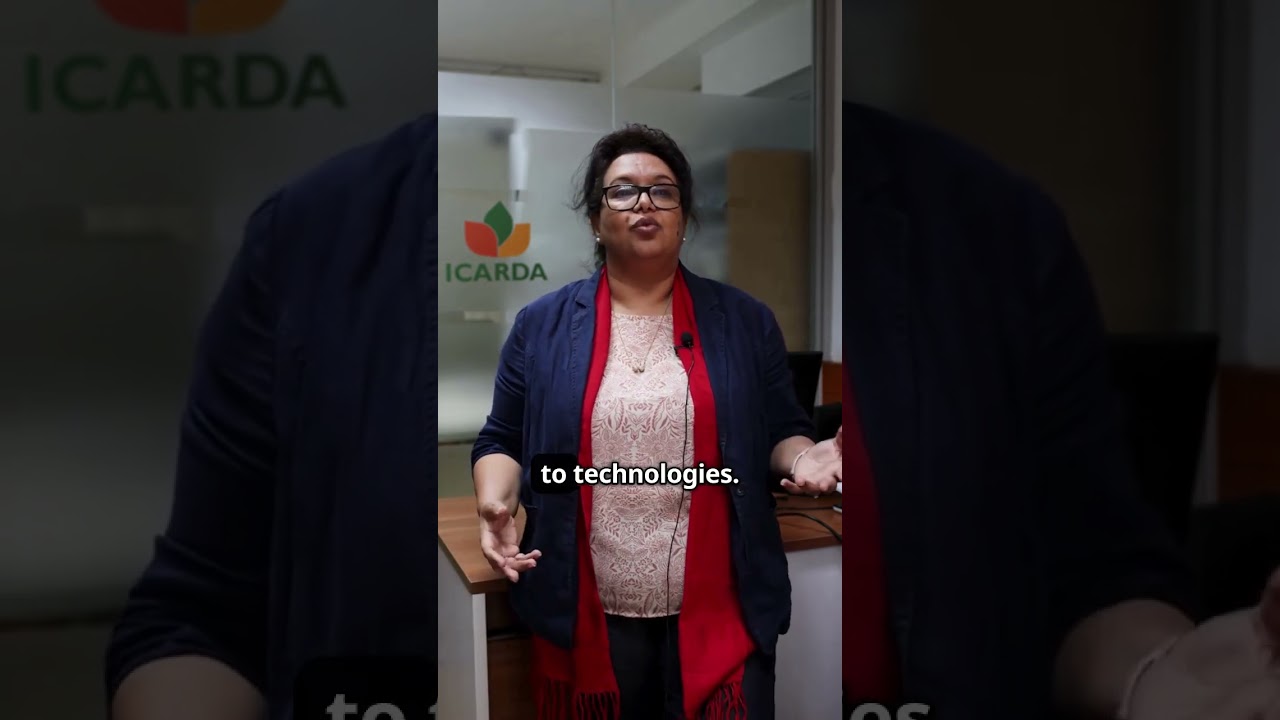
As we mark the International Women's Day 2026 we asked CGIAR Researchers the one discriminatory norm or barrier for women that they find most urgent to change in food systems
Beziaet Dessalegn , S...
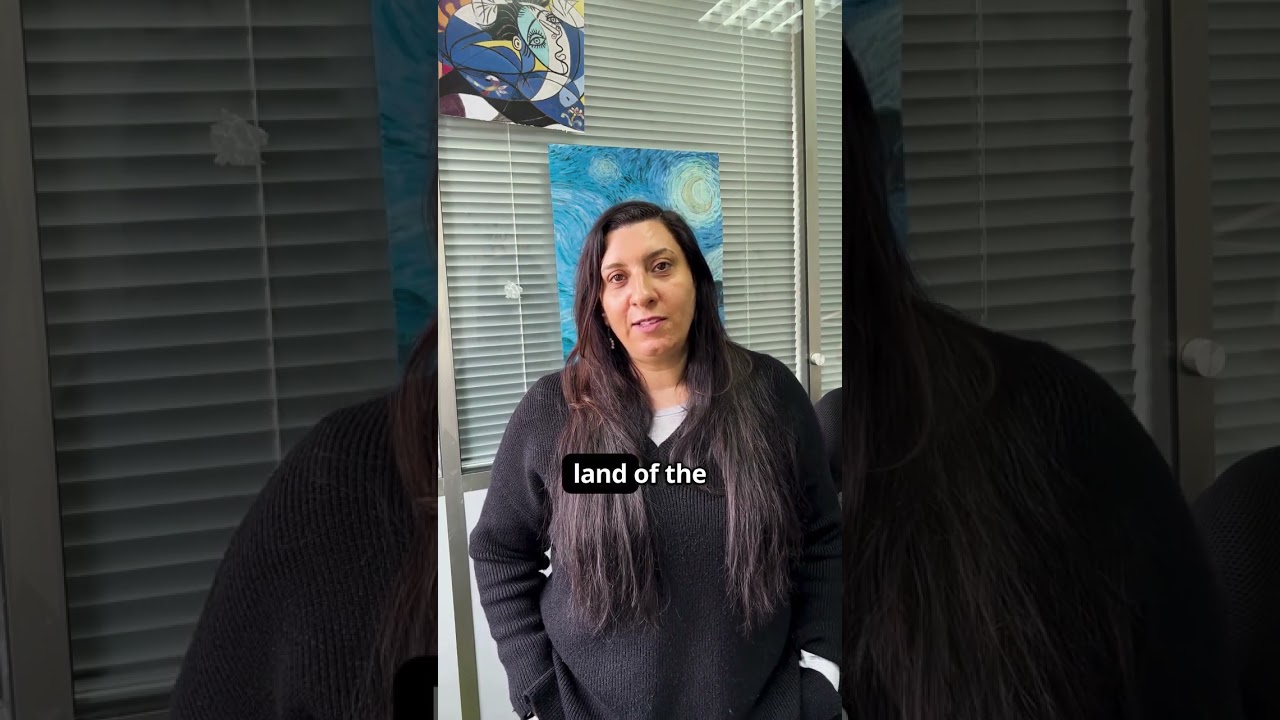
What's the one action we can take to close the gender gaps in food, land and water systems?
Dina Najjar, Senior Scientist with ICARDA has some answers.
As part of our International Women's Day Campaign we asked, Jo Swinnen, Director General, IFPRI, how we can move beyond inclusion to ensure women farmers truly benefit from food, land and water sy...
What's the one action we can take to close the gender gaps in food, land and water systems? WorldFish's Senior Scientist Michelle Tigchelaar shares more.
What will it take to close the gender gaps in food, land and water systems in MENA region? ICARDA's Country Director for Egypt, Mohie El Din Omar shares more.
How can we move beyond inclusion of women to ensure they truly benefit from food, land and water systems? IFPRI's Senior Research Analyst, Emily Myers shares on the Reach, Benefit, Empower, Transfo...
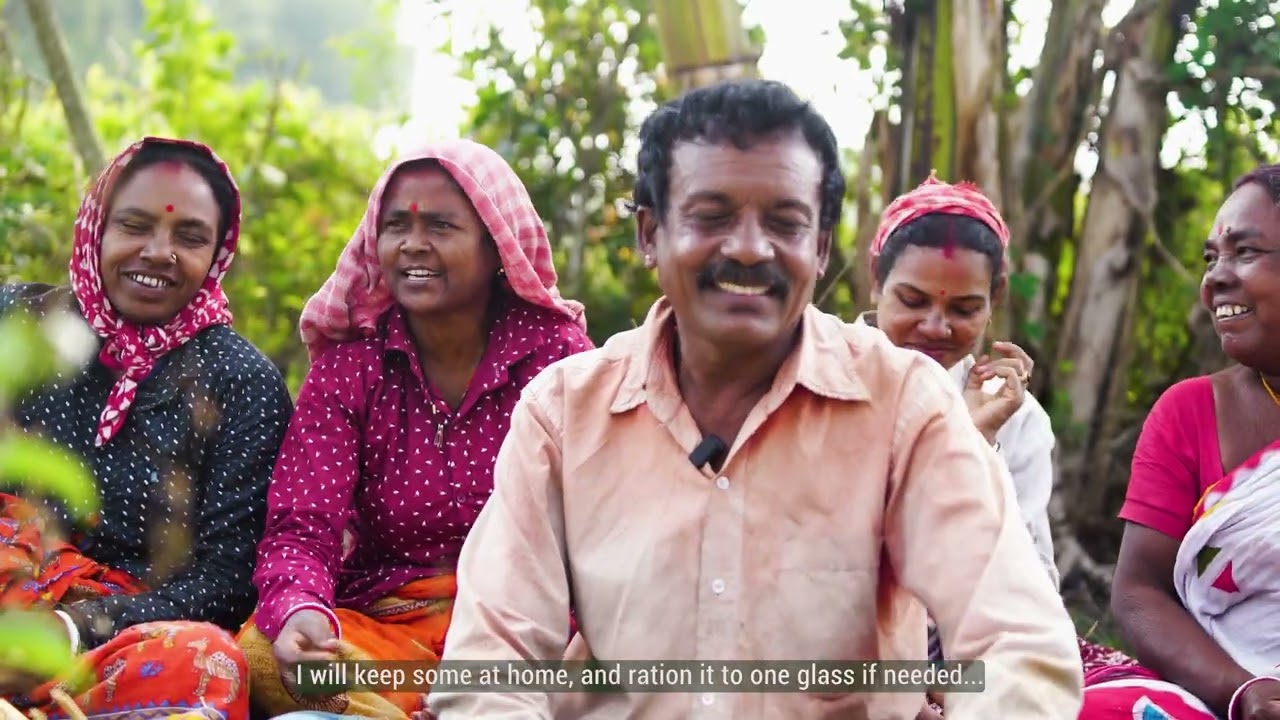
Across the Global South, climate stress is reshaping farm livelihoods — altering what can be grown, when, and by whom. The impacts are felt most deeply by women and marginalized farmers who form th...
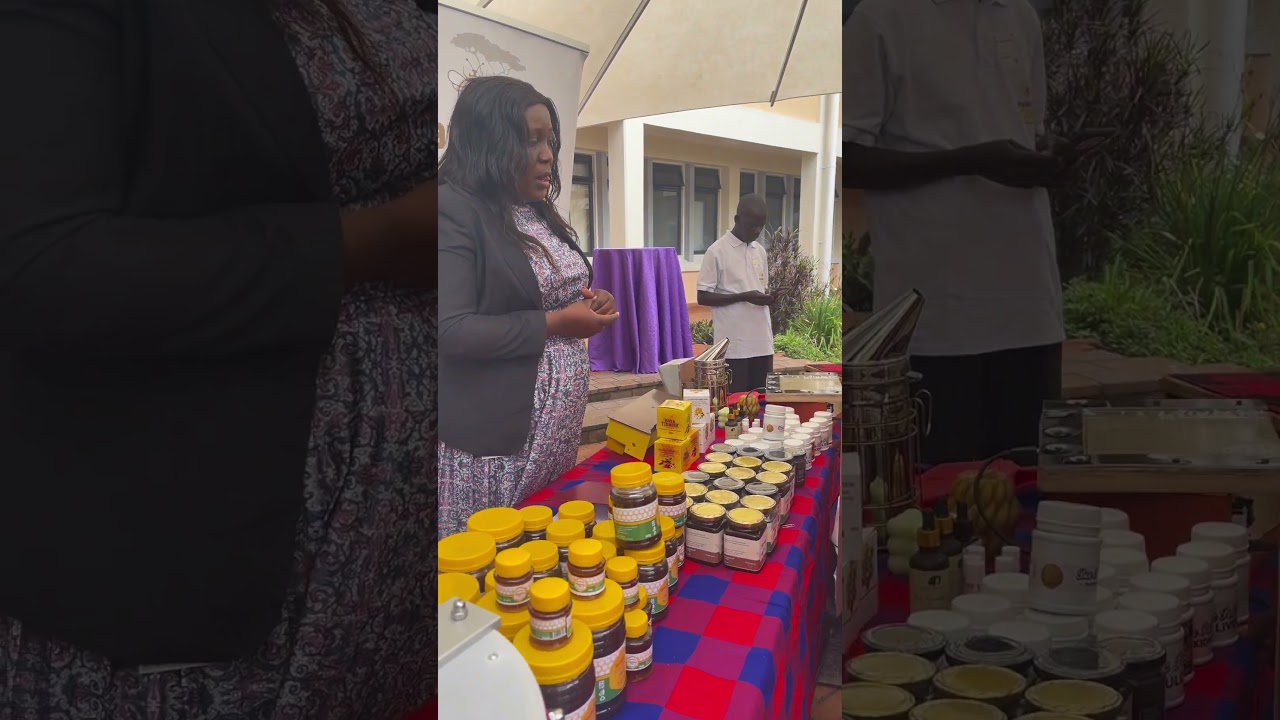
CGIAR Gender Equality and Inclusion Accelerator together with Award Fellowships, the International Centre of Insect Physiology and Ecology (icipe), and CIFOR-ICRAF convened an event to mark this y...
CGIAR Gender Accelerator and African Women in Agricultural Research and Development (AWARD), in partnership with the CIFOR-ICRAF, and the International Centre of Insect Physiology and Ecology (icip...
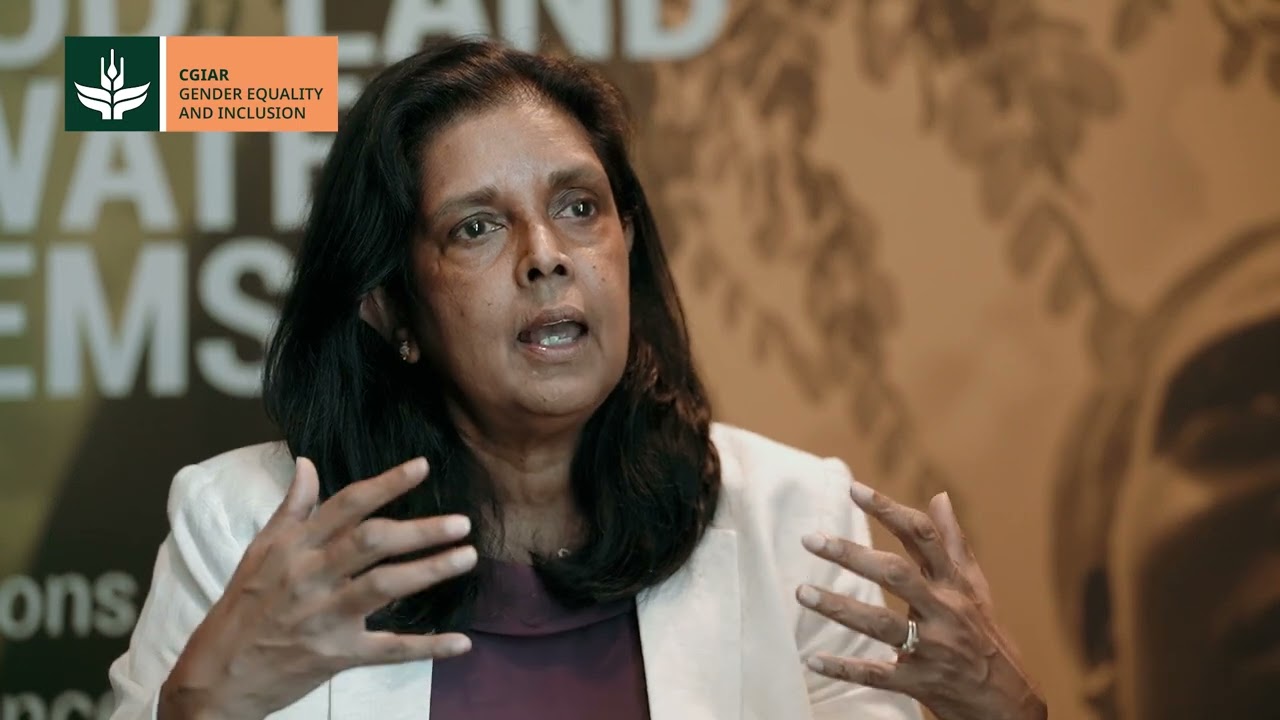
Surita Sandosham, President and CEO of Heifer International on why we must include and bring young people to the table not as tokens but as real participants in food, land and water systems
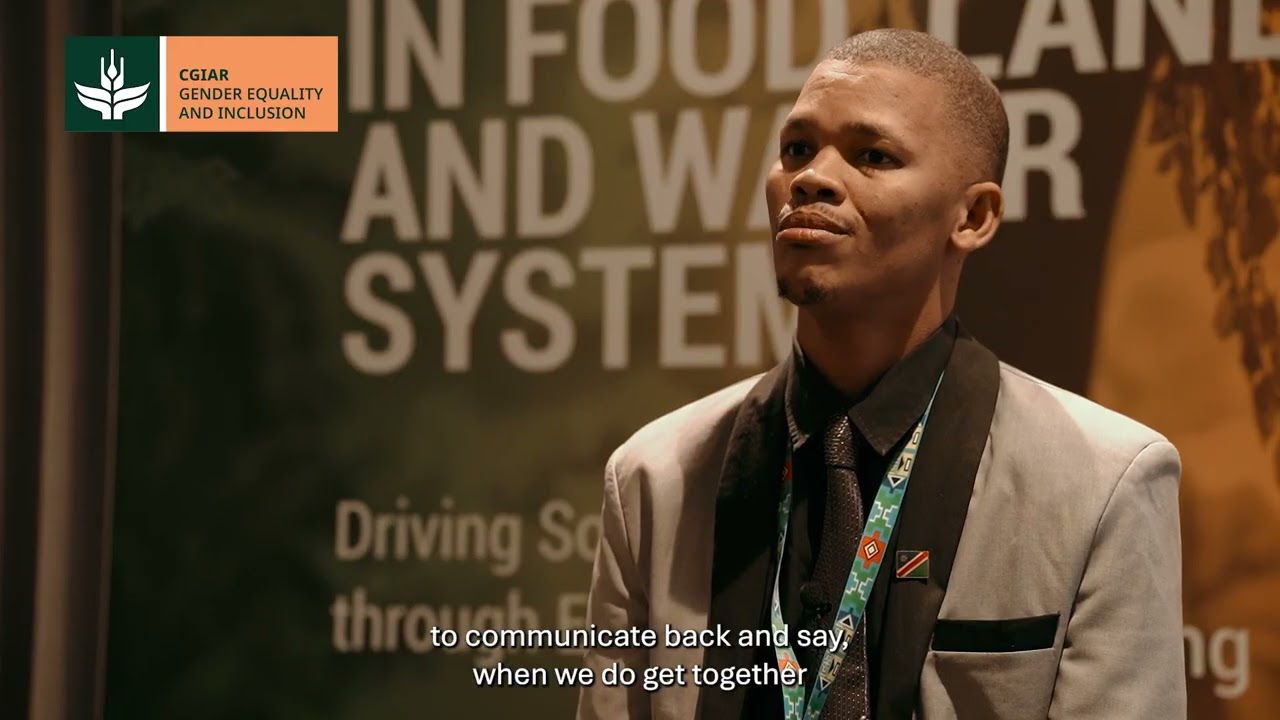
Raymond Freyer, Agripreneur from Namibia shares at the CGIAR Gender conference highlighting that inclusion is not optional when tackling water, land, and food systems inequalities. The real impact ...
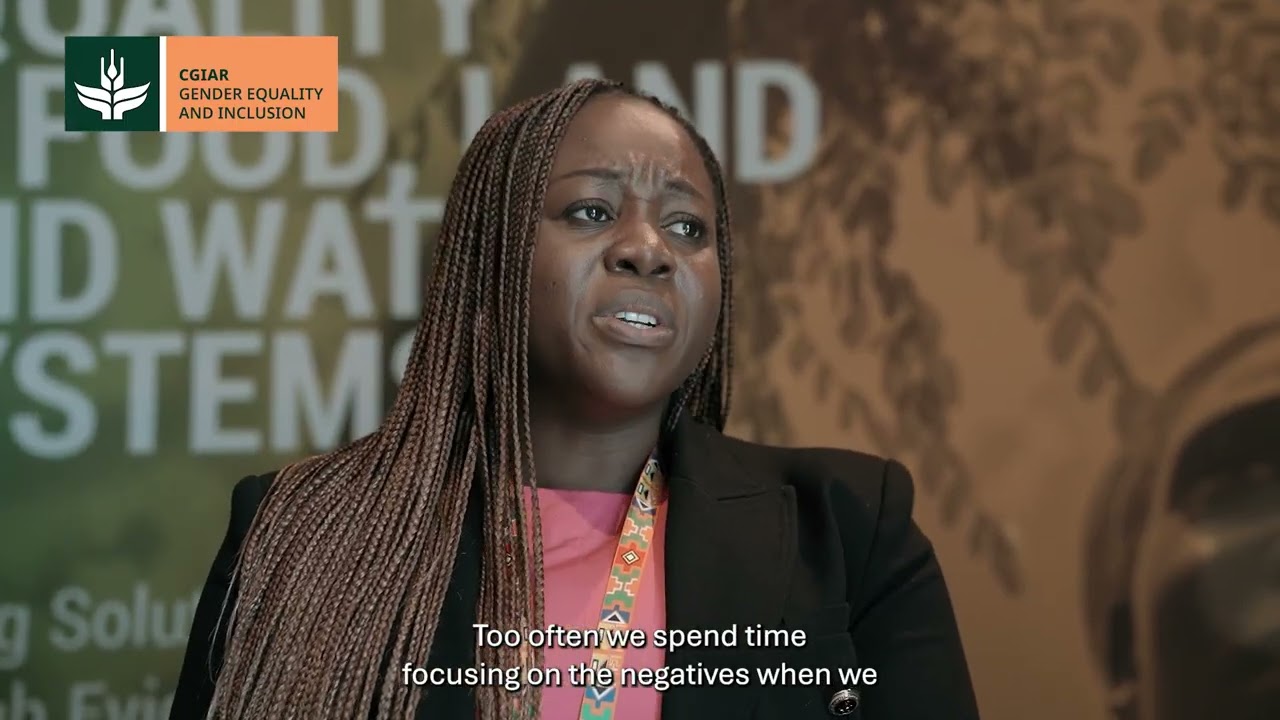
Nana Amoah, Director, Gender, Youth and Inclusiveness at AGRA, shares her reflection on generating and measuring impact on #genderequality and social inclusion in agri-food systems at the CGIAR Ge...
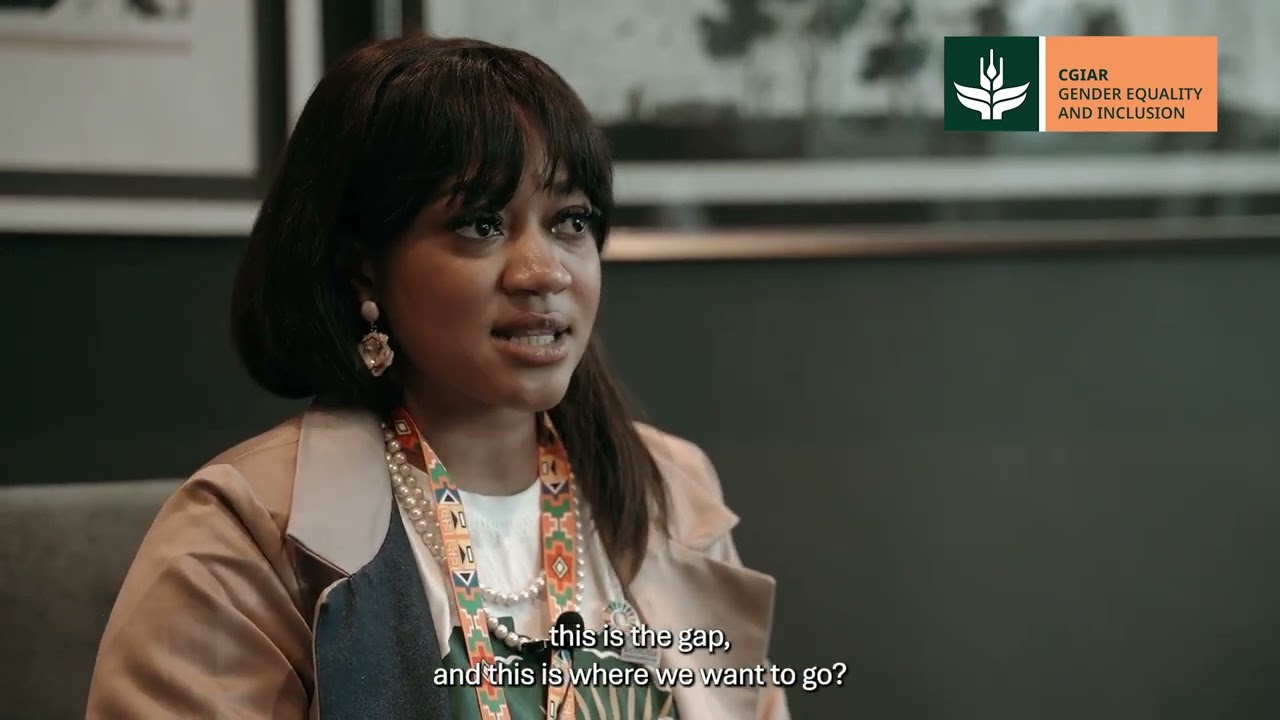
Mwaka Namukonda, Executive Coordinator at The Consortium of African Youth in Agriculture and Climate Change (CAYACC) on why it is important to involve youth on the whole value chains of agrifood s...