

ACLED
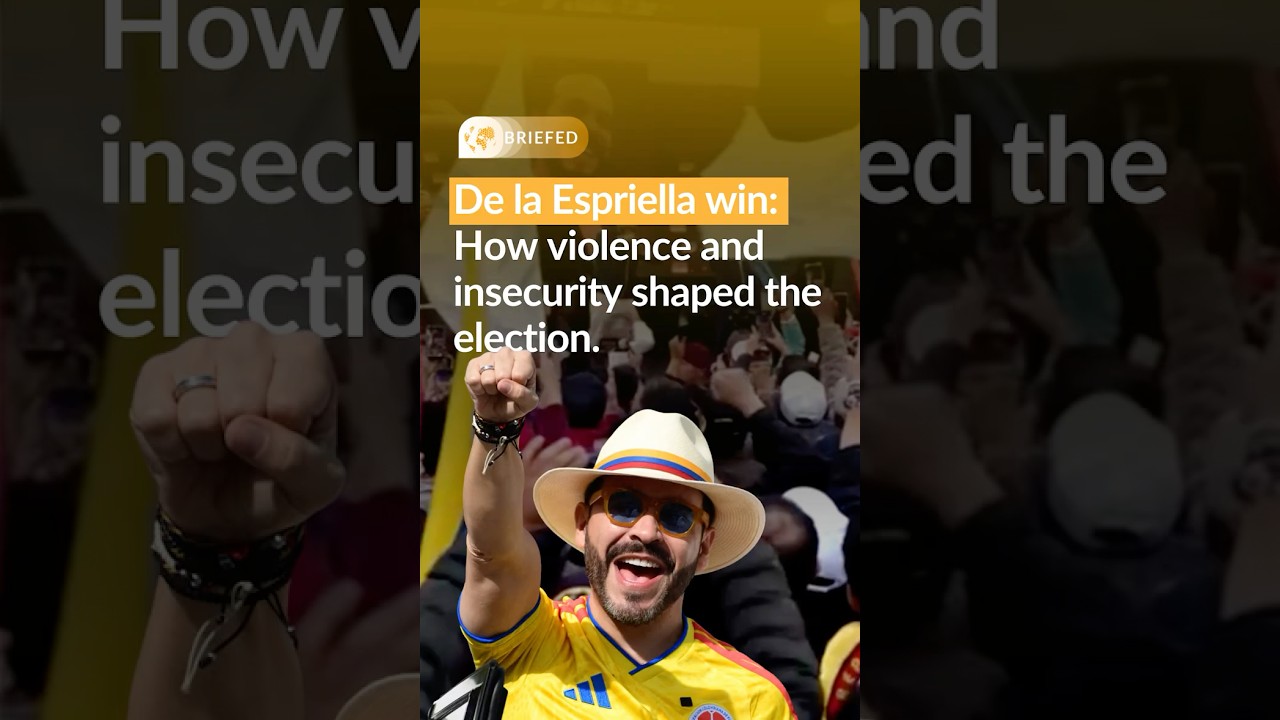
Colombia has elected a new president — but why does that matter for the country’s conflict?
In this ACLED Briefed, we break down why Abelardo de la Espriella’s victory matters, how Colombia got he...

At the @DataforPeaceConference 2026, ACLED’s Head of Data Science Katayoun Kishi discussed how human-built models and AI tools can work together to turn forecasts into clearer risk context, helpin...
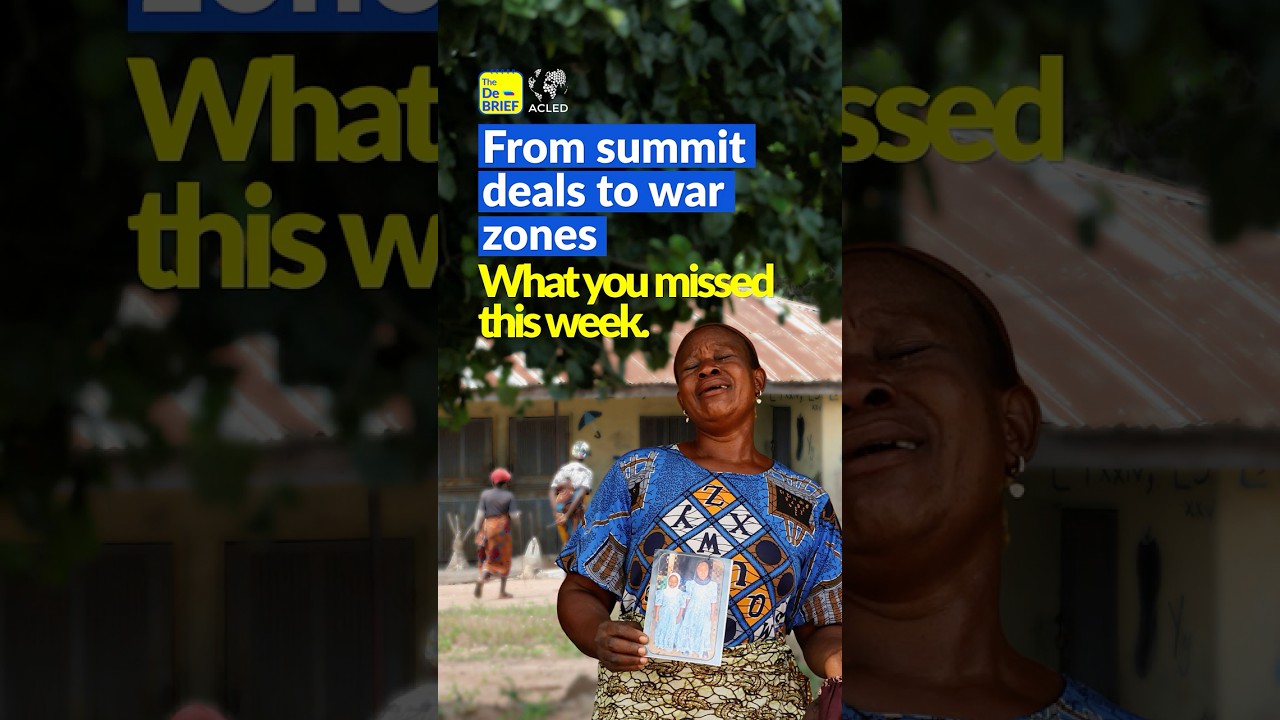
The biggest story isn't always the only story 💡
While attention was fixed on the Iran deal, conflict and political tensions were escalating elsewhere.
The Debrief from ACLED breaks down four deve..

Forecasting where violence may move next means understanding how conflict takes shape on the ground. It means looking at the actors involved, the types of events taking place, how violence spreads,...
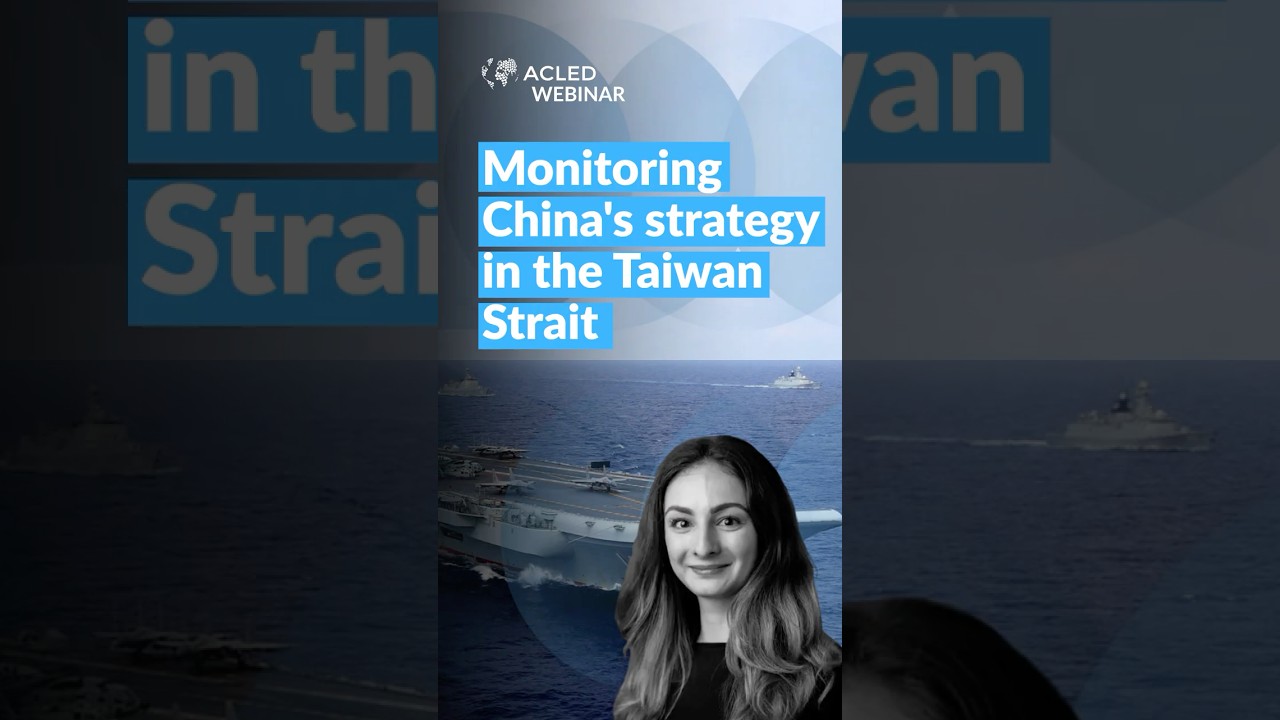
China’s activity around Taiwan is shifting from occasional major military drills to a more persistent operational presence. Frequent aircraft and naval deployments, expanded surveillance, and incre...
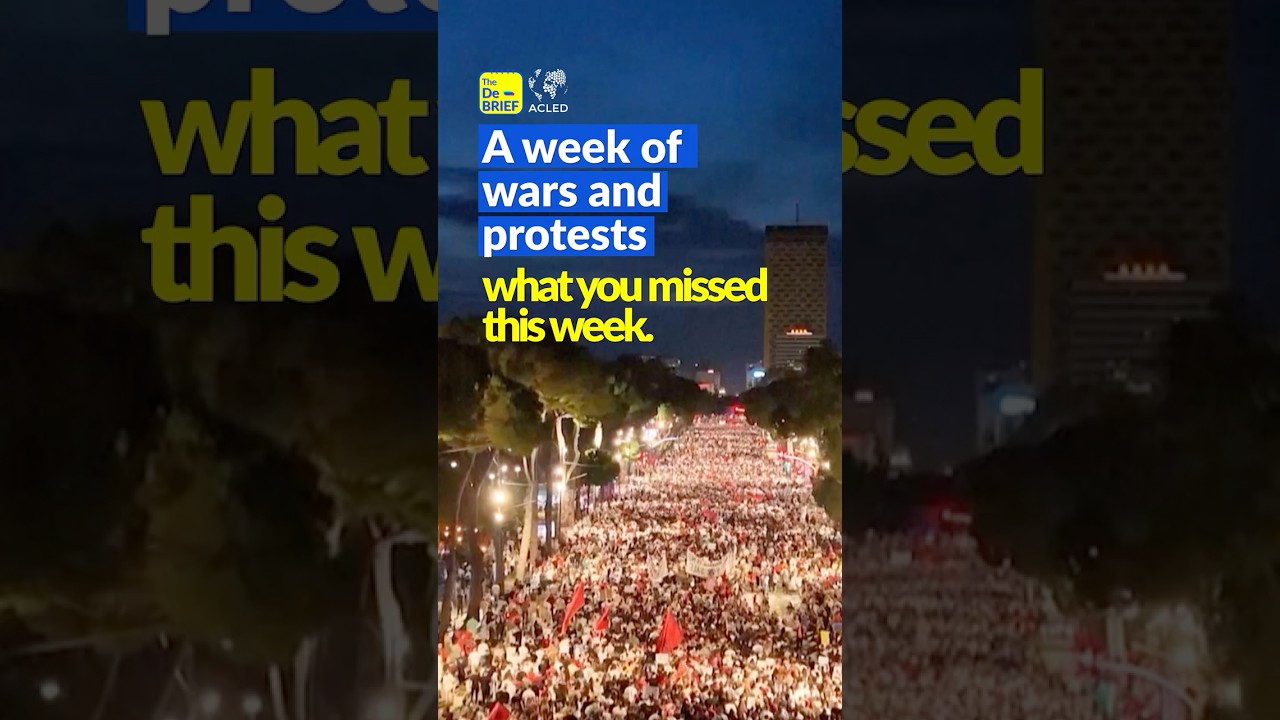
There's a lot happening in the world — and it can be hard to know who to trust.
That's where the ACLED De-brief comes in.
This week, we're looking at:
→ Pakistan's airstrikes in Afghanistan and w...
#underseacables carry roughly 99% of global internet traffic — enabling everything from digital payments to video calls and online shopping.
In our latest webinar, Mathieu Boulègue explained why t...
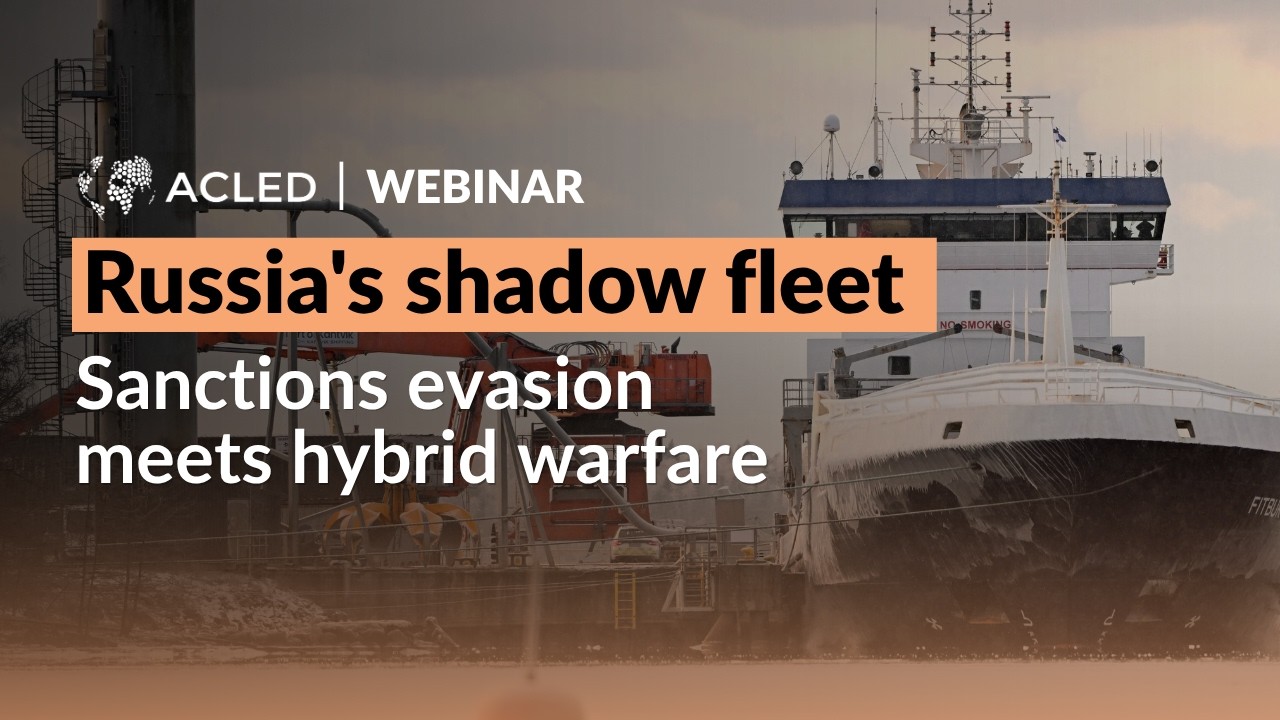
Russia’s shadow fleet — a network of over 1,000 aged tankers moving sanctioned oil through the world’s busiest shipping lanes — is no longer just a compliance problem. It has become an active hybri...
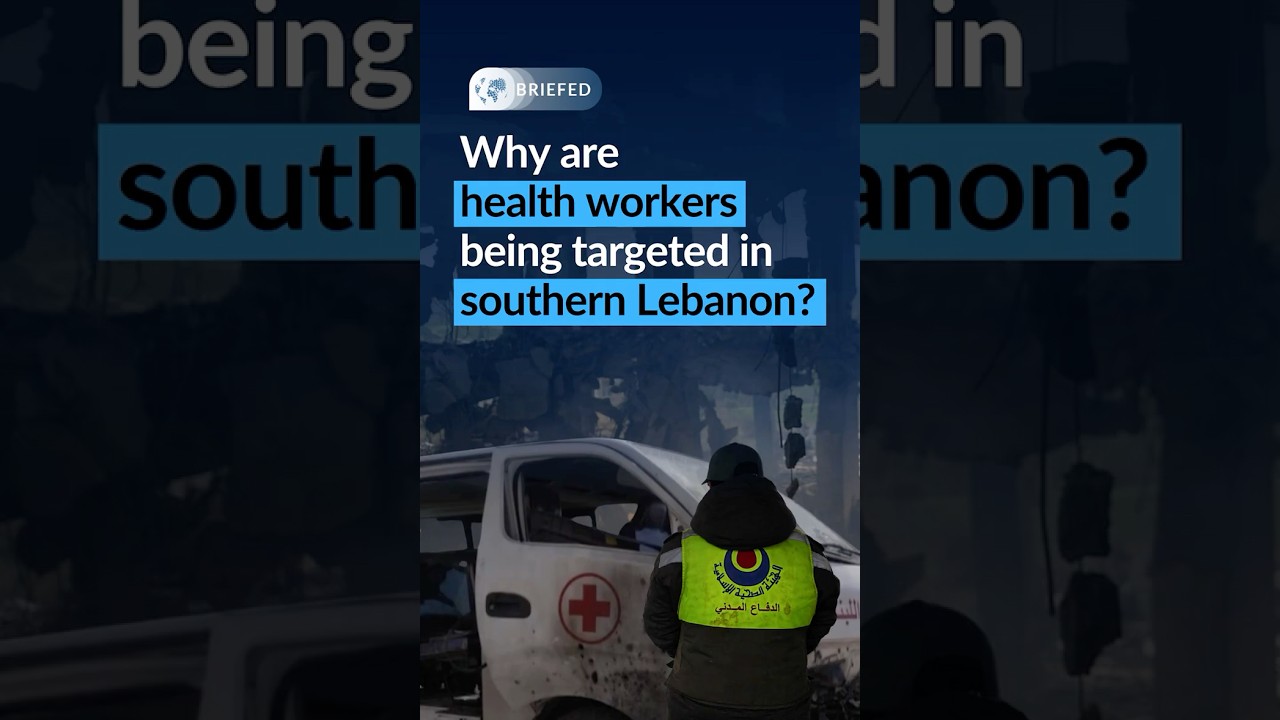
Israeli attacks in southern #Lebanon have repeatedly targeted first responders and ambulances arriving at strike scenes, pointing to what ACLED’s Bassel Doueik describes as a deliberate “double-tap...
Where is Islamic State activity concentrated today?
A notable shift is taking place in the global terrorism landscape. Recent trends show a sharp decline in Islamic State activity across #Iraq, #S...
Security threats in the Sahel are no longer just persistent; they are evolving in scale, coordination, and ambition.
ACLED’s latest webinar breaks down the recent surge in militant activity across...
The conflict landscape in the #Sahel is evolving beyond conventional insurgent tactics. Armed groups are increasingly incorporating drone capabilities into their operations, reflecting a broader sh...
#Jihadist groups remain a persistent and evolving threat globally. Their strength today lies not only in their local footholds but increasingly in how they connect, adapt, and learn. From the #Sahe...
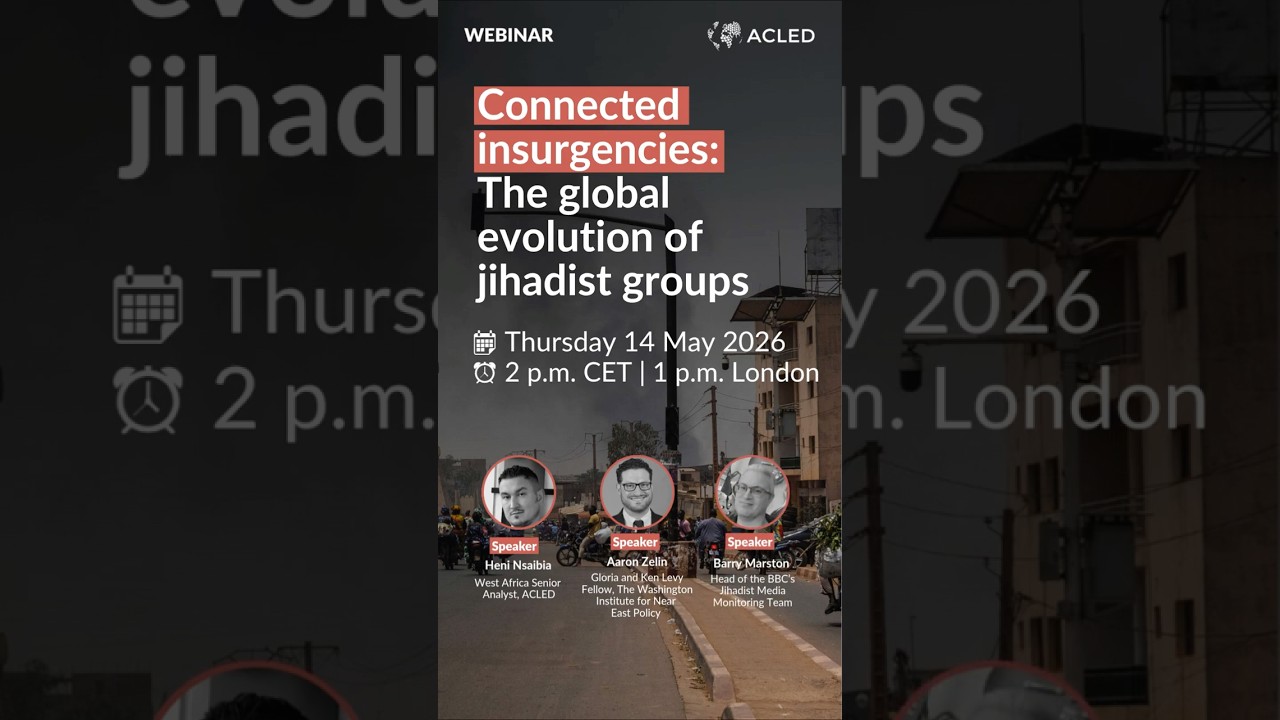
What does the global evolution of jihadist groups mean for future security risks and policy responses?
Don’t miss ACLED’s live discussion tomorrow examining how these groups operate across Africa,...
“Gulf states did not choose the war, but yet they are bearing the consequences,” warned ACLED’s Bassel Doueik in an interview with @AL24newschannel, as missile and drone attacks and regional disrup...
The consequences of the Strait of Hormuz closure continue to reverberate globally, as Iran first closed, then reopened, then closed the waterway again while the US maintained its blockade on Irania...

The operation — and the cartel’s swift nationwide retaliation — highlights both the risks of leadership disruption and the enduring reach of organized crime networks.
ACLED's latest discussion in ...
Fighting between #Afghanistan and #Pakistan has reached its most intense levels since the Taliban’s return to power — surpassing last October’s conflict in scale, duration, and intensity. 🎥 Watch t..
Afghanistan has expanded its response to include drones in its conflict with Pakistan — relying on modified, commercially available devices to carry explosives.
ACLED’s latest webinar highlights ...
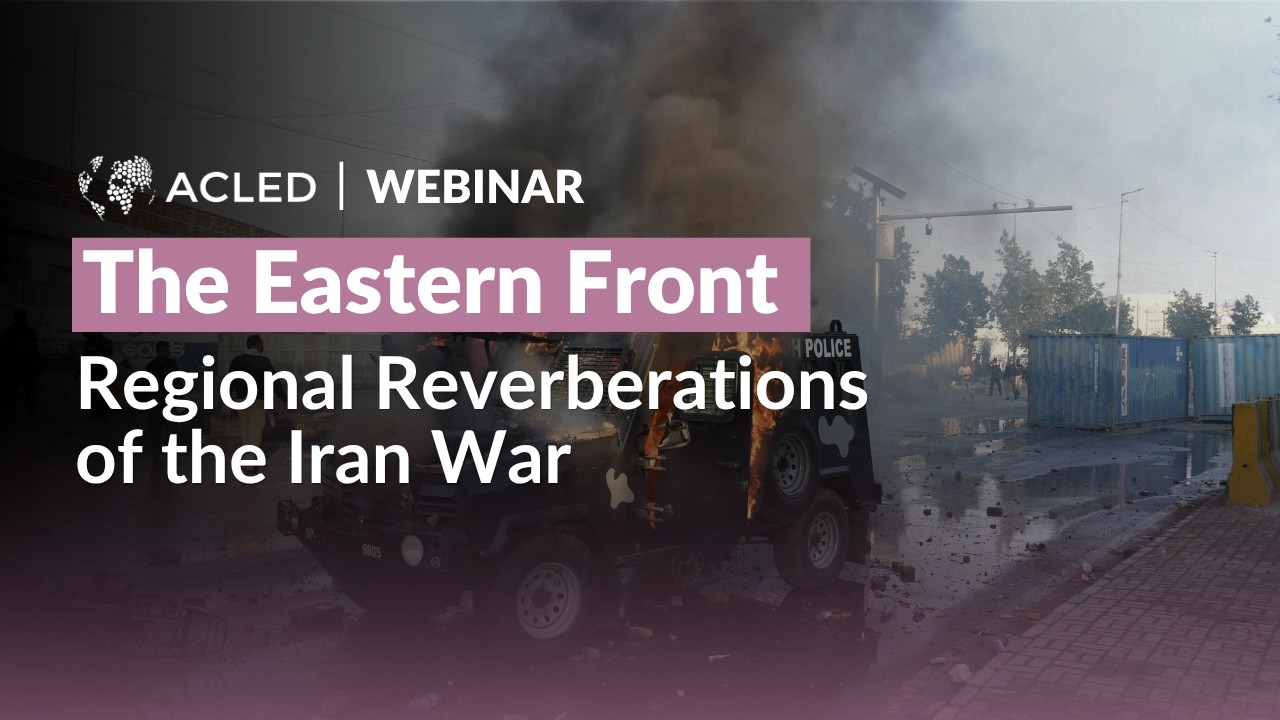
How is the war in Iran reshaping conflict dynamics in South Asia?
The confrontation is creating ripple effects far beyond the Middle East, with South Asia particularly exposed. It is raising new ...