WHO European Region
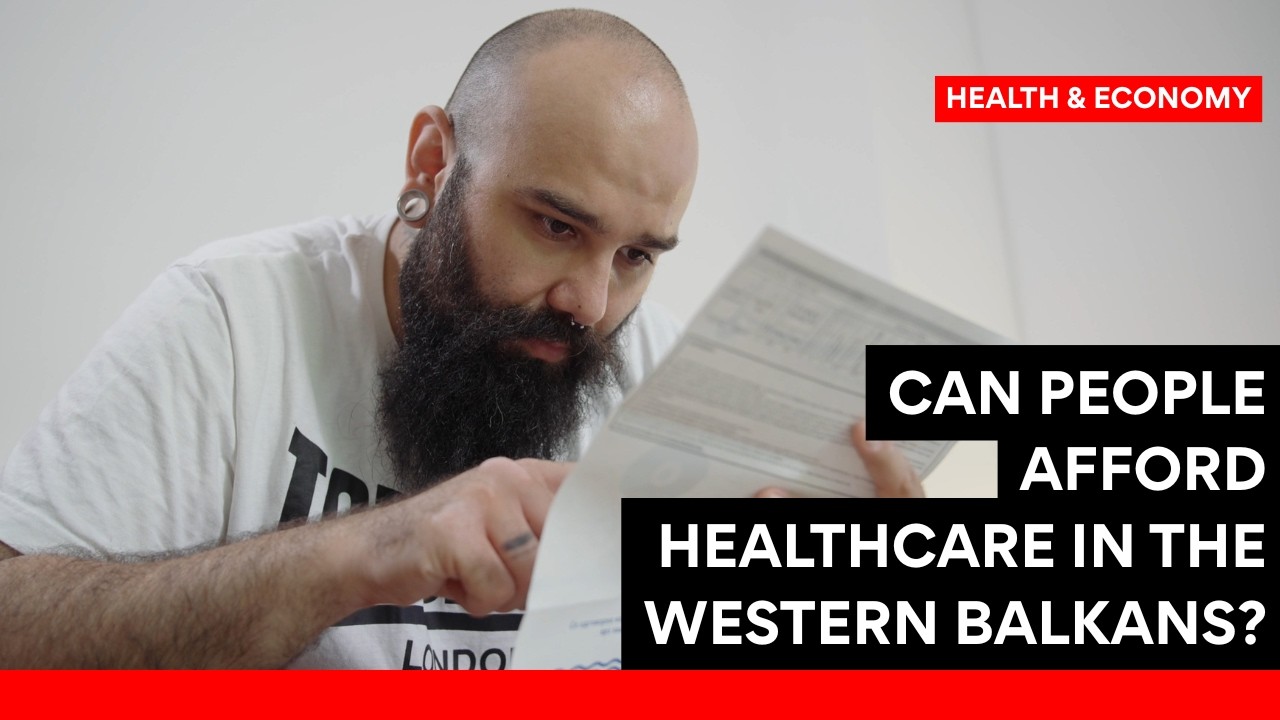
Meet Marko, a 35-year-old delivery driver from Skopje, North Macedonia, whose struggle to pay for essential medicines reflects a broader challenge across the Western Balkans. For years, Marko relie...
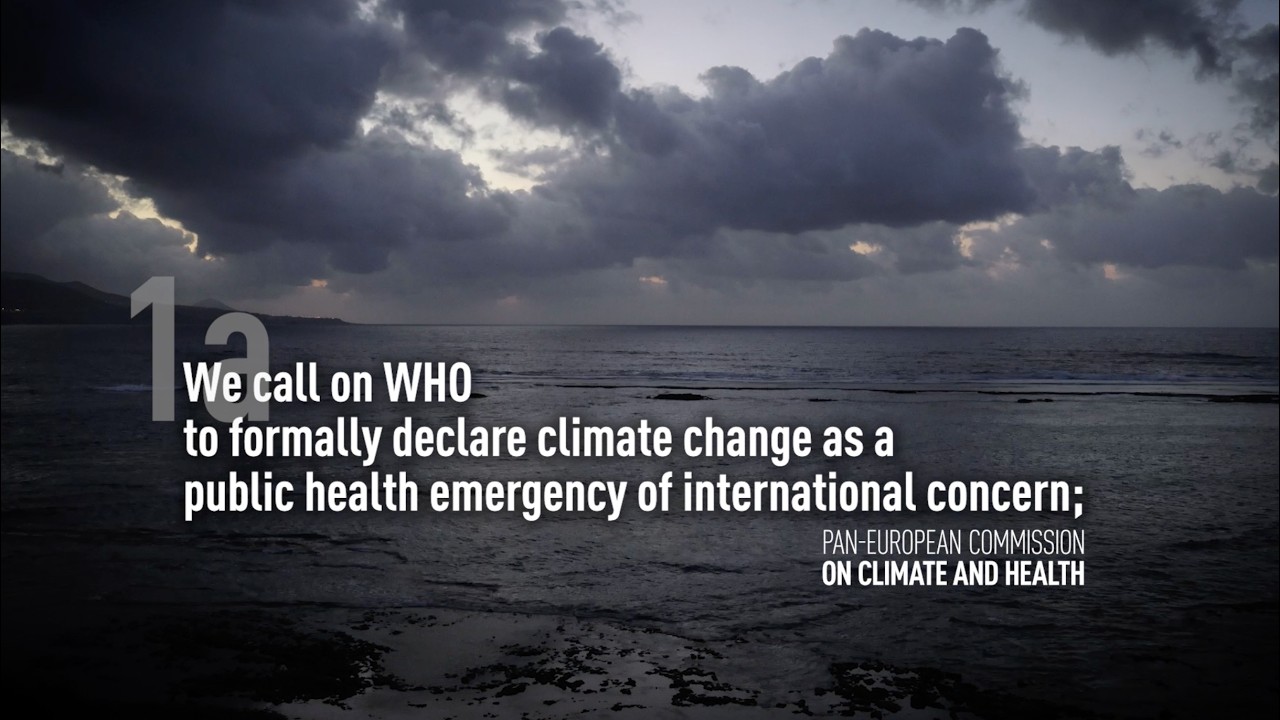
In May 2026, the Pan-European Commission on Climate and Health - convened by WHO Europe to raise the political profile, awareness and support for stronger action to address the health impacts of cl...
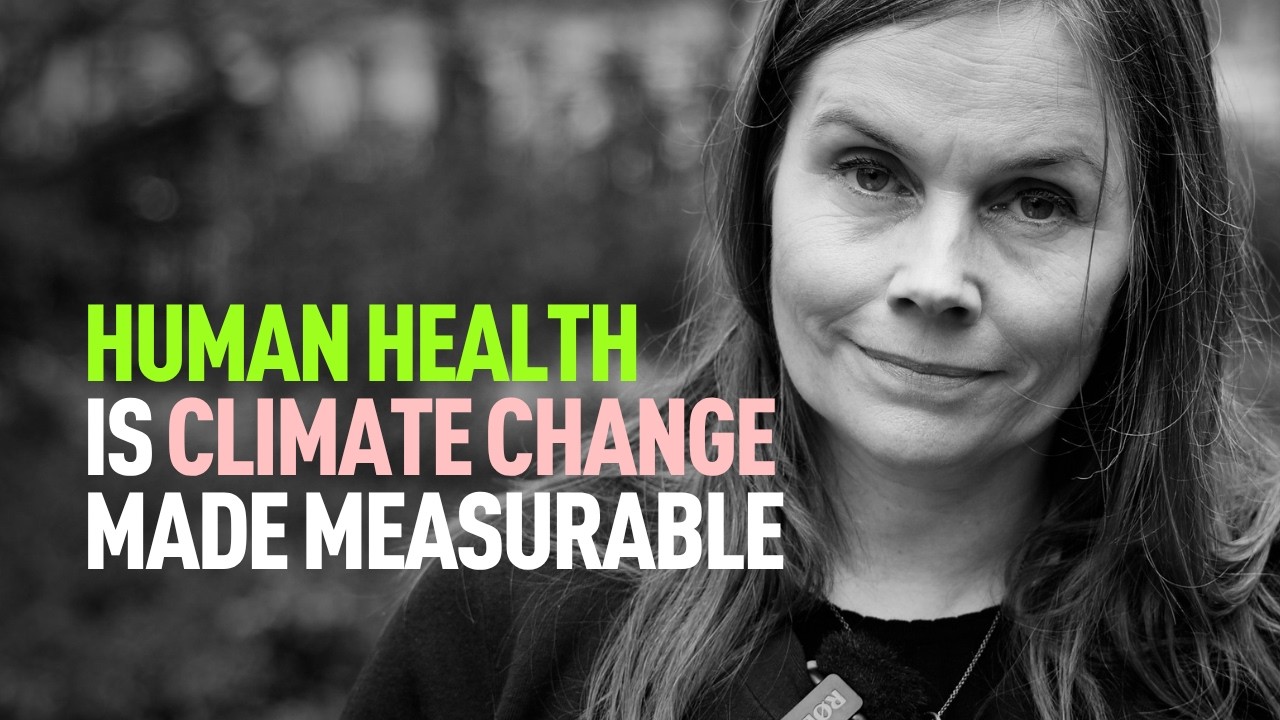
“Climate change isn’t abstract. It shows up in our bodies.”
May 2026 - An independent Commission of former heads of government, international bodies, ministers and civil society leaders - convened...
In May 2026, an independent Commission of former heads of government, international bodies, ministers and civil society leaders - convened by WHO Europe - called on WHO to formally declare climate ...
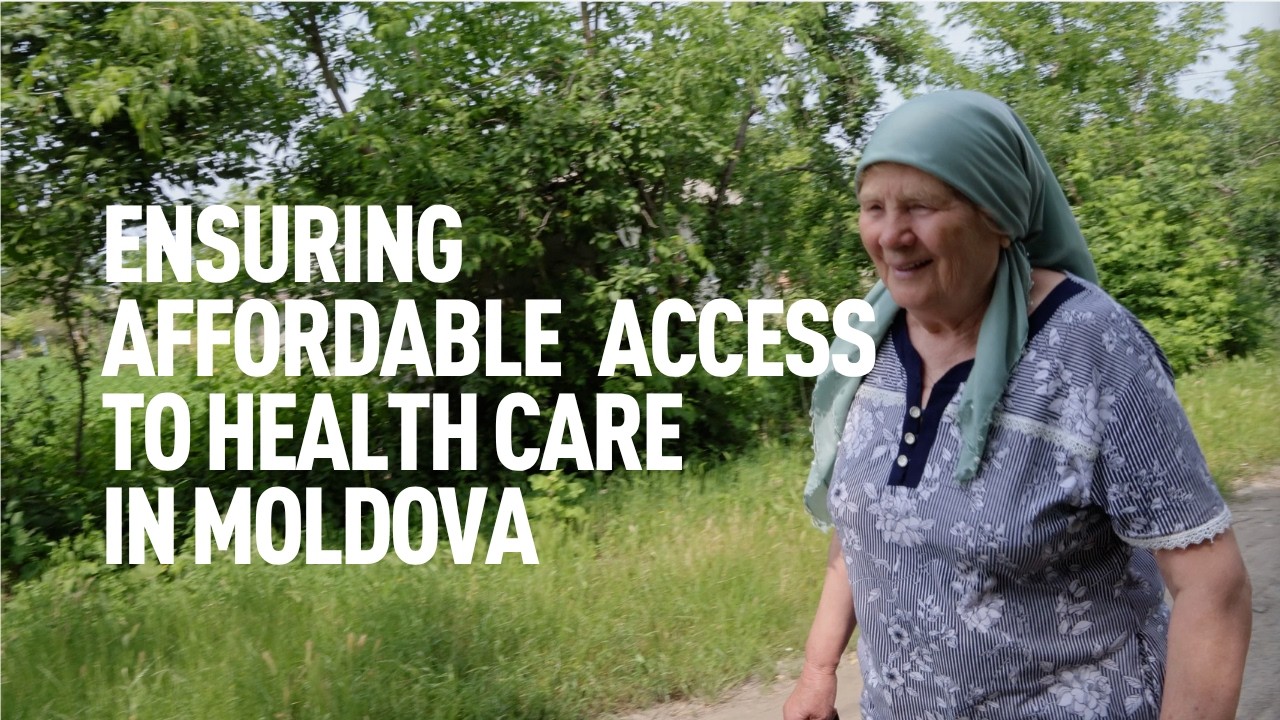
Thanks to a new government reform, Eleonora, 75, can now get most of her medicines free of charge. “The subsidy helps us live,” she says.
Ensuring affordable access to health care—including medici...
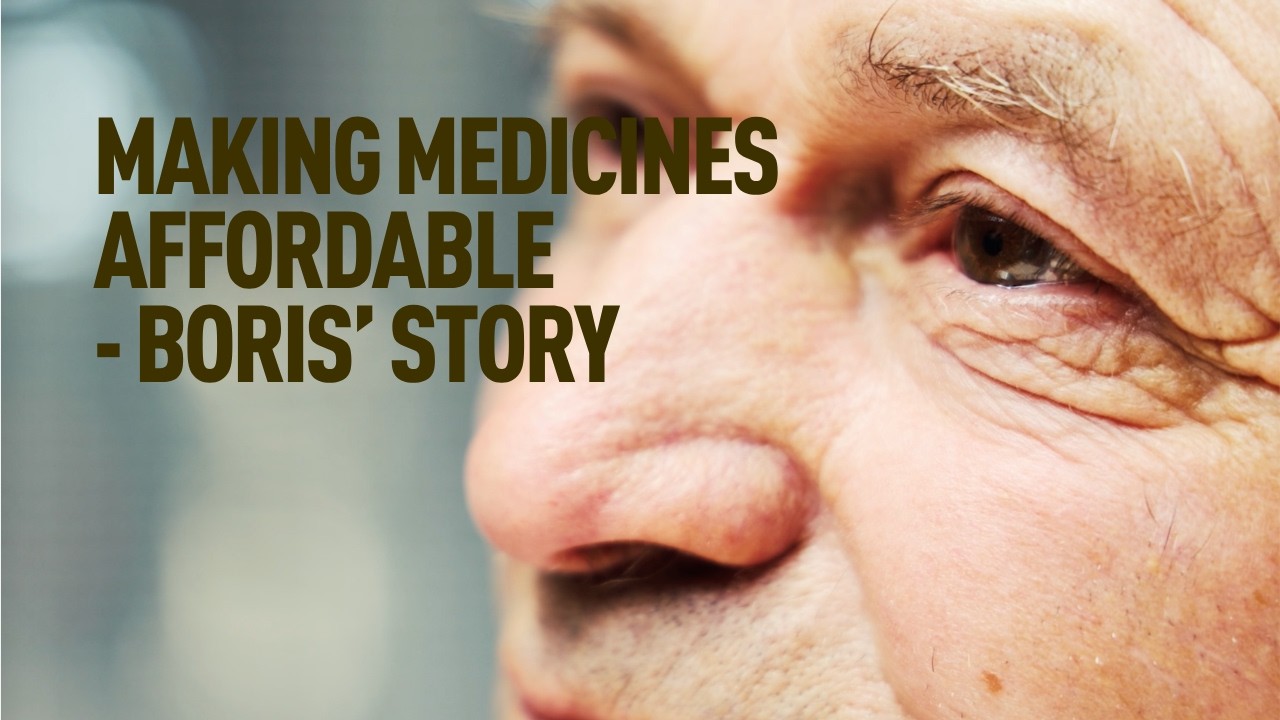
Out-of-pocket payments for medicines are the main drivers of “catastrophic health spending”—that is when people can’t afford meeting basic needs like food, housing or heating. As Boris, 65, says, “...
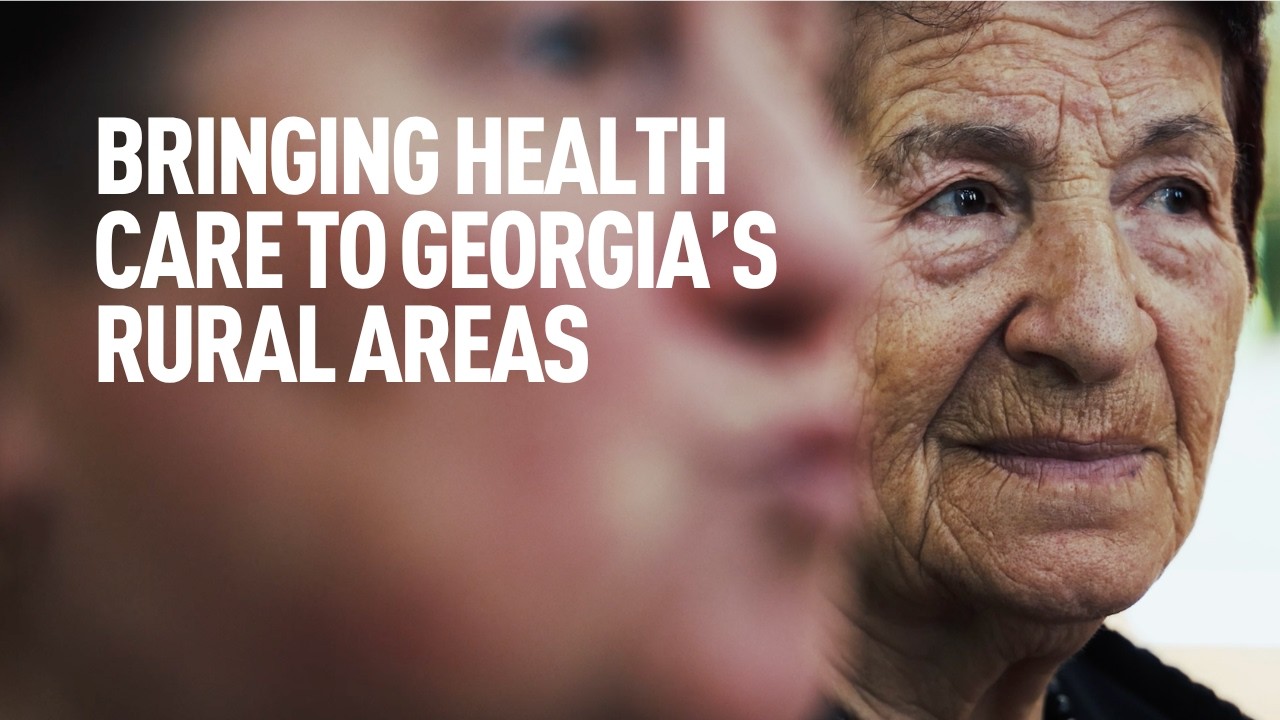
Nearly half of Georgia’s population lives in remote, rural areas. This means that primary health care is a lifeline for thousands of people. This is the story of Tamar, an 82-year-old grandmother l...
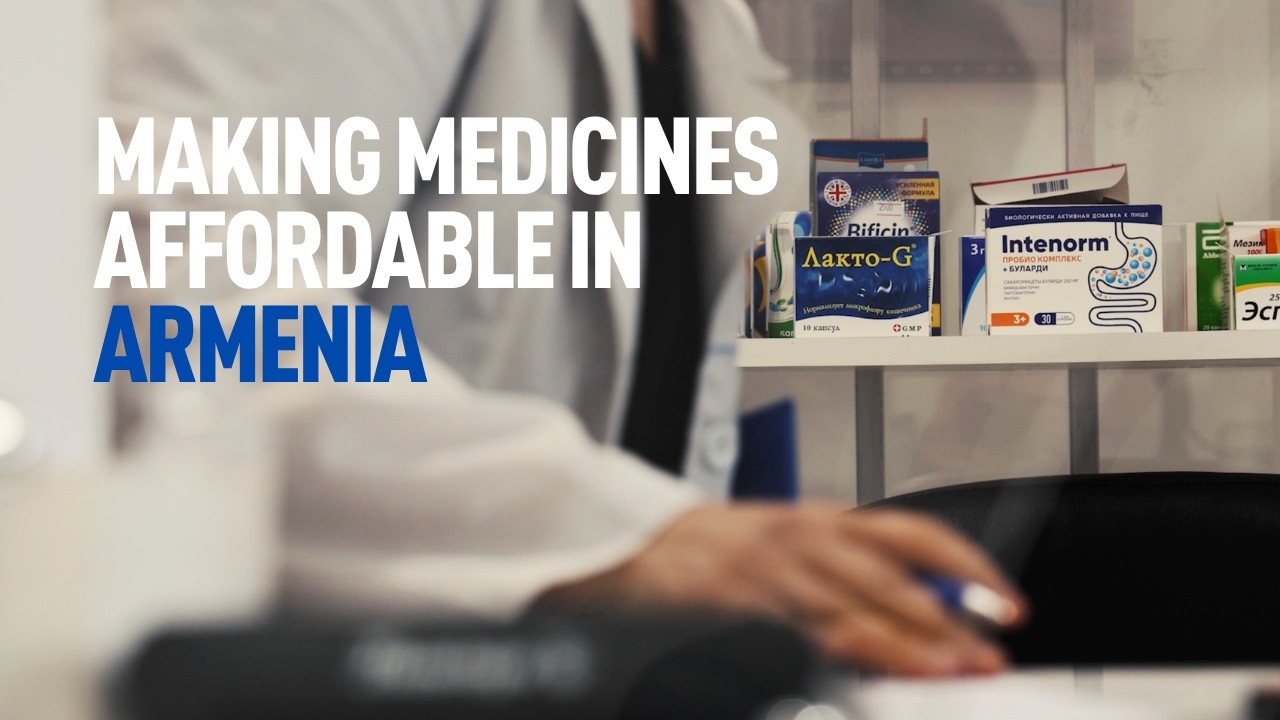
Marjik lives with diabetes. One of the 1.3 million people in Armenia living with diabetes and other non-communicable diseases, she has struggled to afford her medications. Now, thanks to a major he...
For over 30 years, WHO and the Kyrgyz Republic have worked together to strengthen the health system, expand access to quality care and improve public health across the country. ‘WHO in Kyrgyzstan: ...

Sweet flavours like strawberry, blueberry and watermelon are not harmless extras - they are part of a deliberate strategy to attract new users and make nicotine addiction easier to start and harder...
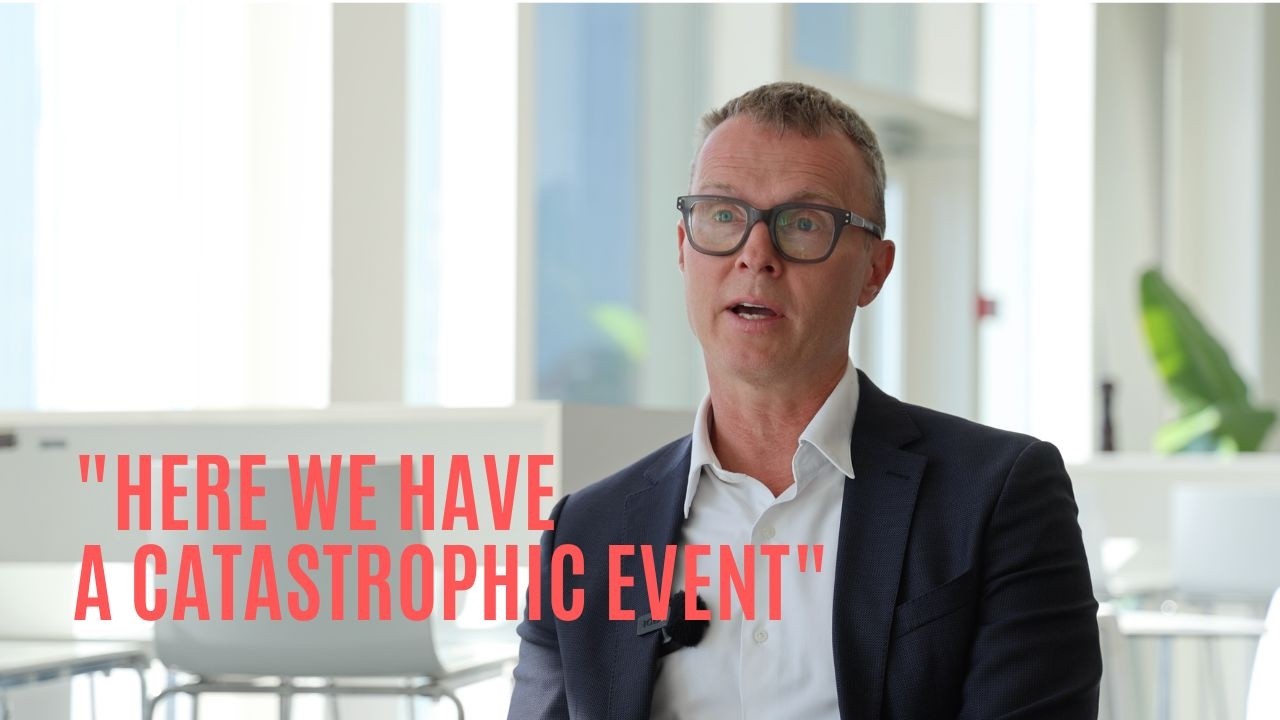
"It‘s not surprising that the Commission is calling for more urgency“, says the Special Representative for Climate and Health in WHO/Europe, Robb Butler, following the launch of a Call to Action of...
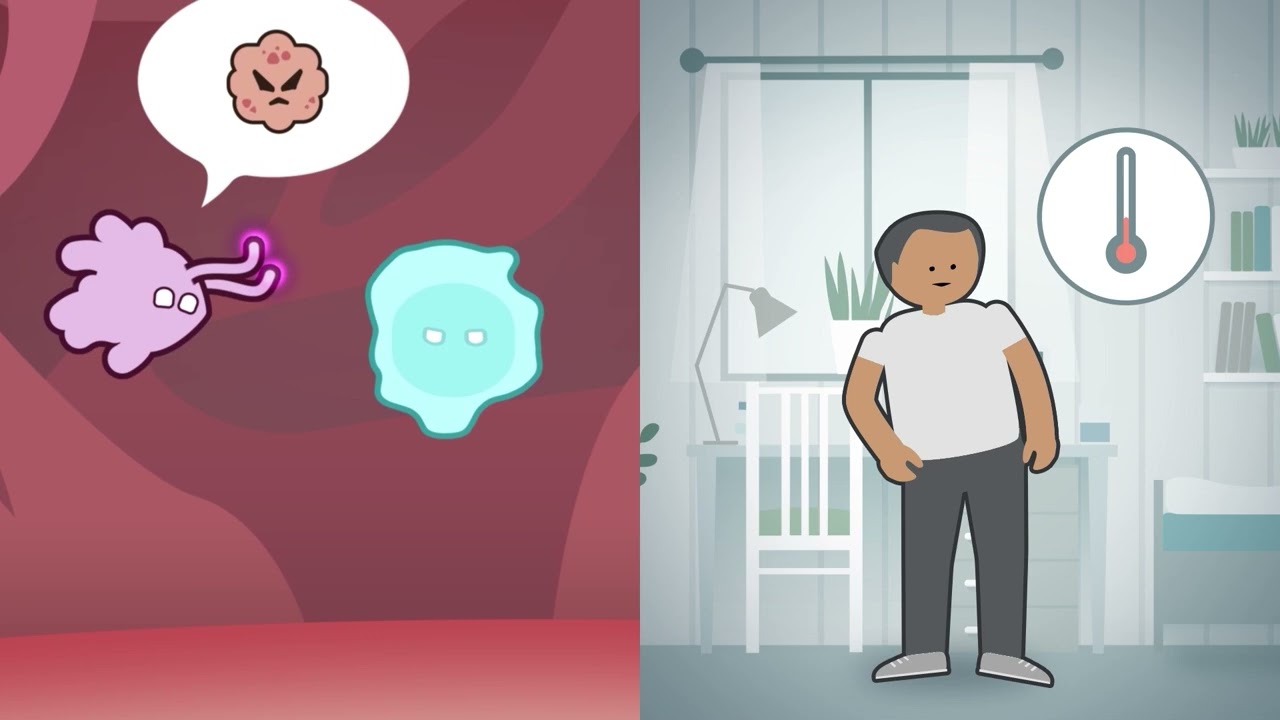
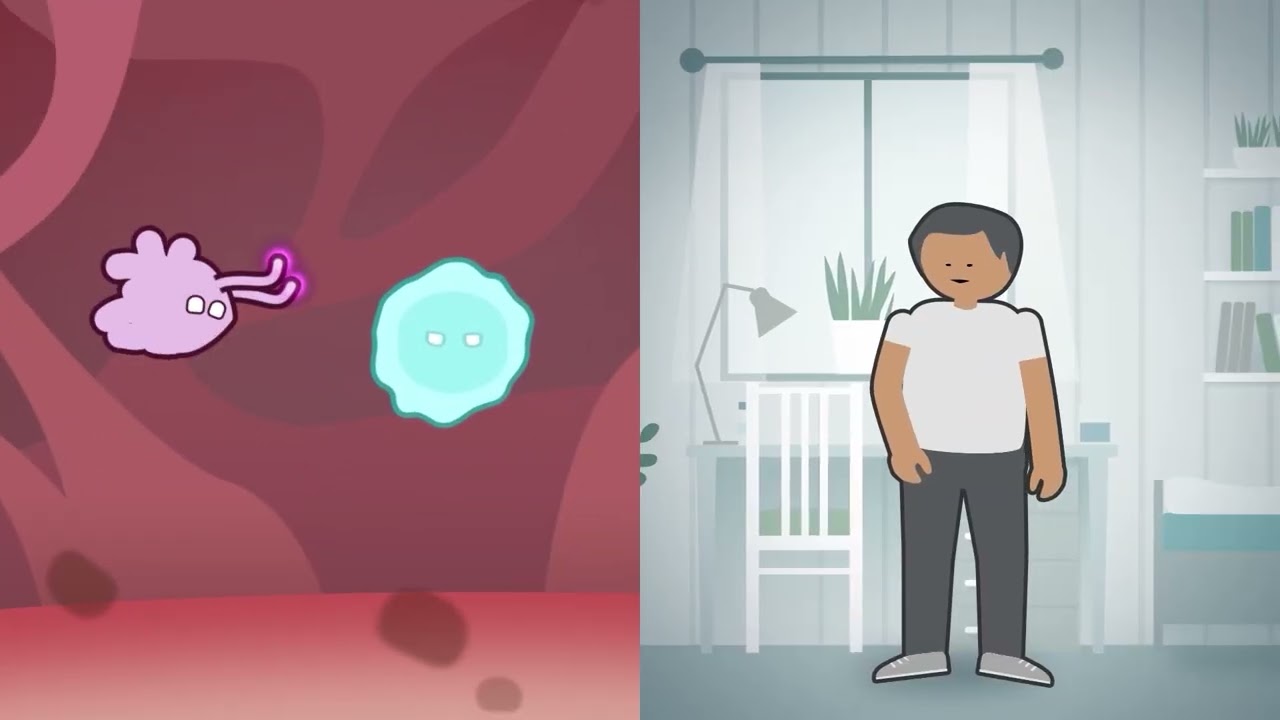
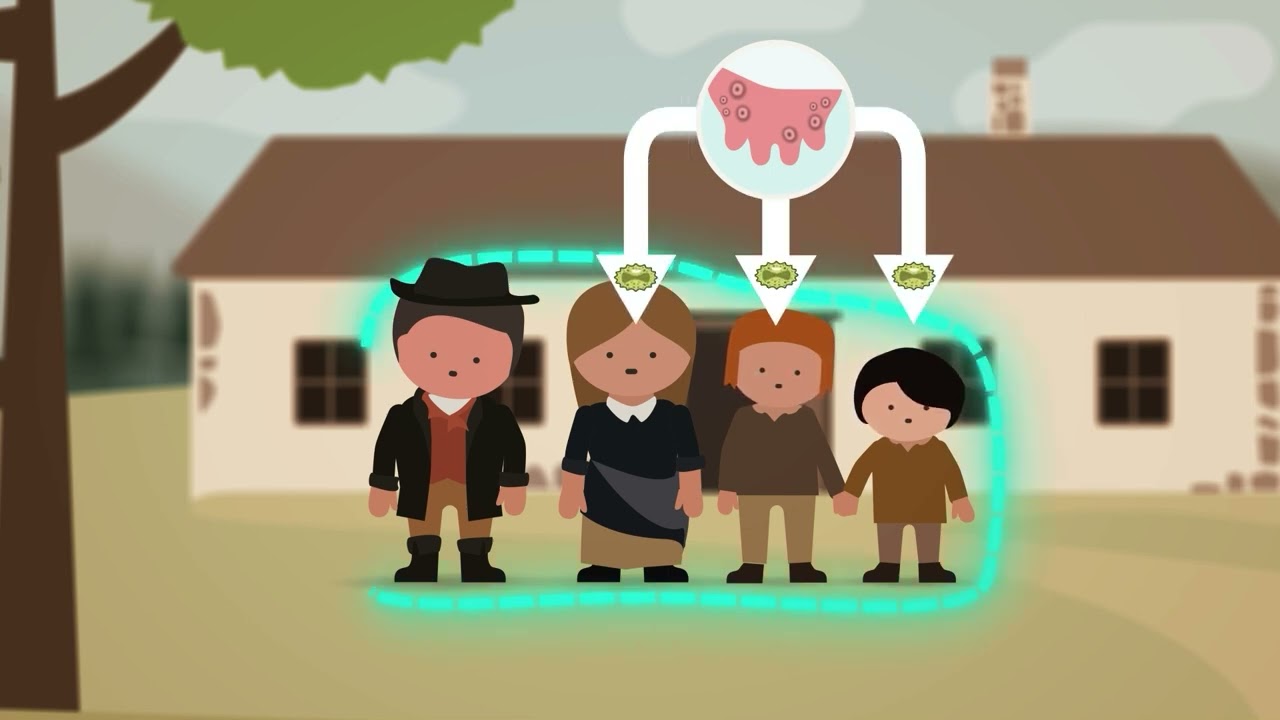
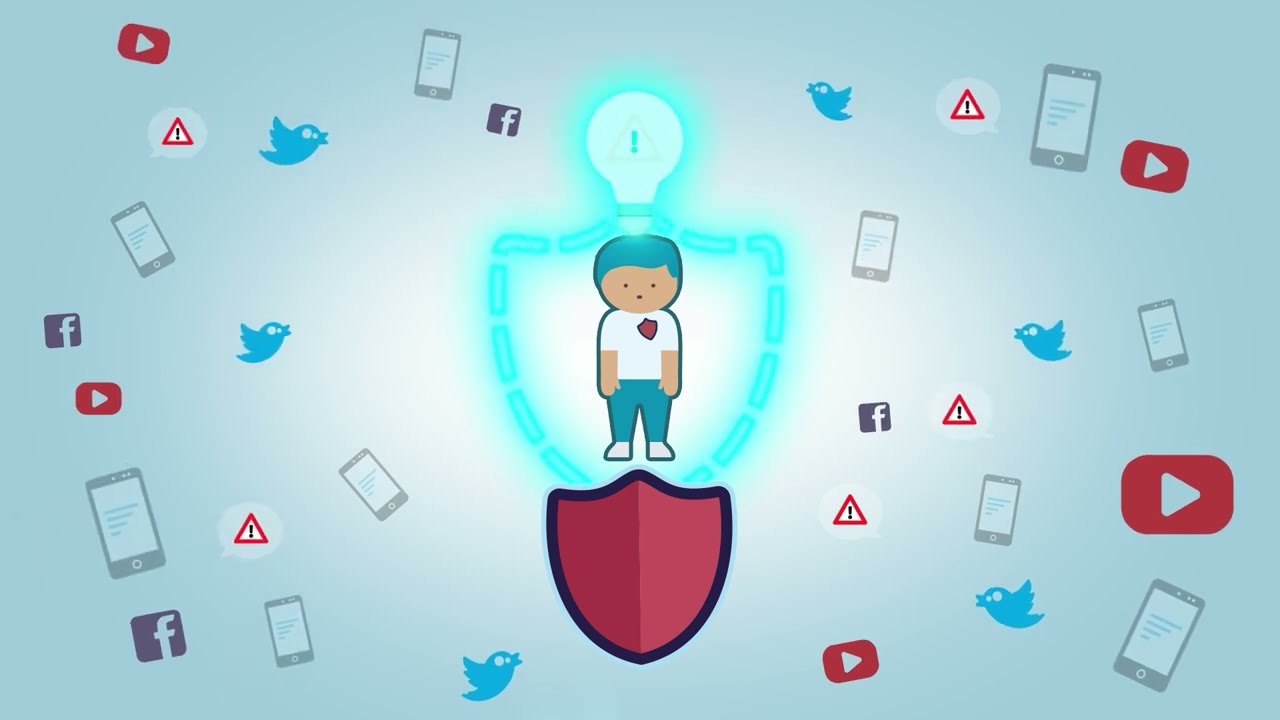
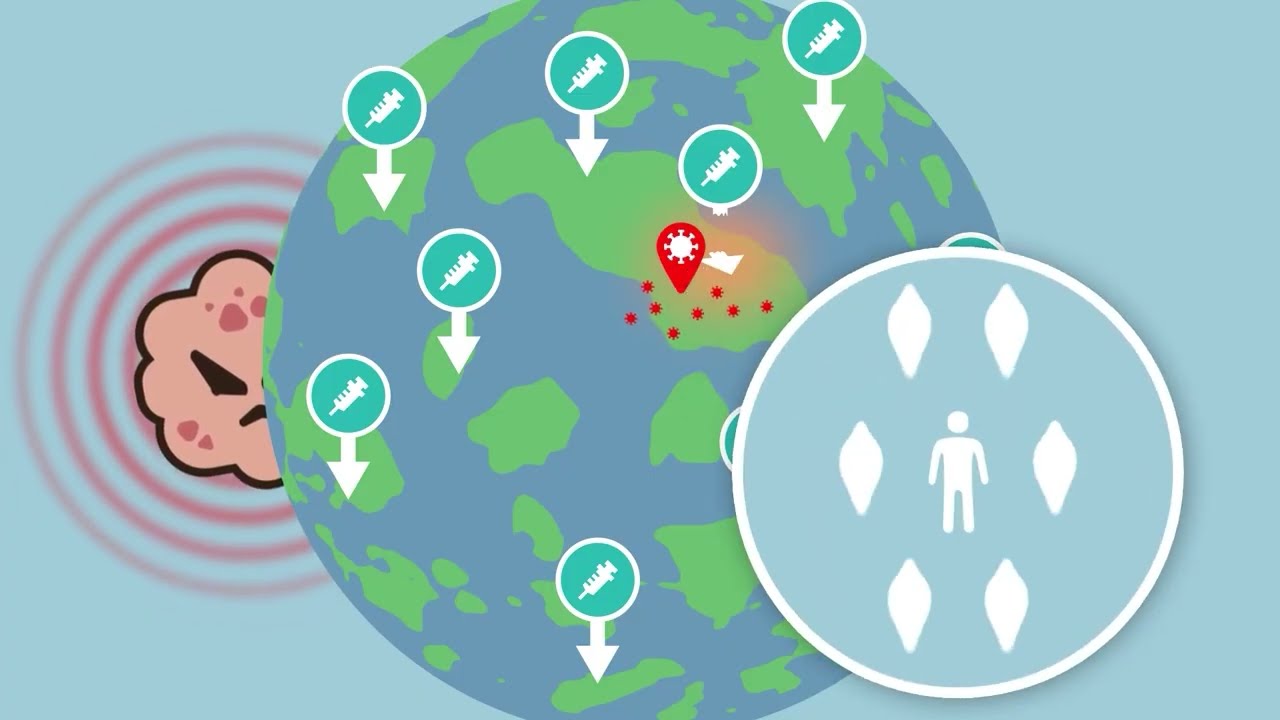
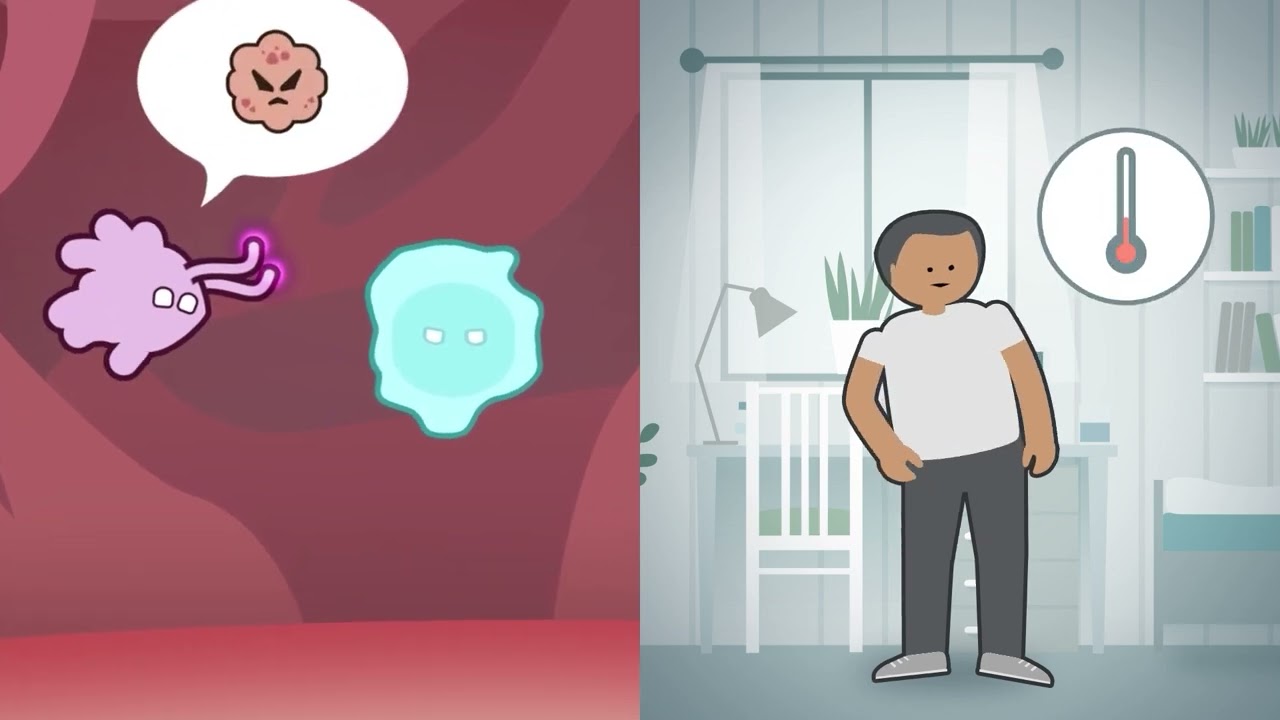
In this module pupils will get to know more about vaccination and how it can protect them from infectious diseases.
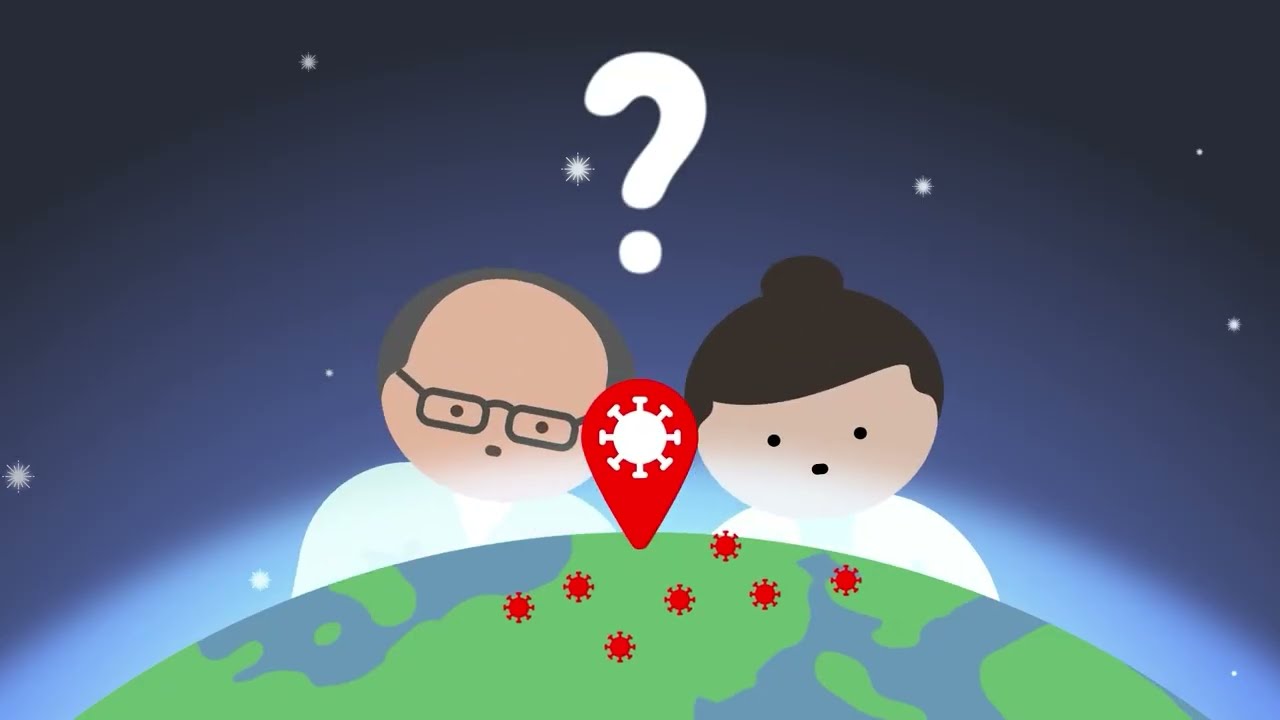
In this module pupils get to know more about different diseases and how they spread, how the body gets infected and how it fights off infectious diseases. Furthermore, they learn what they can do t...