

Stockholm Resilience Centre
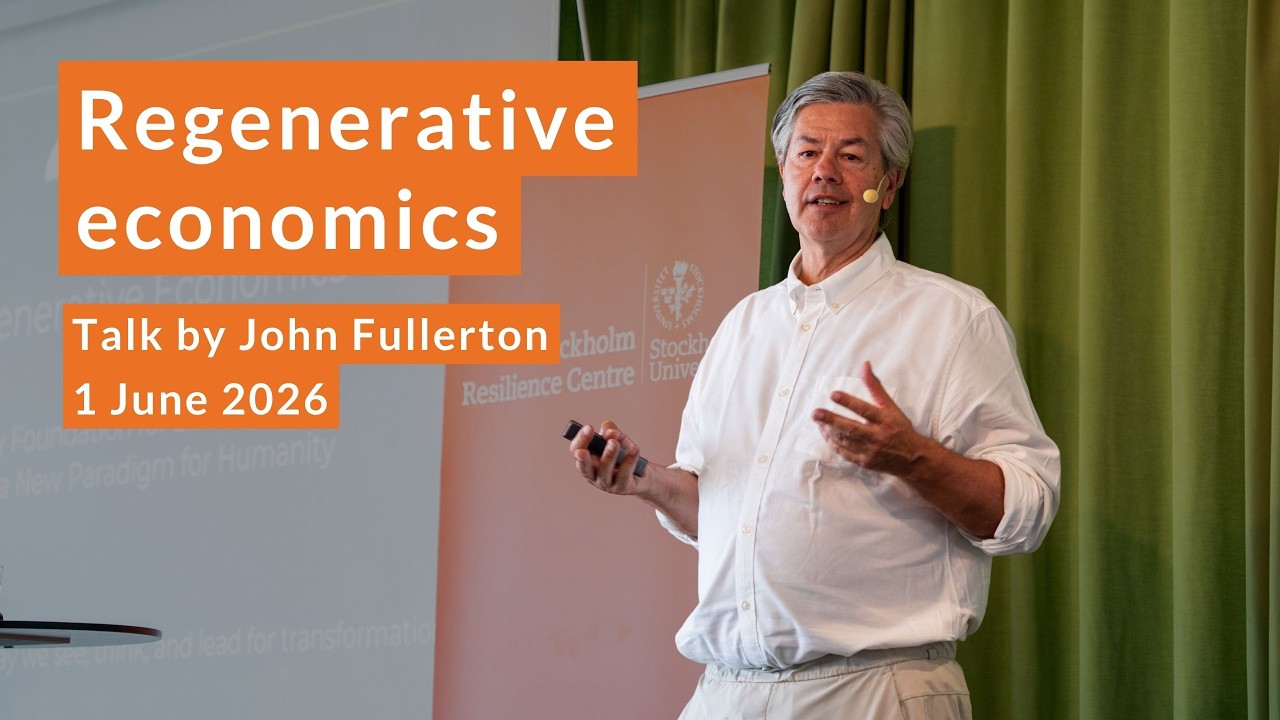
John Fullerton talks about his newly launched book ‘Regenerative Economics: Revolutionary Thinking for a World in Crisis’, followed by a panel with Bianca Voicu and Thomas Hahn.
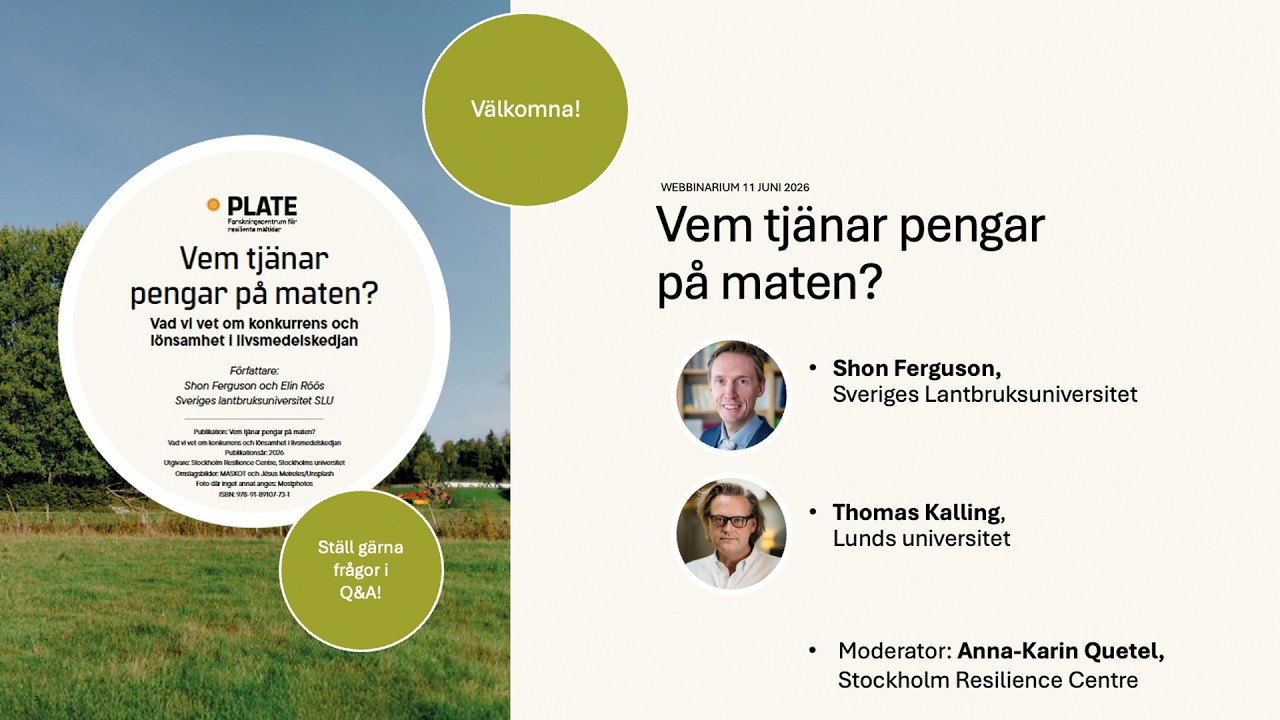
Många påståenden cirkulerar i aktuella samtal om mat, i webbinariet presenteras PLATE:s forskning om kunskapsläget för måltidssektorn.
Datum: 11 juni 2026
Medverkande: Elin Röös, Forskningschef ...

Rapporten Vem tjänar pengar på maten? Vad vi vet om konkurrens och lönsamhet i livsmedelskedjan kartlägger lönsamhet, konkurrensförhållanden och prisutveckling i hela den svenska livsmedelskedjan, ...
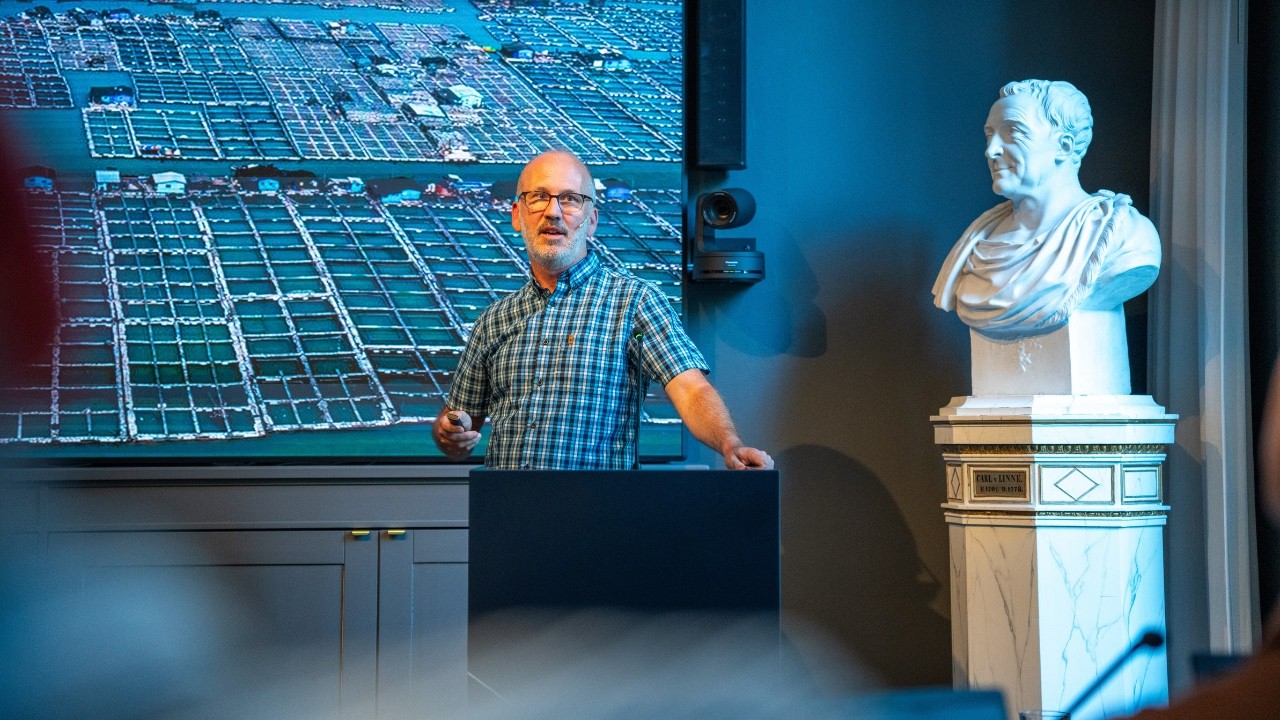
Companies and governments are rushing to the ocean to feed humanity, fuel global economies and trade, and reverse climate change. We are asking a lot of the vast blue expanse that covers two-thirds...
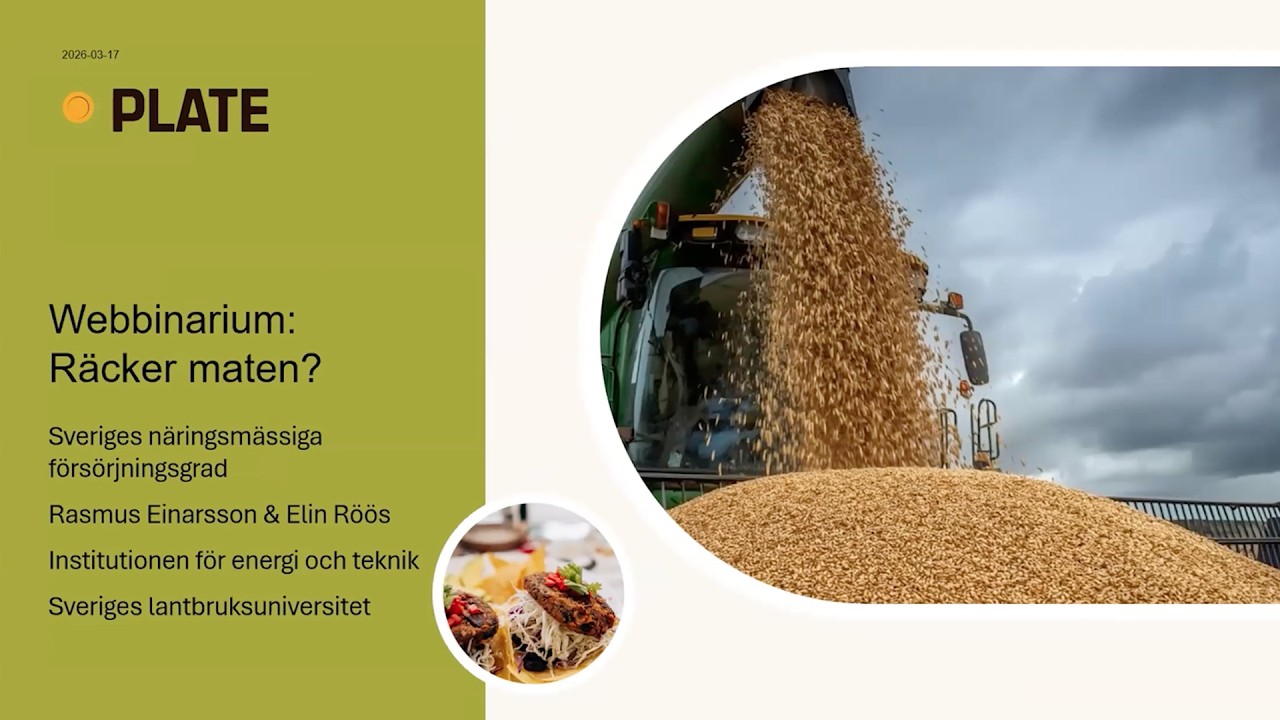
Läs hela rapporten och se presentationerna här: https://plateresearch.org/rackermaten
I debatten om Sveriges livsmedelsberedskap framställs importen ofta som ett tecken på sårbarhet. Men en ny rapp...
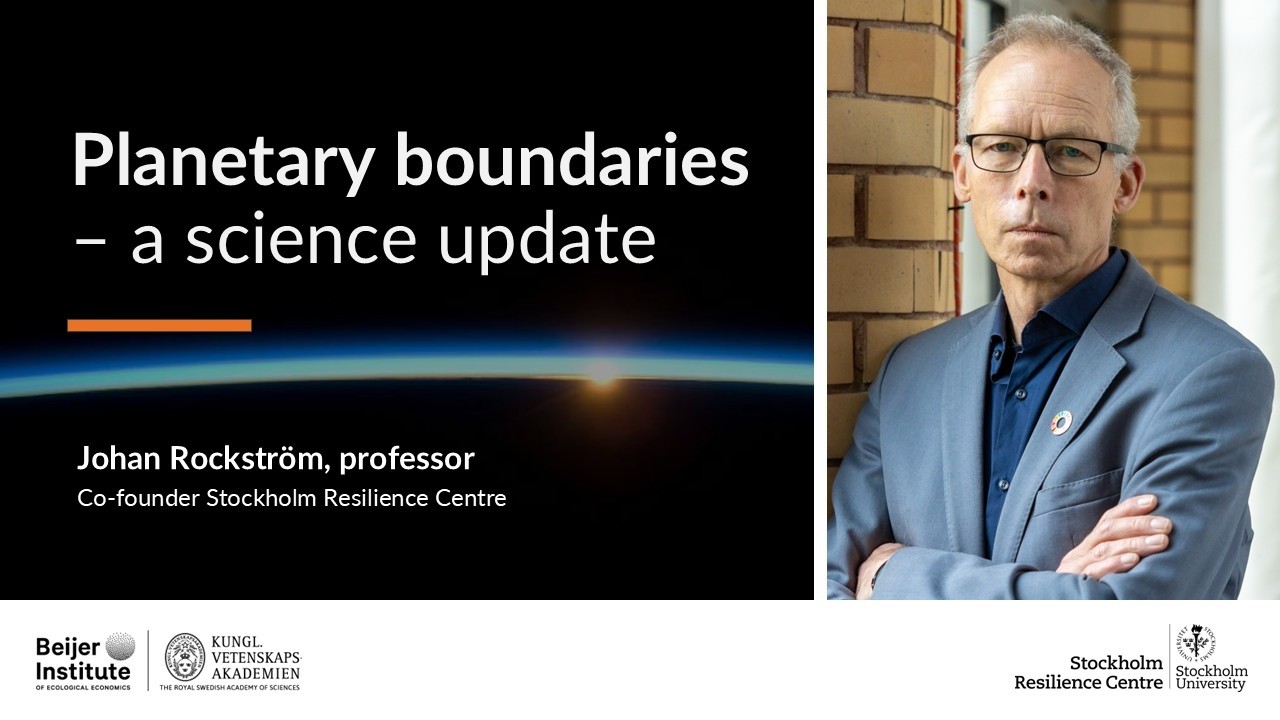
Professor Johan Rockström, co-founder of the Stockholm Resilience Centre, gives a scientific update on the Planetary boundaries framework.

Artificial intelligence (AI) is already driving scientific breakthroughs in a variety of research fields, ranging from the life sciences to mathematics. This raises a critical question: can AI be a...
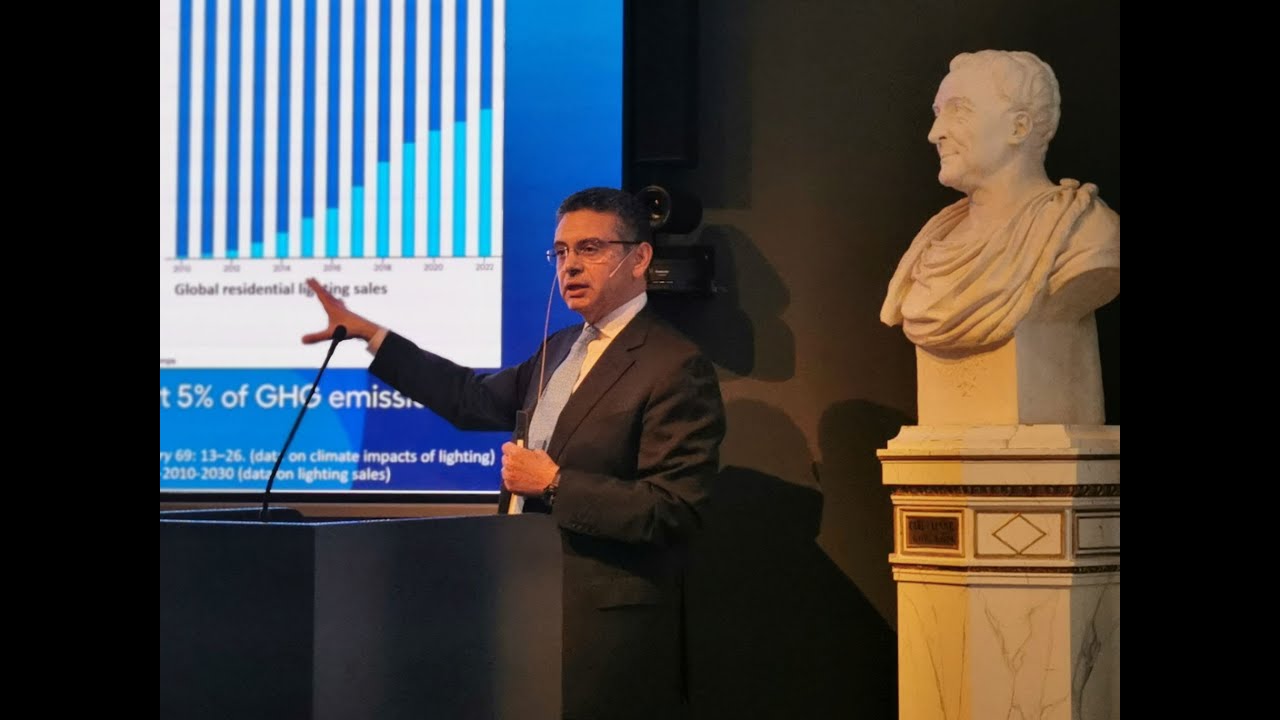
In this seminar, Pedro Conceição places human development in the context of today’s global sustainability challenges, highlighting the limits of GDP as a measure of progress. The presentatio review...
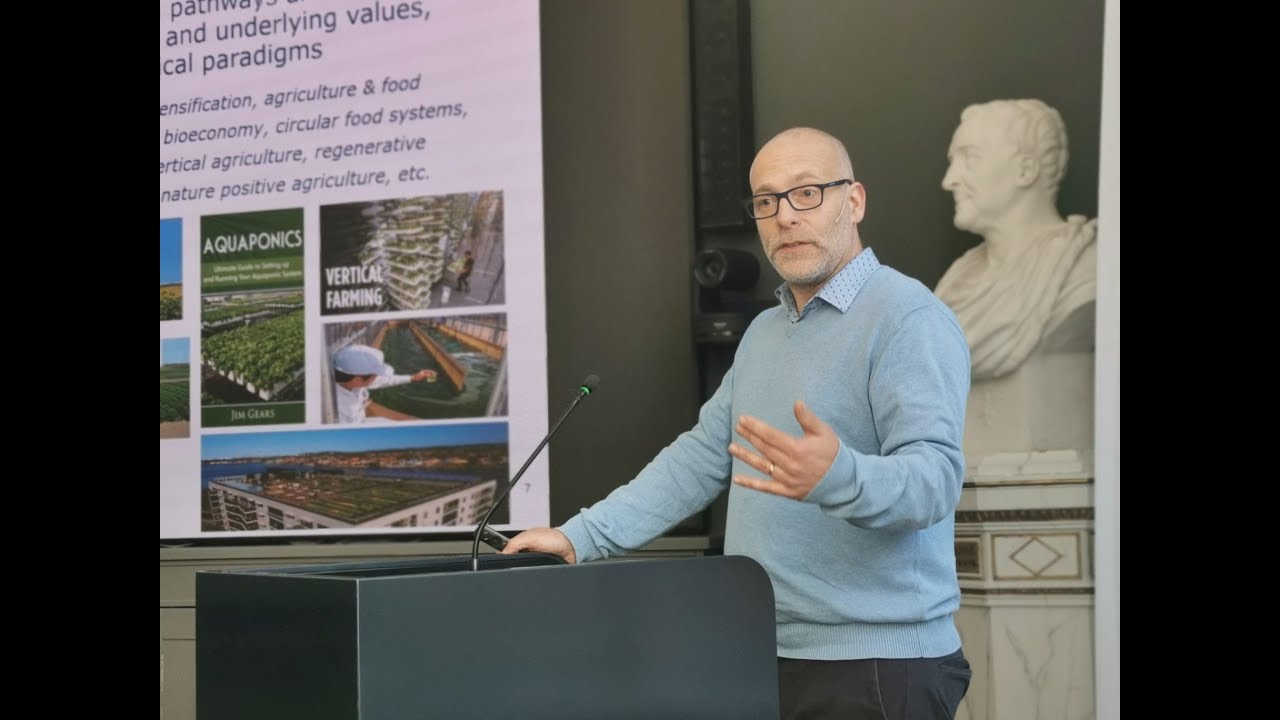
In this seminar on 25 September 2025, Professor Laurens Klerkx discusses the emergence of mission-driven agrifood innovation (eco)systems. The talk explores topics such as the shapes and boundaries...
What corporate environmental impacts are important to keep track of in relation to biodiversity and how can we measure them in a scientific way? In this video, Professor Beatrice Crona gives us the...
Mistra FinBio researcher Emmy Wassénius shares her knowledge on nature and climate related risks, what creates them, and why businesses and investors should care.
Mistra FinBios Senior Scientific Advisor Professor Beatrice Crona explains how biodiversity is linked to wellbeing of societies, and specifically economies.
Mistra FinBio researcher Emmy Wassénius explains what EEIVs are, how they work, and how they are useful for understanding environmental impacts and nature related risks.
Mistra FinBios PhD student Giorgio Parlato presents ESI — a tool to better capture corporate and investment impacts on the Earth system.
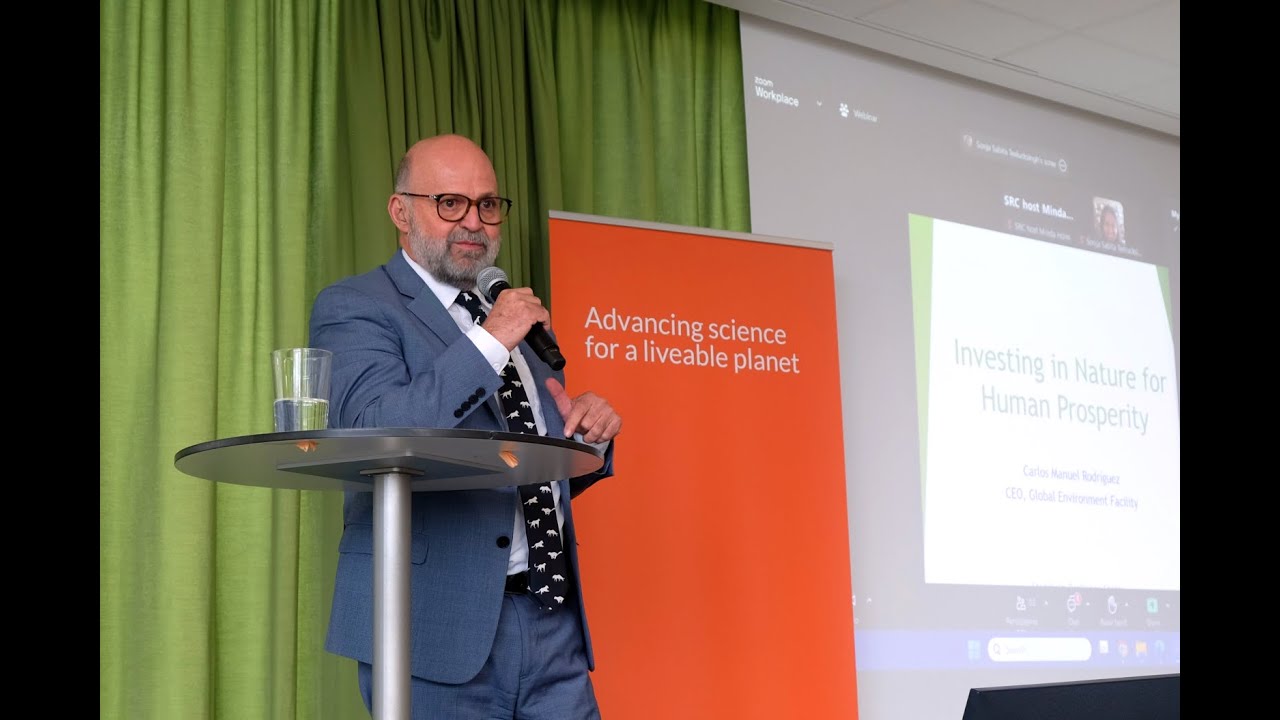
Investments play a crucial role in how deforestation and the destruction of nature can be reversed. "By far the biggest challenge is that humans continue to invest far more in sectors and activitie...
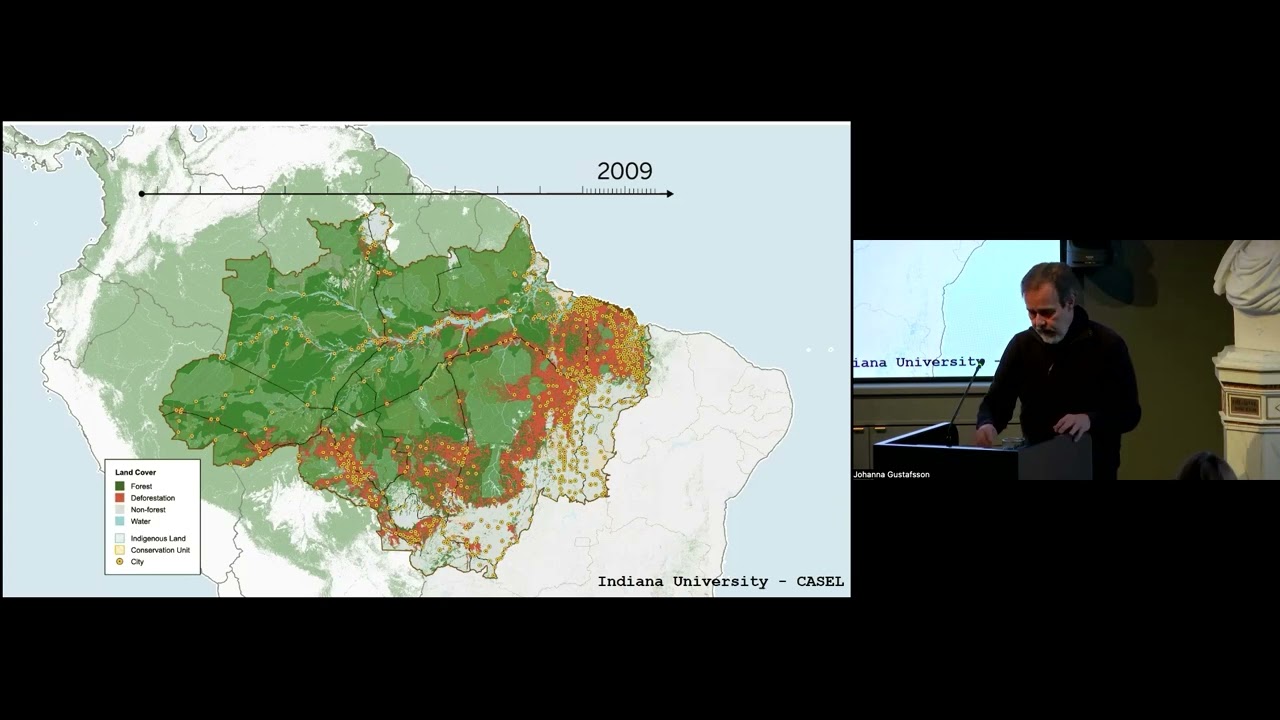
To reverse the current path toward irreversible ecological tipping points in the Amazon, the world needs to change how it views and interacts with the rainforest and the diverse people who live the...
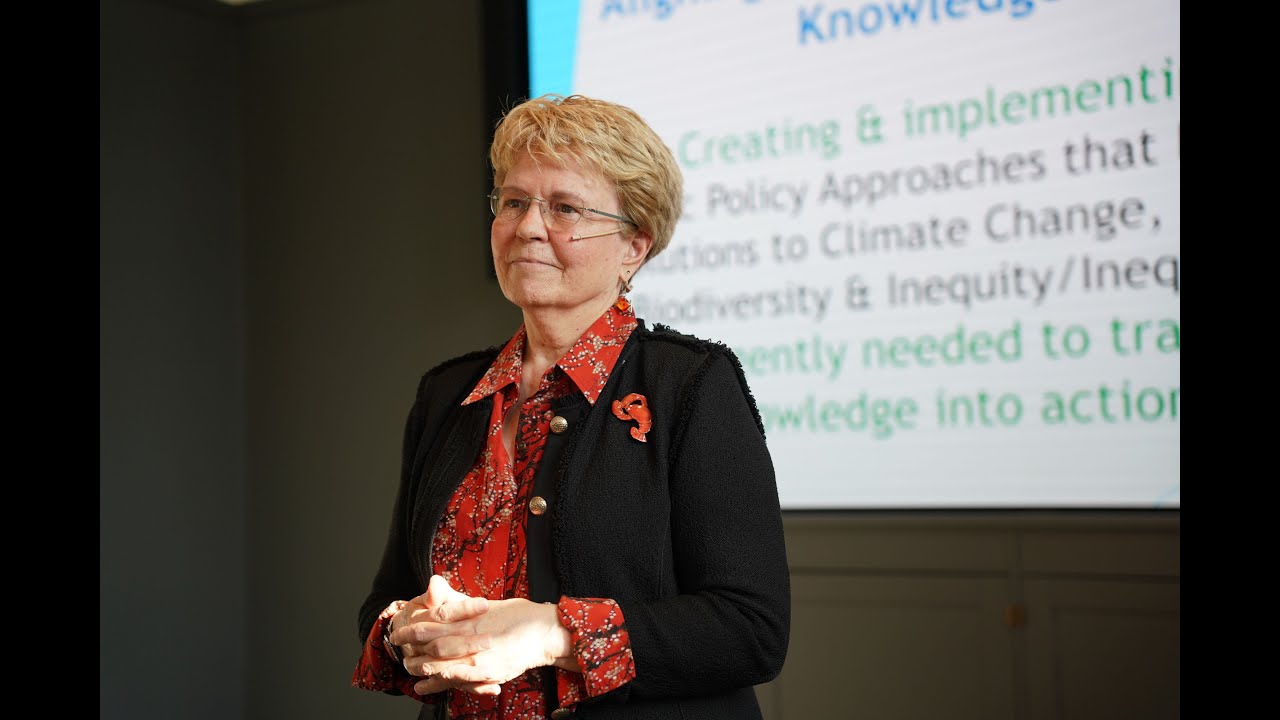
The clock is ticking and we need to translate knowledge about earth systems and how they are changing, not only into awareness but into action.
"It’s not enough to simply present policymakers with ...
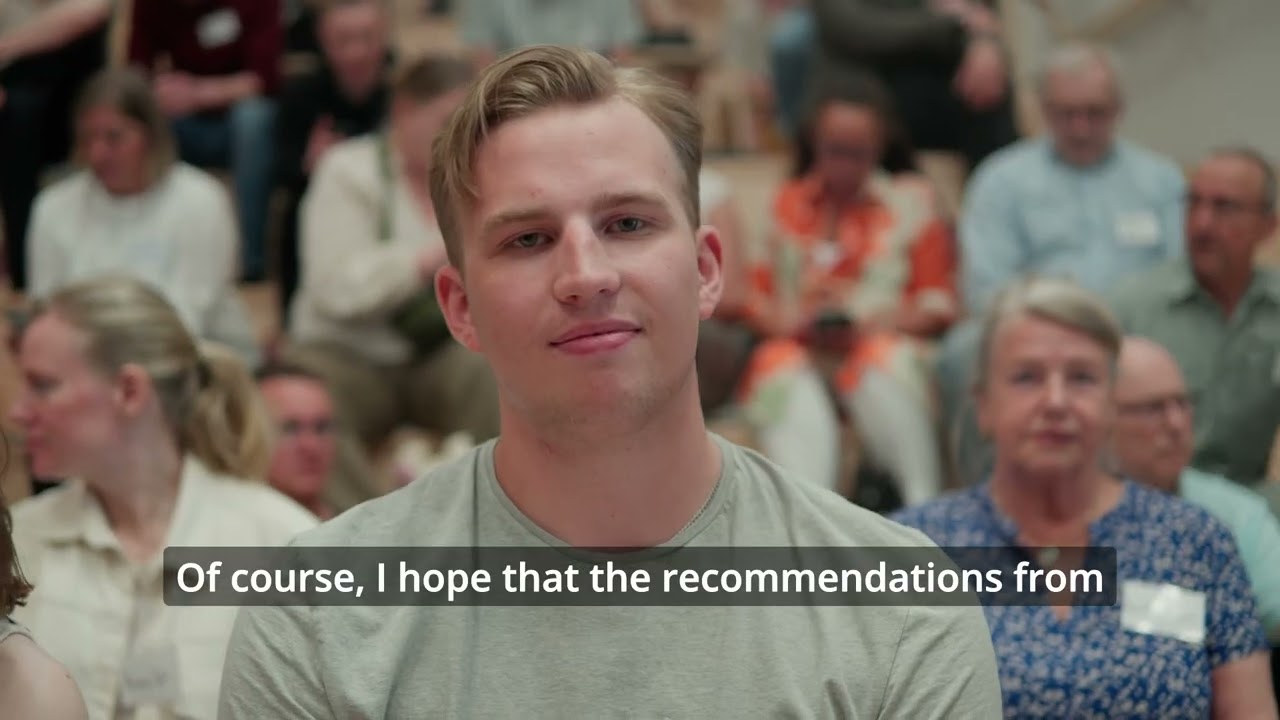
How does a citizens' council on climate really work? In this video, you'll get a behind-the-scenes look at the process of Sweden’s first national citizens' assembly, where a ”Mini-Sweden” gathered ...
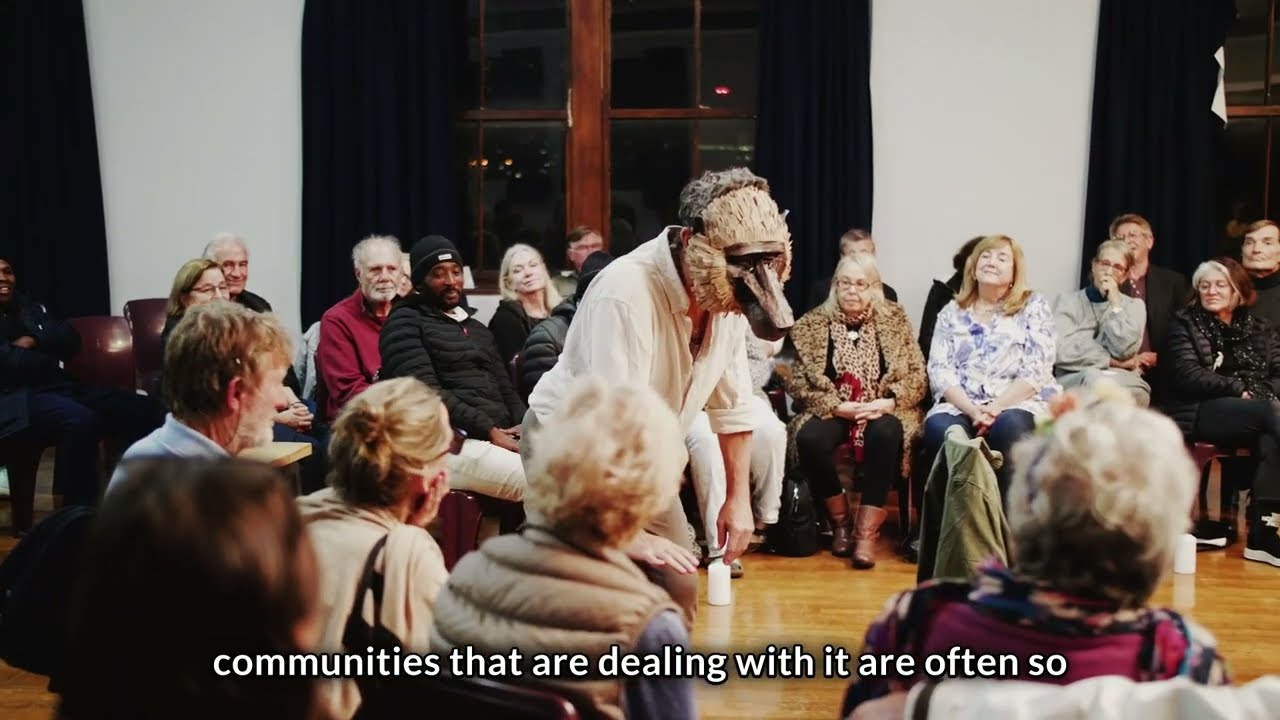
Centre researchers partnered with Empatheatre in an innovative way of communicating science. The theatre play, which is part of the project Unruly Natures, tells an emotional story of how to democr...

Our vision is a thriving and resilient biosphere that enables well-being for all.
Our mission is to:
• advance the scientific understanding of the complex, dynamic interactions of people and natu...