
Right To Play
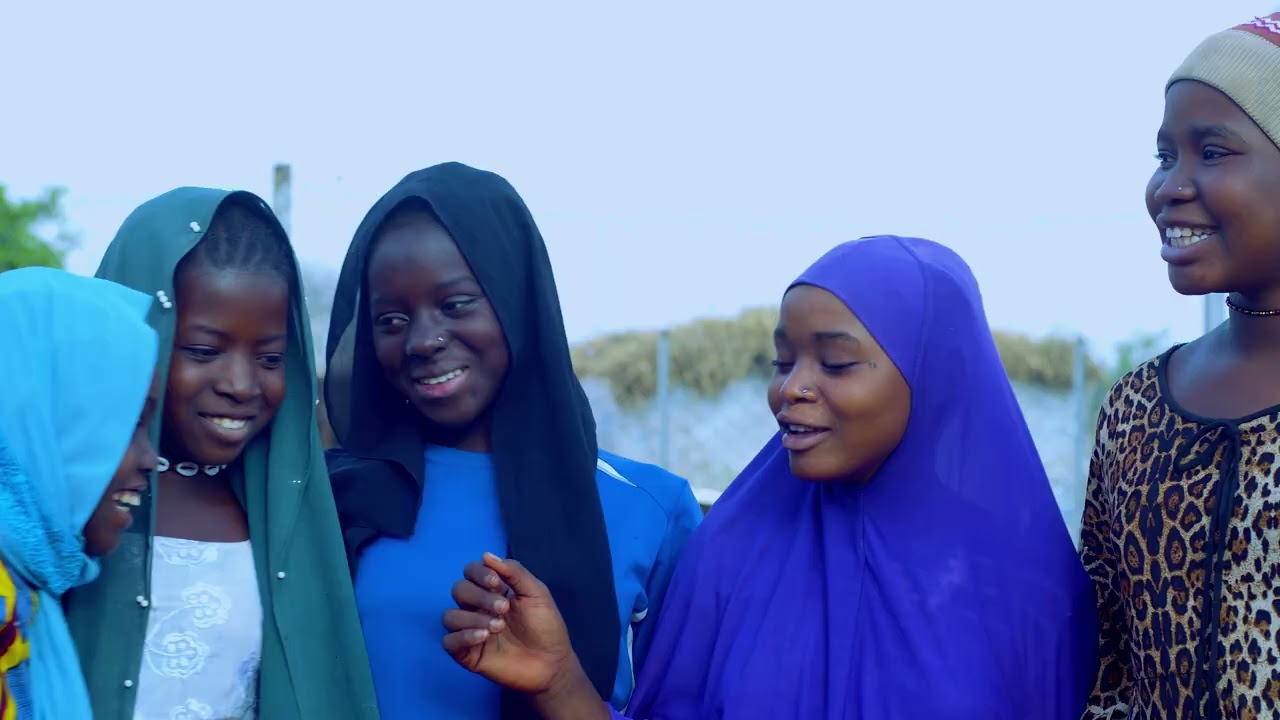
Thousands of children displaced by conflict in Mopti, Mali, arrive at displacement sites carrying trauma, isolation, and interrupted schooling — struggling to reconnect with learning or with each o...
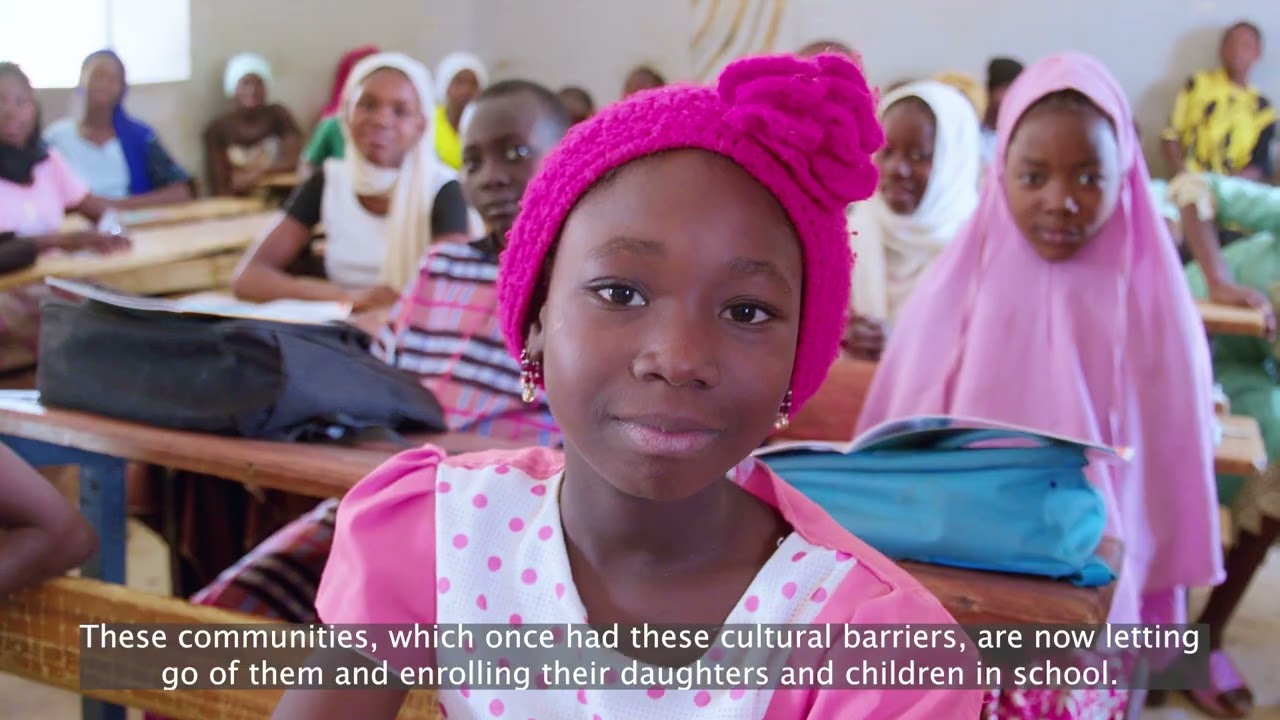
In Mali’s crisis-affected communities, many children—especially girls and those displaced—face serious barriers to education, including lack of birth certificates, cultural norms, and ongoing insta...
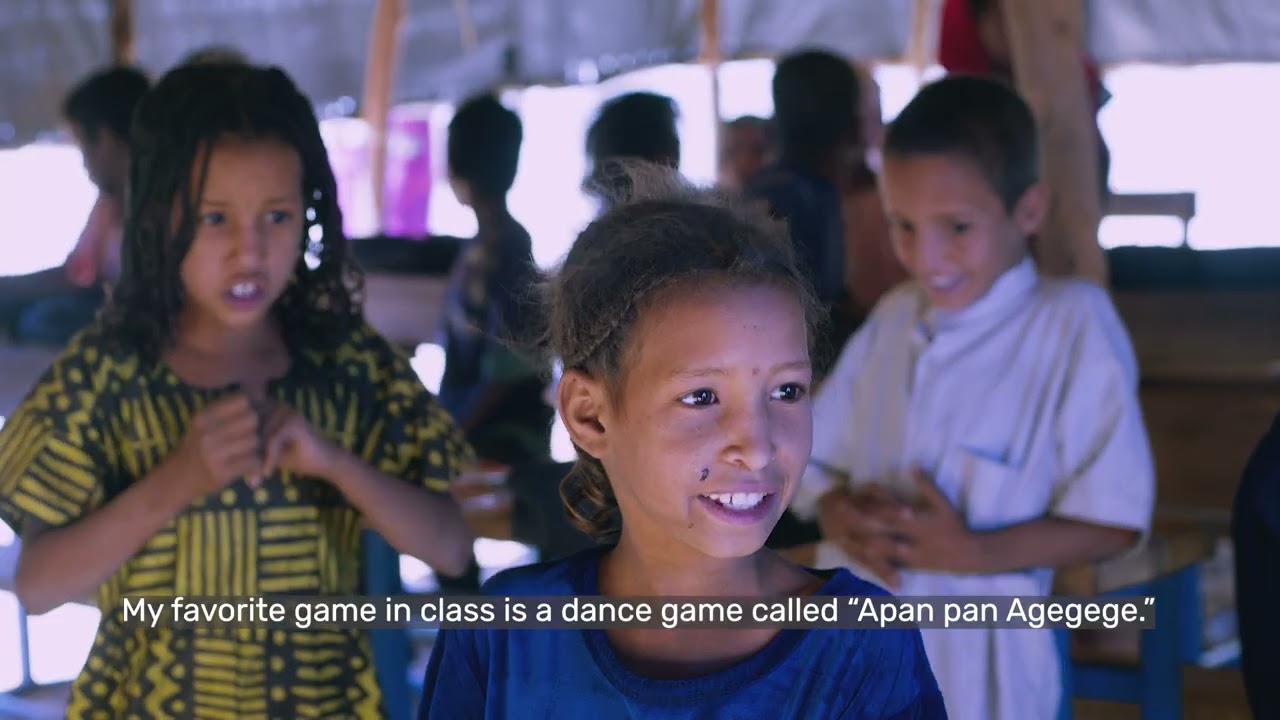
Follow Seydou, a 12-year-old displaced child in Gao, Mali, as he takes us through a typical day of learning at his Temporary Learning Centre (TLC). From his morning routine at home to learning thro...
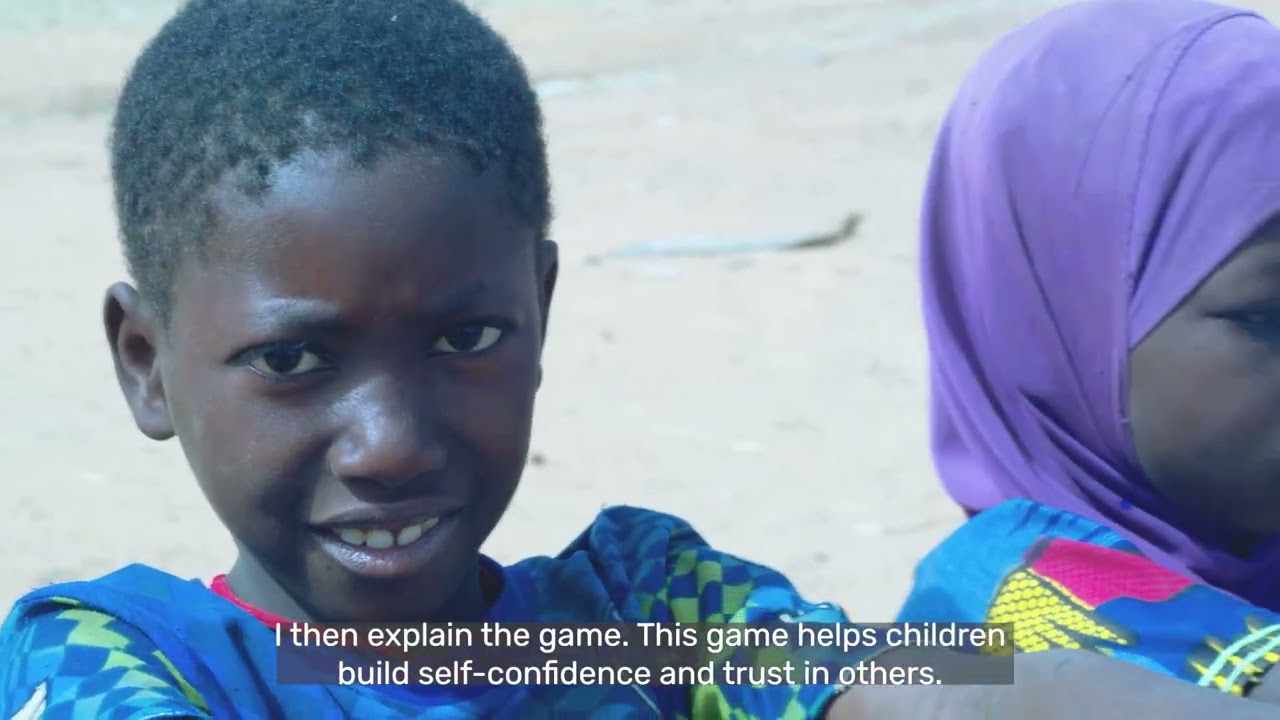
The Trust Zip is a fun and interactive game that helps children build trust in themselves and others while strengthening teamwork, confidence, and mutual respect. In this activity, children work to...
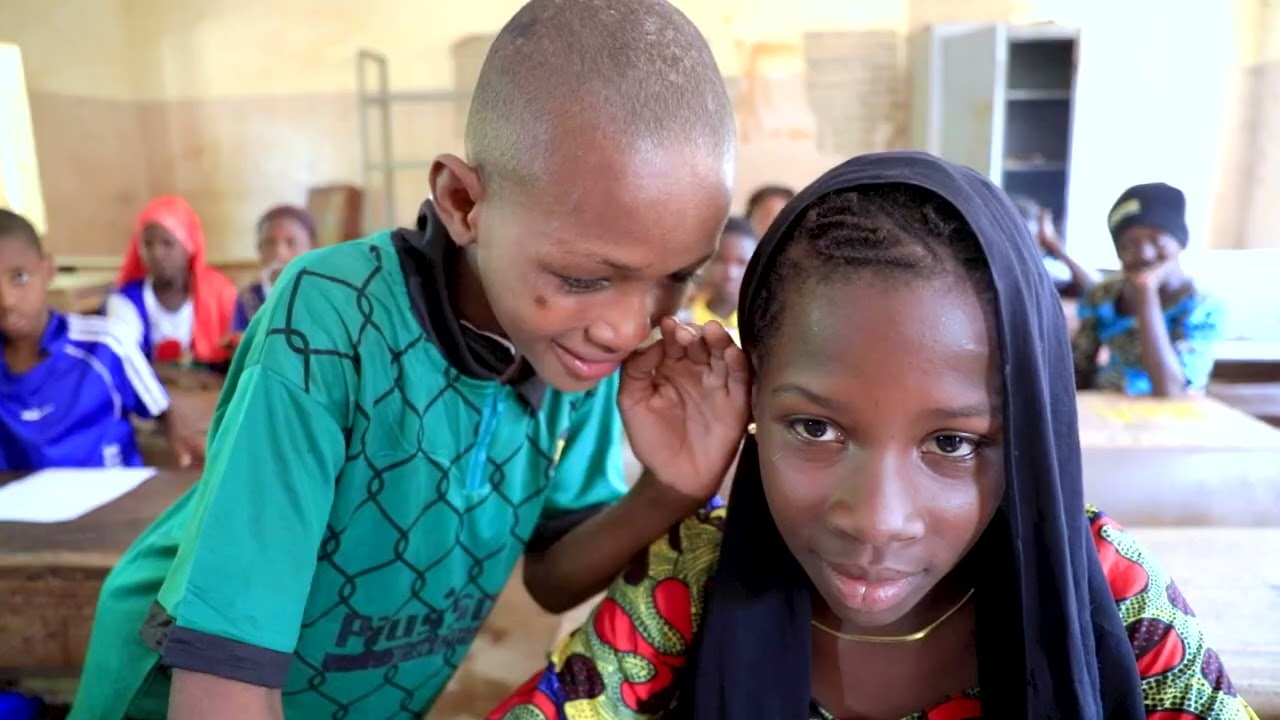
In Mali, ongoing conflict has displaced hundreds of thousands of people, leaving many children without access to safe and quality education. In this video, Boubacar Garango, Project Manager at Righ...
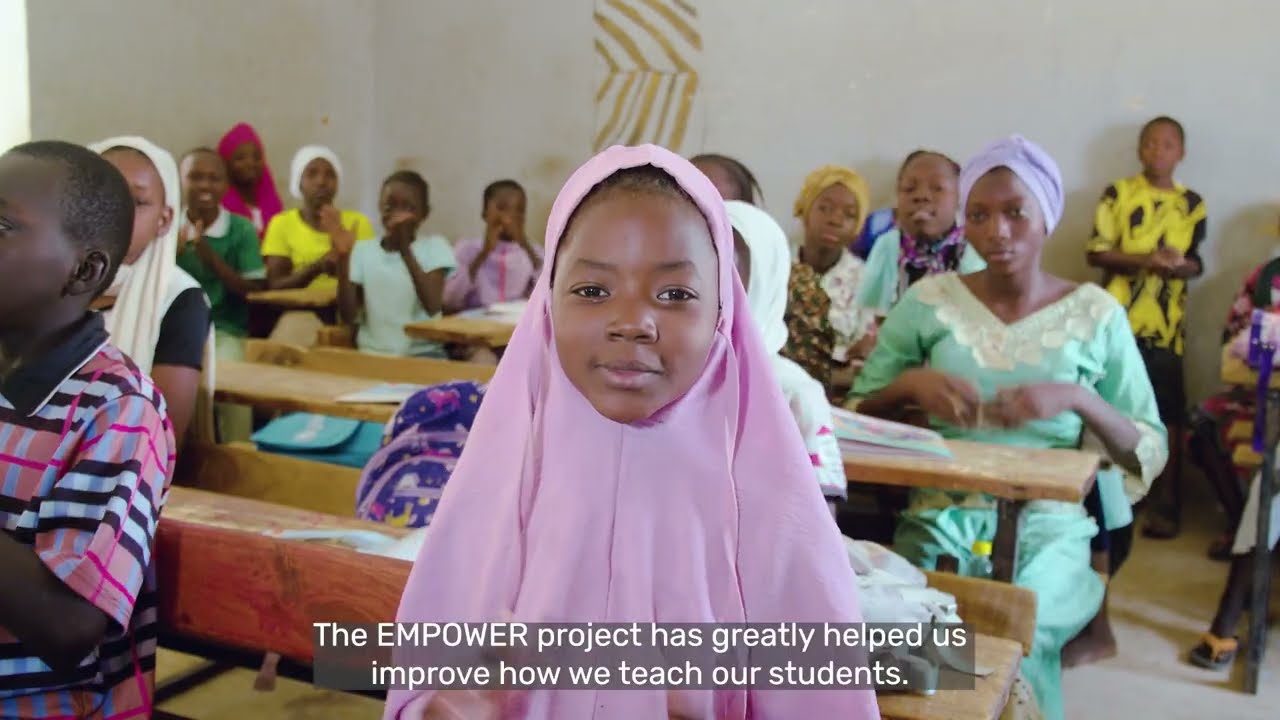
In Bandiagara, Mali, years of conflict and displacement filled Kadidia's classroom with children carrying trauma — and left her without the tools to reach them. Seventy-one per cent of Grade 4 stud...
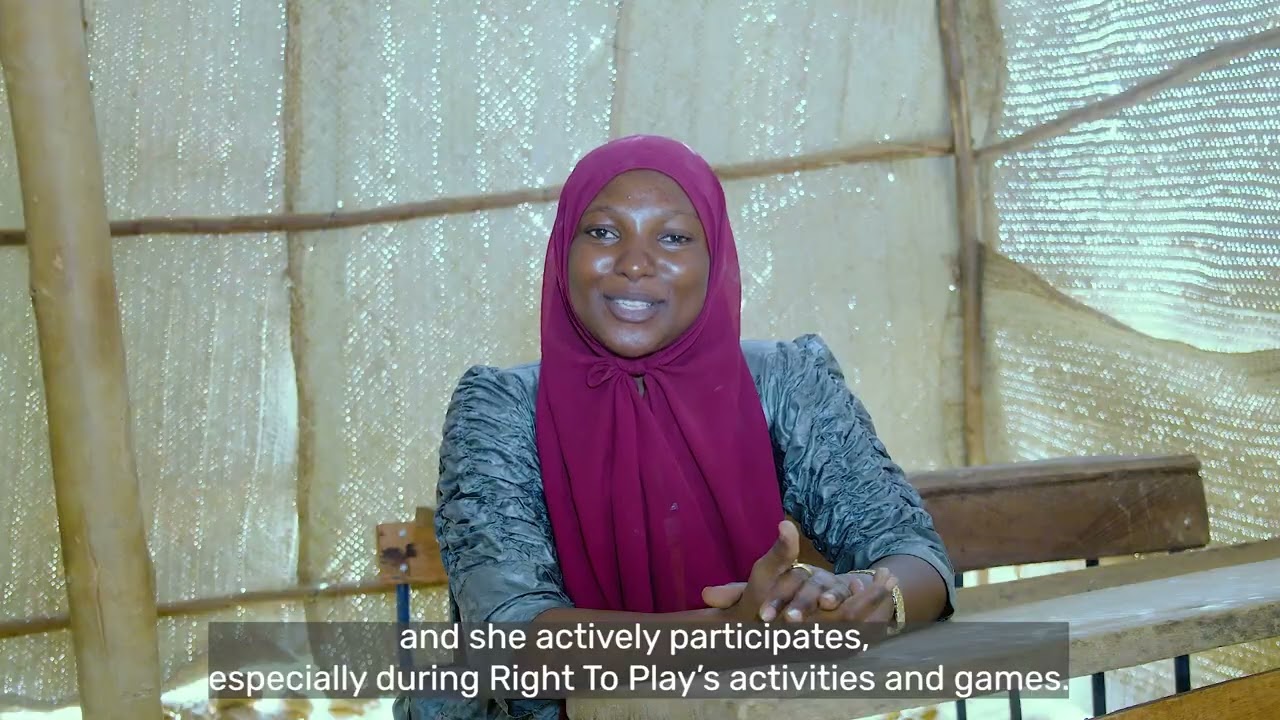
Twelve-year-old Antou was facing forced marriage and exclusion from school after her family was displaced by conflict in Mopti, Mali. Without documentation or protection, her future was being decid...
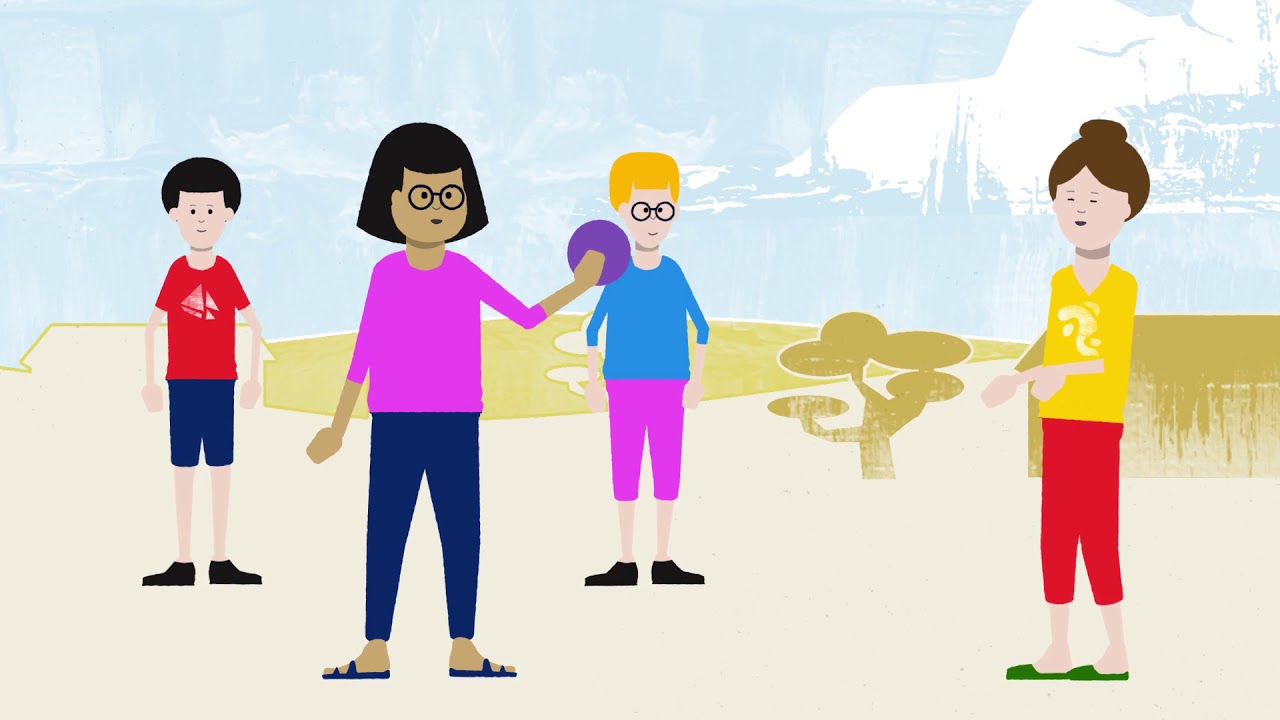
This game teaches children how to cope with negative emotions, by trying to catch a ball that is passed between other teammates.
It is for children ages 6+, played with 6 or more people, and takes...
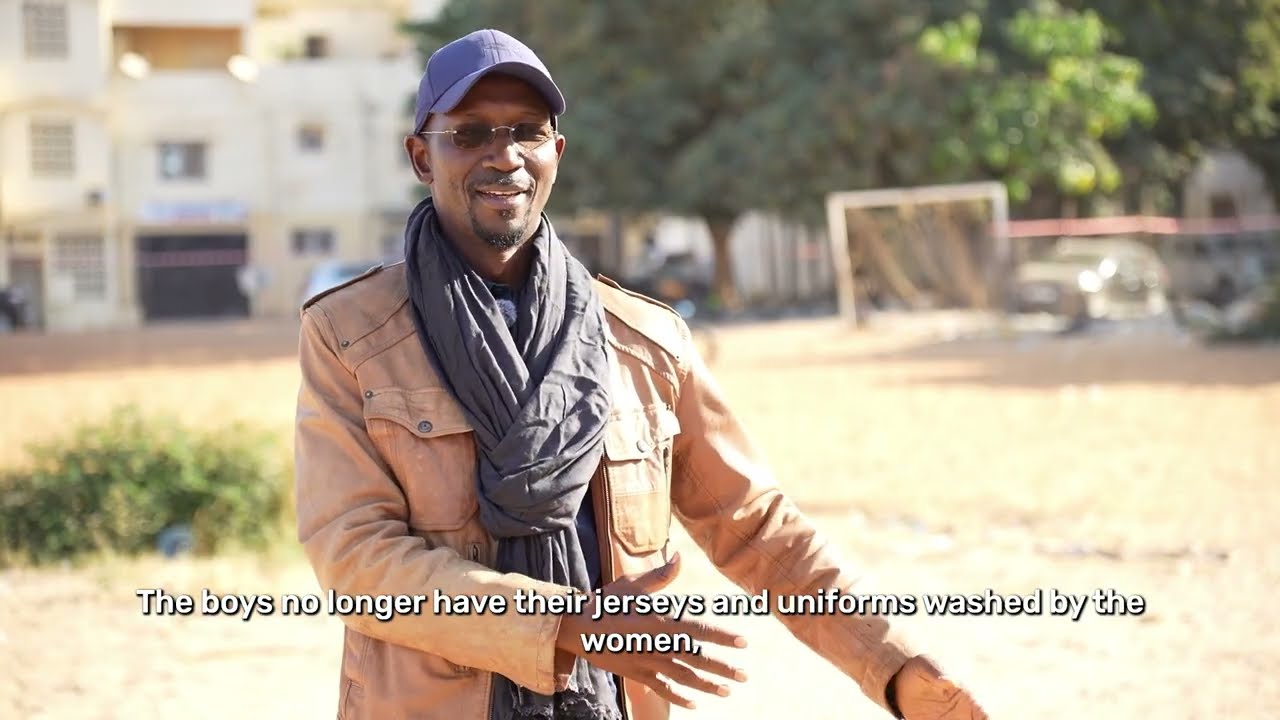
What does it actually take to shift gender norms through sport? In this video, Edouard Ndong, Program Manager at Right To Play Senegal, shares what five years of the RECAF-Jeu project have revealed...
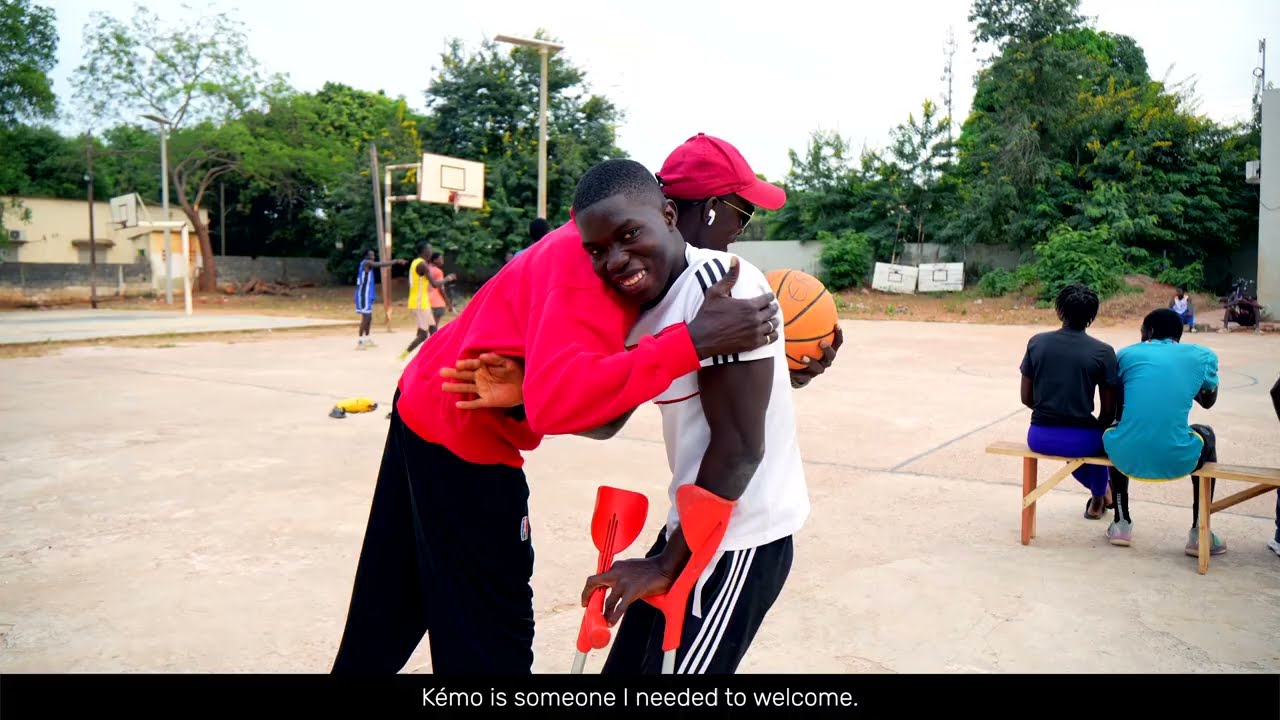
Growing up with a disability in rural Senegal, Kémo was often confined at home and excluded from sports and social life, leading to isolation and low confidence. Through Right To Play’s RECAF‑Jeu a...
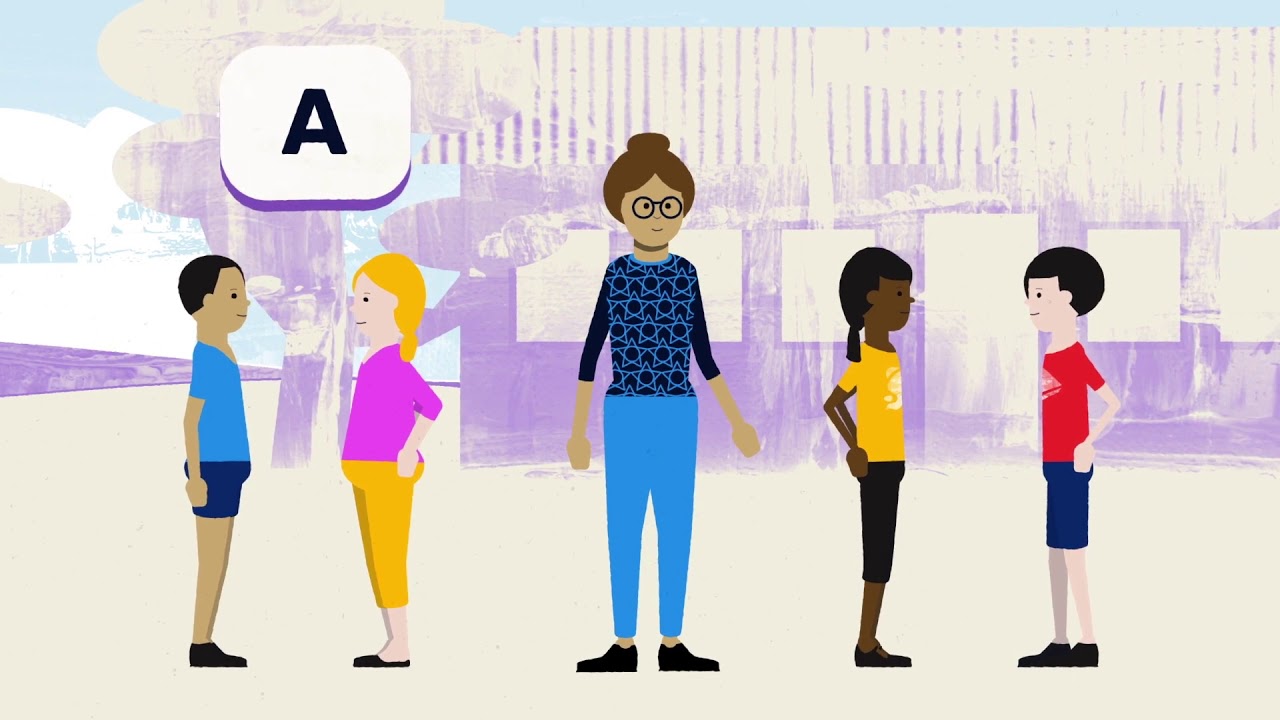
This game teaches children to work together to reach a common goal, by trying to knock down their opponents’ bottles and keep their own bottles upright.
It is for children ages 10+, played with 4 ...
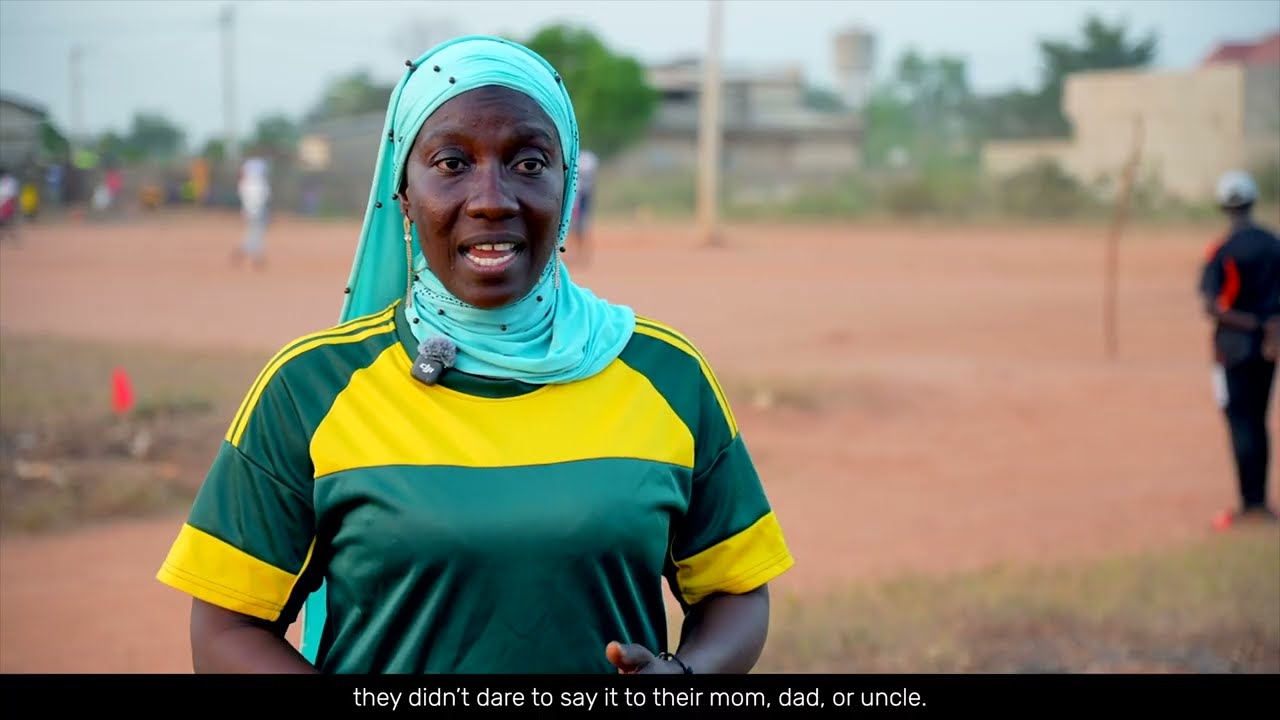
In Sédhiou, Senegal, girls who want to play sports face deeply entrenched barriers — cultural norms that say sport belongs to men, the threat of child marriage, and almost no female coaches to look...
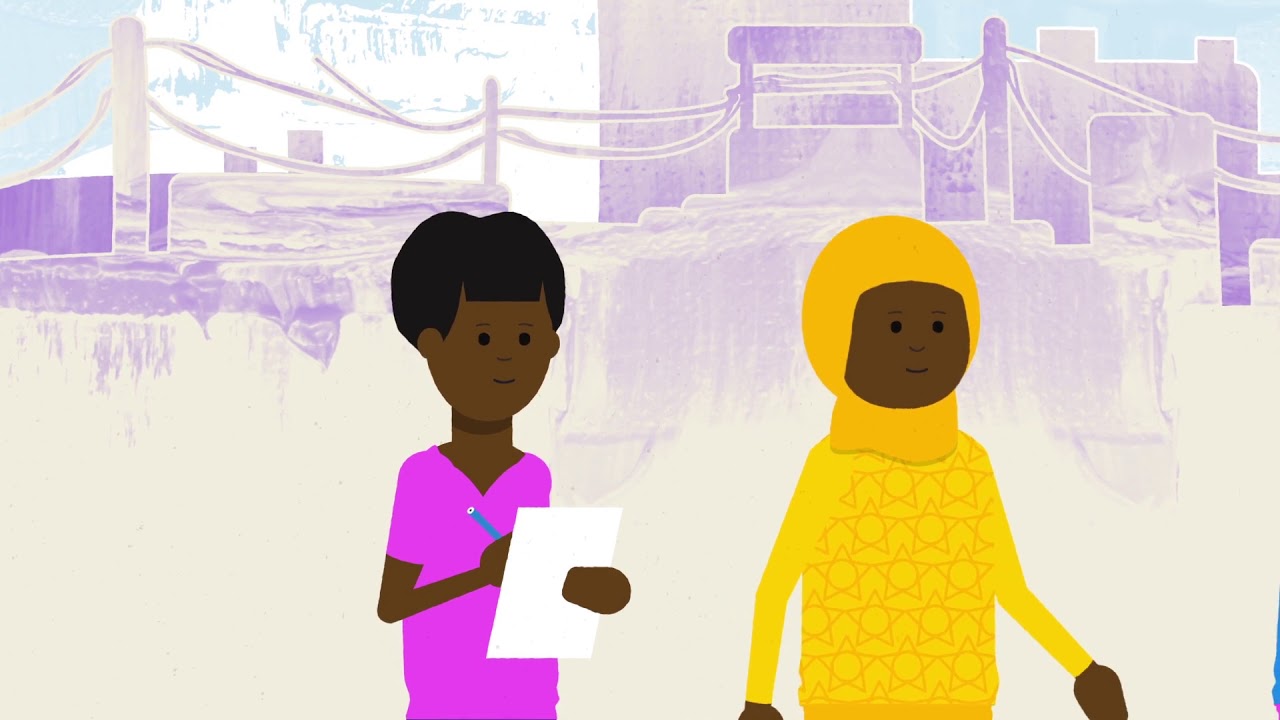
This game teaches children how to arrange words into a sentence, by working in a team to organize mixed-up words in the correct order.
It is for children ages 7+, at or beyond a grade 1 writing le...
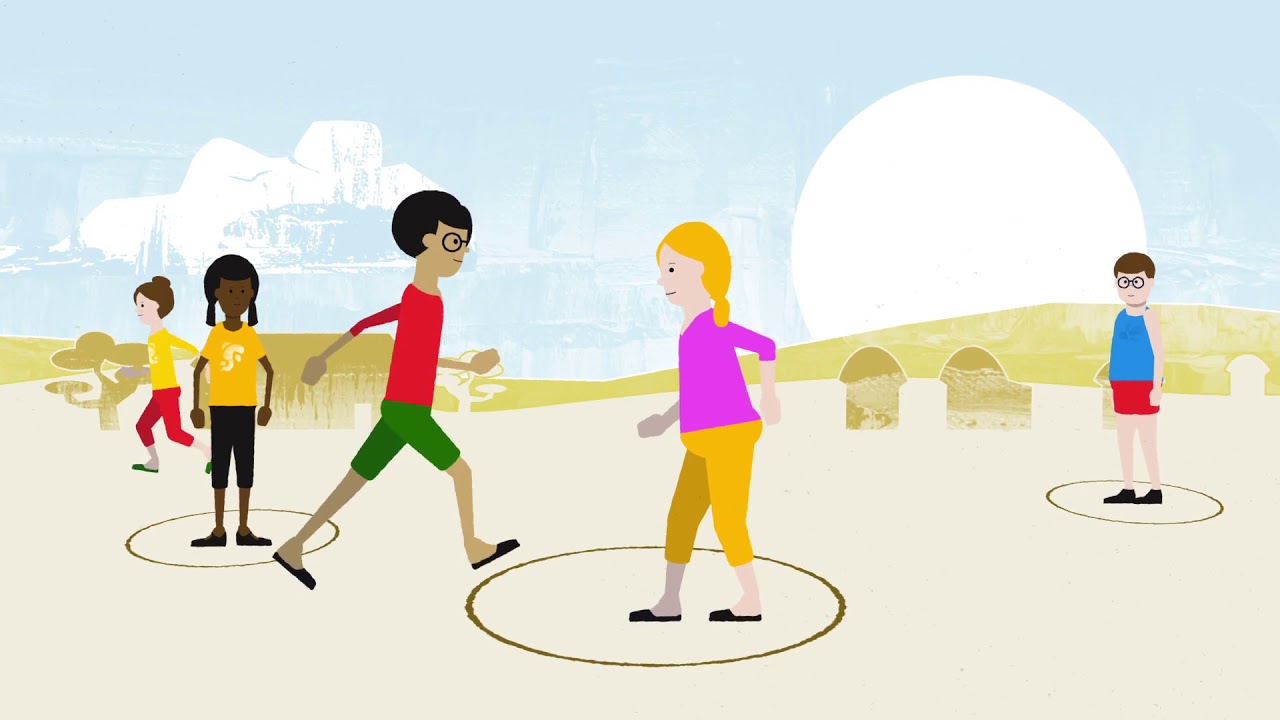
This game teaches children how to develop motor skills for large movements, by moving to different circles without being tagged.
It is for children ages 6-9, played with 6 or more people, and take...
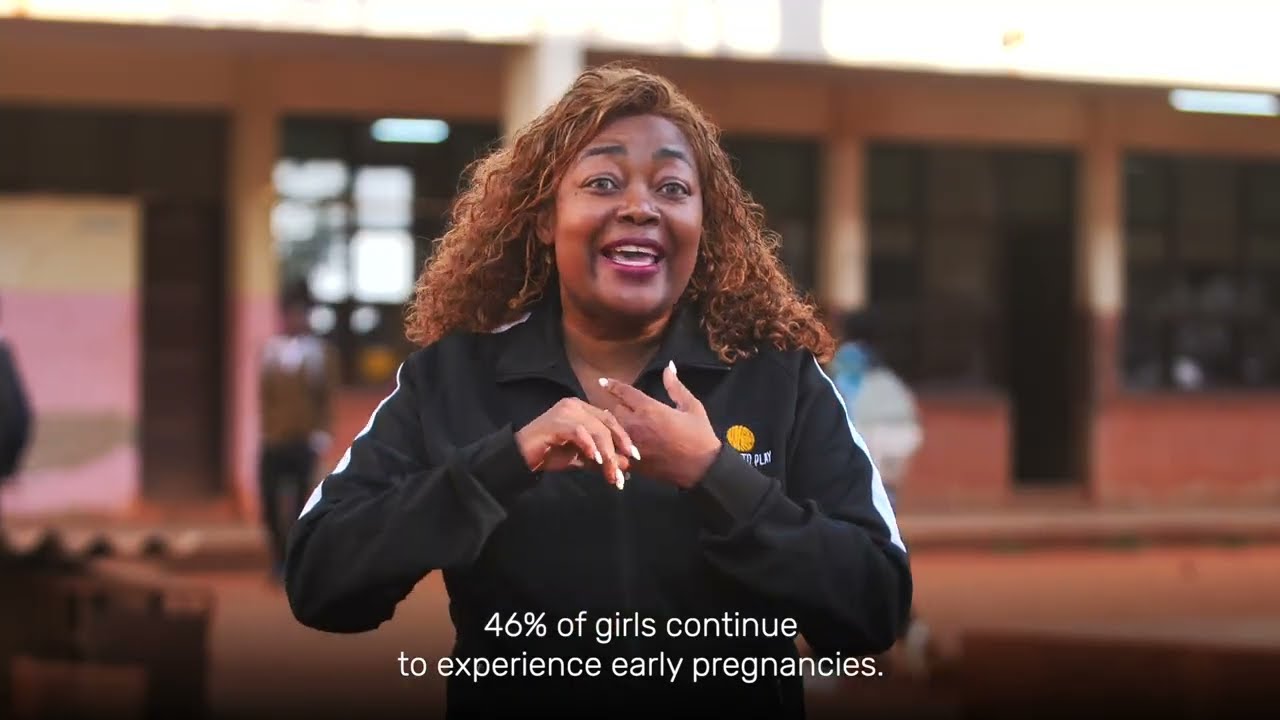
In Mozambique, Program Manager Valuarda Monjane shares how SHARE is working with adolescents, parents, and teachers to open conversations on sexual and reproductive health and rights.
Through men...
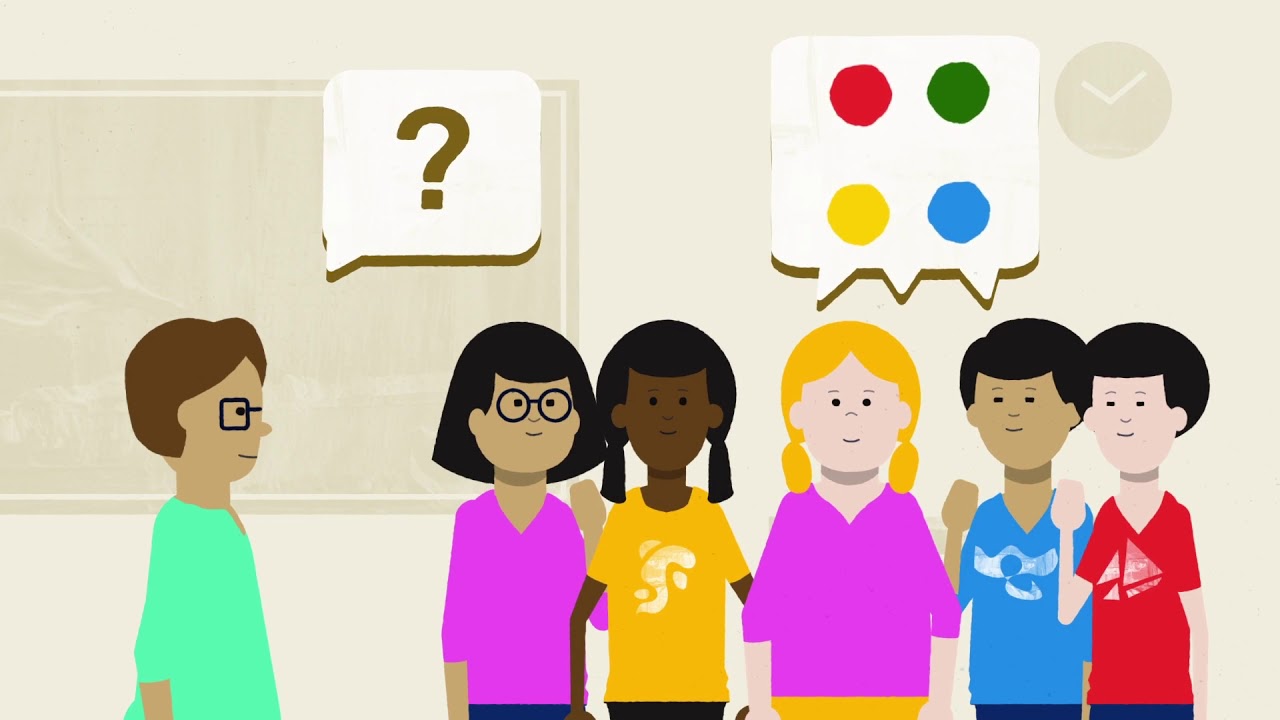
This game teaches children how to improve their memory, by remembering actions connected with specific colours.
It is for children ages 6+, played with 6 or more people, and takes about 15 minutes...
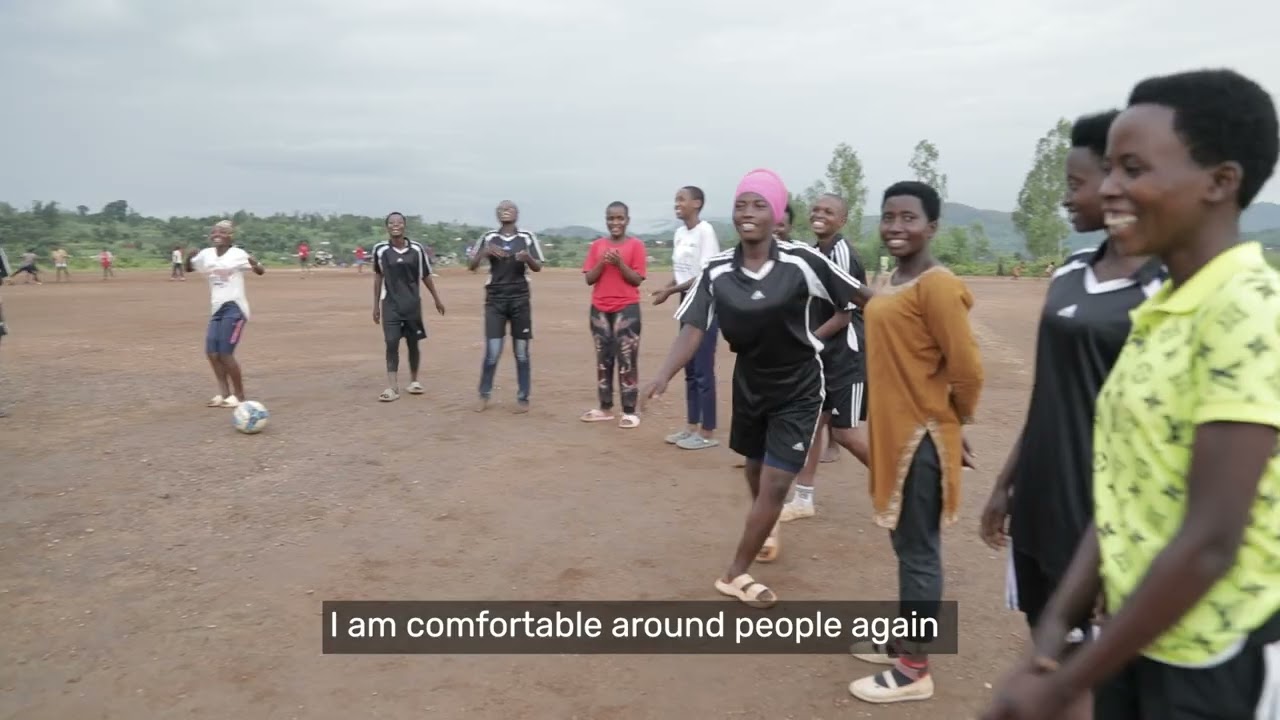
Rachele’s life was shaken by a deeply traumatic experience that left her feeling isolated and overwhelmed. Like many young women in Burundi, she struggled to access emotional support and feared she...
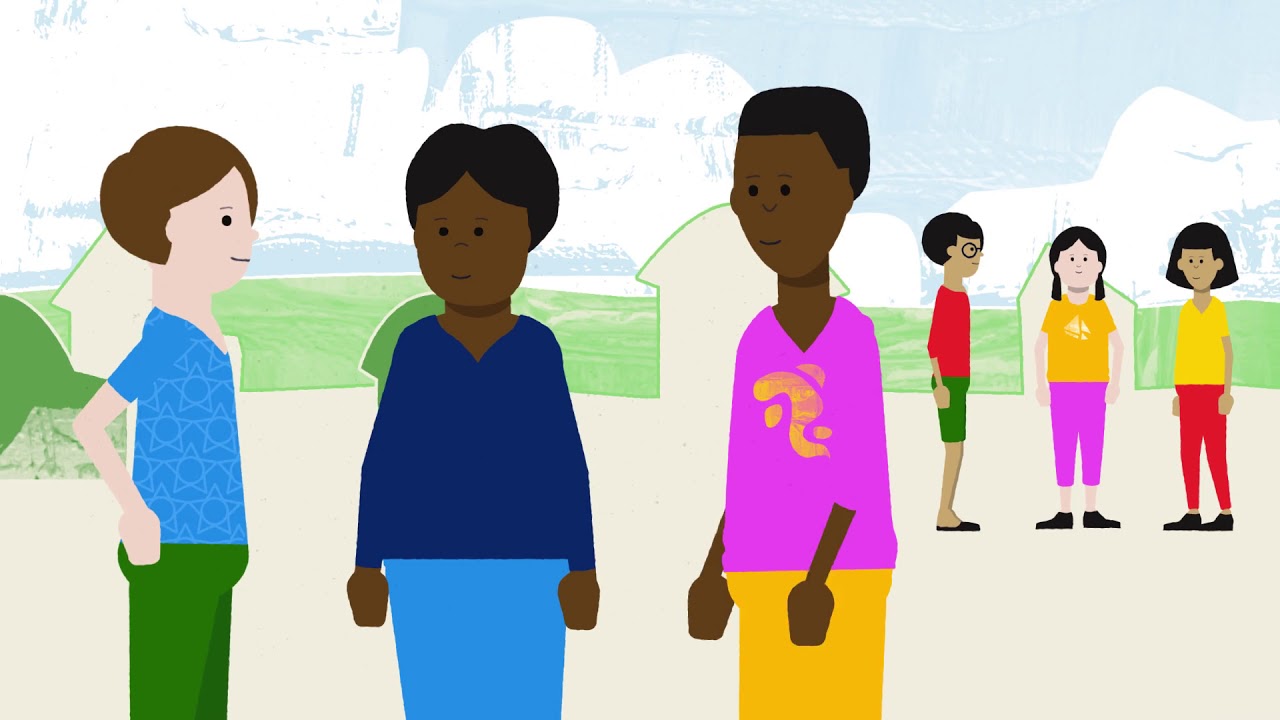
This game teaches children how to support one another, by working as a team to defend or take from the Circle of Treasures.
It is for children ages 10+, played with 6 or more people, and takes a...
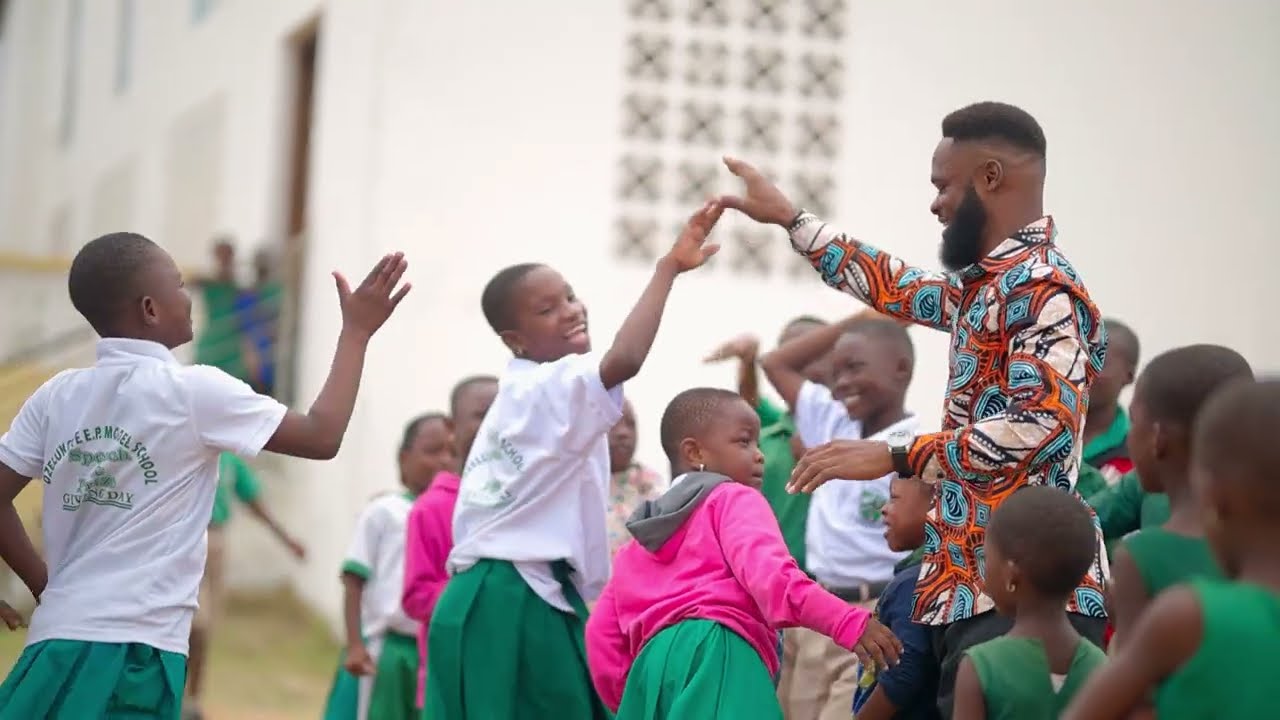
In Keta, Ghana, Sylvester struggled to engage learners using traditional teaching methods, a challenge faced by many teachers across the country. After joining Right To Play’s Partners in Play prog...
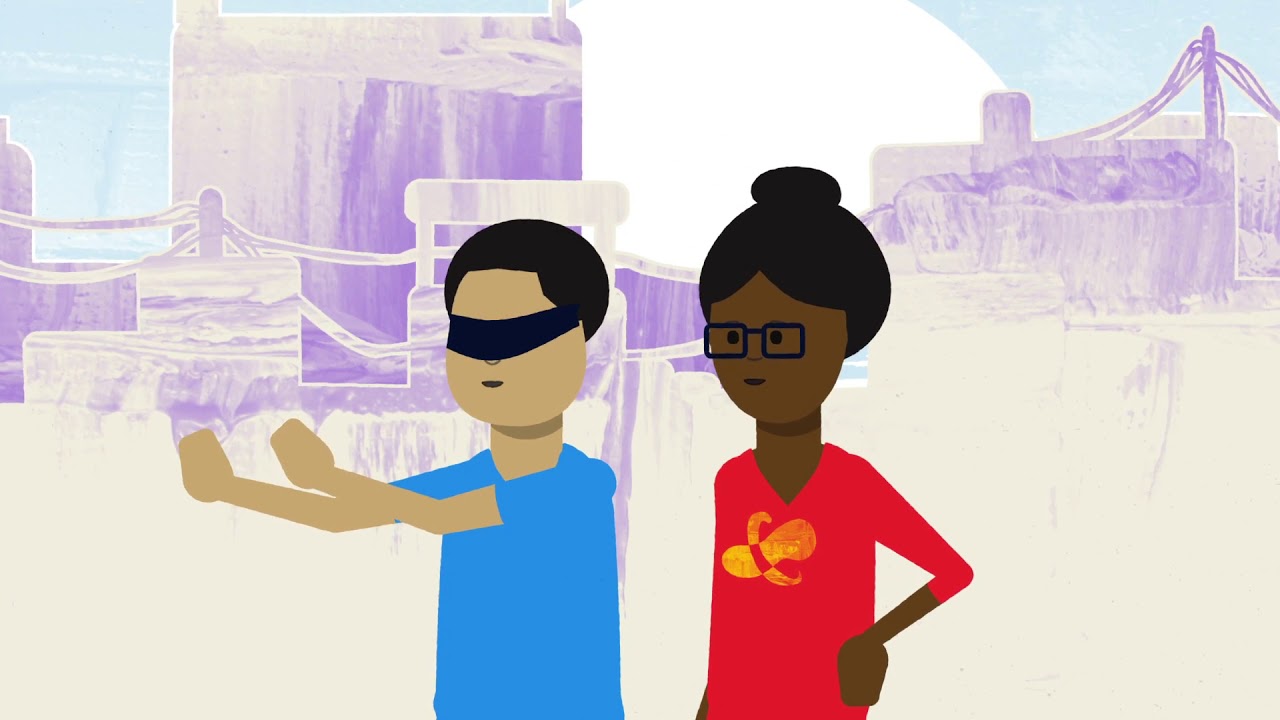
This game teaches children how to develop trust in others, by leading a blindfolded partner through an obstacle course.
It is for children ages 10+, played with 6 or more people, and takes about 2...